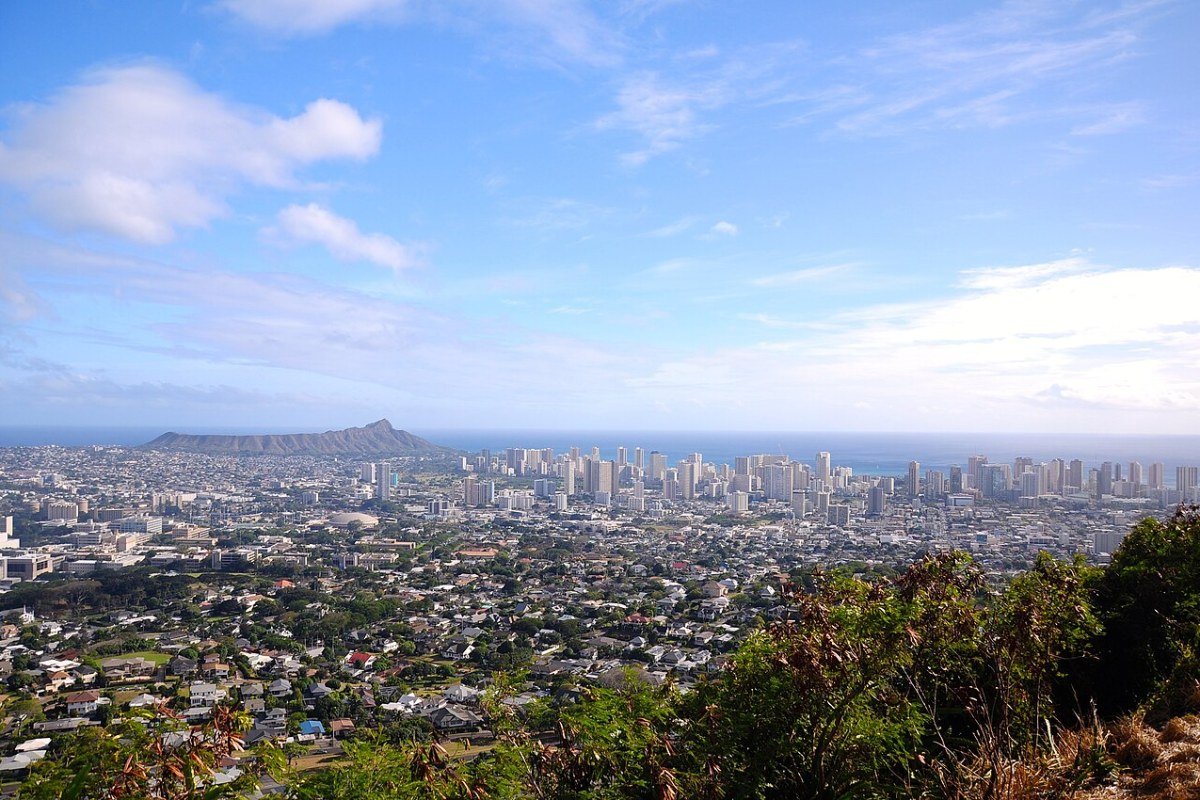
Hawaiʻi is the most expensive state to live in the United States — not by a slim margin, but by a wide one. Island geography (virtually everything must be shipped or flown in), distance from the continental US economy, a housing market hemmed in by land and policy, and some of the highest state taxes in the country combine to produce a cost structure roughly 85–90% above the national average once every category is counted. This is not coastal premium or lifestyle inflation. It is the basic math of living on islands at the far edge of the global supply chain.

Yet the islands’ residents are not all wealthy. Working-class and middle-class families have held roots here for generations, adapting their daily routines and money strategies to a cost structure that would be ruinous if approached with mainland expectations. Understanding how Hawaiʻi’s economy works for residents — not just visitors — means looking past the sticker shock to the practical adjustments that keep island life affordable for people across the income range.
Housing: The Defining Constraint
Hawaiʻi’s housing market is built around limits that cannot move: you cannot manufacture more land, and protected conservation areas, agricultural-land restrictions, and cultural-preservation rules shrink the buildable share to a small fraction of each island. Demand — fed by a desirable climate, a strong tourism economy, military employment, and buyers from around the world — keeps outrunning that limited supply.
Honolulu (Oʻahu) median single-family home prices reached roughly $1.12–$1.16 million in early 2026 — the entry point to the state’s most active market, not the ceiling. Maui runs about $1.3 million, kept high by post-Lahaina Fire supply losses and steady demand from mainland buyers. Kauaʻi sits near $1.1 million. The Big Island (Hawaiʻi Island) is the most reachable at roughly $600,000 statewide — closer to $475,000–$575,000 on the rainier Hilo side and $675,000–$775,000 in sunnier Kona — reflecting lower demand and more buildable land. Condominiums, the most common ownership path for working Honolulu residents, generally land between $500,000 and $700,000 in desirable spots.

Rents follow the same pressure. Modest Honolulu one-bedroom apartments run about $2,200–$2,800 a month; larger units and sought-after neighborhoods climb well beyond that. The 2023 Lahaina Fire, which destroyed more than 2,200 structures in West Maui and displaced thousands of residents, has squeezed Maui’s rental supply even tighter, and that displacement still shapes the island’s housing picture in 2026.
Groceries and Food: The Island Markup
Grocery costs in Hawaiʻi run 50–70% above the national average. A gallon of milk that goes for $3.50 on the mainland often hits $6–$10 in Honolulu. A dozen eggs lands around $6, sometimes more. Fresh produce exists locally, but it is frequently priced to cover either freight from the continent or the premium that island farms command — especially for organic-certified crops.
The everyday workaround for many residents blends a Costco membership (the Honolulu warehouse ranks among the highest-volume stores in the entire chain — a rational response to the fee’s value against bulk pricing), farmers’ markets where seasonal produce stays competitive, and a shift toward lower-cost proteins. Fresh fish can rival continental prices, and eggs from local farms occasionally undercut imported cartons.
Taxes: Among the Steepest Rates in the Country
Hawaiʻi carries one of the highest income tax rates in the United States: a top marginal rate of 11%, which — after the 2024 reform law (Act 46) raised the thresholds — applies to income above $325,000 for single filers as of 2025 and beyond. More commonly, professional earners in the $75,000–$200,000 range face effective rates of 8–9%, steep even by high-tax-state standards. The general excise tax (GET), levied at 4% statewide and 4.5% in Honolulu County (Oʻahu), reaches far more transactions than a conventional sales tax and is routinely passed to consumers, so the rate they actually feel often runs higher than the headline number.
Property taxes, by contrast, are among the lowest in the nation for owner-occupied homes. The homeowner exemption and low millage rates mean a $1 million Honolulu residence might owe only $3,500–$4,500 a year. That is a deliberate policy choice meant to help local families keep homes in a market that would otherwise price out all but the wealthiest. Investment properties and vacation rentals, however, are taxed at much higher rates.
The Hawaiʻi Lifestyle Trade-Off
The cost of living here is genuine and heavy, and anyone moving to Hawaiʻi without grasping the financial reality will struggle. The people who make it work tend to fall into clear categories: military families (whose housing allowances are set for the local market), federal employees in the islands (same), healthcare professionals paid at island rates, technology and finance workers drawing remote income from mainland employers, and those who deliberately chose the Big Island’s gentler prices while keeping income that is not tied to Hawaiʻi’s smaller economy.
The quality-of-life payoff for those who can absorb the cost is no small thing: year-round outdoor recreation in a setting most people only visit, a multicultural community of rare depth (Hawaiʻi is the only US state where Asian Americans are the largest racial group), and a pace of life that justifies the premium for the specific households who treat the islands as home rather than an extended vacation.
Who Hawaiʻi Makes Financial Sense For
The clearest case for Hawaiʻi belongs to a handful of household profiles: military personnel and federal employees whose pay is calibrated to local costs; remote workers earning mainland salaries of $150,000 or more who can cover the premium through income rather than island wages; retirees with enough accumulated wealth that the lifestyle justifies the ongoing expense; and people working in the dominant industries here — tourism, healthcare, government, the military — who find that local pay, though below continental equivalents in most fields, still supports a livable income in context. The honest read for everyone else: Hawaiʻi is one of the most beautiful places in the world to call home, and the price tag reflects that without apology.
Budgeting Practically for Hawaiʻi
Understanding the cost of living is the groundwork — the next move is knowing which expenses are fixed and which you can shape around your own life. Housing is the biggest swing factor in nearly every budget, and the right neighborhood within Hawaiʻi can mean dramatically different monthly totals while keeping you close to the places and services you value. Utilities, transport, and food add up month over month, so even small per-month gaps become real money across a year. The savings Hawaiʻi can offer against high-cost cities like New York, San Francisco, or Sydney are genuine and measurable — plenty of people who relocate report a stronger financial position alongside a better day-to-day life. Treat these figures as a starting framework, and confirm current rent and home prices for your specific target area, since local markets can move faster than annual cost-of-living studies.
Frequently Asked Questions
Is Hawaiʻi the most expensive state to live in the US?
Yes — Hawaiʻi is the most expensive state by a wide margin, with a cost of living roughly 85–90% above the national average. Island geography means nearly everything must be shipped or flown in from the continental US, and a housing market hemmed in by limited buildable land has pushed prices into a category of their own. Honolulu single-family home medians reached about $1.12–$1.16 million in early 2026, and Maui runs near $1.3 million.
What is the average rent in Hawaiʻi?
Modest Honolulu one-bedroom apartments average about $2,200–$2,800 a month; sought-after neighborhoods climb well beyond that. Maui’s rental market has been tight since the 2023 Lahaina Fire destroyed more than 2,200 structures and displaced thousands of residents. The Big Island is the most affordable island for renters, with lower demand and more available housing than Oʻahu or Maui.
How expensive are groceries in Hawaiʻi?
Groceries in Hawaiʻi run 50–70% above the national average. A gallon of milk typically costs $6–$10 (versus about $3.50 nationally), and a dozen eggs runs around $6. Many residents lean on Costco memberships to soften the blow — the Honolulu warehouse is one of the highest-volume stores in the entire chain, a sign of how central bulk buying is to island budgeting.
What are Hawaiʻi’s income tax rates?
Hawaiʻi’s top marginal income tax rate is 11% — among the highest in the United States — and, after the 2024 reform (Act 46), it now applies to income above $325,000 for single filers. Professional earners in the $75,000–$200,000 range face effective rates of 8–9%. The state also levies a general excise tax (GET) of 4% (4.5% in Honolulu County) on nearly all business transactions, which reaches further than a standard sales tax and adds to the price of goods and services.
Which Hawaiian island has the lowest cost of living?
The Big Island (Hawaiʻi Island) has the most reachable housing in the state, with median home prices around $600,000 — well below Honolulu ($1.12–$1.16 million), Maui (about $1.3 million), and Kauaʻi (near $1.1 million). More buildable land and lower overall demand make it the most realistic option for residents who do not need Oʻahu’s job market or proximity to Honolulu’s services.