


Best Cities to Live in Florida in 2026: A Realistic Guide
Florida‘s cities vary more dramatically than those of almost any other state — from Miami’s cosmopolitan international sophistication to the theme-park-adjacent sprawl of Orlando, from the retiree culture of Southwest Florida to the college-town energy of Gainesville and Tallahassee. Choosing the right Florida city comes down to an honest self-assessment of lifestyle priorities, career requirements, tolerance for heat and hurricanes, and financial situation.
1. Tampa — Florida’s Best Overall City in 2026
Tampa has emerged from the shadow of its more glamorous Florida neighbors to claim a position at or near the top of nearly every “best places to live in Florida” ranking, and the elevation is deserved. A diverse economy (finance, healthcare, technology, defense, shipping, tourism), housing costs that remain below Miami and Southwest Florida, a revitalized urban core, and direct access to some of the best beaches in the United States on St. Pete Beach and Clearwater make Tampa the most compelling overall value among Florida’s major cities.
The Ybor City historic district — a neighborhood built by Cuban cigar factory workers in the 1880s and 1890s, then preserved and revitalized as a cultural and entertainment quarter — gives Tampa a depth of history that most Florida cities lack. The Tampa Museum of Art, the Tampa Bay History Center, the Florida Aquarium (regularly rated among the best in the country), and the Straz Center for the Performing Arts add cultural infrastructure you would expect from a city twice Tampa’s size.

The Tampa Bay area (which includes St. Petersburg and Clearwater) has been one of the fastest-growing tech hubs in the Southeast, drawing companies out of higher-cost markets and growing an organic startup ecosystem of its own. A deep bench of healthcare employers (Tampa General Hospital, Moffitt Cancer Center, BayCare) gives the region a stable professional base that holds up through economic cycles. Median home prices around $370,000–$420,000 sit well above 2019 levels but still undercut comparable metros in California or the Northeast.
2. St. Petersburg — Tampa Bay’s Most Livable Neighbor
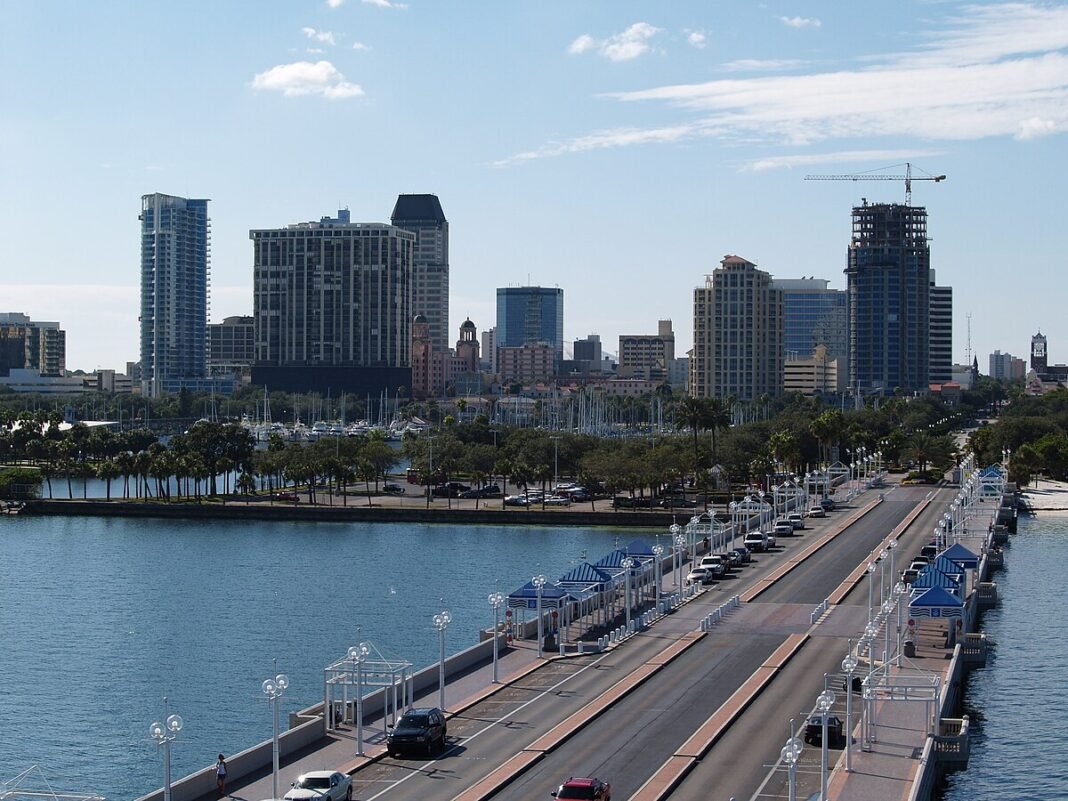
St. Petersburg (known locally as “St. Pete”) has transformed from a retiree haven into one of the most desirable mid-size cities in Florida for young professionals, artists, and families over the past 15 years. The Central Arts District — anchored by the Salvador Dali Museum (the largest collection of Dali works outside Europe), the Museum of Fine Arts, and the Morean Arts Center — gives St. Pete an artistic identity that feels rooted rather than recently manufactured.
Downtown St. Pete’s walkability is exceptional by Florida standards — the Beach Drive corridor, the Central Avenue restaurants and bars, and the waterfront of Vinoy Park and North Shore create a pedestrian-friendly experience that most Florida cities can’t match. Housing in the most sought-after neighborhoods (Old Northeast, Historic Kenwood, Crescent Lake) runs $450,000–$650,000 for historic bungalows and craftsman homes — expensive for Florida, but justifiable given the walkability, beach access, and character.
3. Jacksonville — Florida’s Underrated Northern City
Jacksonville is the largest city by land area in the contiguous United States — covering 747 square miles after a 1968 city-county consolidation — and its sheer size disguises both its diversity and its quality-of-life advantages. Median home prices around $300,000–$350,000 make it the most affordable major Florida metro, and the city’s concentration of financial services (Bank of America, Fidelity, Deutsche Bank, and Merrill Lynch all run significant Jacksonville operations — the city is sometimes called “Wall Street South”), healthcare (Mayo Clinic’s main Florida campus sits here), and military (three major installations) delivers real employment stability.

The St. Johns River, which flows through Jacksonville’s urban core, gives the city a waterfront character that Miami’s Biscayne Bay and Tampa’s Hillsborough River don’t quite replicate — the river runs nearly 3 miles wide near here, an urban scale that lands as genuinely impressive in person. The Riverside and Avondale neighborhoods hold the most walkable and historically interesting residential streets in the city.
4. Sarasota — The Arts City
Sarasota carries far more cultural weight than its size suggests, a city of 57,000 (metro population around 950,000). The John and Mable Ringling Museum of Art holds one of the finest collections of Baroque art in the United States alongside an extraordinary archive of circus memorabilia from John Ringling’s Ringling Bros. empire. The Sarasota Orchestra (founded 1949) and the Asolo Repertory Theatre (one of the most respected regional theaters in the country) ground a performing-arts scene that rivals much larger Florida cities.

Siesta Key Beach — a mile of powdery white quartz sand a short drive from downtown Sarasota — was named the best beach in the United States in the 2025 Tripadvisor Travelers’ Choice rankings, and the 99-percent-quartz sand famously stays cool underfoot. The Sarasota lifestyle pairs real cultural depth, the best food and wine scene in Southwest Florida, and world-class beach access in a compact city that has neither Miami’s intensity nor Tampa’s sprawl.
5. Gainesville — Florida’s Best College Town
Gainesville is home to the University of Florida (55,000+ students, consistently ranked among the top public universities in the country) and reads like a true college town — intellectually engaged, relatively affordable by Florida standards, with a cultural and entertainment scene disproportionately rich for its size. The University of Florida Health hospital system makes Gainesville one of the most significant healthcare employment centers in the state, an anchor that steadies the local economy beyond the university payroll itself.
Housing in Gainesville averages $250,000–$310,000 for single-family homes — among the most affordable of any city that still offers genuine Florida climate and quality of life. The trade-off is a smaller commercial economy than the big metros and the occasionally overwhelming way University of Florida culture saturates every corner of local life.
Making Your Decision
Choosing where to live in Florida in 2026 comes down to honestly matching your priorities with what each city and community delivers. Budget, career opportunities, access to outdoor recreation, climate preferences, and community character all weigh differently depending on your life stage and values — and no ranking can substitute for that personal assessment. The cities profiled in this guide represent the strongest overall options, but Florida in 2026 also has smaller communities that offer compelling alternatives for anyone willing to trade urban convenience for affordability, quieter living, or closer access to natural landscapes. If you can, spend at least a long weekend in your shortlisted towns before committing — the practical factors matter enormously, but so does the less quantifiable sense of whether a place simply feels right for where you are in life.
Frequently Asked Questions
Why is Tampa considered Florida’s best overall city in 2026?
Tampa has emerged from the shadow of its more glamorous Florida neighbors to claim a position at or near the top of nearly every “best places to live in Florida” ranking — and the elevation is deserved. A diverse economy (finance, healthcare, technology, defense, shipping, tourism), housing costs that remain below Miami and Southwest Florida, a revitalized urban core, and direct access to some of the best beaches in the United States (St. Pete Beach and Clearwater) make Tampa the most compelling overall value among Florida’s major cities. The Tampa Bay area has been one of the fastest-growing tech hubs in the Southeast, with a deep healthcare employment base (Tampa General Hospital, Moffitt Cancer Center, BayCare) that holds steady through economic cycles. Median home prices around $370,000–$420,000 are elevated from 2019 levels but still undercut comparable California or Northeast metros. The Ybor City historic district — built by Cuban cigar factory workers in the 1880s — gives Tampa a depth of history that most Florida cities lack.
What makes St. Petersburg a top choice for young professionals and artists?
St. Petersburg has transformed from a retiree haven into one of the most desirable mid-size cities in Florida for young professionals, artists, and families over the past 15 years. The Central Arts District — anchored by the Salvador Dali Museum (the largest Dali collection outside Europe), the Museum of Fine Arts, and the Morean Arts Center — gives St. Pete an artistic identity that feels rooted rather than recently manufactured. Downtown St. Pete’s walkability is exceptional by Florida standards: the Beach Drive corridor, Central Avenue restaurants and bars, and the waterfront of Vinoy Park and North Shore create a pedestrian-friendly experience that most Florida cities can’t match. Housing in the most sought-after neighborhoods (Old Northeast, Historic Kenwood, Crescent Lake) runs $450,000–$650,000 for historic bungalows and craftsman homes.
Why is Jacksonville Florida’s most affordable major city option?
Jacksonville is the largest city by land area in the contiguous United States — 747 square miles after the 1968 city-county consolidation — and its size disguises both its diversity and its quality-of-life advantages. Median home prices around $300,000–$350,000 make it the most affordable major Florida metro. The city’s concentration of financial services (Bank of America, Fidelity, Deutsche Bank, and Merrill Lynch all run significant operations here — Jacksonville is sometimes called "Wall Street South"), healthcare (Mayo Clinic’s main Florida campus), and three major military installations delivers real employment stability. The St. Johns River flows through Jacksonville’s urban core at nearly 3 miles wide — a scale of waterfront urbanism that lands as genuinely impressive. The Riverside and Avondale neighborhoods hold the most walkable and historically interesting residential streets.
What does Sarasota offer for arts-focused Florida residents?
Sarasota carries far more cultural weight than its size suggests, for a city of 57,000. The John and Mable Ringling Museum of Art holds one of the finest collections of Baroque art in the United States alongside an extraordinary circus memorabilia archive. The Sarasota Orchestra (founded 1949) and the Asolo Repertory Theatre (one of the most respected regional theaters in the country) ground a performing-arts scene that rivals much larger Florida cities. Siesta Key Beach — a mile of powdery white quartz sand near downtown Sarasota — was named the best beach in the United States in the 2025 Tripadvisor rankings. Add the best food and wine scene in Southwest Florida and a compact, manageable footprint — no Miami intensity, no Tampa sprawl.
How does Gainesville compare as a college-town alternative in Florida?
Gainesville is home to the University of Florida (55,000+ students, consistently ranked among the top public universities in the country) and reads like a true college town — intellectually engaged, relatively affordable by Florida standards, with a cultural and entertainment scene disproportionately rich for its size. The University of Florida Health hospital system makes Gainesville one of the most significant healthcare employment centers in the state, steadying the local economy beyond the university payroll itself. Housing averages $250,000–$310,000 for single-family homes — among the most affordable of any city that still offers genuine Florida climate and quality of life. The trade-off is a smaller commercial economy than the major metros, and the way University of Florida culture saturates every corner of local life.