

Moving to Arkansas: What You Need to Know Before You Relocate
Arkansas is drawing a quiet but steady wave of domestic migrants – people who weighed their cost of living, their housing situation, and their lifestyle priorities and concluded that the Natural State offers a better equation than wherever they currently live. Remote workers escaping California or Seattle housing markets, retirees stretching Social Security dollars, young families who want homeownership and outdoor access without a 30-year mortgage that crowds out everything else – these are the people who have been discovering Arkansas over the past five years.

Relocating to Arkansas still rewards honest preparation. The state suits the right person beautifully and frustrates the wrong one just as thoroughly. Here is what you actually need to know.
The Job Market: Strengths and Limitations
A relatively small number of large employers and industries anchor the Arkansas job market. Grasping that concentration matters before you relocate for work rather than for remote employment or retirement.

Walmart and the supplier ecosystem: The Walmart effect on the Northwest Arkansas economy is hard to overstate. Because the company’s headquarters sit in Bentonville, its major suppliers – nearly every significant consumer goods company in the world – keep buyer teams nearby. That pulls an unusual density of white-collar, well-paid corporate jobs into the Rogers-Bentonville-Springdale corridor, far more than a metro this size would normally support. Anyone with a corporate, logistics, retail, or supply chain background will find real career opportunities here at nationally competitive pay. Tyson Foods (Springdale) and J.B. Hunt (Lowell) add two more Fortune 500 headquarters to the same compact region.
Healthcare: The University of Arkansas for Medical Sciences (UAMS) in Little Rock, Arkansas Children’s Hospital, and the Washington Regional Medical System in Fayetteville form the state’s healthcare backbone. Healthcare is the most consistently growing employment sector in Arkansas, and the physician and specialist shortage across rural counties keeps demand high for qualified practitioners.
Government and education: State government in Little Rock, the University of Arkansas system, and a network of regional universities – the University of Central Arkansas in Conway, Arkansas State University in Jonesboro – provide stable public-sector work that pays competitively against local living costs.
Manufacturing: Arkansas keeps a meaningful manufacturing base in food processing, paper and wood products, and general manufacturing, clustered around Fort Smith, Jonesboro, and smaller industrial centers. These jobs offer steady employment, though they remain more exposed to economic cycles and automation than service-sector roles.

Practical Relocation Requirements
Driver’s license: New Arkansas residents must obtain an Arkansas driver’s license within 30 days of establishing residency. Bring your out-of-state license, proof of Social Security number, proof of Arkansas residency (a utility bill, lease, or bank statement), and proof of lawful presence to an Arkansas Office of Driver Services. A vision screening is required at the office.
Vehicle registration: Vehicles must be registered in Arkansas within 30 days. Registration costs vary by vehicle weight and age. Separately, Arkansas charges an annual personal property tax on vehicles, assessed by your county. This is an ongoing yearly cost – not a one-time registration fee – and it catches many newcomers from states without personal property taxes off guard.
Personal property tax: Arkansas taxes vehicles, boats, and certain other personal property every year. Here is how the math actually works: the county assesses your property at 20% of its market value, then applies the local millage rate. A $30,000 vehicle is assessed at $6,000; at a typical Arkansas millage of roughly 50 mills, that comes to about $300 a year, with the exact figure varying by county. Budget for it when you calculate the full cost of owning a vehicle in the state.
Homestead exemption: Owner-occupied primary residences qualify for an annual property tax credit, raised to $600 beginning with 2026 tax bills. File with your county assessor in the first year of ownership to claim it.
The Culture: Honest Assessment
Arkansas is a deeply Southern, largely rural state, and its prevailing social character reflects that. Step outside Fayetteville, Little Rock’s Hillcrest and Heights neighborhoods, and the college towns, and the pace shifts. Anyone arriving from a major coastal metro will notice a different rhythm of life and a tighter-knit community texture – not lesser, just unfamiliar.
The upside is easy to feel. Arkansas communities lean toward hospitality, low pretension, and neighborliness, with a connection to land, food, and the outdoors that many newcomers find restorative. The trade-off – mentioned privately more often than publicly – is narrower social diversity across most of the state, fewer of certain cultural experiences, and a healthcare landscape shaped by the state’s broader infrastructure gaps.
Outdoor Access: The Genuine Draw
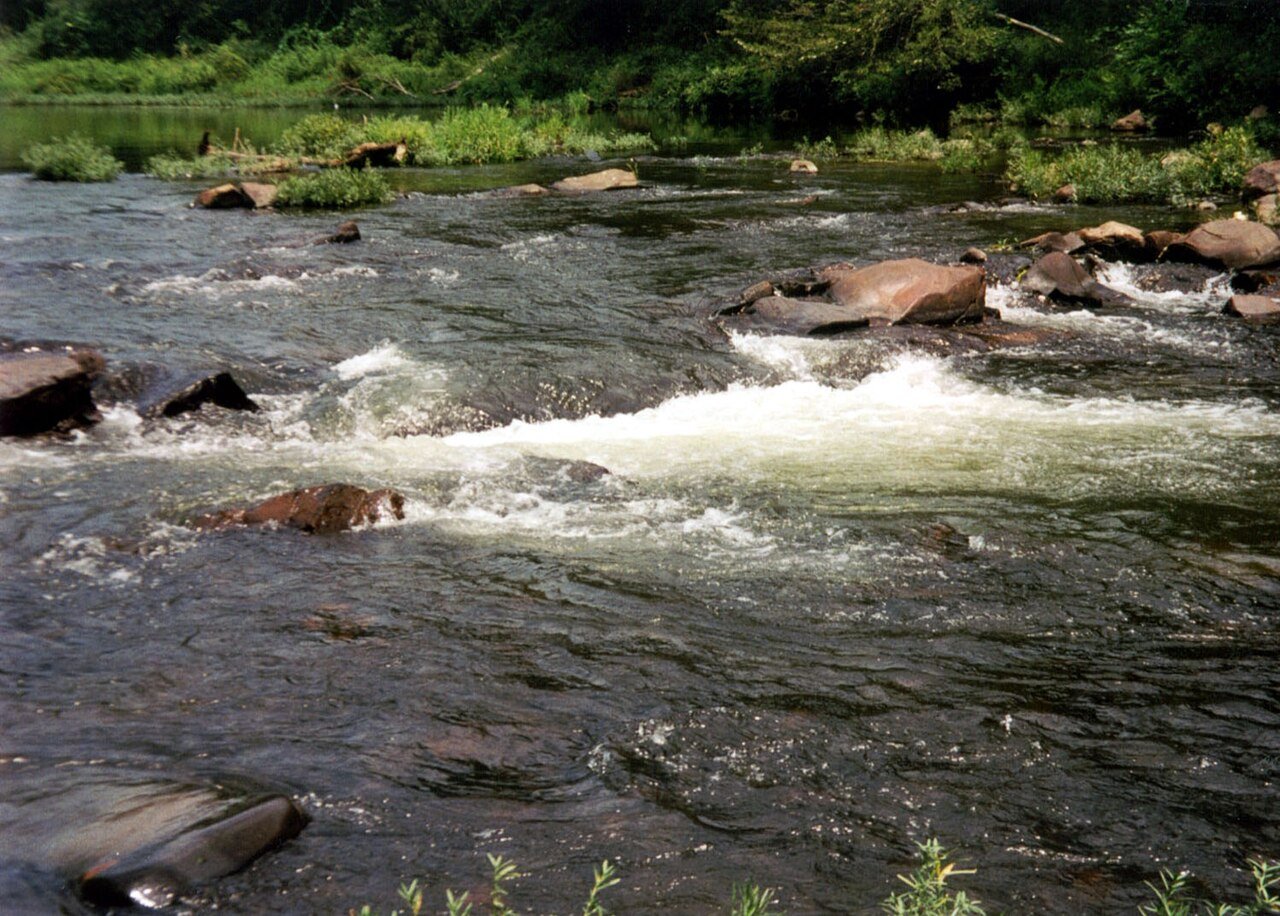
Outdoor recreation may be Arkansas’s most underrated asset. The Ozark and Ouachita national forests together protect nearly 3 million acres. The Buffalo National River, the Cossatot River, and the Illinois Bayou cover the full range of paddling, from gentle family floats to serious Class IV-V whitewater. The Ouachita Trail (223 miles), the Ozark Highlands Trail (roughly 165 miles), and the mountain bike network around Northwest Arkansas hand serious outdoor enthusiasts more terrain than a lifetime of weekends could exhaust.
For anyone who has been paying coastal prices for limited access – elbow-to-elbow trails in overrun parks, $30 parking fees, permit lotteries for crowded wilderness – the swap to Arkansas’s open, reachable, and flat-out beautiful backcountry tends to be the most pleasant surprise of the move.
What People Love Most After Moving to Arkansas
Ask the people who relocated to Arkansas deliberately – rather than for family or a relationship – and the same themes surface: financial breathing room from lower housing costs, a sense of space and quiet that no amount of money buys in a major coastal metro, outdoor recreation that costs little to reach, and the smaller-city character that leans toward neighborliness over the transactional anonymity of big urban life.
The people who struggle tend to be those who moved chiefly to save money without building any real fondness for what Arkansas offers – and who find that the things they left behind (a specific restaurant scene, cultural density, professional networking) weigh more than the spreadsheet suggested. Relocating to Arkansas works best as a move toward something, not merely away from somewhere expensive.
Frequently Asked Questions
What is the job market like in Arkansas for new residents?
Arkansas’s job market is anchored by a small number of large employers. The most significant is the Walmart effect in Northwest Arkansas – Walmart’s Bentonville headquarters draws major global consumer goods companies to keep buyer teams in the Rogers-Bentonville-Springdale corridor, creating nationally competitive corporate pay that is unusual for a metro its size. Tyson Foods (Springdale) and J.B. Hunt (Lowell) add two more Fortune 500 headquarters to the region. Healthcare is the most consistently growing sector: UAMS in Little Rock, Arkansas Children’s Hospital, and Washington Regional Medical in Fayetteville are the main anchors. Manufacturing (food processing, paper and wood products) is concentrated in Fort Smith and Jonesboro. State government and the University of Arkansas system provide stable public-sector employment relative to local costs.
What are Arkansas’s unique vehicle and property taxes?
Arkansas has two vehicle costs that surprise newcomers: (1) registration within 30 days of establishing residency, and (2) an annual personal property tax on vehicles. The tax works in two steps – the county assesses the vehicle at 20% of market value, then applies the local millage rate. A $30,000 vehicle is assessed at $6,000; at a typical Arkansas rate of roughly 50 mills, that is about $300 a year, varying by county, on top of registration fees. A driver’s license must also be obtained within 30 days; bring your Social Security card, proof of residency, proof of lawful presence, and expect a vision screening at the Office of Driver Services. Homestead exemption: an annual property tax credit of up to $600 (raised for 2026 tax bills) on owner-occupied primary residences – file with your county assessor in your first year of ownership.
What is the outdoor recreation like in Arkansas?
Arkansas’s outdoor scene is the state’s most underrated asset. The Ozark and Ouachita National Forests together protect nearly 3 million acres. The Buffalo National River (the first national river designated in the US) offers premier float trips; the Cossatot River provides Class IV-V whitewater for experienced paddlers. The Ouachita Trail runs 223 miles; the Ozark Highlands Trail covers roughly 165 miles. Northwest Arkansas has developed one of the most extensive mountain bike trail networks in the South. Bentonville’s Crystal Bridges Museum of American Art is an internationally recognized cultural institution in a city whose outdoor trail network is a national model for trail-based community development.
What is Arkansas’s cultural environment like for transplants?
Arkansas is a deeply Southern, predominantly rural state. Outside Fayetteville, Little Rock’s Hillcrest and Heights neighborhoods, and the college towns, the social environment reflects that. The upside is real: communities lean toward hospitality, low pretension, and neighborliness, with a strong connection to land, food, and outdoor life that many transplants find refreshing. Neighbors introduce themselves; commerce stays unhurried; community ties feel more visible. The honest trade-off: social diversity is narrower than in major coastal metros, and specific cultural experiences and professional networking are more constrained by the state’s smaller economy and population.
Who does Arkansas work best for and who struggles?
Arkansas works best for people making a deliberate move toward something specific: outdoor access at a fraction of Western prices, homeownership on a normal income, the Walmart and corporate ecosystem in Northwest Arkansas, or a quieter lifestyle that leaves financial and psychological room to breathe. Remote workers escaping California or Seattle housing, retirees stretching fixed incomes, and young families who want homeownership without crushing mortgage debt are the most common successful relocators. Those who struggle are typically people who moved mainly for cost savings without real fondness for what Arkansas offers, and who find that the things they gave up – restaurant density, cultural diversity, specific professional networking – mattered more than the spreadsheet suggested.