Canada’s most famous destinations — Banff’s turquoise lakes, Niagara Falls, the streets of Old Quebec, the totem poles of the Pacific Northwest — attract millions of visitors each year and deserve every bit of that attention. But a country the size of Canada contains multitudes, and the well-known tourist trail covers only the thinnest sliver of what’s actually there. The places described here require a bit more effort — a longer drive, a ferry ride, a willingness to go further — but they reward that effort with landscapes, cultures, and experiences that most visitors never encounter. This is Canada beyond the postcard.
Haida Gwaii, British Columbia
Haida Gwaii (formerly the Queen Charlotte Islands) is an archipelago off the northern coast of British Columbia — remote, wild, ecologically rich, and among the most culturally significant places in Canada. It’s the ancestral homeland of the Haida Nation, whose art tradition — monumental totem poles, ocean-going canoes, longhouses, and the copper shield art of the master carvers — is one of the great artistic achievements of the pre-Columbian world. The abandoned Haida village of Ninstints (SGang Gwaay) on Anthony Island, accessible only by boat, is a UNESCO World Heritage Site: its totem poles slowly returning to the forest floor after more than a century of abandonment, in a deliberate act of cultural philosophy (the Haida believe the poles should return to the earth). The wildlife is remarkable too — the Haida Gwaii black bear is a subspecies found nowhere else on earth; the old-growth forests (Sitka spruce up to 1,000 years old) on Gwaii Haanas National Park Reserve are among the largest old-growth temperate rainforest stands remaining in the world. Getting there: flights from Vancouver to Masset or Sandspit, or BC Ferries from Prince Rupert.
Newfoundland and Labrador: The Edge of the World
Newfoundland — “the Rock” to its inhabitants — has a culture so distinct from the rest of Canada that it sometimes seems like a different country. The island only joined Confederation in 1949, and the Newfoundland accent, dialect, and sense of humour remain entirely its own. St. John’s, the provincial capital, is a city of brightly painted Victorian rowhouses on a harbour that has been a major port since the 1500s — one of the oldest cities in North America. Signal Hill, above the harbour, is where Marconi received the first transatlantic wireless signal in 1901. The East Coast Trail (336km along the Avalon Peninsula coast) ranks among the finest coastal walks in North America, with sea stacks, puffin colonies, and iceberg sightings from shore. Gros Morne National Park (UNESCO World Heritage) in western Newfoundland has a landscape that exposes the earth’s geological history in its most dramatic form: the Tablelands fjord (where ancient mantle rocks have been pushed to the surface) and Western Brook Pond (a landlocked fjord 16km long with vertical walls up to 600m high) are both unforgettable. Get there by ferry from North Sydney, Nova Scotia, to Port aux Basques (7 hours).

Tofino, British Columbia: Storm-Watching Paradise
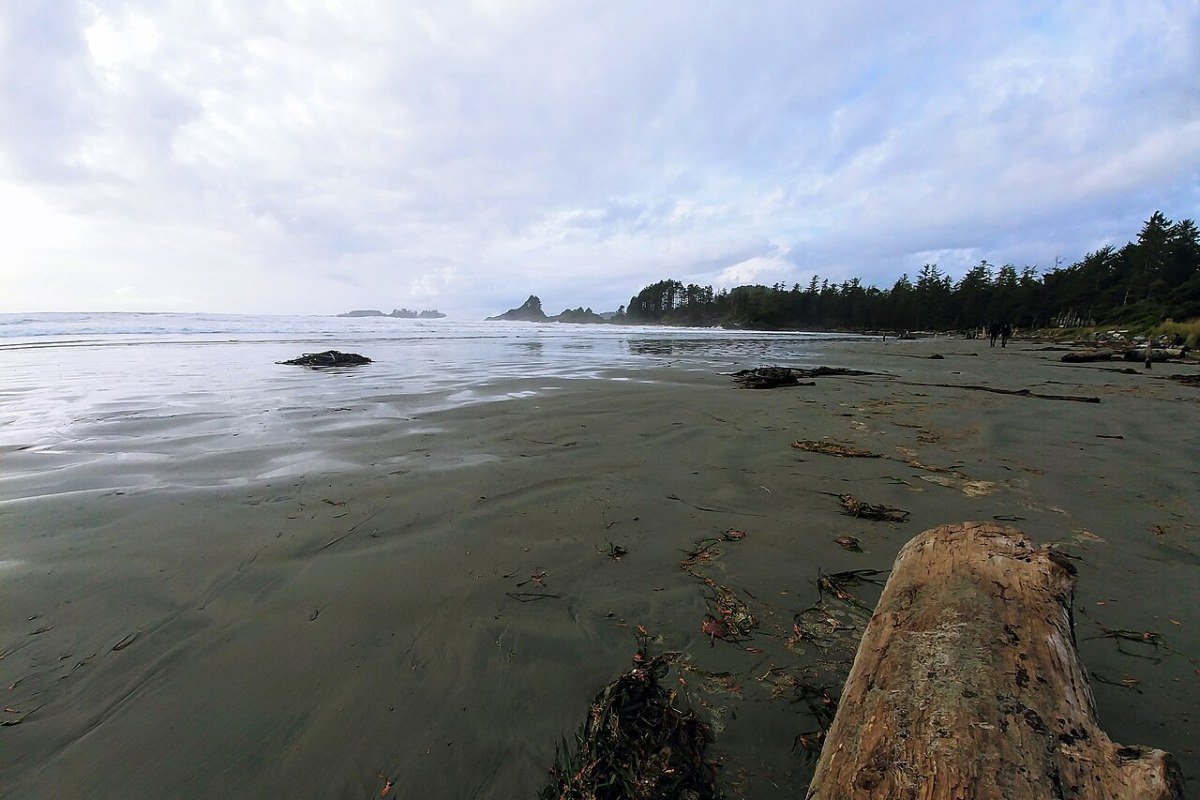
Tofino sits at the western tip of Vancouver Island, where the Pacific Ocean delivers its full force against a coastline of old-growth rainforest and long sandy beaches. It has become better known in recent years — deservedly so — but still feels like the edge of something wild. In summer, Long Beach in Pacific Rim National Park Reserve provides the best surfing in Canada; the whale-watching season (March–October) brings grey whales and, occasionally, humpbacks close to shore. But the true Tofino revelation is winter: from November to March, the Pacific storm season drives waves of up to six metres against the headlands with an intensity visible (and audible) from hotel rooms. Storm-watching packages at Tofino’s excellent resort lodges (Wickaninnish Inn being the most celebrated) are a genuine Canadian luxury experience — watching an ocean storm from a heated room with a fireplace. The food scene has become exceptional: Shelter Restaurant, Wolf in the Fog, and the Pointe Restaurant at the Wickaninnish all source local halibut, salmon, Dungeness crab, and sea urchin with real culinary ambition.
The Magdalen Islands (Îles de la Madeleine), Quebec
The Magdalen Islands are a remote archipelago of seven main islands in the Gulf of St Lawrence — connected to each other by long sand dune causeways, shaped by the sea in every aspect of life. The islands have 300 km of beaches, most of them empty, backed by red sandstone cliffs worn into sea arches and grottos. The food is superb: the Magdalen Islands produce some of the best lobster, crab, and mussels in Atlantic Canada, at prices significantly lower than Halifax or Quebec City. The population of around 12,654 is primarily Acadian French-speaking (with an anglophone minority on Grosse-Île), and the culture — fiddle music, traditional crafts, a strong fishing identity — is deeply rooted and genuinely welcoming. In late February and early March, pack ice once carried harp seal pups close to shore, and guided tours onto the floes to see them were a signature winter draw; warming winters have made the ice unreliable in recent years, and operators have scaled the excursions back, so confirm availability before planning a trip around them. Access: ferry from Souris, Prince Edward Island (5 hours), or Air Transat/Pascan Aviation from Montreal and Quebec City.
The Bay of Fundy, New Brunswick and Nova Scotia
The Bay of Fundy has the highest tidal range in the world — up to 16 metres between low and high tide in the upper bay, exposing vast mudflats twice daily and then covering them again in what amounts to a large inland sea filling and emptying on a 12-hour cycle. At Hopewell Rocks in New Brunswick, this creates a phenomenon that exists nowhere else: rock formations called “flowerpots” — columns of rock topped with vegetation and trees — that you can walk around at low tide and kayak around at high tide within the same afternoon. The tidal bore at Moncton (where the incoming Fundy tide pushes a small wave up the Petitcodiac River through the city) is one of the more unusual natural spectacles in Atlantic Canada. The Fundy Trail Parkway on the southern shore provides excellent hiking above the bay’s dramatic cliffs and beaches. The entire region is accessible from both Moncton and Amherst, and combines naturally with a Nova Scotia or Prince Edward Island itinerary.

Thunder Bay and Lake Superior, Ontario
Thunder Bay is the gateway to the remote wilderness of northwestern Ontario, and among the most underrated cities in the country. Lake Superior here is something to behold: the world’s largest freshwater lake by surface area (82,100 sq km), and by volume it holds more water than the other four Great Lakes combined — has a wild shoreline and water clear enough to see the bottom at considerable depths. The Terry Fox Memorial at the point on the Trans-Canada Highway where Fox was forced to stop his Marathon of Hope (after running 5,373 km across Canada on an artificial leg before being overtaken by cancer) is among the most moving roadside monuments in the country. Sleeping Giant Provincial Park, occupying the southern tip of the Sibley Peninsula that juts 52 km into the lake, offers superb hiking across the giant’s “body” — flat-topped diabase hills — with vertiginous cliff-edge views from the Top of the Giant trail (around 225 m above Lake Superior). The lake itself, particularly the section from Thunder Bay to Wawa along Highway 17, is among the finest stretches of driving in Canada.
Frequently Asked Questions
What makes Haida Gwaii a hidden gem in Canada?
Haida Gwaii (formerly the Queen Charlotte Islands) is a remote archipelago off the northern coast of British Columbia — one of the most culturally significant and ecologically rich places in Canada. It is the ancestral homeland of the Haida Nation, whose art tradition (monumental totem poles, ocean-going canoes, longhouses) is one of the great artistic achievements of the pre-Columbian world. The abandoned Haida village of Ninstints (SGang Gwaay) on Anthony Island, accessible only by boat, is a UNESCO World Heritage Site — its totem poles slowly returning to the forest floor in a deliberate act of Haida cultural philosophy (the poles are meant to return to the earth). The Haida Gwaii black bear is a subspecies found nowhere else on earth; the old-growth Sitka spruce forests (trees up to 1,000 years old) in Gwaii Haanas National Park Reserve are among the largest old-growth temperate rainforest stands remaining on the planet. Access: flights from Vancouver to Masset or Sandspit, or BC Ferries from Prince Rupert.
What does Newfoundland offer that most visitors miss?
Newfoundland — “the Rock” to its inhabitants — has a culture so distinct from the rest of Canada it sometimes seems like a different country: the island only joined Confederation in 1949, and the Newfoundland accent, dialect, and sense of humour remain entirely its own. St. John’s, the provincial capital, has brightly painted Victorian rowhouses on a harbour that has been a major port since the 1500s — one of the oldest cities in North America, where Marconi received the first transatlantic wireless signal in 1901. The East Coast Trail (336km along the Avalon Peninsula coast) ranks among the finest coastal walks in North America, with sea stacks, puffin colonies, and iceberg sightings from shore. Gros Morne National Park (UNESCO World Heritage) has the Tablelands fjord (where ancient mantle rocks have been pushed to the surface) and Western Brook Pond (a landlocked fjord 16km long with vertical walls up to 600m high) — two of the most remarkable geological landscapes on earth. Access: Marine Atlantic ferry from North Sydney, Nova Scotia (7 hours), or direct flights to St. John’s from Toronto and Halifax.
What makes Tofino, British Columbia, a unique destination?
Tofino sits at the western tip of Vancouver Island, where the Pacific Ocean delivers its full force against a coastline of old-growth rainforest and long sandy beaches. In summer, Long Beach in Pacific Rim National Park Reserve provides the best surfing in Canada and whale watching (March–October) brings grey whales and occasionally humpbacks close to shore. But the real Tofino revelation is winter: from November to March, the Pacific storm season drives waves of up to six metres against the headlands with an intensity visible from hotel rooms. Storm-watching packages at Tofino’s resort lodges — the Wickaninnish Inn being the most celebrated — are a genuine Canadian luxury experience: watching an ocean storm from a heated room with a fireplace. The food scene has become exceptional, with Shelter Restaurant, Wolf in the Fog, and the Pointe Restaurant at the Wickaninnish all sourcing local halibut, salmon, Dungeness crab, and sea urchin with real culinary ambition.
What are the Magdalen Islands and why should visitors go?
The Magdalen Islands (Îles de la Madeleine) are a remote archipelago of seven main islands in the Gulf of St Lawrence, connected to each other by long sand dune causeways. The islands have 300 kilometres of beaches, most empty, backed by red sandstone cliffs worn into sea arches and grottos. The food is superb — some of the best lobster, crab, and mussels in Atlantic Canada at prices significantly below Halifax or Quebec City. The population of around 12,654 is primarily Acadian French-speaking, and the culture (fiddle music, traditional crafts, strong fishing identity) is deeply rooted and genuinely welcoming. In late February and early March, pack ice once carried harp seal pups close to shore and guided tours onto the floes were a signature winter draw, but warming winters have made the ice unreliable and operators have scaled the trips back, so confirm availability before relying on them. Access: ferry from Souris, Prince Edward Island (5 hours), or direct flights from Montreal and Quebec City.
What other underrated Canadian destinations should visitors consider?
The Bay of Fundy (New Brunswick and Nova Scotia) has the world’s highest tidal range — up to 16 metres — creating the extraordinary Hopewell Rocks, where flowerpot rock formations can be walked around at low tide and kayaked around at high tide within the same afternoon. Thunder Bay and Lake Superior, Ontario, offer the world’s largest freshwater lake by surface area (82,100 sq km) with a wild shoreline, the deeply moving Terry Fox Memorial at the point where his Marathon of Hope was forced to stop, and Sleeping Giant Provincial Park on the Sibley Peninsula with the Top of the Giant trail roughly 225 m above the lake. The Okanagan Valley in British Columbia — Canada’s wine country — has excellent wineries, fruit orchards, and Okanagan Lake between desert hills and pine forests. Churchill, Manitoba, on the western shore of Hudson Bay, offers polar bear viewing in October–November, Northern Lights in winter, and beluga whale watching in summer.