.jpg?width=1200)
Best Places to Live in Michigan 2026: Detroit Metro to Northern Michigan
Michigan‘s residential landscape splits into three distinct zones. The Detroit metropolitan area holds most of the state’s jobs and people. The university towns of Ann Arbor and East Lansing run on their own demand logic, largely insulated from the wider state economy. And the northern resort corridor draws residents who weigh lifestyle and scenery above any commute. Each zone carries its own trade-offs between cost, job access, and quality of life — and the right choice comes down to what a household actually values.
1. Ann Arbor — Michigan’s Premier City
Ann Arbor lands on nearly every list of the best places to live in the Midwest, and the reasons are easy to see: a walkable, forward-leaning college town that pairs the resources of a major research institution (the University of Michigan is one of the top public universities anywhere) with a serious dining and arts culture, deep cycling infrastructure, and an innovation economy that has spread well beyond campus into biotechnology, software, and autonomous-vehicle work — Waymo, May Mobility, and a cluster of automotive-tech startups all keep offices here. The center of town, anchored by Liberty and Main Streets, the Michigan Theater, a tight pack of excellent restaurants, independent bookstores, and the Saturday farmers market at Kerrytown, delivers genuine city texture in a place of roughly 123,000 people.
The university’s medical complex (Michigan Medicine), its football culture (Michigan Stadium seats 107,601 — the largest stadium in the country — and autumn Saturdays remake the entire city), and its sprawling research apparatus anchor a permanent base of high-income employment that holds the town’s amenities steady through downturns that hit the rest of the state harder. Median home prices of $380,000–$550,000 run the highest in Michigan yet sit far below what comparable college towns on the coasts command. Burns Park, Kerrytown, and the Old West Side offer the most strollable residential pockets; the blocks near the medical campus draw healthcare professionals who want to walk to work.
2. Birmingham — The Detroit Metro’s Best Suburb
Birmingham sits in Oakland County, 20 miles north of Detroit along Woodward Avenue, and it reads less like a typical suburb than like a small city center transplanted into the metro. A community of about 20,000, it built a walkable core where the Woodward corridor packs in independent restaurants, art galleries, specialty shops, and the boutique hotels that turned the town into a dining magnet for the whole region. The Sunday farmers market, the Birmingham Museum, and the steady run of events at Shain Park give the place real civic life beyond commerce.
Its residential streets — grid-laid blocks of Craftsman bungalows, Colonial Revivals, and mid-century homes under a mature tree canopy — show an architectural depth the postwar ranch subdivisions farther out simply can’t match. Prices of $450,000–$700,000 for single-family houses reflect the premium buyers pay for walkability, schools (Birmingham City Schools ranks among the strongest public districts in the state), and a town that has kept its character through every Michigan boom and bust. For the metro’s professional class, Birmingham is the clear quality-of-life pick when the budget stretches that far.
3. Royal Oak — Urban Value in Oakland County
Royal Oak, just south of Birmingham on Woodward Avenue, delivers a more attainable take on the same idea — a city of roughly 58,000 with a lively core along Main Street and Washington Avenue, holding a comparable spread of restaurants, bars, music venues, and independent shops at prices 20–30% under its neighbor’s. The Royal Oak Music Theatre books national touring acts; the Saturday farmers market gives the city a weekly gathering point; and its grid of bungalows and capes runs $280,000–$480,000 — far more reachable than Birmingham while keeping much of the same appeal.
The crowd here skews younger than Birmingham’s. Detroit-area millennials have flocked to it for walkable living without big-city taxes, and the bar and dining scene runs on that energy. Ferndale, immediately east, offers a similar feel at slightly lower prices and with an especially strong independent food culture. For buyers entering the metro market who want walkability they can afford, Royal Oak and Ferndale are the standout values in Oakland County.

4. Midtown Detroit — Urban Rebirth
Midtown — the district built around the Detroit Institute of Arts, Wayne State University, and the Detroit Medical Center — has reinvented its housing stock more thoroughly than any neighborhood in the city over the past decade. Along Woodward Avenue, Detroit’s main north-south spine, the stretch managed by Midtown Detroit Inc. now holds a run of restaurants, coffee shops, and retail that didn’t exist fifteen years ago. Restored apartment buildings (many of them 1920s and 1930s Art Deco) and new mixed-use construction have produced a rental market that pulls in Wayne State graduate students, medical residents, artists, and young professionals chasing the Detroit experience at a fraction of any coastal rent.
Ownership runs cheaper still. The Victorian side streets of Cass Corridor, the historic New Center area to the north, and the Charlotte and Prentis corridors hold detached houses in the $150,000–$350,000 range — among the most affordable city homeownership in any major American market. The catch is real and deserves honest weighing: revitalization that hasn’t reached every block, the emotional weight of living somewhere still climbing back from decades of disinvestment, and the Detroit Public Schools picture for families with kids. Still, for anyone whose job sits in the Wayne State, medical-center, or downtown corridor and who wants to trade commuting for proximity, Midtown is the most compelling value in the state.
5. Traverse City — Northern Michigan’s Capital
Traverse City has become one of the Midwest’s most coveted small towns for remote workers, retirees, and anyone who puts setting ahead of commute. A community of 15,000 at the foot of Grand Traverse Bay, it has amassed cultural and culinary firepower well out of scale with its size — the National Writers Series, the Traverse City Film Festival, a kitchen scene built by chefs who moved north to cook with local produce, and farmers markets backed by a community of serious growers. Year-round, the recreation is hard to beat: skiing at Crystal Mountain (45 minutes south) and Boyne Highlands (90 minutes north), sailing the bay, riding the TART Trail network, and touring wineries on the Leelanau and Old Mission peninsulas.
Median home prices of $350,000–$600,000 — with waterfront reaching past $1 million — reflect the resort premium and the remote-work migration that took off after 2020. The downsides are concrete: winters are long (lake-effect snow piles up well over 100 inches a year), summer tourist traffic can choke the place, and outside the regional hospital, the local job pool runs mostly to tourism and retail. But for a household with income that travels, Traverse City packs a four-season outdoor life and real cultural depth into one of the Midwest’s most appealing small towns.
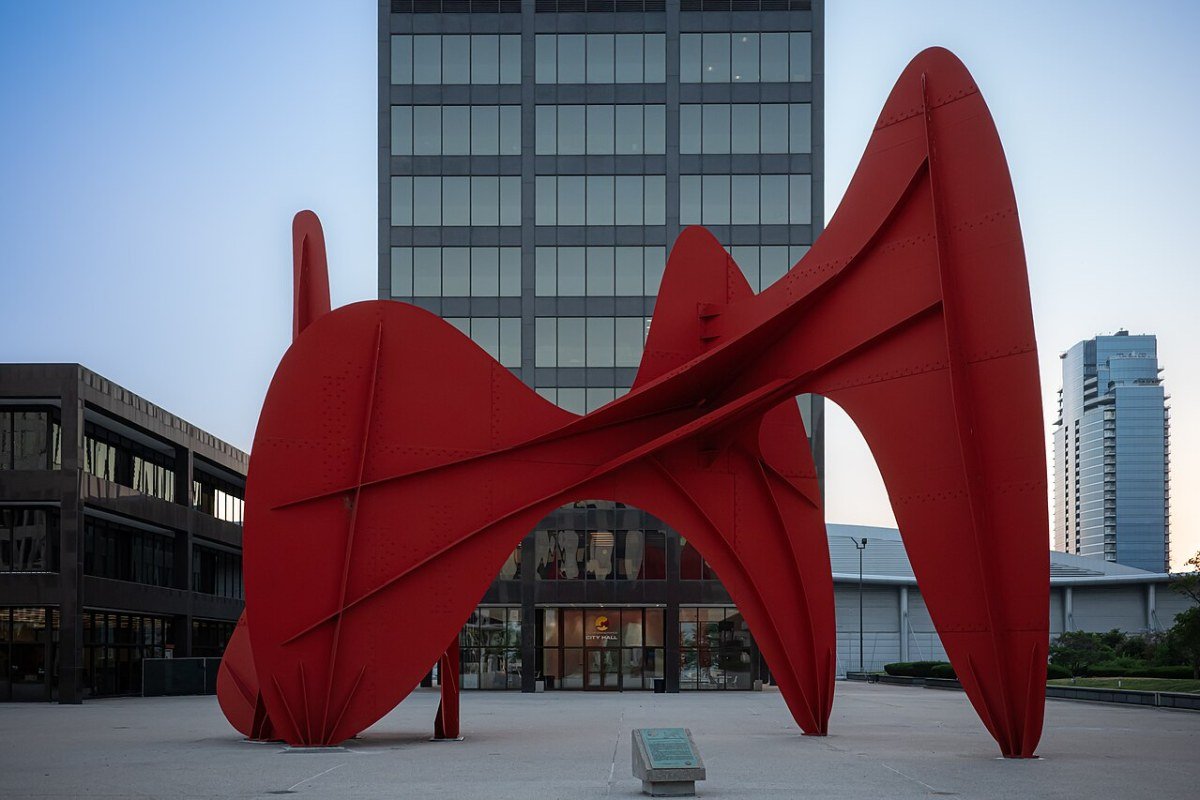
6. Grand Rapids — West Michigan’s Rising City
Grand Rapids, the state’s second-largest city at 200,000 residents over on the west side, has quietly turned into one of the Midwest’s most underrated places — home to a world-class art museum (the Grand Rapids Art Museum, whose 2007 building was the first in the world to earn LEED Gold certification), a craft-beer culture that ranks it year after year among the country’s top brewing cities (Founders Brewing Company, Brewery Vivant, and Mitten Brewing are among the state’s best-known names), a dining scene growing around the Fulton Street Farmers Market, and a downtown reshaped by the “medical mile” of research hospitals along Michigan Street. Median prices of $240,000–$380,000 in the city proper and $280,000–$450,000 in nearby East Grand Rapids, Forest Hills, and Ada strike the best balance of city amenities and affordability anywhere in western Michigan.
Frequently Asked Questions
What makes Ann Arbor one of the best places to live in the Midwest?
Ann Arbor lands on nearly every Midwest “best places to live” list — a walkable, forward-leaning college town that pairs the University of Michigan (one of the top public universities anywhere) with a serious dining and arts culture, deep cycling infrastructure, and an innovation economy that has spread into biotechnology, software, and autonomous-vehicle work. Waymo, May Mobility, and several automotive-tech startups keep offices here. The center of town — Liberty and Main Streets, the Michigan Theater, independent bookstores, and the Saturday farmers market at Kerrytown — gives a place of roughly 123,000 people genuine city texture. Michigan Stadium seats 107,601 (the largest stadium in the country), and the university’s medical complex, Michigan Medicine, anchors a permanent base of high-income jobs. Median home prices of $380,000–$550,000 are the highest in Michigan but sit far below comparable college towns on the coasts.
What makes Birmingham the Detroit metro’s most desirable suburb?
Birmingham sits in Oakland County, 20 miles north of Detroit on Woodward Avenue, and reads more like a small city center than a typical suburb — a community of about 20,000 with a walkable core. The Woodward corridor packs in independent restaurants, art galleries, specialty shops, and boutique hotels that turned the town into a dining magnet for the whole metro. Birmingham City Schools ranks among the strongest public districts in the state. Residential streets of Craftsman bungalows, Colonial Revivals, and mid-century homes under a mature tree canopy show an architectural depth the postwar subdivisions farther out can’t match. Prices of $450,000–$700,000 for single-family houses reflect the premium for walkability, schools, and a town that has held its character through every Michigan boom and bust.
What makes Traverse City one of the most in-demand small cities for remote workers in the Midwest?
Traverse City has become one of the most coveted small towns in the Midwest for remote workers, retirees, and lifestyle-driven movers. A community of 15,000 at the foot of Grand Traverse Bay, it has amassed cultural and culinary firepower out of scale with its size — the National Writers Series, the Traverse City Film Festival, a nationally recognized kitchen scene built by chefs who moved north for local produce, and well-stocked farmers markets. Year-round recreation includes skiing at Crystal Mountain (45 minutes south) and Boyne Highlands (90 minutes north), sailing on Grand Traverse Bay, riding the TART Trail network, and touring wineries on the Leelanau and Old Mission peninsulas. Median home prices of $350,000–$600,000 reflect the resort premium and remote-work migration. The main downsides: well over 100 inches of lake-effect snow a year and a local job pool limited mostly to tourism, healthcare, and retail.
What does Midtown Detroit offer for urban living at affordable prices?
Midtown — the district around the Detroit Institute of Arts, Wayne State University, and the Detroit Medical Center — has reinvented its housing stock more thoroughly than any Detroit neighborhood over the past decade. The Woodward Avenue corridor now holds restaurants, coffee shops, and retail that didn’t exist fifteen years ago. Restored 1920s and 1930s Art Deco apartment buildings, plus new mixed-use construction, draw Wayne State graduate students, medical residents, artists, and young professionals. Buying on the Victorian side streets of Cass Corridor, in New Center, or along the Charlotte and Prentis corridors means detached houses in the $150,000–$350,000 range — among the most affordable city homeownership in any major American market. The Detroit Institute of Arts, holding one of the most significant collections in the country, anchors the neighborhood’s cultural identity.
What does Grand Rapids offer as Michigan’s second-largest city?
Grand Rapids, the state’s second-largest city at 200,000 residents on its west side, has turned into one of the Midwest’s most underrated places. The Grand Rapids Art Museum, whose 2007 building was the first in the world to earn LEED Gold certification, headlines the cultural scene. The city’s craft-beer culture ranks it year after year among the country’s top brewing destinations — Founders Brewing Company, Brewery Vivant, and Mitten Brewing are among the state’s best-known names. A growing dining scene centers on the Fulton Street Farmers Market, and downtown’s revival runs on the “medical mile” of research hospitals along Michigan Street. Median home prices of $240,000–$380,000 in the city proper and $280,000–$450,000 in nearby East Grand Rapids, Forest Hills, and Ada strike the best balance of city amenities and affordability in western Michigan.