Canada‘s reputation as an expensive travel destination is partly deserved and partly exaggerated. Vancouver and Toronto hotel prices rival London and New York. Getting between cities without planning can be costly. Eating in upscale restaurants in any major Canadian city is not cheap. But Canada also has standout free or low-cost experiences that most budget guides skip over: national parks that are among the finest in the world, vast tracts of public Crown land where backcountry camping is free and legal, a hostel network that covers even remote destinations, and a food-truck and market culture that delivers good eating at accessible prices. Here’s how to experience Canada properly without spending a fortune.
Free and Affordable Activities: Canada’s Hidden Value
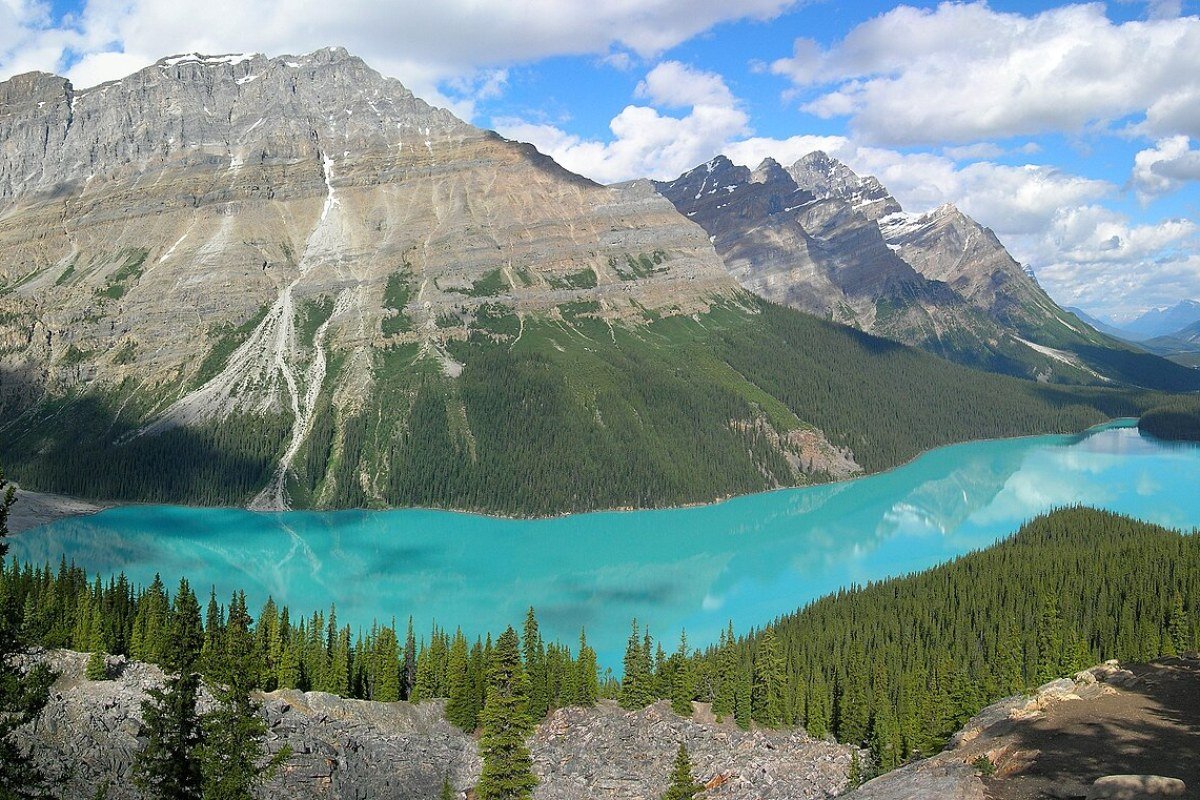
The Parks Canada Discovery Pass (CAD $83.50 per adult, $167.50 family/group per year, valid 12 months from purchase) provides entry to all national parks and 171 other Parks Canada heritage sites. For anyone visiting more than two or three national parks, it pays for itself immediately — and the parks it covers include some of the world’s finest outdoor destinations: Banff, Jasper, Pacific Rim, Cape Breton Highlands, Fundy, Gros Morne, and more. Parks Canada also offers free admission to youth under 18 — always, and through the federal Canada Strong Pass program, entry to Parks Canada places is free from 19 June to 7 September 2026.
Canadian cities are full of free museums and attractions. In the National Capital Region, the National Gallery of Canada offers free admission every Thursday from 5 to 8 p.m. (free ticket required), and the Canadian Museum of History in Gatineau is free on Thursday evenings from 5 to 7 p.m. The Royal Ontario Museum in Toronto runs Third Tuesday Nights Free — free general admission from 4 to 8:30 p.m. on the third Tuesday of every month (advance tickets required). Vancouver’s Museum of Anthropology at UBC offers half-price admission on Thursdays after 5 p.m. (Indigenous visitors and UBC students always free). Montreal’s Musée des beaux-arts is free to its permanent collection for Quebec residents on the first Sunday of every month (reservation required). In Calgary, the Glenbow Museum is closed for a major renovation (reopening targeted for 2027 in the new JR Shaw Centre for Arts & Culture) and will offer free general admission for everyone once it returns, funded by a Shaw family endowment. The entire street-art scene in cities like Montreal, Vancouver, and Toronto is free — wandering the Plateau-Mont-Royal or Vancouver’s Granville Street murals reveals world-class public art at zero cost.
Transportation: Flying Smart and the Road Alternative
Budget Flying
WestJet and Air Transat offer the most competitive fares for domestic and transatlantic routes. Flair Airlines is the surviving low-cost carrier on key corridors (Toronto–Vancouver, Calgary–Vancouver, Calgary–Toronto) after Lynx Air ceased operations in February 2024 — fares of $50–80 one-way are achievable with advance booking, though baggage and seat-selection fees add up quickly. Google Flights and the Hopper app are useful for tracking price drops and identifying the best booking windows (generally 4–8 weeks before departure for domestic flights).
VIA Rail’s Affordable Options
VIA Rail’s Escape fares offer significant discounts on regular Economy seats when booked in advance, with no changes or refunds allowed. The Quebec City–Windsor Corridor (Montreal–Ottawa–Toronto) is the most frequent and cheapest route — Montreal to Toronto Escape fares typically run $65–130 one-way booked several weeks ahead. For the transcontinental The Canadian (Toronto–Vancouver, four nights), Economy class with Escape pricing can dip to $300–450 one-way when released — the seat reclines, food is not included, but watching the country roll past over four days is hard to match for the price.
Buses
FlixBus and Megabus operate in Ontario and Quebec on major corridors. For cross-border travel from Toronto to New York or Montreal to New York, FlixBus and Greyhound US (which still runs the Toronto–Buffalo, Toronto–NYC and Montreal–NYC corridors despite Greyhound Canada ceasing operations in May 2021) can be remarkably cheap. Smaller regional operators — Maritime Bus in the Atlantic provinces, Rider Express in Western Canada, and Ontario Northland on northern Ontario routes — cover most regional travel where the national networks no longer reach. Apps like Poparide are the main Canadian ridesharing alternative to BlaBlaCar (which does not operate in Canada).
Accommodation: From Free Camping to Budget Hostels
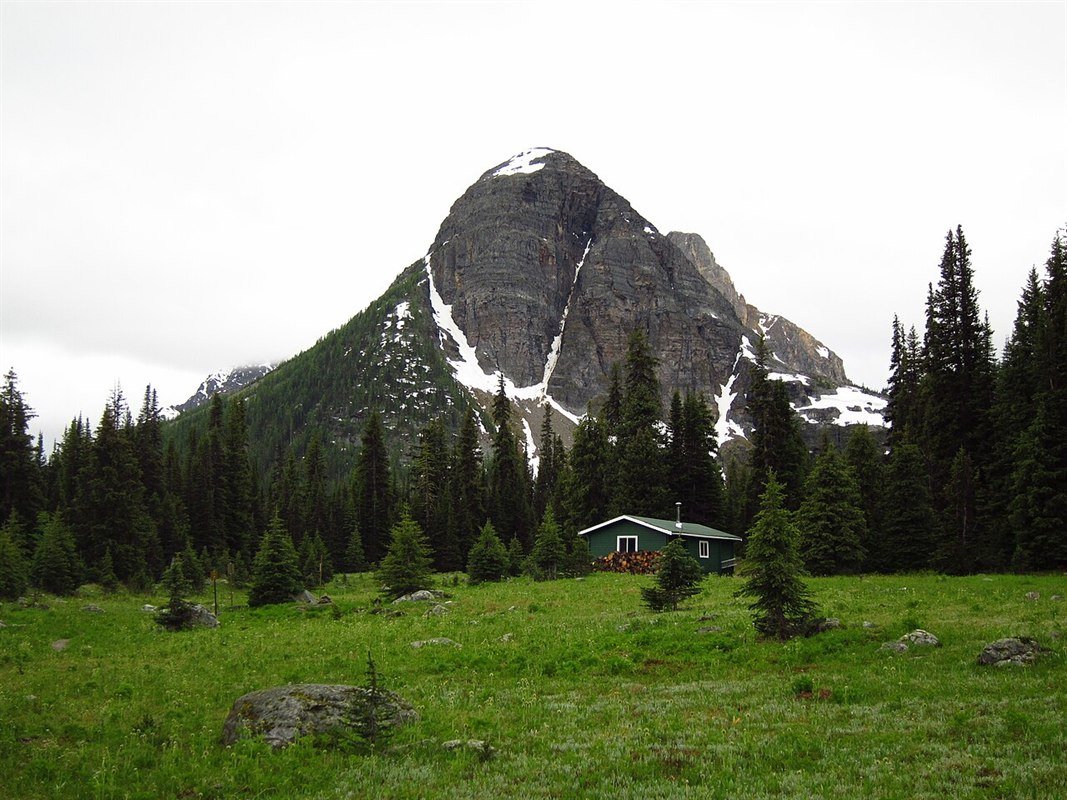
Camping on Crown Land is Canada’s single greatest budget travel secret. Crown Land — publicly owned land that makes up the vast majority of Canada’s territory outside urban areas and national/provincial parks — allows dispersed camping across enormous areas of wilderness, subject to regulations that vary by province. Canadian residents can camp free on Crown Land in Ontario, British Columbia, Alberta, and the Maritime provinces for up to 21 days per site. Non-residents camping on Ontario Crown Land north of the French and Mattawa rivers need a permit ($10.57 per person per night, with several exemptions); BC charges $5–10 per person per night for non-residents on Crown Land in certain areas. You need to be self-sufficient and follow Leave No Trace principles, but the freedom this provides is extraordinary.
HI Canada (Hostelling International) operates hostels in most major cities and popular destinations: Toronto, Montreal, Vancouver, Quebec City, Ottawa, Banff, Jasper, Calgary, Halifax, and more. Dormitory beds typically run $40–60 in major cities and $30–45 in smaller locations. Private rooms run $90–140. A free HI membership is included with any paid hostel stay, and members get reduced rates plus partner discounts (including 10% off VIA Rail base fares). Parks Canada campgrounds in national parks cost roughly $17–40 per night for unserviced tent sites — a bargain for camping in Banff, Jasper, or Pacific Rim. Book through the Parks Canada Reservation Service from January (national parks) or April (other heritage places); popular sites in Banff, Jasper, and Pacific Rim sell out within hours of opening.
Eating Well for Less
Eating cheaply in Canada is easy once you know where to look. Poutine from a proper Quebec casse-croûte (snack bar) is $8–12 for a filling portion — some of the best value street food in the country. Tim Hortons — Canada’s national café chain with more than 3,500 locations nationwide — provides affordable coffee (around $2.25 for a medium), bagels ($2.50–3), and soups ($5–7) wherever you go. In the major cities, food courts in Asian shopping malls — Pacific Mall in Markham (the largest indoor Asian shopping centre in North America, on the northern edge of Toronto), T&T Supermarket food courts in Vancouver and Toronto, and Montreal’s Quartier chinois (Chinatown) along La Gauchetière — serve good pan-Asian food for $9–14 per meal. Farmers’ markets in summer (particularly excellent in British Columbia’s Okanagan Valley, Ontario’s Niagara region, and Quebec’s Eastern Townships) sell exceptional fresh produce and prepared foods. Food trucks have proliferated in all major Canadian cities and typically serve quality meals for $10–16. In Greater Vancouver, the Richmond Night Market (late April to late September, Friday–Sunday plus holiday Mondays, with a small admission charge of around $7) is one of the best budget food destinations in the country — Taiwanese, Hong Kong, and Southeast Asian street food at market prices.
Best Budget Destinations in Canada
- Quebec City: Cheaper accommodation than Toronto or Vancouver; many of the most memorable experiences (walking the fortifications, exploring Old Quebec, Dufferin Terrace) are free. The Winter Carnival in late January and early February pairs ticketed Bonhomme events with many free outdoor activities.
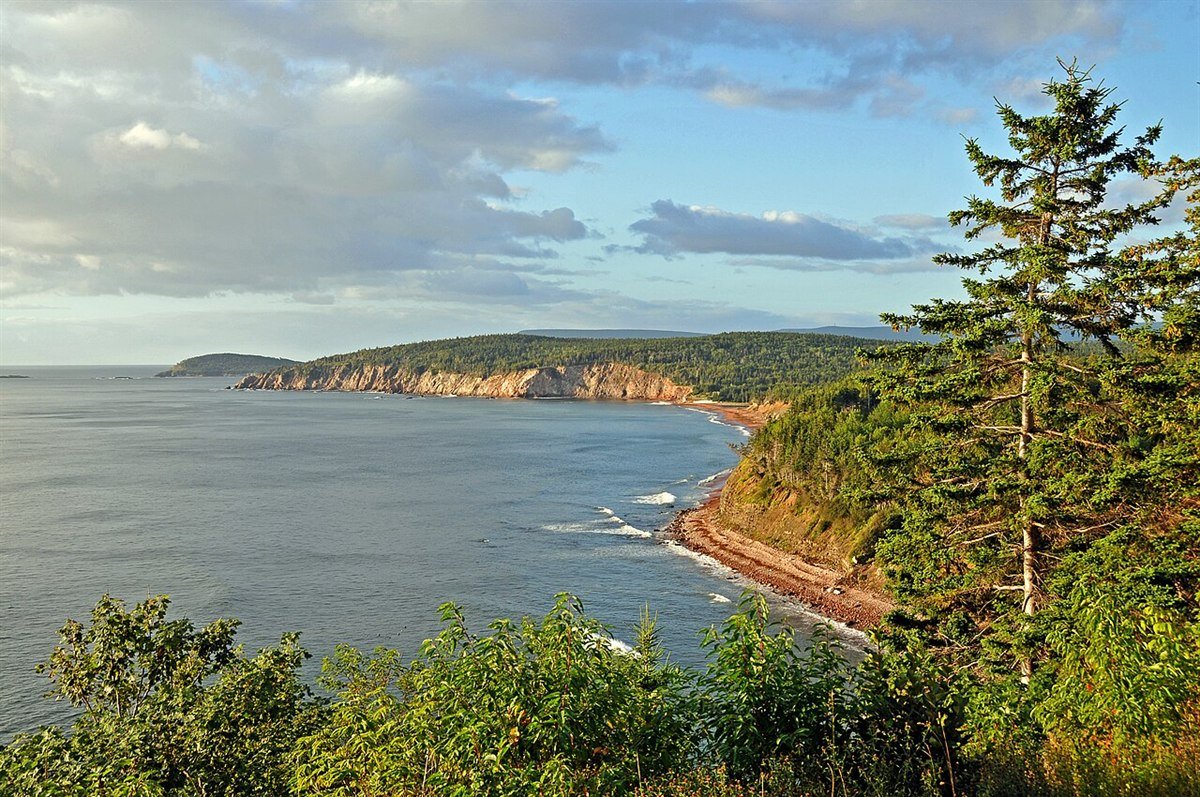
- Cape Breton Island, Nova Scotia: Accommodation along the Cabot Trail is far cheaper than the Rocky Mountain national parks. The Cape Breton Highlands National Park charges only $10.00 per adult per day for daily admission (free under 18). Celtic music sessions in Chéticamp and Mabou — including the famous Red Shoe Pub — are largely free or pass-the-hat.
- Banff and Jasper off-season: September and October bring crisp, golden fall light, the elk rut, and accommodation prices that can be 40–50% lower than peak summer. The hiking is excellent through mid-October before serious snow. The Icefields Parkway in October light is unforgettable.
- Ottawa: The national capital has a remarkable concentration of free national institutions — the Canadian Museum of History, National Gallery, War Museum, Museum of Nature, and Canada Agriculture and Food Museum all offer free or by-donation evenings. The Rideau Canal Skateway in winter becomes the world’s largest naturally frozen skating rink (7.8 km, Guinness World Records 2005), free to skate.
- Tofino, BC (shoulder season): October to March brings the famous Pacific storm season — enormous waves, brooding skies, low-season accommodation rates, and genuinely dramatic experiences for storm-watchers. The surfing is year-round, though wetsuits are non-negotiable.
Frequently Asked Questions
What free activities and attractions does Canada offer for budget travellers?
Canada has plenty of free and low-cost experiences that most budget guides barely mention. The Parks Canada Discovery Pass (CAD $83.50 per adult, $167.50 family/group per year, valid 12 months) provides entry to all national parks and 171 Parks Canada heritage sites — paying for itself immediately for anyone visiting two or more parks. Youth under 18 are always free at Parks Canada places, and the Canada Strong Pass makes Parks Canada entry free from 19 June to 7 September 2026. The National Gallery of Canada offers free admission every Thursday 5–8 p.m., and the Canadian Museum of History in Gatineau is free Thursday 5–7 p.m. The Royal Ontario Museum in Toronto offers free general admission on the third Tuesday of every month (4–8:30 p.m., advance tickets required). The UBC Museum of Anthropology in Vancouver is half price on Thursdays after 5 p.m. Montreal’s Musée des beaux-arts is free for Quebec residents on the first Sunday of every month. Canada’s national parks themselves (the Rockies, Cape Breton Highlands, Pacific Rim, Gros Morne) have hiking, wildlife watching, and wilderness access entirely free once inside the park gates.
How do you travel cheaply between Canadian cities?
Flair Airlines is the surviving low-cost carrier in Canada after Lynx Air ceased operations in February 2024, offering $50–80 one-way fares on key corridors (Calgary–Vancouver, Toronto–Vancouver, Calgary–Toronto) when booked well in advance — watch for baggage and seat-selection fees. WestJet and Air Transat offer competitive fares on both domestic and transatlantic routes. VIA Rail’s Escape fares provide significant discounts on the Quebec City–Windsor Corridor (Quebec City–Montreal–Ottawa–Toronto); the Montreal to Toronto route runs $65–130 one-way booked in advance versus much higher walk-up prices. VIA Rail’s transcontinental The Canadian (Toronto to Vancouver, 4 nights) has Economy seats at $300–450 one-way on Escape pricing — not fast, but an extraordinary experience crossing the country. FlixBus and Megabus operate on major Ontario and Quebec corridors; regional operators (Maritime Bus, Rider Express, Ontario Northland) cover most other routes. The Trans-Canada Highway (7,821 km, one of the world’s longest national highways) enables the ultimate budget road trip across the country.
Where should budget travellers stay in Canada?
Crown Land camping is the country’s best-kept budget travel secret. Crown Land — publicly owned land making up the vast majority of Canada’s territory outside cities and parks — allows dispersed camping for up to 21 days per site in Ontario, British Columbia, Alberta, and the Maritime provinces, free for Canadian residents. Non-residents need a permit in Ontario north of the French and Mattawa rivers ($10.57 per person per night, with several exemptions); BC has similar non-resident fees in certain areas. HI Canada (Hostelling International) operates hostels in most major cities and popular destinations: Toronto, Montreal, Vancouver, Quebec City, Ottawa, Banff, Jasper, Calgary, Halifax, and more. Dormitory beds run $40–60 in major cities and $30–45 in smaller locations; a free HI membership is included with any paid stay and earns reduced rates plus partner discounts (10% off VIA Rail base fares). Parks Canada campgrounds within national parks cost roughly $17–40 per night for unserviced tent sites — exceptional value for camping in Banff, Jasper, or Pacific Rim. Book through the Parks Canada Reservation Service from January (national parks) or April; popular sites sell out within hours.
How do you eat well cheaply in Canada?
Poutine from a proper Quebec casse-croûte (snack bar) costs $8–12 for a filling portion — among the best value street food in the country. Tim Hortons — Canada’s national café chain with more than 3,500 locations nationwide — provides affordable coffee (about $2.25 medium), bagels ($2.50–3), and soups ($5–7) wherever you go. In major cities, food courts in Asian shopping malls serve very good pan-Asian food for $9–14 per meal: Pacific Mall in Markham (the largest indoor Asian shopping centre in North America, on the northern edge of Toronto) and T&T Supermarket food courts in Vancouver and Toronto are standouts. The Richmond Night Market in Greater Vancouver (late April to late September, Friday–Sunday plus holiday Mondays, small admission around $7) is one of the best budget food destinations in the country — Taiwanese, Hong Kong, and Southeast Asian street food at market prices. Summer farmers’ markets (British Columbia’s Okanagan Valley, Ontario’s Niagara region, Quebec’s Eastern Townships) sell exceptional fresh produce and prepared foods. Food trucks in all major Canadian cities typically serve quality meals for $10–16.
What are the best budget destinations in Canada?
Quebec City has cheaper accommodation than Toronto or Vancouver, and most of its finest experiences (walking the fortifications, exploring Old Quebec, the Dufferin Terrace boardwalk) are free. The Winter Carnival in late January and early February pairs ticketed events with many free outdoor activities. Cape Breton Island, Nova Scotia, has very affordable accommodation along the Cabot Trail compared to the Rocky Mountain national parks; Cape Breton Highlands National Park charges only $10.00 per adult per day (free under 18), and Celtic music sessions in Chéticamp and Mabou — including the famous Red Shoe Pub — are largely free or pass-the-hat. Banff and Jasper in September–October offer glorious fall light and the elk rut with accommodation prices 40–50% lower than peak summer. Ottawa has the highest concentration of free national museums in Canada, plus the Rideau Canal Skateway (7.8 km, world’s largest naturally frozen skating rink, Guinness World Records 2005). Tofino, British Columbia, from October to March has the famous Pacific storm season, dramatic wave watching, and very affordable accommodation compared to summer rates.