Newfoundland and Labrador’s outdoor recreation is defined by the North Atlantic — a relationship with the ocean that is less recreational than existential, built into the culture over 500 years of fishing, sealing, and seafaring along the island’s 29,000km of coastline. The province’s outdoor experiences are among the most dramatic and least crowded of any comparable landscape on the planet: the iceberg season (peaking in late May and June), when Greenland-calved bergs drift past fishing villages and into sheltered bays; the humpback concentrations off the Avalon Peninsula coast (June through September); the seabird colonies at Cape St. Mary’s and Witless Bay; the Gros Morne National Park fjords and exposed mantle rock; and the Labrador wilderness, as remote and unspoiled as any country in North America. Few places anywhere combine this kind of scale — the size of the icebergs, the sheer number of the birds, the geological age of the Tablelands rock — in a setting so easy to reach.
Iceberg Watching and Sea Activities
- Iceberg Alley (Twillingate, Bonavista, St. Anthony): The spring drift of Arctic icebergs past the Newfoundland coast peaks in late May and June. Twillingate (Long Point Lighthouse), Bonavista (Cape Bonavista Lighthouse), and St. Anthony (near L’Anse aux Meadows) deliver the steadiest shore viewing, while boat tours bring you close enough to read the texture of the ice. The bergs range from house-sized “growlers” to table-top giants the length of a football field, each carrying ice that fell as snow between 10,000 and 100,000 years ago.
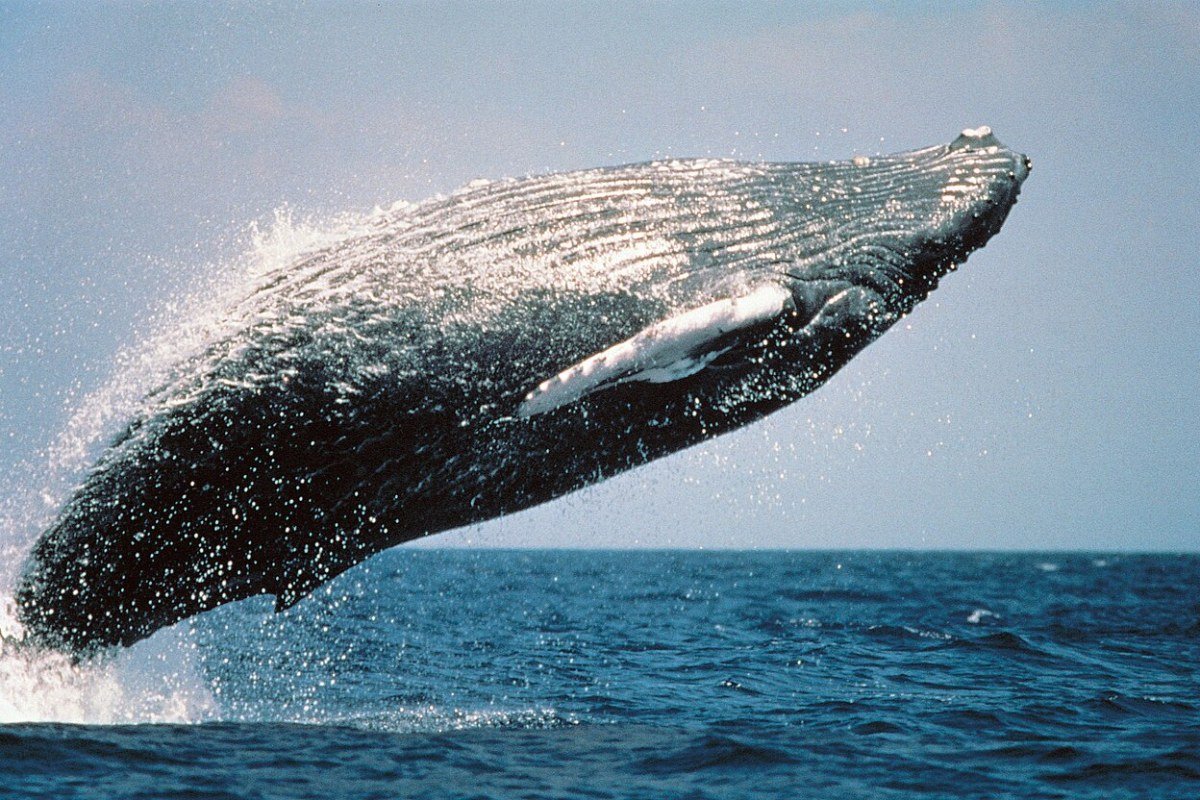
- Whale watching (Avalon Peninsula): When capelin — a small forage fish — gather on the Avalon banks in June and July, they draw humpback, minke, and fin whales in numbers that make this some of the most reliable whale watching anywhere. Boat tours from Bay Bulls (O’Brien’s, Murphy’s) and St. John’s harbour routinely sight humpbacks breaching and bubble-net feeding within view of Signal Hill, and the headlands at Cape St. Mary’s and Ferryland Head let you watch from shore without setting foot on a boat.
- Sea kayaking (Witless Bay, Trinity Bay): The sheltered coves of the Avalon’s east coast make for exceptional paddling. Launch from Tors Cove or Ferryland and you may share the water with puffins, murres, razorbills, and, in season, humpback whales; the Witless Bay Ecological Reserve permits limited kayak access near the islands. Over on Trinity Bay, calm water and the heritage villages of Trinity and Bonavista open up multi-day routes rich in both culture and wildlife.
- Surfing (Long Pond, Cape St. Francis): Newfoundland has a small but committed surfing community. Cold-water breaks at Cape St. Francis and the beach breaks of the eastern Avalon catch Atlantic swells in a wetsuit-required environment, and the Newfoundland Surf Club ties the provincial scene together.
Hiking and Coastal Trails
- East Coast Trail: A 336km coastal hiking trail running the length of the Avalon Peninsula’s eastern shore between Topsail Beach and Cappahayden. Its 25 linked wilderness paths span everything from easy coastal strolls to demanding cliff-edge traverses above the Atlantic. The Spout Path (a sea-cave blowhole), the Tolt Road Path’s barrens, and the Deadman’s Bay Path’s sea arch rank among the finest sections; no permit is required, and day hikes from St. John’s are easy on the southern paths.
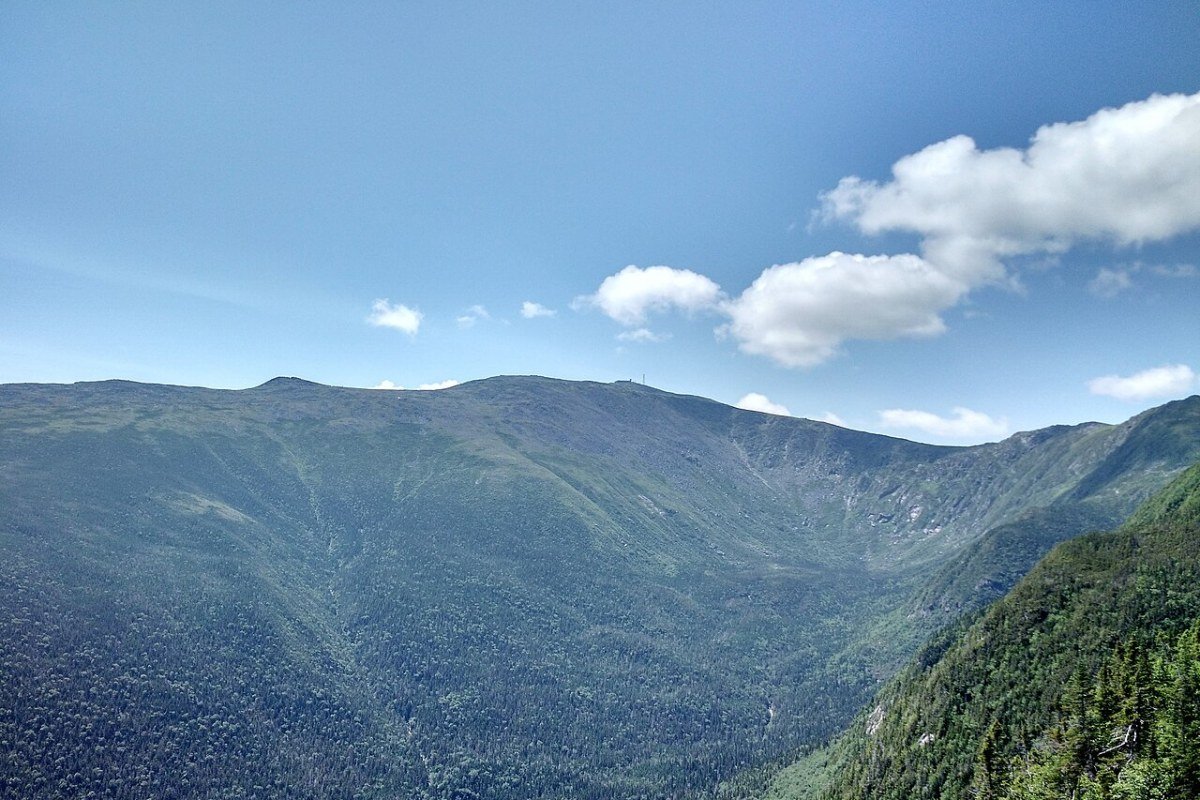
- Gros Morne — Gros Morne Mountain (17km, strenuous): The circuit via Ferry Gulch and the Long Range plateau is the toughest signature day hike in Atlantic Canada. From the 806m summit — the island’s second-highest point, after The Cabox — the view opens across the Gulf of St. Lawrence, the Bonne Bay fjord, and the Long Range’s boreal tundra. The descent down the boulder-strewn far side of the James Callaghan Trail frames the glacier-carved landscape below from a fresh angle.
- Gros Morne — Green Gardens Trail (9km loop): Volcanic sea stacks and sea caves line the Green Gardens coast south of Trout River. The route drops from the plateau through pillow-lava cliffs to tidal pools shaped by the same continental collision that raised the Tablelands — one of Newfoundland’s finest moderate walks.
- Torngat Mountains Base Camp (Labrador): Guided wilderness expeditions head out from the base camp at Saglek Fjord, into the Inuit homeland of the northernmost Labrador highlands. A polar-bear guide escort is required and provided. Arctic tundra fjords, glacial lakes, and the Torngat summits at 1,652m add up to some of the most dramatic terrain in eastern North America, in a setting of total wilderness.

Seabird Colonies and Wildlife Watching
- Cape St. Mary’s Ecological Reserve: A northern gannet colony of roughly 30,000 birds nests on Bird Rock — a 100-metre sea stack separated from the mainland cliff by a channel only a few metres wide — the third-largest gannet colony in North America and the easiest to reach on foot. Gannets plunge-dive from the cliffs overhead in a near-constant aerial display, while murres, razorbills, and black-legged kittiwakes crowd the same rock face. The 1km walk from the interpretive centre stays mostly level.
- Witless Bay Ecological Reserve: Four islands south of St. John’s hold the largest Atlantic puffin colony in North America — over 260,000 pairs — along with Leach’s storm-petrel colonies and murres. Boat tours from Bay Bulls and Witless Bay work the water around the islands (no landing permitted), and because the June–July peak overlaps whale season, a single tour often turns up both puffins and humpbacks.
- Funk Island: This remote granite island off the northeast coast, 60km east of Fogo Island, carries one of the largest common murre colonies on Earth — close to a million birds — and was once the world’s largest great auk breeding colony, hunted to local extinction by around 1800 in the chain of events that drove the species to extinction by 1844. Reachable only by charter boat in summer, its archaeological and ecological weight is hard to overstate for birders and conservation historians.
- Caribou of the Avalon: The Avalon Peninsula’s woodland caribou herd — the most southerly in Canada, now numbering in the hundreds after a steep decline — ranges across the southern barrens from the Cape Race area to the Witless Bay region. Animals turn up regularly from the East Coast Trail and the roads of the southern Avalon, especially in late winter and spring when the herds drift to lower ground.
Winter Activities
- Marble Mountain Resort: Newfoundland’s largest alpine ski area, near Corner Brook, runs 43 trails over a 536m vertical — the biggest drop in Atlantic Canada — and skis the easternmost lift-served terrain in the country. Reliable maritime snowfall, night skiing on the lower mountain, and a beginner-to-expert trail mix have earned it a loyal provincial following.
- Cross-country skiing (Pippy Park, St. John’s): Pippy Park grooms cross-country trails inside the city limits; the boreal-forest setting and the proximity to the MUN campus make it the province’s easiest winter trail system to reach. Snowshoeing on the East Coast Trail’s southern paths turns the summer hiking routes into a winter outing.
- Dog sledding (Labrador): Traditional and recreational dog sledding runs in Labrador through Indigenous community operators and eco-tourism outfitters near Happy Valley-Goose Bay. The interior’s vast boreal and tundra country offers a genuine wilderness setting, a world away from the commercial resort sledding of Alberta and Quebec.
Frequently Asked Questions
What makes iceberg watching in Newfoundland a world-class experience?
Newfoundland offers the most reachable iceberg viewing in the world outside the polar regions. The Labrador Current carries icebergs calved from Greenland’s glaciers south along the Labrador coast and past Newfoundland’s northeast shore from April to June, with viewing peaking in late May and June (timing shifts year to year with each season’s calving and drift). “Iceberg Alley” — the stretch of ocean from northern Newfoundland past St. John’s and south to the Avalon Peninsula — typically sees hundreds of icebergs a year, from small growlers to cathedral-sized bergs standing more than 50m above the waterline. Twillingate (Notre Dame Bay, reached from the Trans-Canada via Lewisporte) calls itself the “iceberg capital,” and its boat tours bring you close to bergs in the bay. St. Anthony, at the tip of the Great Northern Peninsula next to L’Anse aux Meadows, marks the most northerly accessible iceberg viewing on the island. Signal Hill National Historic Site in St. John’s gives a high coastal vantage where bergs drifting offshore are visible from land.
What whale watching experiences does Newfoundland offer?
Humpbacks reach Newfoundland waters as early as May and stay into September, with the best watching from June through August as the whales feed on capelin and herring gathering inshore. Humpbacks — the most acrobatic of the large whales, known for breaching, flipper-slapping, and bubble-net feeding — dominate and show up reliably in Trinity Bay (Whale Watch Trinity, out of the Trinity outport), Notre Dame Bay (Twillingate tours), and on the boats from Witless Bay (the Witless Bay Ecological Reserve, 45 minutes south of St. John’s). That reserve — four islands off the Avalon Peninsula — hosts North America’s largest Atlantic puffin colony (over 260,000 pairs) plus major Leach’s storm-petrel colonies, ranking it among the most significant seabird destinations on the Atlantic coast of North America. Minke and fin whales appear seasonally too, with occasional blue and sperm whales out in the deeper Avalon Channel.
What does hiking and backcountry travel offer in Newfoundland?
Newfoundland’s hiking runs the full span from easy to genuinely remote, and the mix of coastal cliffs, boreal forest, barrens (treeless highlands of bog, rock, and tundra-like vegetation), and fjord terrain gives it a range no other Atlantic province can match. The East Coast Trail (336km between Topsail Beach and Cappahayden, in 25 distinct sections) follows the Avalon’s dramatic coastline — sea stacks, waterfalls dropping straight into the ocean, whalebone coves, abandoned outport settlements, and St. John’s skyline views from the Cape St. Francis section — and stands as Atlantic Canada’s most ambitious multi-day coastal route. Gros Morne National Park’s Gros Morne Mountain trail (17km return, 806m summit, a steep scramble on loose rock to the plateau) is the park’s headline objective, with weather-dependent views over the whole western fjord landscape. The Long Range Traverse (35km, three to five days, permit and wilderness-navigation skills required) crosses Gros Morne’s backcountry plateau and counts as Newfoundland’s most demanding and rewarding wilderness walk. The Tablelands Trail (4km return, Woody Point) is the park’s easiest and most geologically remarkable short walk.
What does Cape St. Mary’s Ecological Reserve offer?
Cape St. Mary’s Ecological Reserve, on the southwestern tip of the Avalon Peninsula about 200km from St. John’s, holds the most approachable northern gannet colony in the world: roughly 30,000 northern gannets (plus kittiwakes, murres, and razorbills) nest on Bird Rock, a detached sea stack just a few metres from the cliff-edge viewing platform. Unlike the Bonaventure Island gannet colony in Quebec, reachable only by boat, the Cape St. Mary’s gannets can be watched from land at 10 to 30 metres — about as close as any seabird colony you can reach on foot in North America. The drive in crosses the barrens of the southern Avalon (the most extensive coastal barrens on the island, home to a woodland caribou herd) and delivers the full sensory weight of the Newfoundland coast: fog, the smell of salt and seabird, the roar of thousands of gannets on Bird Rock. The visitor centre frames the reserve, and the still-active light at Cape St. Mary’s is among the most remote staffed light stations in the province.
What does winter outdoor recreation offer in Newfoundland?
Newfoundland’s winter recreation rides on the island’s extraordinary snowfall — maritime moisture off the North Atlantic meeting cold continental air to produce some of the deepest, most dependable snow in eastern Canada, with Corner Brook and the Avalon highlands taking 300 to 400cm or more a year. Marble Mountain Resort (Corner Brook, 536m vertical, 43 runs, the largest ski area in Atlantic Canada) anchors the island’s lift-served skiing, with a season that can stretch into late April. By participation, snowmobiling is the most widely practised winter sport here: more than 5,000km of trails, including the network organized by the Newfoundland and Labrador Snowmobile Federation, link communities across boreal terrain that is otherwise hard to reach. Dog sledding around Happy Valley-Goose Bay brings in the territorial side of winter recreation. Cross-country skiing at Pippy Park in St. John’s and on Marble Mountain’s groomed trails covers both urban and resort options, and ice fishing for trout on the frozen barrens ponds remains a genuinely popular pastime on the Avalon Peninsula.