

Queensland’s outdoor recreation is defined by the extraordinary ecological gifts of its geography. The Great Barrier Reef runs 2,300km along the coast and ranks among the world’s great snorkelling and scuba-diving grounds; the Wet Tropics World Heritage rainforests of the Atherton Tablelands and Daintree open onto ancient forest hiking and close wildlife encounters; the surfable coastline from the Gold Coast to Noosa and north to the far-flung Cape York Peninsula beaches runs the gamut from beginner beach breaks to championship-grade point breaks; and the hinterland’s national parks — Lamington, Girraween, Carnarvon Gorge — carry wilderness trails through landscapes that have few equals anywhere. The result is a rare kind of single-day itinerary: dive a coral reef in the morning, walk a 180-million-year-old rainforest in the afternoon, and watch the sun drop over the Coral Sea from a remote beach campsite by evening.
_(9443590252).jpg?width=1200)
Great Barrier Reef: Diving and Snorkelling
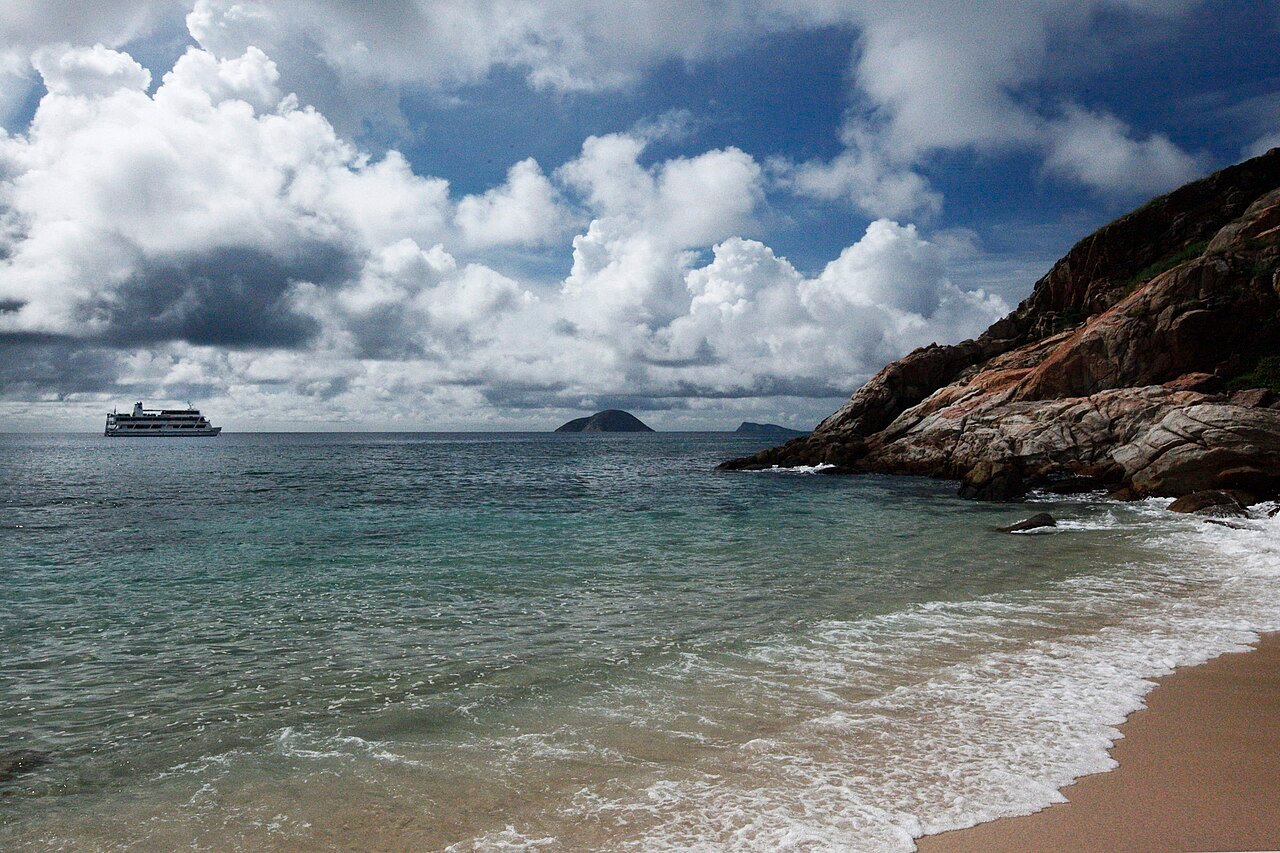
The Great Barrier Reef caters to every level of diver and snorkeller, from introductory reef tours to serious technical diving on the outer Coral Sea reefs:
Cairns Diving
- Outer reef day trips: 2.5 hours by fast catamaran to the ribbon reefs; introductory dives for non-certified divers; certified diving to 18–30m on pristine hard coral formations
- Cod Hole (Ribbon Reefs): Known for its resident school of potato cod (which grow up to 2m long); reached by liveaboard from Cairns; a signature dive site on the Great Barrier Reef
- Osprey Reef (Coral Sea): Remote oceanic pinnacle 350km north-east of Cairns; liveaboard only; encounters with grey reef, silvertip, and hammerhead sharks; 30m+ visibility
Whitsundays Diving
- Bait Reef: High-quality coral formations reachable on day trips from Airlie Beach; frequent marine turtle sightings
- Hardy Reef: The “Heart Reef” area visible on scenic flights; diverse coral gardens and good fish diversity

Daintree Rainforest: Ancient Wilderness Hiking
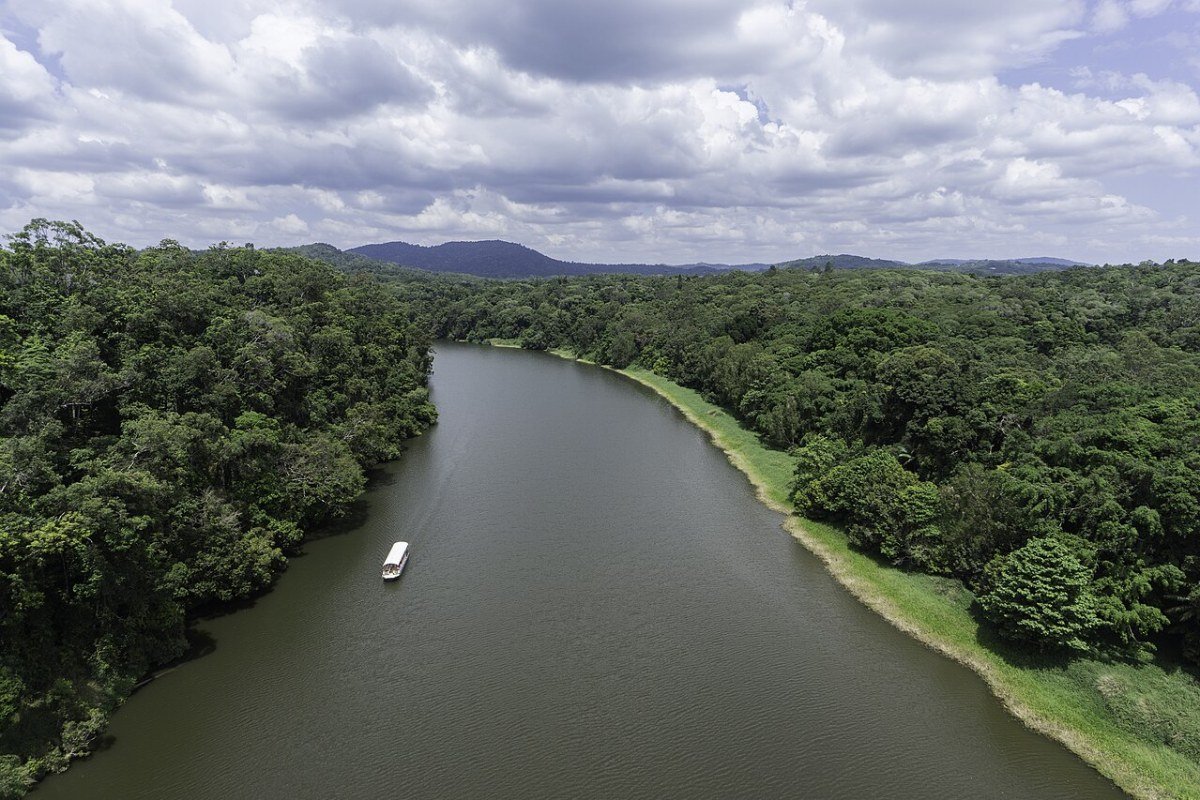
The Wet Tropics World Heritage Area’s 894,420 hectares encompass the most biologically diverse region in Australia — a landscape where plant families that pre-date the dinosaurs still grow, where cassowaries (often called the world’s most dangerous bird) stalk the rainforest floor, and where the diversity of frog, butterfly, and tree species per hectare exceeds any other area in the southern hemisphere:
- Mossman Gorge: The easiest entry point to Daintree National Park, 20 minutes from Port Douglas; crystal-clear Mossman River swimming in a granite gorge; guided night walks with Aboriginal rangers from the Kuku Yalanji community
- Cape Tribulation: Where the rainforest meets the reef; 4WD or high-clearance required north of the Daintree River ferry crossing; Myall Beach’s wild swimming; Kulki lookout above the Cape
- Cassowary Coast: Mission Beach and Tully; the highest cassowary density open to visitors; the Tully Gorge pairs whitewater rafting with rainforest walking
- Atherton Tablelands: The highlands above Cairns; Millaa Millaa Falls (Queensland’s most photographed waterfall), Lake Eacham and Lake Barrine (volcanic crater lakes), and the Curtain Fig Tree (a 500-year-old strangler fig)
Surfing: Queensland’s Wave Culture
Queensland‘s surf is at its most consistent on the Gold Coast and Sunshine Coast, with the heaviest and most challenging breaks lying progressively further north:
- Snapper Rocks / Coolangatta (Gold Coast): One of Australia’s most powerful and consistent point breaks; a stop on the WSL Championship Tour (the Gold Coast Pro); the Superbank stretch from Snapper to Kirra can run as a kilometre-long wave in optimal conditions
- Noosa Heads (Sunshine Coast): A gentle, long right-hand point break ideal for longboarding and learning; Queensland’s busiest surf spot; best during the autumn cyclone-swell season (roughly February–May)
- Cylinders (North Stradbroke Island): Quality beach and point breaks on the island a 45-minute ferry from Brisbane; an easy weekend surfing escape for the Brisbane market
- Townsville and Mission Beach: Remote reef breaks and beach breaks for the surfers willing to drive; generally small but uncrowded
Carnarvon Gorge: Queensland’s Inland Wonder
Carnarvon Gorge National Park, in the sandstone ranges of central Queensland around 600km north-west of Brisbane, ranks among Australia’s great inland hiking destinations — a 30km gorge carved by Carnarvon Creek through white sandstone, with side gorges (Art Gallery, Amphitheatre, Moss Garden, Ward’s Canyon) each holding a different ecological microclimate. The 10.8km return walk to the Art Gallery (an Aboriginal rock art site holding one of Australia’s richest stencil collections) traces river-level vegetation against the white sandstone walls above. The park’s remoteness (4WD recommended, accommodation at Carnarvon Gorge Resort or walk-in camping) rewards visitors with a solitude that busier national parks cannot offer.
Planning Your Queensland Outdoor Adventure
Queensland’s outdoor activities span the full spectrum of tropical and subtropical Australian environments — and the practical challenge is that the state’s best experiences are geographically distributed across 1,700km from the Gold Coast to Cape York. The strategic approach for outdoor-focused visitors is to choose one region and commit to it: the Great Barrier Reef and Wet Tropics experience from Cairns is complete in itself; the Gold and Sunshine Coast surf culture is self-contained; the channel country of southwest Queensland and the Carnarvon Gorge sandstone ranges reward dedicated outback itineraries. May to October is the prime season for all Queensland outdoor activities — the dry season provides clear water visibility for diving, manageable humidity for hiking, and safe ocean conditions throughout the tropical north. The wet season (November–April) brings the waterfalls to full force and turns the tropics a deep green, rewarding travellers comfortable with heat, humidity, and the occasional cyclone protocol. For wilderness and protected areas, check trail conditions, permit requirements, and seasonal access with the relevant land management authority before departure — trail closures, fire restrictions, and entry quotas can change quickly, and many high-demand parks now require advance reservations that were not needed in previous years. For water-based activities — snorkelling, diving, surfing, sailing — check current conditions with local operators, who will have the most accurate and up-to-date information.
Frequently Asked Questions
What are the best Great Barrier Reef diving and snorkelling experiences from Queensland?
The Great Barrier Reef’s diving and snorkelling options span a range from introductory day trips to serious technical diving on the remote Coral Sea reefs. From Cairns and Port Douglas, fast catamaran day trips reach the outer ribbon reefs in 2.5 hours — introductory dives for non-certified divers and certified diving to 18–30m depth on pristine hard coral formations are available on most day boats. The Cod Hole on the Ribbon Reefs — famous for its resident school of potato cod, which grow up to 2m long — is a signature dive site on the Great Barrier Reef, reached only by liveaboard from Cairns. Osprey Reef (Coral Sea, 350km north-east of Cairns) delivers encounters with grey reef, silvertip, and hammerhead sharks in 30m+ visibility — a liveaboard-only site that offers the best pelagic diving on the reef system. The Whitsunday Islands’ Bait Reef holds high-quality coral formations on day trips from Airlie Beach. Lady Elliot Island (the most southerly coral cay) is the standout for manta ray encounters on the Southern Great Barrier Reef, with resident manta ray populations year-round. Stinger suits are required between November and May in North Queensland waters due to box jellyfish.
What rainforest hiking does Queensland’s Wet Tropics offer?
Queensland’s Wet Tropics World Heritage Area encompasses 894,420 hectares of tropical rainforest that represents the world’s oldest surviving tropical rainforest ecosystem, with a lineage dating back roughly 180 million years. The Mossman Gorge (part of Daintree National Park) is the easiest rainforest hiking to reach from the Cairns region — the Mossman Gorge rainforest circuit (2.4km) and the extended walks through the gorge and riverside trace a crystal-clear river through ancient rainforest. The Daintree National Park’s Marrdja Boardwalk (1.2km) traverses mangrove and lowland rainforest with interpretive information about the ecosystem’s extraordinary diversity. The Atherton Tablelands (the high-altitude plateau inland from Cairns) suit cooler-temperature rainforest hiking — Curtain Fig Tree National Park (a strangler fig of exceptional scale) and the volcanic lakes of Eacham and Barrine sit a short drive from Atherton. The Lamington National Park (on the Gold Coast hinterland’s Border Ranges, managed from O’Reilly’s Guesthouse) carries 160km of walking trails through one of the world’s largest tracts of subtropical rainforest, with the O’Reilly’s Tree Top Walk (180m of canopy suspension bridges) and Albert’s lyrebird sightings ranking among Australia’s great subtropical wildlife experiences.
What surf culture and beach experiences does Queensland offer?
Queensland’s surfable coastline runs from Coolangatta in the far south to the remote beaches of Cape York Peninsula — a 2,000km stretch that encompasses some of Australia’s most celebrated surf breaks. The Gold Coast’s surf reputation is built on Burleigh Heads (a powerful right-hand point break that produces world-class barrels on south and east swells) and Kirra (long regarded as one of the world’s great point breaks, though shifting sand banks have altered it over the years). The Sunshine Coast’s Noosa Heads (a national park-protected right-hand point that produces long, clean waves, best during the autumn cyclone-swell season) is one of Australia’s most sought-after longboard breaks. The World Surf League Championship Tour visits Snapper Rocks each year for the Gold Coast Pro, surfed off the Cooly Groyne — one of the most filmed and photographed waves anywhere. For learners, Noosa’s learn-to-surf schools and the Gold Coast’s Surfers Paradise beach are the easiest way into Australian surf culture.
What are Queensland’s best national parks for hiking beyond the Great Barrier Reef?
Queensland’s national park system protects extraordinary landscapes beyond its coastal reef assets. Carnarvon Gorge National Park (Central Queensland, around 600km north-west of Brisbane) is the state’s standout sandstone gorge — a 30km chasm carved by the Carnarvon Creek through sandstone escarpments, with ancient Aboriginal rock art (the Art Gallery and the Cathedral Cave, both featuring stencils, engravings, and ochre paintings by the Bidjara and Karingbal people) reached on walking tracks that require overnight camping for the full experience. The Girraween National Park (Granite Belt, near Stanthorpe) is known for its exposed granite formations — Mount Norman (the park’s highest point), the Pyramid, and the Balancing Rock sit in an open eucalyptus woodland with exceptional wildflower displays in spring. Lawn Hill National Park (remote northwest Queensland) protects ancient gorges of dramatic geological character, with freshwater crocodiles and rare tropical birds in a landscape that rewards the long drive required to reach it. Cape York Peninsula’s Iron Range National Park (the largest lowland tropical rainforest in Australia outside the Wet Tropics) opens up encounters with species found nowhere else in the country.
What does Cape York Peninsula offer as one of Australia’s great road and wilderness adventures?
The Cape York Peninsula drive — from Cairns north to the Tip of Australia at Cape York, around 1,000km of largely unsealed road through tropical savanna, rainforest, and river crossings — is one of Australia’s great 4WD expeditions, accessible only in the Dry Season (May–October) when the wet season’s rivers are fordable. The overland drive passes through storied Indigenous communities and landscapes: the Quinkan rock art galleries near Laura (among the most important Aboriginal rock art in Australia, featuring the distinctive Quinkan spirit figures of the region), the remote roadhouse network (Musgrave, Laura, Coen), and the Telegraph Road’s sand tracks that demand consistent 4WD capability. The Jardine River National Park near the tip is the northernmost national park of any scale in Queensland. The Tip itself — the northernmost point of the Australian mainland — looks across the Torres Strait towards Papua New Guinea, around 150km distant. The combination of remote wilderness, cultural significance, and challenging logistics makes Cape York one of Australia’s most memorable overland journeys.