Queensland’s best places to live span the enormous range of the Sunshine State — from Brisbane’s inner-city riverside neighbourhoods that have become some of the most sought-after addresses in Australia, to the surf suburbs of the Gold and Sunshine Coasts, to the tropical gateway cities of Cairns and Townsville, to the Toowoomba Ranges’ temperate climate just 90 minutes west of Brisbane. Climate is the state’s dominant draw: Queensland averages more sunshine than any other Australian state, and the subtropical and tropical conditions that shape daily life here are genuinely good for most residents. Pair that outdoor access (beaches, reefs, rainforests) with housing that stays competitive against Sydney, and you have the reason Queensland has led the country in interstate migration for several consecutive years.
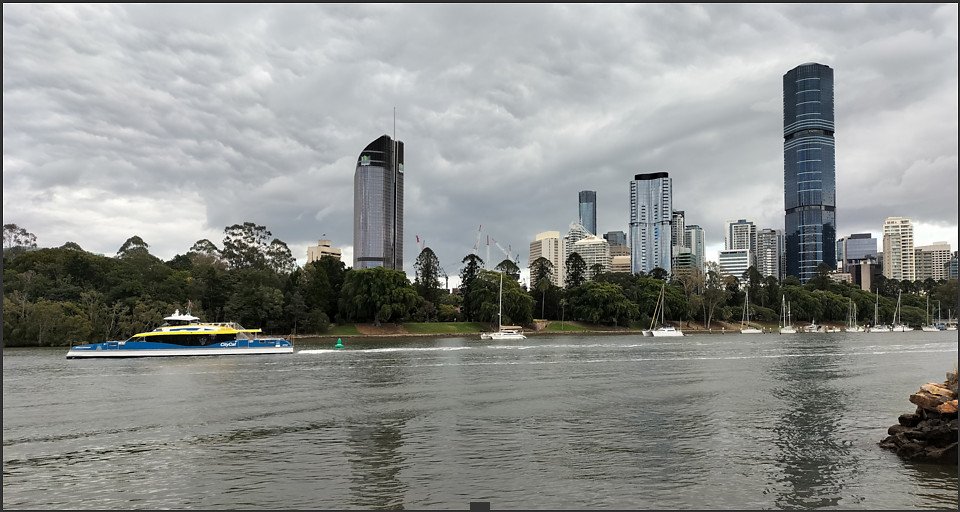
1. New Farm and Teneriffe, Brisbane
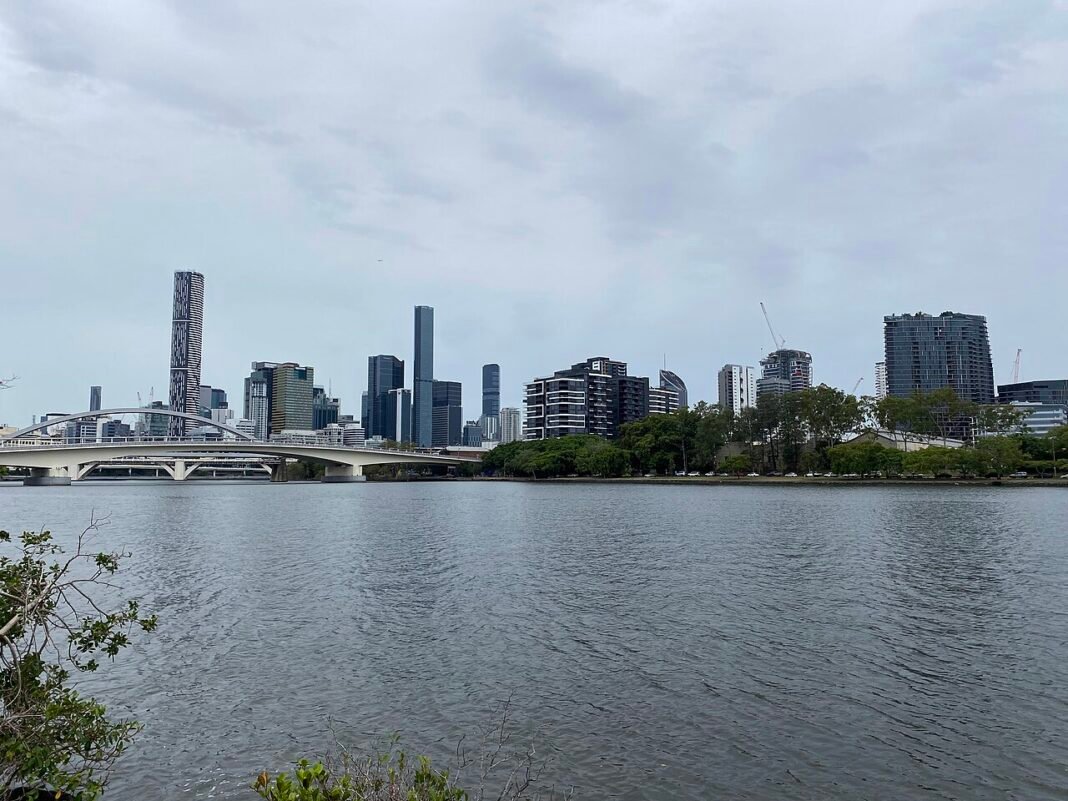
On the inner-city curve of the Brisbane River 3km from the CBD, New Farm and the adjacent Teneriffe precinct show Brisbane at its most urbane. Converted woolstores and heritage commercial buildings now hold restaurants, galleries, and apartments along the riverside; New Farm Park’s fig tree allées run down to the riverbank; and the streets mix Queenslander heritage houses — high-set timber homes with wraparound verandahs, the architectural vernacular of subtropical Queensland — with contemporary riverfront apartment towers. The Powerhouse, a heritage industrial building reborn as Brisbane’s leading performing arts venue, anchors the riverbank; the James Street precinct supplies the fashion and hospitality; and the New Farm Park CityCat puts South Bank minutes away. Expect houses at AUD $1.5M–$2.5M and apartments from AUD $700,000 to $1.2M.
2. Noosa Heads, Sunshine Coast
At the northern end of the Sunshine Coast, Noosa Heads is the coast’s most polished resort town and one of the addresses most coveted in the state. The nearly 3,000-hectare Noosa National Park starts at the eastern end of Hastings Street — the strip of restaurants and boutiques — while the Noosa River’s Gympie Terrace handles riverside dining and paddleboarding. A long-standing rule that no building may rise above the tree canopy has kept the town low and green where other Queensland beach towers have climbed. Main Beach faces north, so the swimming is calm enough for families, and the national park’s coastal tracks open onto wilderness a short walk from town. Streets nearest the park reach AUD $2M–$3M and beyond; Noosaville and Tewantin give buyers a way in from AUD $900,000 to $1.5M.
3. Burleigh Heads, Gold Coast

Burleigh Heads has grown into the Gold Coast’s community of the moment, and for a handful of reasons at once: a point break that surfers chase, a forested headland park rising straight off the sand, and a James Street run of cafés and restaurants that has pulled in some of Australia’s sharpest independent operators. The character here is built on surf culture, wellness, and young-professional energy rather than tourist towers. With Burleigh Head National Park behind the beach — koalas turn up along the headland track above the ocean — and the coast’s strongest dining cluster a block back, prices have climbed from affordable to premium: houses on the best streets run AUD $1.5M–$2.5M, with beachfront apartments between AUD $800,000 and $1.5M.

4. Toowoomba: The Garden City Alternative
Perched on the edge of the Great Dividing Range 90 minutes west of Brisbane, Toowoomba is the strongest non-coastal option in the state. At 700 metres elevation, this regional city of about 175,000 runs cooler than subtropical Brisbane, and its September Carnival of Flowers — the largest outdoor event in Queensland — now draws more than 500,000 visitors across the festival. Family houses sit at AUD $420,000–$500,000, prices the coastal markets walked away from a decade ago. As the commercial hub for the Darling Downs farming region, the city keeps employment steady, and the University of Southern Queensland’s Toowoomba campus lends it academic weight. The commute to Brisbane — 90 minutes on the Warrego Highway or the Toowoomba Second Range Crossing — works for the occasional trip rather than a daily slog.
5. Cairns: Tropical Lifestyle at Accessible Prices
Few Australian cities offer what Cairns does: the Great Barrier Reef starts at the harbour edge, the Daintree Rainforest sits roughly 1.5 hours north by car, and a community of about 170,000 sustains a year-round reef and rainforest tourism economy. The Northern Beaches suburbs — Trinity Beach and Palm Cove among them — hold the most refined character outside the city centre, with resort-grade beaches, beachfront dining, and a permanent population that has swelled as tropical living has reached a wider crowd. Prices of AUD $480,000–$650,000 by suburb still read as real value for tropical coastal living anywhere in the country.
6. Sunshine Coast Hinterland: Mary Valley and Montville
Behind the Noosa and Sunshine Coast beaches, the range country of the hinterland delivers the closest thing to rural living within easy reach of the coast. Montville and Maleny sit on the Blackall Range escarpment, cool-climate villages with long views down to the sea; further inland, the Mary Valley runs between the Sunshine Coast and Gympie as farming country, with the Mary Valley Rattler heritage railway as its community anchor. Artists, small producers, and households chasing lower prices than the coast settle here without giving up weekend beach access. Established hinterland villages sit around AUD $550,000–$750,000 — the cheapest way to stay close to the Sunshine Coast’s amenities.
Making Your Decision
Choosing where to live in Queensland comes down to honestly matching your priorities with what each city and community genuinely delivers. Budget, career opportunities, access to outdoor recreation, climate preferences, and community character all weigh differently depending on your life stage and values — and no ranking can substitute for that personal assessment. The cities and towns profiled in this guide represent the strongest overall options, but Queensland has smaller communities that offer compelling alternatives for those willing to trade urban convenience for affordability, quieter living, or closer access to natural landscapes. If possible, spend at least a long weekend in your shortlisted communities before committing — the practical factors matter enormously, but so does the less quantifiable sense of whether a place simply feels right for where you are in life.
Frequently Asked Questions
What makes New Farm and Teneriffe Brisbane’s most urbane inner-city neighbourhoods?
On the inner-city curve of the Brisbane River 3km from the CBD, New Farm and the adjacent Teneriffe precinct show Brisbane at its most urbane — converted woolstores and heritage commercial buildings holding restaurants, galleries, and apartments along the riverside; New Farm Park’s fig tree allées running to the riverbank; and Queenslander heritage houses (high-set timber homes with wraparound verandahs, the architectural vernacular of subtropical Queensland) alongside contemporary riverfront apartment towers. The Powerhouse (a heritage industrial building reborn as Brisbane’s leading performing arts venue), the James Street fashion and hospitality precinct, and the New Farm Park CityCat to South Bank create an inner-city lifestyle with few equals in Australia outside inner Sydney. Houses run AUD $1.5M–$2.5M; apartments AUD $700,000–$1.2M.
What makes Noosa Heads one of Queensland’s most polished coastal towns?
At the northern end of the Sunshine Coast, Noosa Heads is the coast’s most polished resort town — the nearly 3,000-hectare Noosa National Park begins at the eastern end of Hastings Street (the restaurant and boutique strip), the Noosa River’s Gympie Terrace handles riverside dining and paddleboarding, and a rule that no building may rise above the tree canopy has kept the town low and green where other Queensland beach towns have built upward. Coastal tracks through the national park open onto wilderness a short walk from town; north-facing Main Beach gives families calm swimming. Streets nearest the park reach AUD $2M–$3M and beyond; Noosaville and Tewantin offer entry from AUD $900,000–$1.5M.
What makes Burleigh Heads the Gold Coast’s community of the moment?
Burleigh Heads has grown into the Gold Coast’s community of the moment — a point break that surfers chase, a forested headland park (koalas turn up along the track above the ocean) rising off the sand, and a James Street run of cafés and restaurants that has pulled in some of Australia’s sharpest independent operators. Its character rests on surf culture, wellness, and young-professional energy rather than tourist towers. With Burleigh Head National Park behind the beach and the coast’s strongest dining cluster a block back, prices have climbed from affordable to premium: houses on the best streets run AUD $1.5M–$2.5M; beachfront apartments AUD $800,000–$1.5M.
What makes Toowoomba Queensland’s strongest non-coastal residential alternative?
Perched on the edge of the Great Dividing Range 90 minutes west of Brisbane, Toowoomba is the state’s strongest non-coastal option — a regional city of about 175,000 at 700 metres elevation that runs cooler than subtropical Brisbane, with family houses at AUD $420,000–$500,000, prices the coastal markets walked away from a decade ago. The September Carnival of Flowers, the largest outdoor event in Queensland, now draws more than 500,000 visitors across the festival, and the University of Southern Queensland’s Toowoomba campus adds academic weight. As the commercial hub for the Darling Downs farming region, the city keeps employment steady independent of Brisbane’s knowledge economy.
What makes Cairns Queensland’s best tropical lifestyle residential option?
Few Australian cities match what Cairns offers — the Great Barrier Reef begins at the harbour edge and the Daintree Rainforest sits roughly 1.5 hours north by car. A community of about 170,000 sustains a year-round reef and rainforest tourism economy with genuine full-service city infrastructure. The Northern Beaches suburbs (Trinity Beach, Palm Cove) hold the most refined character: resort-grade beaches, beachfront dining, and a permanent population that has swelled as tropical living has reached a wider crowd. Prices of AUD $480,000–$650,000 by suburb read as real value for tropical coastal living anywhere in the country.