Few states still offer what West Virginia does: affordable living wrapped in serious mountain scenery, at a pace and a price the pricier states gave up long ago. Its most livable towns are small. Morgantown counts roughly 30,000 permanent residents alongside a campus full of WVU students; Lewisburg holds about 4,000 in the Greenbrier Valley; Fayetteville keeps about 2,900 at the New River Gorge National Park gateway; and Charleston, the capital, tops out near 49,000, which counts as a big city here. Picking among them comes down to work and lifestyle. Morgantown leans on the university payroll, the gorge country runs on outdoor recreation, and the Greenbrier Valley trades on farmland and the arts. For anyone working remotely, all three pair real scenery and a tight-knit community with a cost of living that makes a move south actually pencil out.
1. Morgantown: West Virginia’s Most Dynamic City
No place in West Virginia hums quite like Morgantown. WVU’s enrollment of roughly 23,000 students, plus its research and medical operations (WVU Medicine and Ruby Memorial Hospital together employ more than 10,000), bankrolls the busiest restaurant, arts, and nightlife scene the state has. Downtown along High Street, the bars, restaurants, and independent shops sit within walking distance of campus, and the Monongalia Arts Center and WVU’s Creative Arts Center keep a cultural calendar most cities this size never manage. For outdoor recreation close to home, there’s the Mon River Rail-Trail system (48 miles of converted rail line along the Monongahela) and Coopers Rock State Forest just east of town, with more than 30 miles of hiking and mountain biking. Median home prices run $280,000 to $360,000, with plenty of rentals built around the student population.

2. Lewisburg: Arts and History in the Greenbrier Valley
Lewisburg, down in the Greenbrier Valley, may be the prettiest small city in the state and certainly the most cultured. Its walkable grid sits inside a National Register Historic District of antebellum homes and storefronts, anchored by a Carnegie Hall (one of only four in the world still in regular use as a performing arts venue) and lined with independent restaurants, bookstores, and galleries that no town of 4,000 has any business supporting. Budget Travel readers crowned it “America’s Coolest Small Town” back in 2011, and the place has spent the years since living up to it. Outdoor access fans out in every direction: the Greenbrier resort is 10 minutes away, the Greenbrier River Trail (78 miles of rail-trail through the mountains) starts close by, and Seneca Rocks is about 90 minutes north. Between the Lewisburg Farmers Market, the State Fair of West Virginia at nearby Fairlea, and the Greenbrier Valley Theatre’s professional season, the calendar stays full year-round. Renovated historic homes generally run $220,000 to $320,000.
3. Fayetteville: National Park Gateway
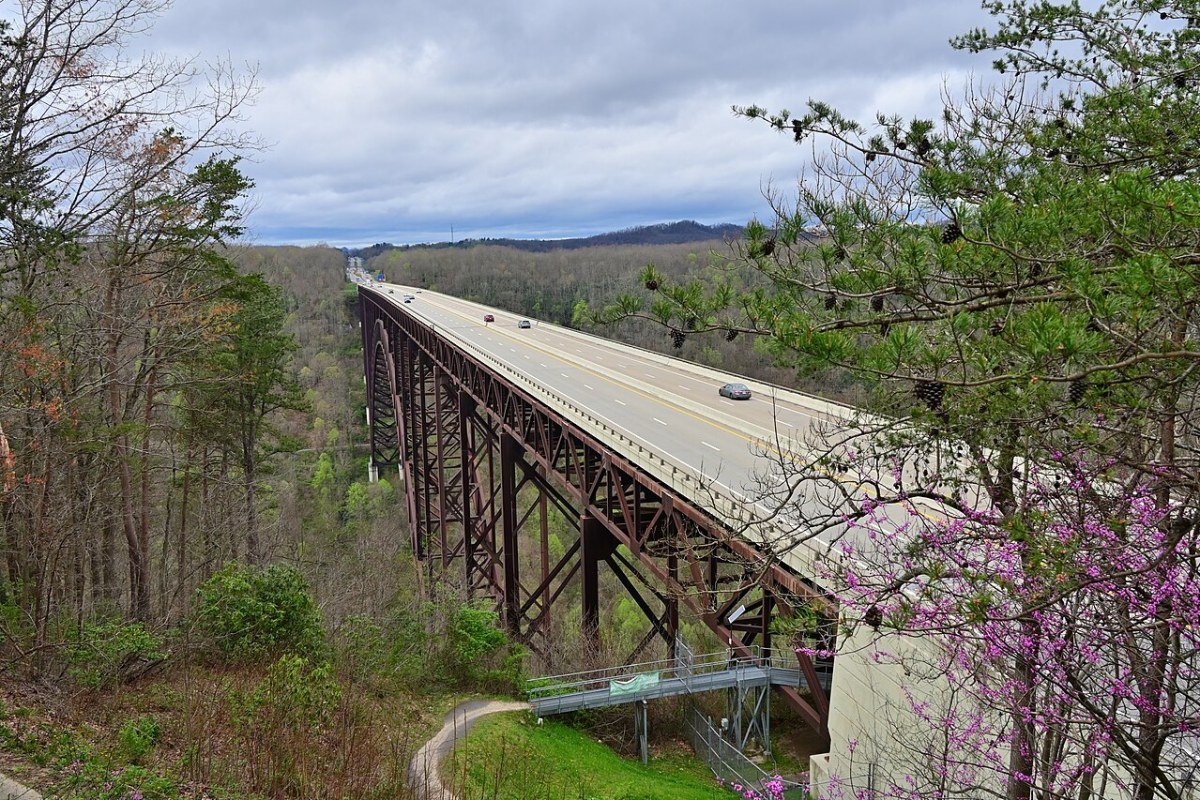
Fayetteville, the Fayette County seat and main gateway to New River Gorge National Park, has ridden the park’s 2020 upgrade into one of the fastest-growing small towns in West Virginia. Court Street tells the story: outfitters, restaurants, and craft beer taprooms like Cathedral Cafe, Pies & Pints, and Bridge Brew Works, all in on the adventure tourism the gorge draws. If your idea of a good weekend is paddling or climbing, the address is hard to beat: New River whitewater is 20 minutes out, the gorge climbing crags 15, and the Gauley River 40. Home prices, long among the cheapest anywhere, have climbed to $180,000 to $280,000 for the better properties, which is still a bargain given what’s out the back door.
4. Charleston: Capital City Stability
Charleston, the capital and largest city, carries the fullest slate of urban amenities in the state. The Clay Center for the Arts and Sciences (its premier art museum and performing arts hall), the Appalachian Power Park for minor league baseball, the revived Capitol Market in a former railroad depot, and the gold-domed State Capitol (Cass Gilbert’s Italian Renaissance design, its dome rising five feet taller than the one on the US Capitol) frame a downtown that’s compact but has real character. State government, with more than 20,000 employees, keeps the payroll steady. Kanawha County also offers some of West Virginia’s easiest outdoor access: Kanawha State Forest, 9,300 acres laced with hiking and biking trails, sits about seven miles from downtown. With a median around $150,000 to $220,000, Charleston is one of the most affordable state-capital housing markets in the country.
5. Harpers Ferry: History at the Confluence
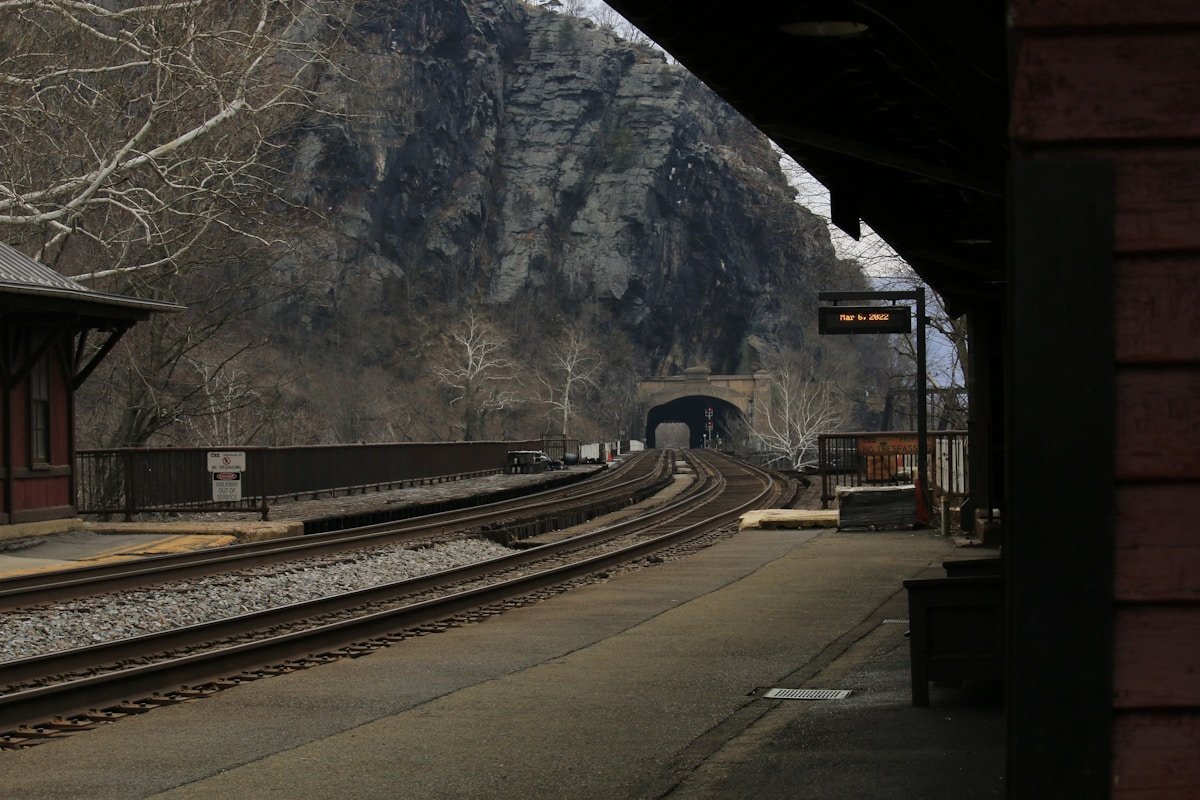
For sheer setting, no West Virginia town tops Harpers Ferry, wedged onto a narrow point of land where the Shenandoah pours into the Potomac and three states (West Virginia, Virginia, and Maryland) come together. Its lower town, a cluster of 19th-century buildings preserved as Harpers Ferry National Historical Park and known for the 1859 raid led by abolitionist John Brown, sits below Jefferson Rock and its long view over the water gap. With fewer than 300 permanent residents, the place works more as a tourism and recreation hub than a place to settle, but the rest of Jefferson County (Shepherdstown and Charles Town in particular) offers affordable homes with the same scenery and trail access. The Appalachian Trail crosses the Potomac right here, and the C&O Canal towpath rolls car-free all the way to Washington, D.C., about 60 miles downstream.
Who West Virginia Is Right For
West Virginia asks you to be honest about what you actually want from where you live. For remote workers with steady income who would trade big-city amenities for trailheads, low costs, and neighbors who know your name, it’s a strong bet. Home prices run roughly 45 to 55 percent below the national median, the New River Gorge puts whitewater, climbing, and hiking within reach, and the Ascend WV program even hands qualifying newcomers a $12,000 relocation grant paid over two years. The fit is poor if you need a local job in tech, finance, or professional services, since those simply aren’t here in volume, or if living near a major metro’s cultural scene matters to you. The people who move here tend to know that going in, and the state’s unpolished Appalachian character is exactly the draw rather than a drawback.
Frequently Asked Questions
What makes Morgantown West Virginia’s most economically dynamic city?
Morgantown is West Virginia’s most economically dynamic city. WVU’s roughly 23,000 students and the university’s research and medical programs (WVU Medicine and Ruby Memorial Hospital together employ more than 10,000) provide an employment and cultural base that drives the most active restaurant, arts, and nightlife scene in the state. Downtown along High Street, bars, restaurants, and independent shops sit within walking distance of campus. The city is also home to the first large-scale automated Personal Rapid Transit network in the United States, opened in 1975 to connect WVU’s campuses. The Mon River Rail-Trail system (48 miles of rail-trail) and Coopers Rock State Forest (30-plus miles of hiking and mountain biking) put outdoor recreation right beside an urban base. Median home prices run $280,000 to $360,000.
What makes Lewisburg the most culturally compelling small city in West Virginia?
Lewisburg, in the Greenbrier Valley, is the most architecturally and culturally rich small city in West Virginia. Its compact, walkable grid is a National Register Historic District of antebellum homes and commercial buildings, anchored by a Carnegie Hall (one of only four in the world still in regular use as a performing arts venue) and filled with independent restaurants, bookstores, and galleries that far exceed what a town of 4,000 usually sustains. Budget Travel named it “America’s Coolest Small Town” in 2011. The Greenbrier resort is 10 minutes away, the Greenbrier River Trail (78 miles of rail-trail through the mountains) starts nearby, and the State Fair of West Virginia at nearby Fairlea makes Lewisburg the valley’s cultural and social center. Home prices run $220,000 to $320,000 for renovated historic properties.
What makes Fayetteville the best outdoor recreation residential address in West Virginia?
Fayetteville, the main gateway to New River Gorge National Park, has been transformed by the park’s 2020 designation into one of the fastest-growing small communities in the state. Court Street’s mix of outdoor outfitters, restaurants, and craft beer taprooms (Cathedral Cafe, Pies & Pints, Bridge Brew Works) shows how fully the town has embraced its adventure-tourism identity. New River whitewater is 20 minutes away, the gorge climbing crags 15 minutes, and the Gauley River 40 minutes. Home prices have climbed from historically very low levels to $180,000 to $280,000 for the most desirable properties, still a strong value by national standards given the outdoor access.
What does Charleston offer as West Virginia’s capital city and most affordable major market?
Charleston, the state capital and largest city, carries West Virginia’s fullest slate of urban amenities: the Clay Center for the Arts and Sciences (the state’s premier art museum and performing arts venue), the Appalachian Power Park for minor league baseball, the revived Capitol Market in a former railroad depot, and the gold-domed State Capitol, whose Italian Renaissance dome rises five feet taller than the one on the US Capitol. State government, with more than 20,000 employees, provides a stable economic anchor. Kanawha State Forest, 9,300 acres of hiking and biking trails, sits about seven miles from downtown. With a median around $150,000 to $220,000, Charleston is one of the most affordable state-capital housing markets in the country.
Why is West Virginia the best option for remote workers seeking outdoor access and affordability?
West Virginia is a strong fit for remote workers with steady income who value outdoor recreation, affordability, and a close-knit community. Home prices run roughly 45 to 55 percent below the national median, and the New River Gorge puts whitewater, rock climbing, hiking, and mountain biking within easy reach. The Ascend WV program adds a $12,000 relocation grant, paid over two years, for qualifying remote workers who move to the state. From Morgantown ($280,000 to $360,000, with university culture and the WVU employment anchor) to Lewisburg ($220,000 to $320,000, with historic character and Greenbrier Valley arts) to Fayetteville ($180,000 to $280,000, at the New River Gorge gateway), the state offers distinct outdoor-lifestyle towns at prices hard to match elsewhere on the East Coast. It is a poorer fit for anyone who needs local work in tech, finance, or professional services.