West Virginia is the outdoor recreation state the eastern United States kept hiding in plain sight — 78% of the land forested, Class V whitewater running through gorges carved 1,000 feet deep, Appalachian sandstone that holds the finest sport climbing on the East Coast, and the Monongahela National Forest’s 921,000 acres, which hold eight designated wilderness areas and the deepest backcountry in the mid-Atlantic. The New River Gorge National Park and Preserve (America’s newest national park, designated in December 2020) made official what paddlers, climbers, and hikers had known for decades: the state’s outdoor assets rank among the country’s best. Its rivers — the New, the Gauley, the Cheat, the Potomac — run whitewater across every difficulty level, from Class I flatwater to Class V expert; the climbing, from New River Gorge to Seneca Rocks, spans beginner sport routes to Grade VI big-wall objectives. This is serious terrain.

Whitewater Rivers: The Paddling Mecca
No river system in the eastern United States packs in more whitewater than West Virginia’s, and each of its major runs paddles like a different sport:
New River — Lower Gorge (Class IV–V)
- Character: Big water over boulders in a 1,000-foot-deep gorge; Millers Folly, Surprise, and Undercut Rock are the signature rapids
- Access: Commercial raft trips from Fayetteville outfitters; private boats with appropriate experience
- Season: Best April through October; spring runoff brings the highest, most demanding flows
Gauley River (Class IV–V+)
- Character: 26 miles of near-continuous Class IV–V; Insignificant, Pillow Rock, Lost Paddle, Iron Ring — some of the hardest commercially rafted whitewater anywhere
- Gauley Season: The fall releases from Summersville Dam run for roughly six weekends, starting the Friday after Labor Day in early September and finishing on Bridge Day weekend in mid-October — the most anticipated whitewater event in the eastern US
- Commitment: A full day on the water; not beginner whitewater; commercial trips run with experienced outfitters
.jpg?width=1280)
Cheat River Canyon (Class III–IV)
- Character: An 11-mile run through the Cheat Canyon with strong Class III–IV whitewater; friendlier than the Gauley but genuinely challenging
- Access: Near Morgantown; put-in at Albright, take-out at Jenkinsburg
Rock Climbing: New River Gorge and Seneca Rocks
West Virginia holds the two heavyweight climbing destinations on the East Coast:
- New River Gorge climbing areas: More than 1,400 established sport and traditional routes on Nuttall sandstone; Endless Wall (the busiest area, with 200-plus routes), Diamond Point, Beauty Mountain, and Fern Creek run the gamut from 5.4 to 5.14; the sandstone’s grip and the easy approach from Fayetteville draw more climbers here than anywhere else in the eastern US
- Seneca Rocks climbing: Grade III–VI traditional routes on Tuscarora quartzite; a marked hiking route reaches the South Peak summit, while the main faces hold multi-pitch lines from moderate to serious; Forest Service climbing rangers staff the Seneca Rocks Discovery Center
- Coopers Rock State Forest (near Morgantown): Day-use sport and trad climbing on Pottsville sandstone; an easy drive from Morgantown; routes that suit beginners through intermediates
Hiking: Monongahela National Forest
Spread across 921,000 acres, the Monongahela National Forest holds the deepest backcountry hiking in West Virginia:
- Spruce Knob (4,863 feet): West Virginia’s highest point, reached by road to the observation tower; the Spruce Knob Lake Trail and Huckleberry Trail wind through a red spruce forest that feels like a slice of northern Canada dropped into Appalachia
- Dolly Sods Wilderness (17,371 acres): A high plateau at 3,600–4,000 feet with a subalpine feel — wind-flagged red spruce, open bogs, blueberry heath; the strangest, most singular hiking in the region, with the Rohrbaugh Plains and Red Creek trail network linking 50-plus miles of backpacking
- Cranberry Glades Botanical Area: Four sphagnum bogs at 3,400 feet; a boardwalk trail loops through the southernmost boreal bog habitat in the East, where carnivorous sundews and pitcher plants steal the show
- Greenbrier River Trail (78 miles): A rail-trail tracing the Greenbrier River through the mountain valleys of Pocahontas and Greenbrier Counties; gentle, low-gradient, and scenic enough to rank among the finest long-distance cycling and walking routes in the Appalachians
Skiing and Winter Sports
West Virginia’s ski areas sit closer to the major East Coast population centers than almost any others, putting weekend snow within reach of millions of households in Virginia, Maryland, Pennsylvania, and beyond:
- Snowshoe Mountain Resort: The state’s largest ski resort, perched on the Allegheny Plateau at 4,848 feet; 60 trails, 257 acres, a 1,500-foot vertical drop, and the most rounded ski experience in the region; the slopeside village offers ski-in/ski-out lodging and year-round access to the outdoors
- Canaan Valley Resort State Park: A state-run ski area at 3,200 feet in the Canaan Valley; 47 trails, with Timberline Mountain next door for more terrain; the adjacent Canaan Valley National Wildlife Refuge — the largest freshwater wetland complex in the central Appalachians — adds birding and hiking right beside the lifts
- Winterplace Ski Resort: A family-focused resort near Ghent with night skiing and a ski school, the easiest West Virginia hill to reach off the Interstate 77 corridor
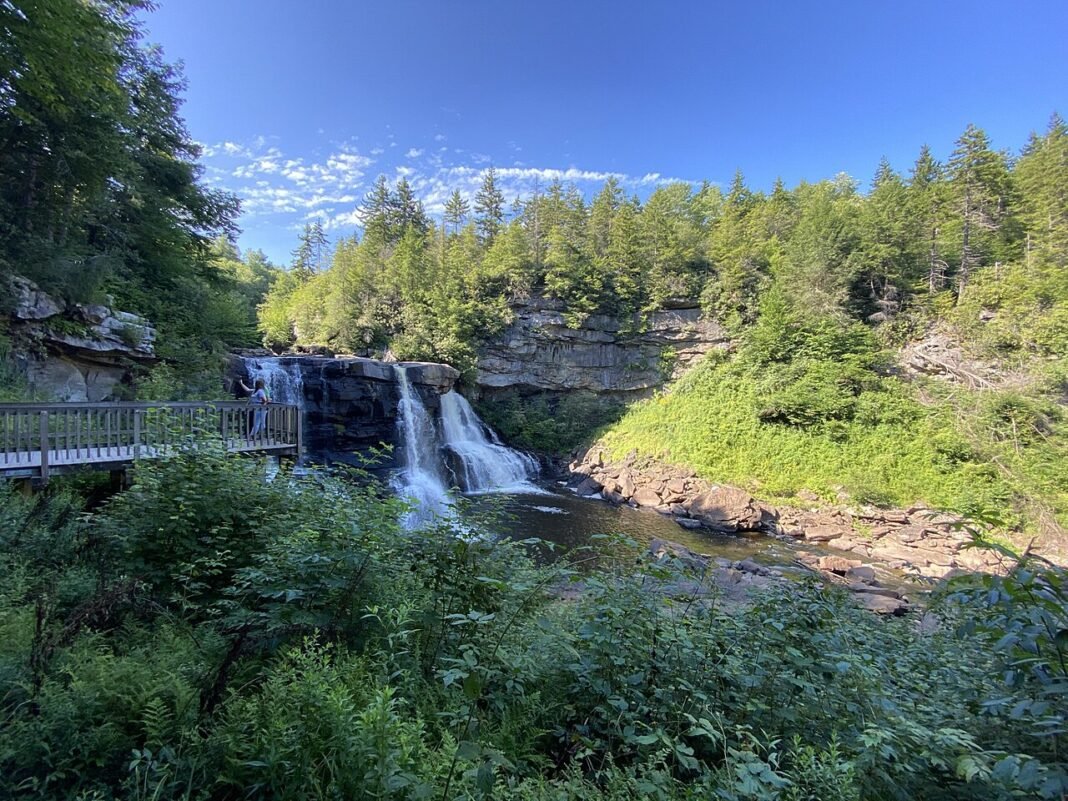
- Blackwater Falls State Park: Cross-country skiing and snowshoeing around the dramatic Blackwater Falls and the Lindy Point overlook in the Tucker County highlands — some of the prettiest winter scenery in the central Appalachians
Planning Your Outdoor Adventure
The trips described in this guide reward a little homework. For wilderness and protected areas, check trail conditions, permit requirements, and seasonal access with the relevant land management authority before you set out — trail closures, fire restrictions, and entry quotas can change fast, and many high-demand parks now require advance reservations that were not needed a few years ago. Weather in West Virginia turns on a dime, especially in mountain terrain and during shoulder seasons, so a layered system with a waterproof outer shell suits most pursuits in any season. For anything on the water — paddling, snorkeling, diving, surfing — confirm current conditions with local outfitters, who will always have the freshest information. Leave No Trace applies throughout: pack out everything you bring in, stay on established trails, give wildlife space, and leave natural features undisturbed for the next visitor.
Frequently Asked Questions
What makes the New River Gorge one of the top outdoor destinations in the eastern United States?
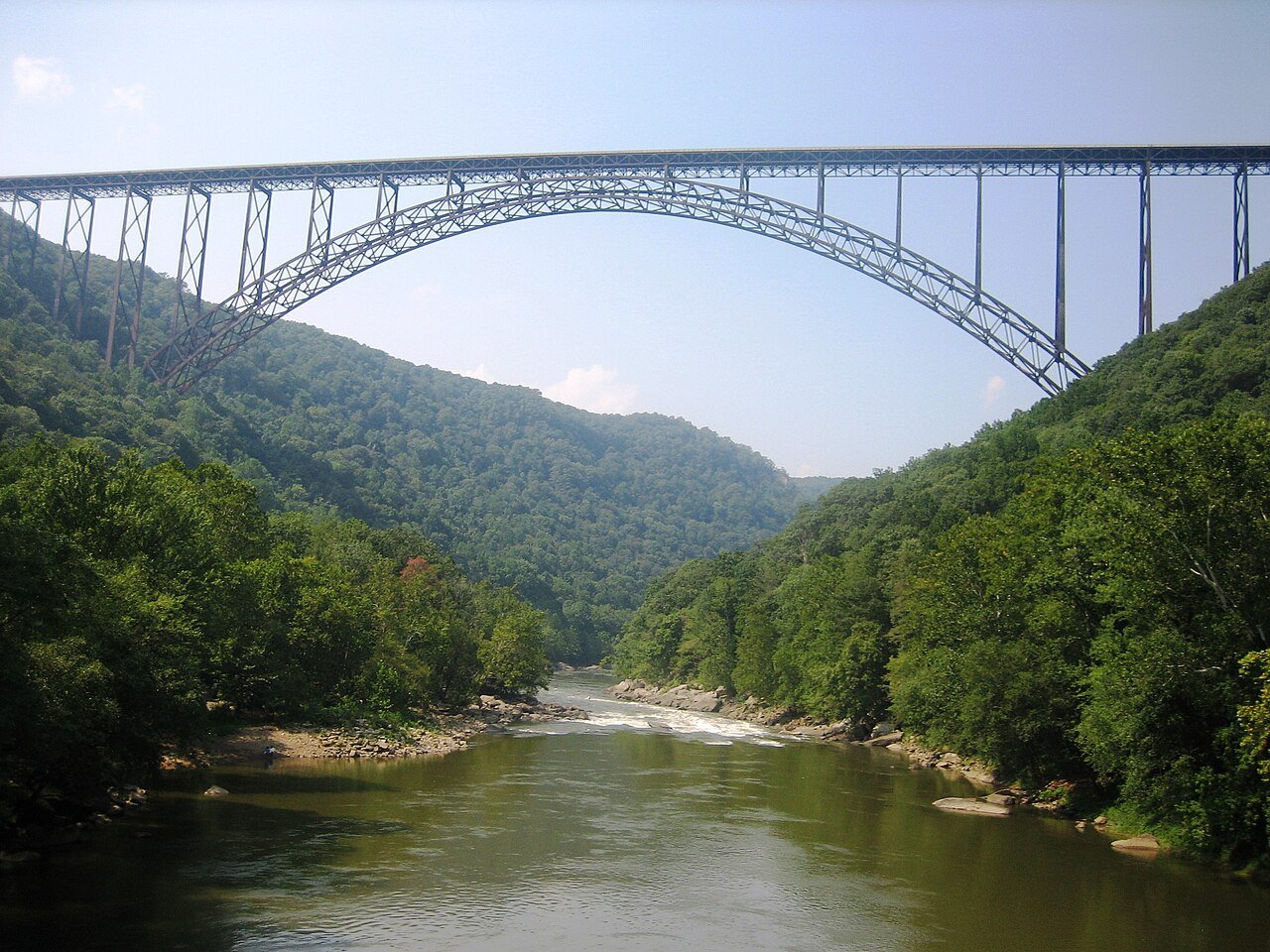
New River Gorge National Park and Preserve — designated in December 2020 as America’s newest national park — protects roughly 72,000 acres along one of the oldest rivers in North America, with 1,000-foot sandstone walls, more than 1,400 rock climbing routes on the densely featured Nuttall Sandstone, and Class IV–V whitewater in the Lower Gorge that has drawn paddlers for decades. The signature rapid sequence — Millers Folly, Surprise, and Undercut Rock — delivers big water over boulders in a dramatic setting, and commercial raft trips from Fayetteville outfitters open the Lower Gorge to non-expert paddlers with a guide. Bridge Day, held the third Saturday of October, sends BASE jumpers and rappellers off the New River Gorge Bridge (whose roadway sits 876 feet above the river, the longest steel arch bridge in the Western Hemisphere) and ranks as the largest extreme sports event in the United States, drawing 80,000-plus people in a single day. The 53 miles of river gorge and the Long Point Trail (3.2 miles round trip to overlooks) keep hiking within easy reach of the Canyon Rim Visitor Center.
What does the Gauley River offer as whitewater, and why is it so significant?
The Gauley River runs 26 miles of near-continuous Class IV–V — the most anticipated commercial whitewater release in the country. Gauley Season, when Summersville Dam sends water downstream for roughly six weekends from the Friday after Labor Day in early September through Bridge Day weekend in mid-October, draws the most committed paddlers to the Fayetteville and Summersville area. The Upper Gauley’s five marquee rapids — Insignificant, Pillow Rock, Lost Paddle, Iron Ring, and Sweet’s Falls — count among the hardest commercially rafted whitewater on earth. At high flows they border on Grade VI, and trip operators screen guests for fitness and swimming ability. The Lower Gauley (Class III–IV) makes a friendlier alternative, and the Fayetteville–New River Gorge area serves as the base camp for both Gauley and New River trips.
What makes Seneca Rocks the standout climbing destination in the mid-Atlantic?
Seneca Rocks — twin fins of Tuscarora quartzite rising 900 feet above the North Fork of the South Branch of the Potomac River in the Monongahela National Forest — is the most striking rock formation in West Virginia and the leading traditional climbing destination on the East Coast. The area holds more than 375 documented routes, from beginner multi-pitch to Grade V big wall, on quartzite that climbs as clean as any rock in the region. A 1.3-mile trail to the summit observation platform gives non-climbers panoramic views across the Spruce Knob–Seneca Rocks National Recreation Area. Spruce Knob (4,863 feet, the state’s highest point) is reachable by road from a trailhead in the forest and opens up views over the forested Allegheny Mountains. The Forest Service runs the Seneca Rocks Discovery Center, with interpretive exhibits and climbing information for the area.
What are the best hiking destinations in West Virginia’s Monongahela National Forest?
The Monongahela National Forest (921,000 acres across eastern West Virginia) holds eight designated wilderness areas and the most extensive backcountry hiking in the eastern US. Dolly Sods Wilderness (17,371 acres on a windswept plateau above 4,000 feet) is the forest’s most distinctive walk — a subalpine landscape of open heath, bogs, wind-sculpted spruce, and big views that reads more like Labrador than Appalachia, with the Bear Rocks Trail and the Rohrbaugh Plains loop making the best introductions. The Spruce Knob–Seneca Rocks National Recreation Area pairs the state’s highest point with its most dramatic rock formation in one hiking area. Otter Creek Wilderness (20,000 acres) offers a more forested, waterfall-rich counterpoint. Cranberry Glades Botanical Area preserves a cluster of high-elevation bogs with carnivorous sundews and pitcher plants, a northern bog ecosystem far south of its usual range.
What other outdoor activities does West Virginia offer beyond whitewater and climbing?
West Virginia’s outdoor menu runs well past whitewater and climbing. Snowshoe Mountain Resort — the largest ski area in the mid-Atlantic at 4,848 feet — holds snow when lower East Coast resorts are squeaking by on snowmaking, and it runs mountain bike trails through the summer. The Greenbrier River Trail (78 miles, one of the longest rail-trails in the eastern US) follows the Greenbrier River through farm country and forested gorges, one of the finest multi-day cycling and walking routes in the Appalachians. Blackwater Falls State Park — where the amber Blackwater Falls drops 62 feet through a hemlock-lined gorge and the Lindy Point overlook frames one of the state’s most photographed views — ranks among the prettiest parks in West Virginia. The Greenbrier, the National Historic Landmark resort in White Sulphur Springs operating since 1778, hides a Cold War-era bunker built beneath it for Congress and counts among the most extraordinary resort properties in the eastern United States.