

Wisconsin is the Midwest’s most distinctive travel destination — a state shaped by glaciers that left behind roughly 15,000 lakes, carved the Driftless Area’s dramatic ridges and valleys in the southwest, and filled the Door County peninsula with the cliff-lined shores and cherry orchards that draw more travelers than anywhere else in the state. Milwaukee, Wisconsin’s largest city, has remade itself from a Rust Belt industrial relic into a destination known for its Midwest architecture tours, the Summerfest music festival that bills itself as the largest in the world, and a craft brewery scene built on the German brewing heritage that shaped the city’s industrial character. Madison, the capital and home of the University of Wisconsin, occupies the isthmus between two lakes in one of the more scenic state-capital settings in the country. And through it all, Wisconsin remains the state that produces more cheese than any other — about 25% of all American cheese comes from Wisconsin’s dairy farms, and the cheese trail and supper club culture that surrounds it is as authentically Wisconsin as the Packers.
Door County: Wisconsin’s Peninsula
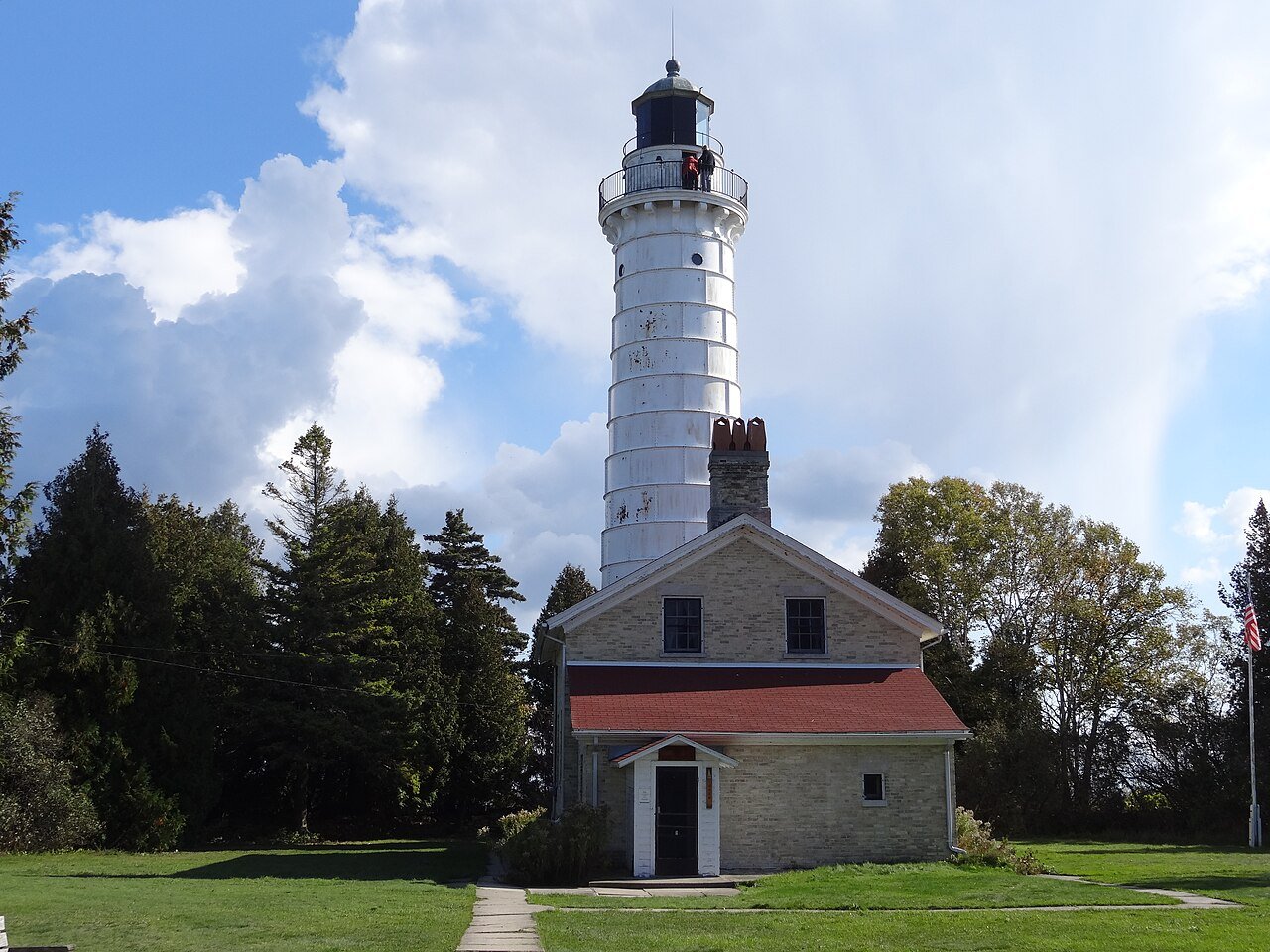
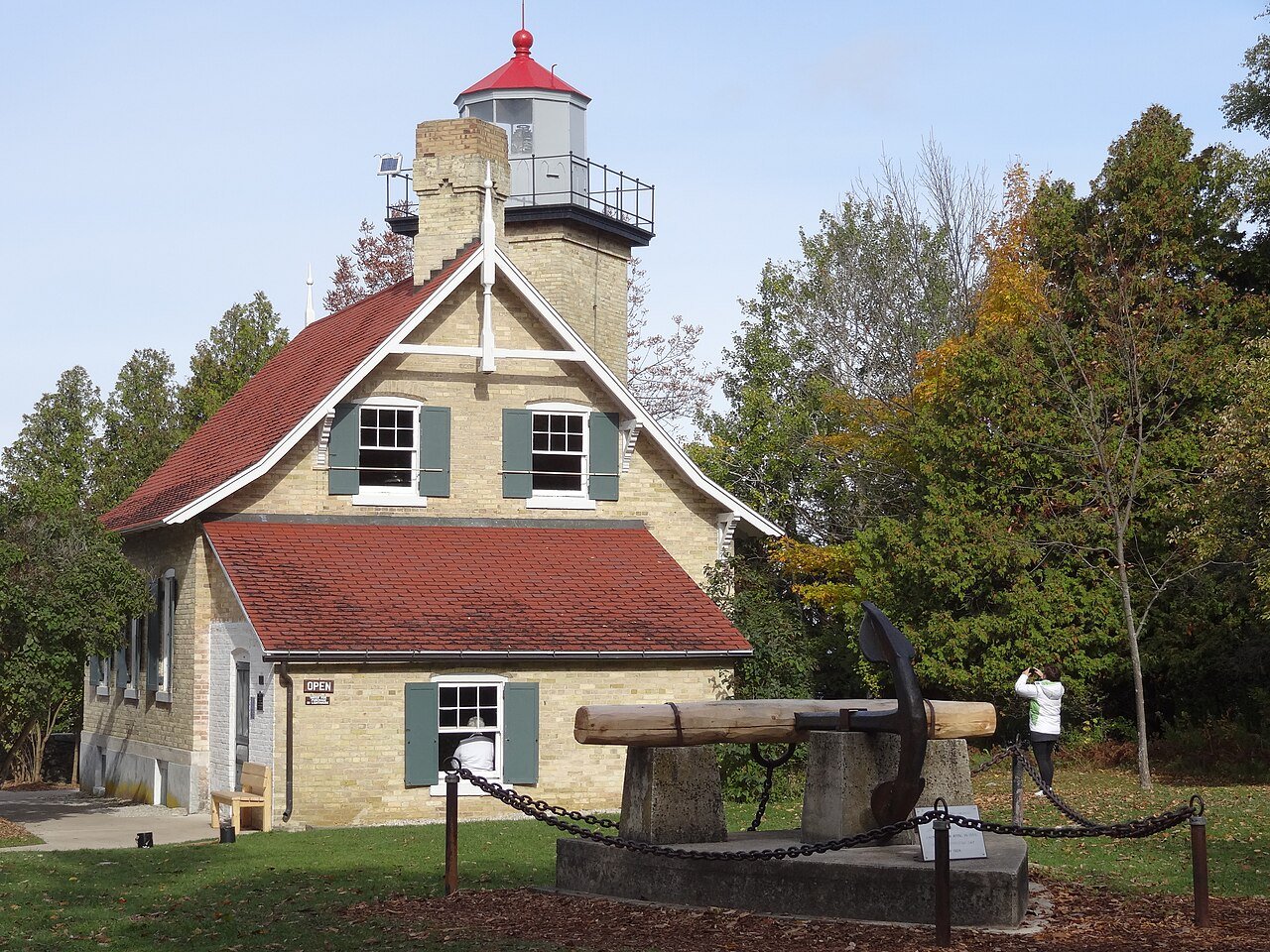
Door County, the limestone peninsula reaching into Lake Michigan between Green Bay and the open lake, is the state’s signature getaway — 300 miles of shoreline, five state parks, 11 lighthouses, cherry and apple orchards, and the fishing villages of Ephraim, Fish Creek, Egg Harbor, and Sister Bay that have kept their maritime character despite becoming premium resort towns. The peninsula’s geography — Green Bay’s warmer waters on one side and Lake Michigan’s colder, clearer waters on the other — creates contrasting landscapes across its parks: Peninsula State Park (3,776 acres, eight miles of Green Bay shoreline, Door County’s most visited park) delivers the full peninsula experience, from limestone bluff overlooks to sandy beaches to the outdoor performances of Northern Sky Theater. Cave Point County Park’s wave-carved limestone shoreline and Newport State Park’s designated dark-sky status for stargazing round out a park system that is remarkable for a county of 30,000 permanent residents.
Door County Highlights
- Peninsula State Park: 3,776 acres; Eagle Bluff Lighthouse; 9.6-mile Sunset Trail for cycling; summer outdoor theater
- Cave Point County Park: Wave-carved sea caves in Lake Michigan limestone; the peninsula’s most photographed geological feature
- Fish boil tradition: Door County’s signature culinary event — whitefish and potatoes cooked in an outdoor cauldron, finished by throwing kerosene on the fire to create the “boilover”; performed nightly at The Old Post Office and other restaurants May–October
- Cherry and apple orchards: U-pick orchards line County Road A and Highway 42 through the harvest season (August–October)
Milwaukee: The Craft Beer and Architecture Capital
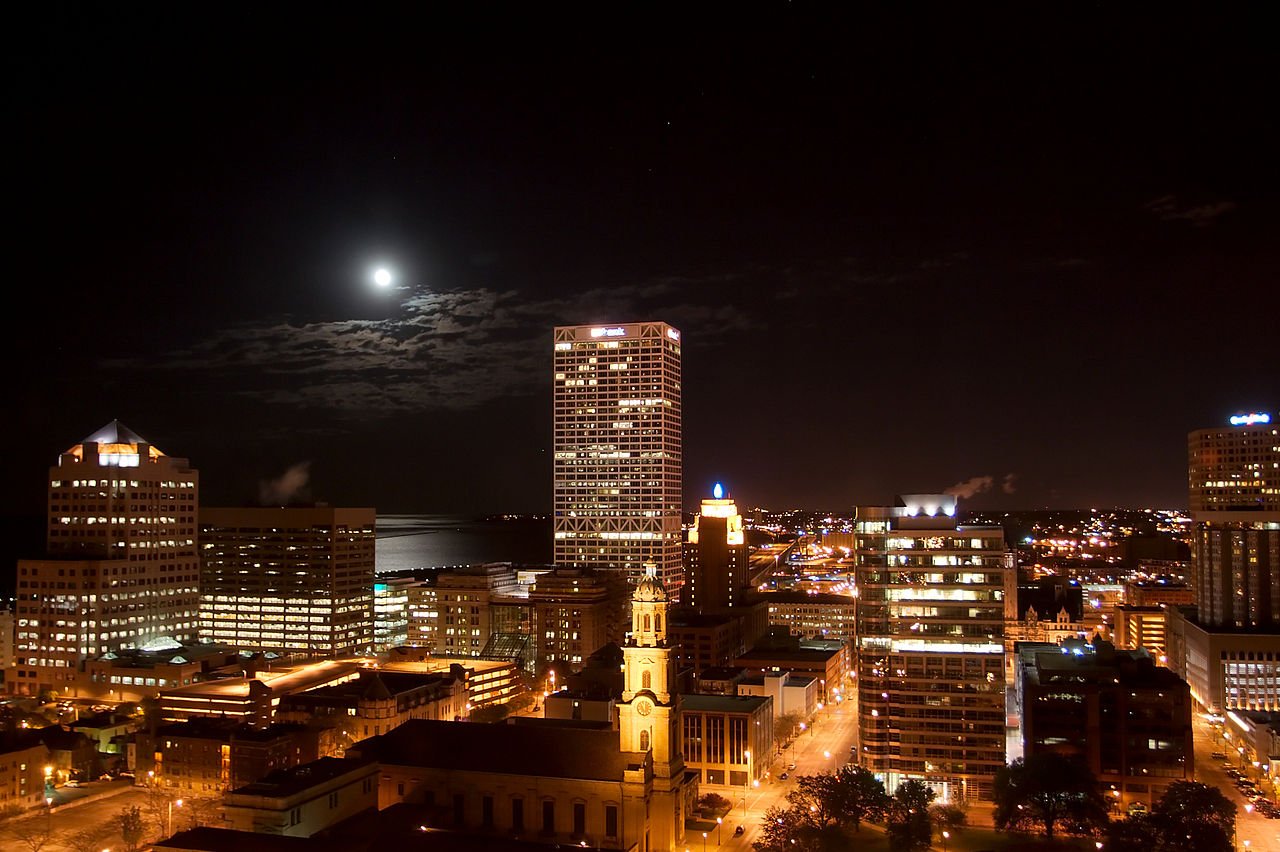
Milwaukee’s cultural turnaround over the past two decades has made it one of the Midwest’s more rewarding cities for visitors — a compact, walkable downtown that holds an unusually deep stock of Flemish Renaissance Revival commercial architecture (the Historic Third Ward and the Pabst Mansion run architectural tours that rival Chicago for built heritage), a craft beer scene that builds explicitly on the German brewing tradition that shaped the city (Lakefront Brewery, Sprecher, MKE Brewing, and the historic Pabst and Miller facilities all run tours), and Summerfest, the lakefront music festival that draws roughly 600,000 fans across three weekends and books more than 1,000 performances on multiple stages — billed as the world’s largest. The Milwaukee Art Museum’s Santiago Calatrava-designed Quadracci Pavilion, its brise soleil opening like a bird’s wings twice daily, is among the region’s signature buildings.
Madison: Lakes, University, and the Wisconsin Idea
Madison, the state capital and home of the University of Wisconsin’s flagship 51,000-student campus, sits on a narrow isthmus between Lake Mendota and Lake Monona, a geographic setting that has kept it near the top of national livability rankings for years. State Street (the pedestrian corridor connecting the Capitol to the UW campus) packs independent restaurants, bookstores, coffee shops, and live music venues into six blocks. The Saturday Dane County Farmers’ Market (one of the nation’s largest producer-only markets, circling the Capitol Square) draws 20,000-plus shoppers weekly from April through November. The UW Terrace (Memorial Union’s lakefront patio on Lake Mendota) is one of the Midwest’s best public gathering spaces — sunset views over the water with live music and Wisconsin beer, open to all.
Wisconsin Dells: America’s Waterpark Capital
Wisconsin Dells, a resort city of 3,000 permanent residents in the Wisconsin River’s sandstone gorge country, is the most concentrated waterpark destination in the world — with more than 20 indoor and outdoor parks packed into a 10-mile corridor, the Dells draws roughly 4 million visitors a year for the combination of waterpark thrills and the original natural draw: the Dells themselves, the rock formations carved by glacial flooding through Wisconsin sandstone that 19th-century photographer H.H. Bennett made famous. Upper Dells and Lower Dells boat tours navigate the gorge, the Original Wisconsin Ducks run amphibious land-and-water tours that date to the postwar era, and the newer Kalahari and Great Wolf Lodge complexes mark the high end of indoor waterpark resort development.
Wisconsin’s Cheese and Culinary Trail
Wisconsin’s identity as the nation’s dairy capital is inseparable from its travel experience — the state produces about 25% of all American cheese, and the Wisconsin cheese trail links dozens of artisan creameries, farmstead cheesemakers, and historic factories across the state. The Monroe area in Green County is the Swiss cheese capital of the United States, where Emmentaler-style wheels have been made since Swiss immigrants settled in the 1840s, while Carr Valley Cheese and the Hook’s Cheese Company near Madison carry the artisan creamery tradition forward. The Friday fish fry — rooted in the Catholic immigrant culture of Milwaukee and Green Bay — is as much a cultural institution as a meal, turning taverns, restaurants, and VFW halls across the state into weekly community gatherings.
Frequently Asked Questions
What makes Door County Wisconsin’s most celebrated destination?
Door County — the limestone peninsula reaching into Lake Michigan between Green Bay and the open lake — is Wisconsin’s most visited getaway, drawing millions of travelers a year to 300 miles of shoreline, five state parks, 11 lighthouses, cherry and apple orchards, and the fishing villages of Ephraim, Fish Creek, Egg Harbor, and Sister Bay that have kept their maritime character despite becoming premium resort towns. Peninsula State Park (3,776 acres, the county’s most visited park) takes in the Eagle Bluff Lighthouse, eight miles of Green Bay shoreline, and a landscape of limestone bluffs reachable on 20 miles of hiking, biking, and ski trails. The peninsula’s cherry orchards bloom in mid-May and reach harvest in July — the Door County Cherry Festival and the orchard u-pick operations are among the most distinctive Midwest agricultural tourism experiences. Whitefish Dunes State Park (on the Lake Michigan side) protects the largest sand dunes on Wisconsin’s Lake Michigan shore. The Door County Maritime Museum in Sturgeon Bay documents the peninsula’s shipbuilding and fishing history. Fall visits (September–October) rival Vermont for color quality and come with far less crowding than the summer peak.
What makes Milwaukee a more interesting destination than its reputation suggests?
Milwaukee has remade itself from a Rust Belt industrial city into a destination with an unusually deep stock of Flemish Renaissance Revival commercial architecture (the Historic Third Ward and downtown streets are a walking architecture tour of late-19th-century American commercial ambition), a Summerfest music festival (three weekends each June and July on the lakefront) billed as the world’s largest by attendance (roughly 600,000 across its run), and a craft brewery and beer hall culture built on the German immigrant heritage that made the city America’s brewing capital in the 19th century. The Milwaukee Art Museum’s Calatrava addition (the Burke Brise Soleil, a moving sunscreen that opens and closes its fins twice daily) is the most architecturally significant building in Wisconsin. The Third Ward’s gallery and restaurant scene (Braise, Odd Duck, and the Milwaukee Public Market nearby) shows off the city’s culinary revival. The Harley-Davidson Museum (hundreds of motorcycles across a 20-acre campus along the Menomonee River) is among the most significant motorcycle museums in the world. Lakefront Brewery — founded in 1987 and housed since 1998 in a former Milwaukee Electric Railway and Light Company power plant on the river — runs one of the most celebrated brewery tours in the Midwest.
What is Madison like as a place to visit and live?
Madison (about 280,000 residents), the capital and home of the University of Wisconsin (51,000 students), sits on a dramatic isthmus between Lakes Mendota and Monona — a setting that ranks among the most beautiful state-capital locations in the country. State Street (the pedestrianized corridor connecting the State Capitol to the university campus) packs independent restaurants, bookstores, and the Overture Center for the Arts into a walkable spine that defines Madison’s intellectual character. The Saturday Dane County Farmers’ Market (on the Capitol Square, one of the largest producer-only markets in the US) is a Madison institution. Olbrich Botanical Gardens and Tenney Park provide lakefront access, and the Lake Mendota shoreline opens to the public at multiple points. Madison has ranked among the most livable US cities by several indexes for its mix of employers (Epic Systems, American Family Insurance, state government, and the UW complex), outdoor access, and food and arts scene. Housing medians in the $400,000–$550,000 range make it one of the more affordable Big Ten university cities.
What is Wisconsin’s cheese culture and why is it nationally significant?
Wisconsin produces about 25% of all American cheese — more than any other state by a wide margin — from a dairy industry anchored by roughly 5,000 dairy farms and processed through dozens of cheesemaking facilities. The state’s cheese culture is built on European immigrant heritage (German, Scandinavian, Swiss, and Italian dairy traditions) and a Master Cheesemaker certification that has produced the highest concentration of certified cheese artisans in the country. The Wisconsin Master Cheesemaker program (established 1994, run by the Center for Dairy Research at UW-Madison) is the only program of its kind in the United States and requires 10-plus years of cheesemaking experience plus years of additional study. Notable Wisconsin cheeses include Carr Valley’s award-winning aged wheels and Uplands Cheese Company’s Pleasant Ridge Reserve — the most-awarded cheese in American history, the only one to win American Cheese Society Best of Show three times. The Mars Cheese Castle near Kenosha and the cheese curd stops across Wisconsin’s central dairy country offer the most accessible introductions to the state’s cheese culture.
What unique natural landscapes does Wisconsin offer beyond the Great Lakes shoreline?
Wisconsin’s most distinctive natural landscape is the Driftless Area — the southwestern corner of the state (and parts of Minnesota, Iowa, and Illinois) that every Pleistocene glacier missed, leaving a pre-glacial topography of dramatic ridges, deep valleys, limestone bluffs, and cold-water trout streams that exists nowhere else in the upper Midwest. The Driftless Area’s coulees (steep-sided river valleys), spring-fed streams (Vernon and Crawford Counties rank among the finest trout fishing in the Midwest), and ridge-top drives provide a striking contrast to the flat terrain that defines much of the surrounding region. The Apostle Islands National Lakeshore on Lake Superior’s Chequamegon Bay — 21 islands plus 12 miles of mainland shoreline, with sea caves reachable by kayak in summer and on foot across the frozen lake in winter — is one of the best sea kayaking destinations in the freshwater United States. In winter, when Lake Superior freezes hard enough, the Apostle Islands ice caves draw tens of thousands of visitors on foot — an unusual and memorable cold-weather landscape.