Wisconsin’s residential landscape pairs Midwestern affordability with genuine Great Lakes access, university-town culture, and a regional identity built around cheese, supper clubs, Friday fish fries, and Packers football. The state’s strongest places to live run from Madison, a fixture on national “most livable” rankings, to Milwaukee’s reviving urban neighborhoods to the Door County peninsula towns that blend resort-area amenities with year-round community. Green Bay, Appleton, and Eau Claire anchor the secondary-city options, delivering full small-city services at costs below Madison and Milwaukee. For households built around outdoor recreation, the Apostle Islands area, the Driftless Area’s coulee country, and the Northwoods lake districts combine natural beauty with small-town character.
1. Madison: The Isthmus City
Madison’s appeal is the most complete in Wisconsin — a walkable city of roughly 290,000 built on the isthmus between Lakes Mendota and Monona, with the UW campus, State Street, and the Capitol Square anchoring its intellectual and cultural life. The Willy Street neighborhood (Williamson Street, east of downtown) is the city’s most eclectic corner: the Willy Street Co-op, independent restaurants, the Barrymore Theatre, and affordable craftsman homes on the east isthmus draw young professionals and longtime locals alike. Marquette, on the east-side lakefront within biking distance of downtown, and the Near West Side, with its Victorian houses near Monroe Street’s independent shops, rank among the most established and sought-after addresses. Median prices of $380,000–$460,000 reflect the university-and-government employment premium.
2. Milwaukee: Bay View and the Third Ward
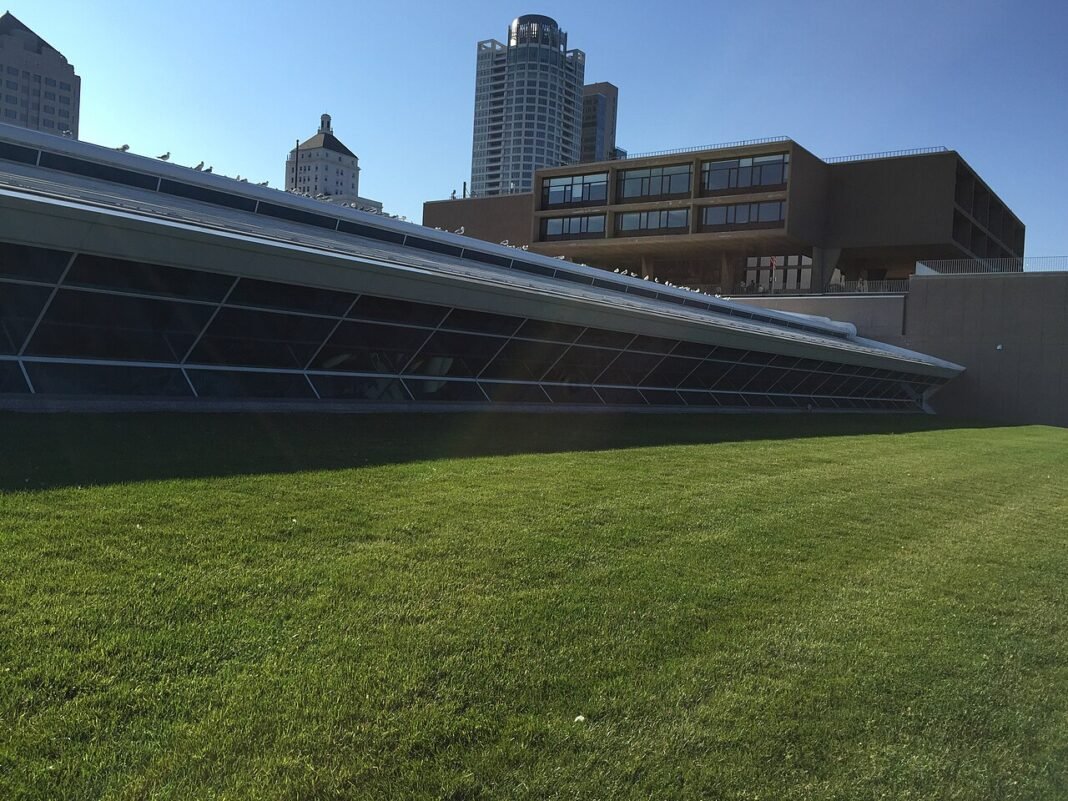
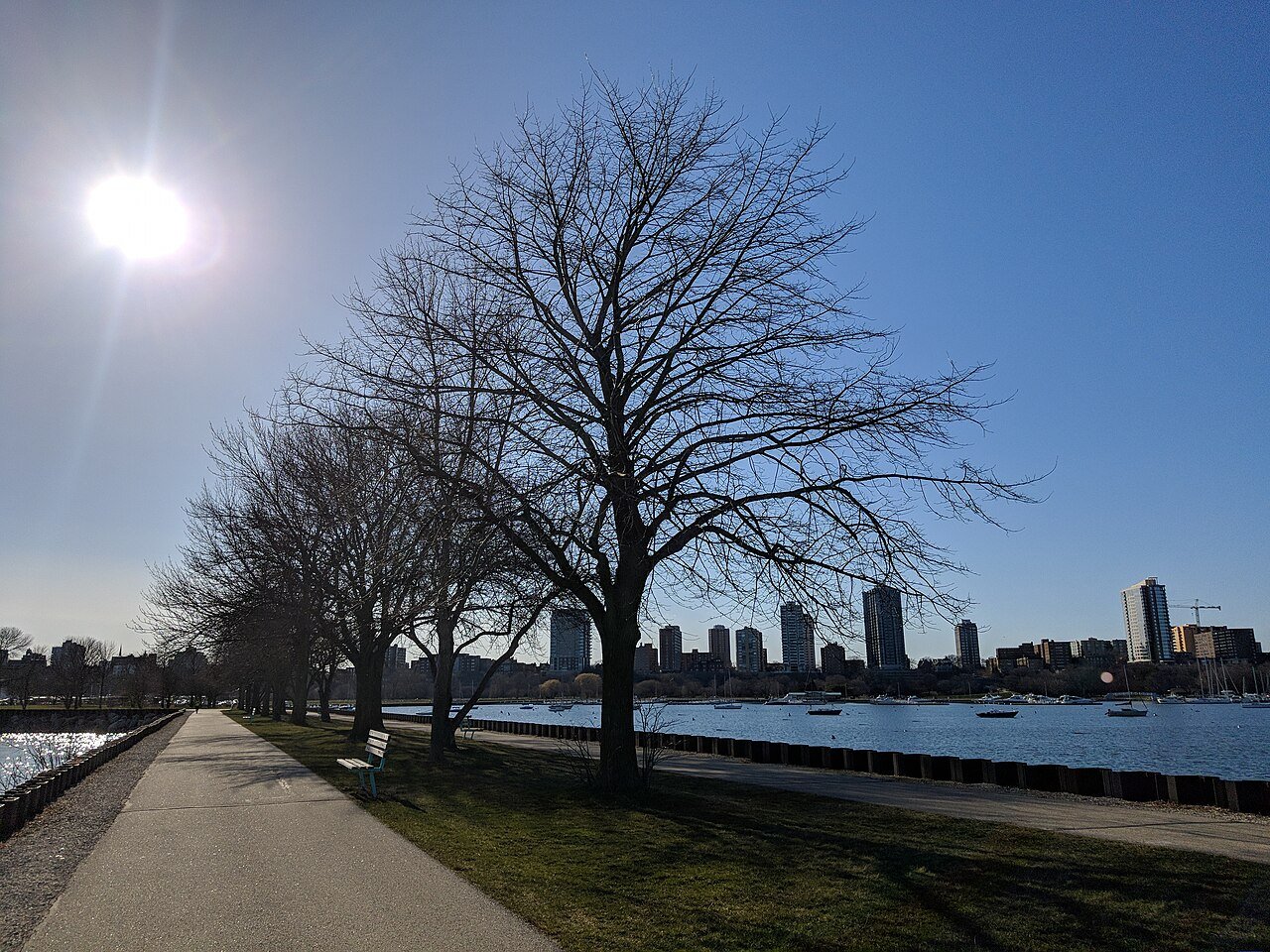
Milwaukee’s best residential neighborhoods carry the city’s layered character — industrial heritage, deep immigrant roots (Polish, German, Italian, African American), and a creative revival now pulling in young professionals drawn to a rare mix of affordability and urban texture. Bay View, on the south lakefront, is the neighborhood everyone talks about: a former steel-mill town with a village-like commercial strip on Kinnickinnic Avenue, craftsman bungalows on tree-lined streets, direct Lake Michigan access at South Shore Park, and median home prices of $280,000–$380,000 that buy real value in a walkable lakefront setting. The Historic Third Ward — gallery district, Milwaukee Public Market, Riverwalk access — is the city’s most polished neighborhood, and it prices accordingly at $350,000–$550,000 for renovated lofts and condominiums.

3. Green Bay: Titletown Value
Green Bay, home of Lambeau Field and the Green Bay Packers — the only publicly owned major professional sports franchise in the United States — is Wisconsin‘s third-largest city and its best housing value among communities with full urban services. The metro of about 328,000 carries a revitalized Broadway District, the National Railroad Museum, the Green Bay Botanical Garden, and a craft-beer scene led by Titletown Brewing and Hinterland Brewery. A housing market at $230,000–$290,000 median delivers serious purchasing power, while Allouez and De Pere on the Fox River make the most appealing suburban alternatives. The Packers’ centrality to local life — game days at Lambeau, the stadium-tour economy, and the community ownership model — is genuinely without parallel in American sports.
4. Eau Claire: Northwoods Lifestyle Hub
Eau Claire, set where the Eau Claire and Chippewa Rivers meet in western Wisconsin, has reinvented itself over the past decade through the Confluence arts district — a 44-acre development on the Chippewa River anchored by the Pablo Center performing arts venue — alongside a growing craft-beer scene and a music-town reputation tied to native son Justin Vernon of Bon Iver, whose Eaux Claires festival returned in 2026 after a multi-year hiatus. The University of Wisconsin-Eau Claire, with about 10,000 students, supplies the academic energy; the Chippewa Valley’s trail network and the Northwoods lakes an hour’s drive away supply the outdoor access. Median home prices of $210,000–$270,000 make all of it remarkably affordable for a city investing this heavily in culture.
5. Bayfield and the Apostle Islands: Northern Wisconsin Character
Bayfield, a city of roughly 580 residents on the Lake Superior shore opposite the Apostle Islands, is the most distinctive small-town address in Wisconsin — a Victorian commercial district, the Apostle Islands National Lakeshore ferry dock, apple orchards on the hillsides above town, and the Big Top Chautauqua performing-arts tent hosting summer programming above the lake. The lake country around Bayfield — the Namekagon and St. Croix National Scenic Riverways, the Chequamegon-Nicolet National Forest — offers wilderness on par with Minnesota’s Boundary Waters at prices that haven’t yet caught the premium BWCA proximity commands across the border. Lakefront and water-view properties run $250,000–$500,000.
6. Appleton: Fox Valley Value
Appleton, at the center of the Fox Cities metro in the Fox River Valley between Green Bay and Oshkosh, is the state’s fifth-largest city and its most economically balanced secondary market — 80,000 residents, Lawrence University supplying intellectual energy, a College Avenue lined with independent restaurants and the Fox Cities Performing Arts Center, and a paper-and-manufacturing base that has broadened into healthcare and financial services. The History Museum at the Castle holds a celebrated Harry Houdini collection (Houdini grew up in Appleton), an unexpected cultural draw. Median home prices of $220,000–$290,000 buy excellent value in a fully functioning small city, and the Fox River’s urban trail keeps recreation close to the core.
Making Your Decision
Choosing where to live in Wisconsin comes down to honestly matching your priorities with what each city and community genuinely delivers. Budget, career opportunities, access to outdoor recreation, climate preferences, and community character all weigh differently depending on your life stage and values — and no ranking can substitute for that personal assessment. The cities and towns profiled in this guide represent the strongest overall options, but Wisconsin has smaller communities that offer compelling alternatives for those willing to trade urban convenience for affordability, quieter living, or closer access to natural landscapes. If possible, spend at least a long weekend in your shortlisted communities before committing — the practical factors matter enormously, but so does the less quantifiable sense of whether a place simply feels right for where you are in life.
Frequently Asked Questions
What makes Madison consistently one of America’s most livable cities?
Madison’s appeal is the most complete in Wisconsin — a walkable city of roughly 290,000 built on the isthmus between Lakes Mendota and Monona, with the University of Wisconsin campus, State Street, and the Capitol Square anchoring intellectual and cultural life. The Willy Street neighborhood (Williamson Street, east of downtown) is the city’s most eclectic corner, with the Willy Street Co-op, independent restaurants, the Barrymore Theatre, and affordable craftsman homes. Marquette and the Near West Side, near Monroe Street’s independent shops, rank among the most established and sought-after addresses. Median prices of $380,000–$460,000 reflect the university-and-government employment premium, and the Dane County Farmers’ Market on the Capitol Square — the largest producer-only farmers market in the United States — anchors the city’s civic calendar year-round.
What makes Bay View and the Historic Third Ward Milwaukee’s most desirable neighborhoods?
Milwaukee’s strongest residential neighborhoods reflect the city’s industrial heritage, immigrant roots, and current creative revival. Bay View, on the south lakefront, is the neighborhood everyone talks about — a former steel-mill town with a village-like Kinnickinnic Avenue commercial district, craftsman bungalows on tree-lined streets, direct Lake Michigan access at South Shore Park, and median home prices of $280,000–$380,000 that buy real value in a walkable lakefront setting. The Historic Third Ward (gallery district, Milwaukee Public Market, Riverwalk access, and the finest Cream City brick warehouse architecture in the Midwest) is the city’s most polished neighborhood at $350,000–$550,000 for renovated lofts and condominiums.
What makes Green Bay a uniquely compelling Wisconsin city?
Green Bay, home of Lambeau Field and the Green Bay Packers — the only publicly owned major professional sports franchise in the United States — is Wisconsin’s third-largest city and its best housing value among communities with full urban services. The revitalized Broadway District, the National Railroad Museum, the Green Bay Botanical Garden, and a thriving craft-beer scene (Titletown Brewing, Hinterland Brewery) build genuine urban amenity at median home prices of $230,000–$290,000. The Packers’ centrality to local life is unlike any other American franchise: game days at Lambeau, the community ownership model, and a season-ticket waiting list of roughly 140,000 names — more than the city’s own population — shape community identity here.
What makes Eau Claire Wisconsin’s most culturally surprising mid-sized city?
Eau Claire, set where the Eau Claire and Chippewa Rivers meet in western Wisconsin, has reinvented itself through the Confluence arts district (a 44-acre development on the Chippewa River anchored by the Pablo Center performing arts venue), a growing craft-beer scene, and a music-town reputation built around native son Justin Vernon of Bon Iver, whose Eaux Claires festival returned in 2026 after a multi-year hiatus. The University of Wisconsin-Eau Claire, with about 10,000 students, supplies the academic energy; the Chippewa Valley’s trail network and the Northwoods lakes an hour away supply the outdoor access. Median home prices of $210,000–$270,000 keep it remarkably affordable for a city investing this heavily in culture.
What makes Bayfield Wisconsin’s most distinctive small-town residential address?
Bayfield, a city of roughly 580 residents on the Lake Superior shore opposite the Apostle Islands, is the most distinctive small-town address in Wisconsin — a Victorian commercial district, the Apostle Islands National Lakeshore ferry dock, apple orchards on the hillsides above town, and the Big Top Chautauqua tent hosting summer performing arts above the lake. The surrounding lake country — the Namekagon and St. Croix National Scenic Riverways, the Chequamegon-Nicolet National Forest — offers wilderness on par with Minnesota’s Boundary Waters at prices below what BWCA proximity commands across the border. Lakefront and water-view properties run $250,000–$500,000 in a community that rewards prioritizing natural beauty over urban convenience.