
Quebec Travel Guide 2026: Montreal, Quebec City, and the Laurentians
Quebec is Canada’s most culturally distinct province — a French-speaking society of 8.7 million within a predominantly English-speaking continent, where the joie de vivre of the Québécois culture (festivals in January blizzards, terrasse dining that begins in April and ends in October, the world’s most intense hockey culture) coexists with a history that stretches from the First Nations of the St Lawrence valley through the French colonial era to the British conquest, confederation, and the quiet revolution of the 1960s. The province contains Canada’s most beautiful city (Quebec City, whose walled old town is the only fortified city north of Mexico), its most dynamic metropolis (Montreal, where French and English cultures have created a bilingual urban energy unlike any other North American city), and landscapes of extraordinary beauty from the Laurentian highlands north of Montreal to the Gaspésie Peninsula’s combination of mountain and sea that concludes the St Lawrence River’s journey to the Gulf.
Montreal: The Bilingual Metropolis
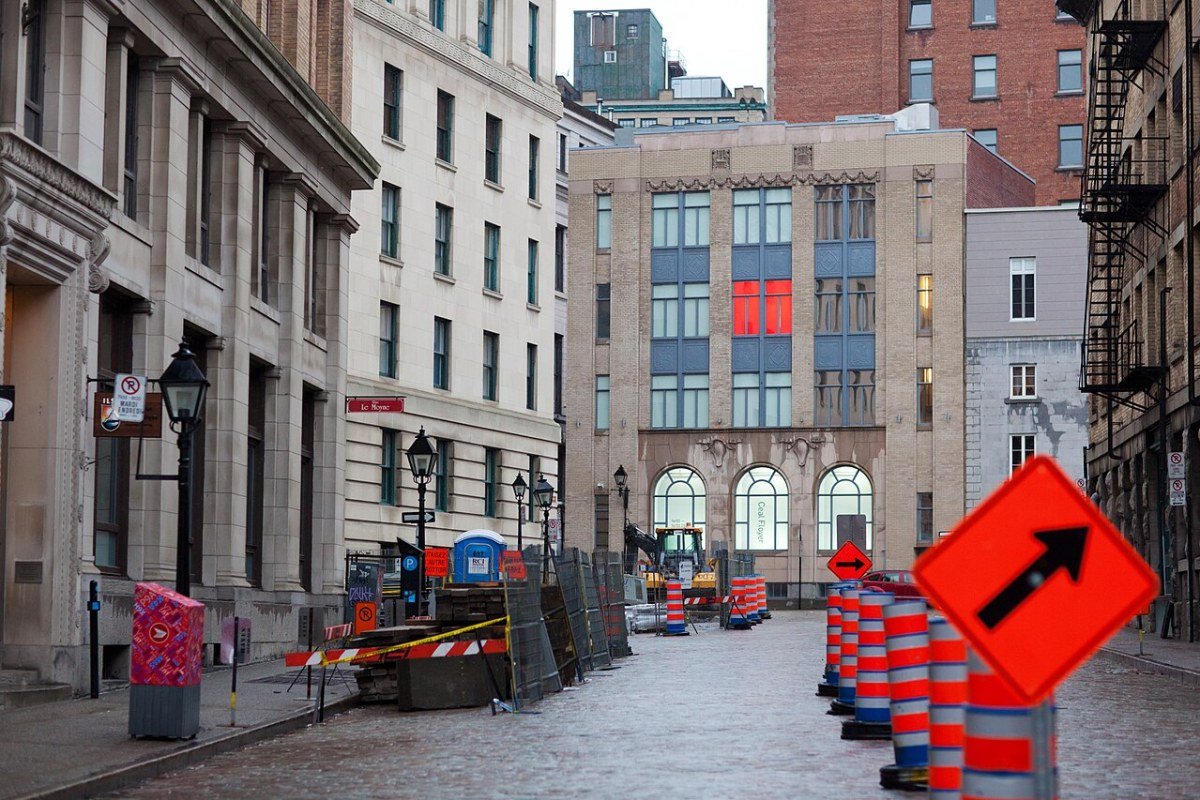
Montreal, Canada’s second-largest city (2.2 million in the metropolitan area), occupies an island in the St Lawrence River and is defined by the tension and creative energy between its French and English communities — a bilingual city where the French language is the official vehicle of public life but where the English-speaking community of the West Island and the university precincts (McGill, Concordia) maintains a cultural weight that makes the city genuinely bilingual in its daily reality. The Mile End (bagels from St-Viateur or Fairmount Bagel, smoked meat from Schwartz’s Deli, the Portuguese coffee shops and Jewish delis of a neighbourhood that absorbed wave after wave of immigrant communities in the 20th century), the Plateau-Mont-Royal (the row houses with exterior staircases that define the Montreal streetscape, the Parc Lafontaine summer culture), the Old Port (Vieux-Montréal’s cobblestone streets, the Basilique Notre-Dame-de-Montréal, and the Old Port’s waterfront), and the underground city (the RÉSO, 33km of climate-controlled tunnels connecting the downtown core) are the defining Montreal geographies.
Montreal Must-Experiences
- Basilique Notre-Dame-de-Montréal: The 1829 Gothic Revival basilica in Old Montreal; the most ornate interior of any church in North America; the AURA light show (evenings) transforms the interior into an immersive arts experience
- Schwartz’s Deli: The original Montreal smoked meat on St-Laurent Boulevard since 1928; a cultural institution of the first order; the queue is part of the experience
- Mont Royal Park: Frederick Law Olmsted’s 1876 park design on the 232m hill above the city; the Kondiaronk Belvedere lookout provides the most complete view of Montreal and the St Lawrence; cross-country skiing in winter
- Jean-Talon Market: The finest year-round farmers’ market in Canada; the fruit and vegetable abundance of Quebec’s summer produce is extraordinary; the attached artisan food producers complete the experience
- Jazz Festival: Festival International de Jazz de Montréal (late June–early July); the largest jazz festival in the world by attendance; 1,000+ concerts, 500+ outdoors and free

Quebec City: The Walled City
Quebec City (550,000 in the metropolitan area), the provincial capital on the cliffs above the St Lawrence River, is Canada’s most historically complete city — a UNESCO World Heritage Site whose old town contains the continent’s only surviving fortified city walls north of Mexico, the 17th-century streets of the Lower Town (Basse-Ville) around Place Royale, and the iconic Château Frontenac (the most photographed hotel in the world) on the promontory above. The Dufferin Terrace boardwalk alongside the Château provides the viewing platform over the St Lawrence; the funicular connects Upper and Lower Towns; the St-Jean-Baptiste neighbourhood’s Grande-Allée restaurant strip is the city’s social artery. The Carnaval de Québec (February, the largest winter carnival in the world) and the Festival d’été de Québec (July, 300 concerts over 11 days) define the city’s festival calendar.
The Laurentians and the Eastern Townships
The Laurentian Mountains, beginning just 80km north of Montreal, provide Quebec’s year-round outdoor recreation landscape — ski resorts (Mont-Tremblant, the premier ski destination east of the Rockies; Mont Saint-Sauveur; Grey Rocks), summer lake communities (the chalets of the lac du Nord country), the P’tit Train du Nord cycling trail (232km through the former railway corridor), and the summer music festivals of the Laurentian villages create a four-seasons recreation destination within two hours of Montreal’s 2 million residents. The Eastern Townships (Estrie), south of Montreal toward the Vermont border, provide a different character — rolling dairy country of 19th-century anglophone settlement converted to a wine country landscape (Coaticook, Dunham, and the Brome-Missisquoi wine route), apple orchards, maple syrup producers, and the recreational lakes of the Memphrémagog lakeshore.
The Gaspésie: Where the St Lawrence Meets the Sea
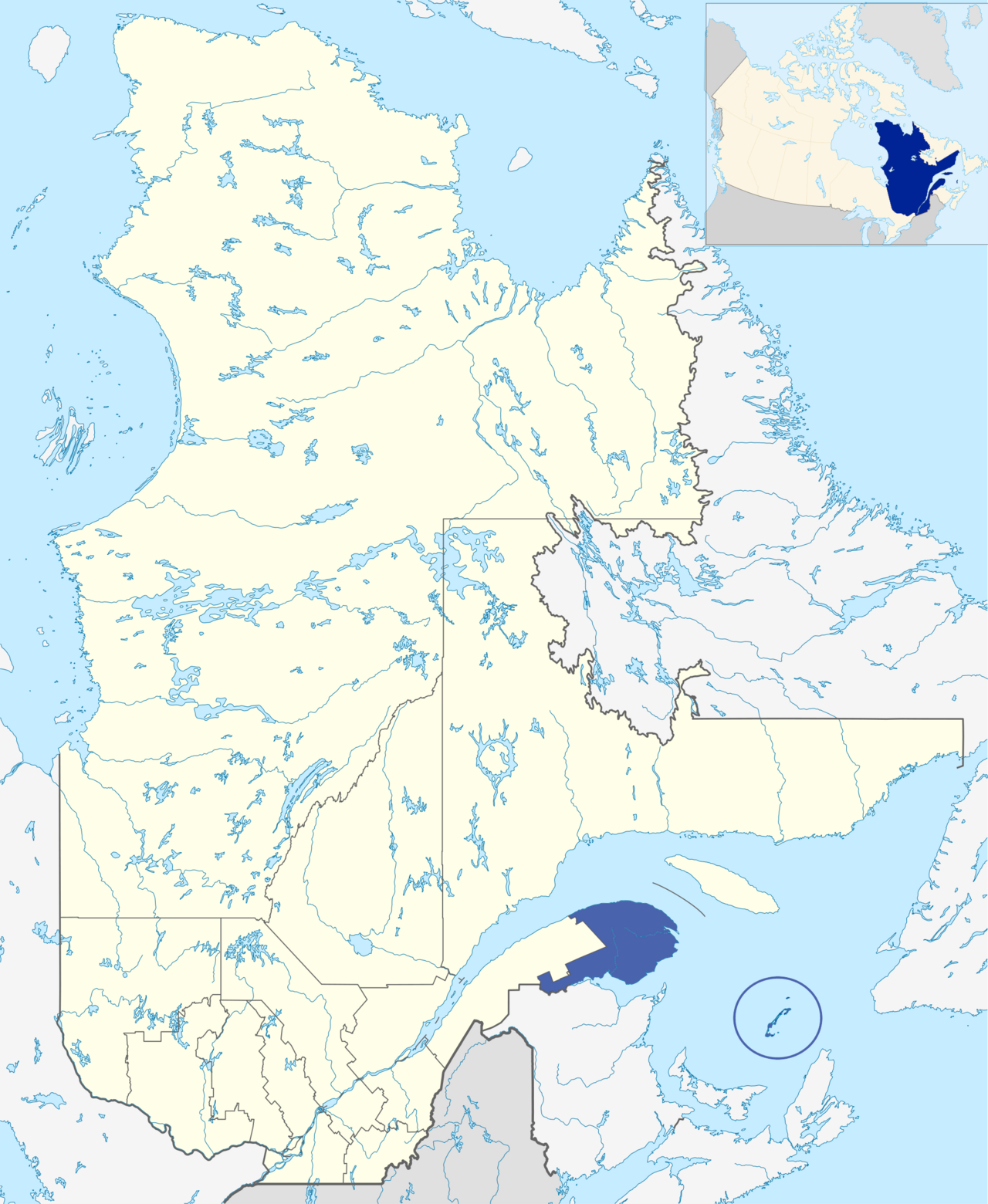
The Gaspésie Peninsula, 900km east of Montreal where the St Lawrence River broadens into the Gulf, combines the Chic-Chocs Mountains (the highest peaks in Eastern Canada outside Newfoundland), the Forillon National Park’s combination of mountain and sea cliff at the peninsula’s tip, the Percé Rock (a pierced limestone monolith rising from the Gaspé Bay, one of Quebec’s most recognisable natural symbols), and the Île Bonaventure seabird colony (one of the world’s largest northern gannet colonies, accessible by boat from Percé) in a destination that rewards the commitment of the 900km drive from Montreal with landscapes of genuine grandeur and a Gaspesian fishing community culture of extraordinary character.
Getting the Most Out of Your Visit
A few practical points that will improve any trip to Quebec. Book accommodation and major attractions — particularly national parks, popular hiking trails, and well-known restaurants — as far in advance as possible; the most desirable options can fill weeks or months ahead, especially in peak season. Having a car provides the most flexibility for exploring beyond the main centers, and most of Quebec’s most rewarding experiences are in places not easily reached by public transport. The best local knowledge is often found in regional visitor centers, independent bookshops, and by talking to residents — the most memorable discoveries on any trip are rarely the ones in the guidebooks. Allocate more time than you think you need: Quebec consistently rewards travelers who slow down and explore in depth rather than trying to cover maximum ground in minimum time.