British Columbia Travel Guide 2026: Vancouver, Whistler, and the Pacific Coast
British Columbia is Canada’s most geographically spectacular province — the Pacific Rim’s mountains, fjords, old-growth rainforests, and the world’s most accessible whale-watching and bear-viewing concentrations combine with Vancouver’s world-class urban culture to create a province that delivers both the urban and wilderness experiences at the highest level available in North America. The Coast Mountains rise directly from the tidal waters of the Strait of Georgia and the Inside Passage; the Okanagan Valley’s sun-baked vineyards produce Pinot Noir and Chardonnay of international calibre; the Great Bear Rainforest along the central coast harbours the white Spirit Bear (the Kermode bear, a black bear with a recessive white gene) and summer salmon runs that feed the grizzly bears of the Knight Inlet and Bella Coola River systems. Vancouver itself — the sea-to-sky city framed by the North Shore mountains and bounded by the Pacific — is consistently rated among the world’s most liveable and visited cities, combining Pacific Rim food culture with one of Canada’s most concentrated outdoor recreation environments within 30 minutes of the downtown core.
Vancouver: The Pacific Gateway
Vancouver, Canada’s third-largest city (2.6 million in the metropolitan area) and its primary Pacific gateway, occupies a peninsula between English Bay, Burrard Inlet, and the Fraser River delta — a geography that creates a city where the downtown seawall (22km of continuous waterfront cycling and walking path around the peninsula) provides a daily urban outdoor recreation infrastructure unmatched in any other Canadian city. The West End’s beach avenue (English Bay Beach, Sunset Beach, the Stanley Park seawall), Granville Island’s public market (the most vibrant urban public market in Canada west of Toronto’s St Lawrence), the Gastown cobblestone heritage district, and the North Shore’s Lonsdale Quay (accessible by SeaBus across Burrard Inlet) define the visitor geography. The food culture — driven by Vancouver’s extraordinary multicultural diversity (Cantonese dim sum in Richmond, Japanese ramen on Robson Street, South Asian curry in Surrey, and the Pacific Northwest cuisine of the fine dining establishments in the West End and Yaletown) — makes Vancouver one of North America’s great food cities.
Vancouver Must-Experiences
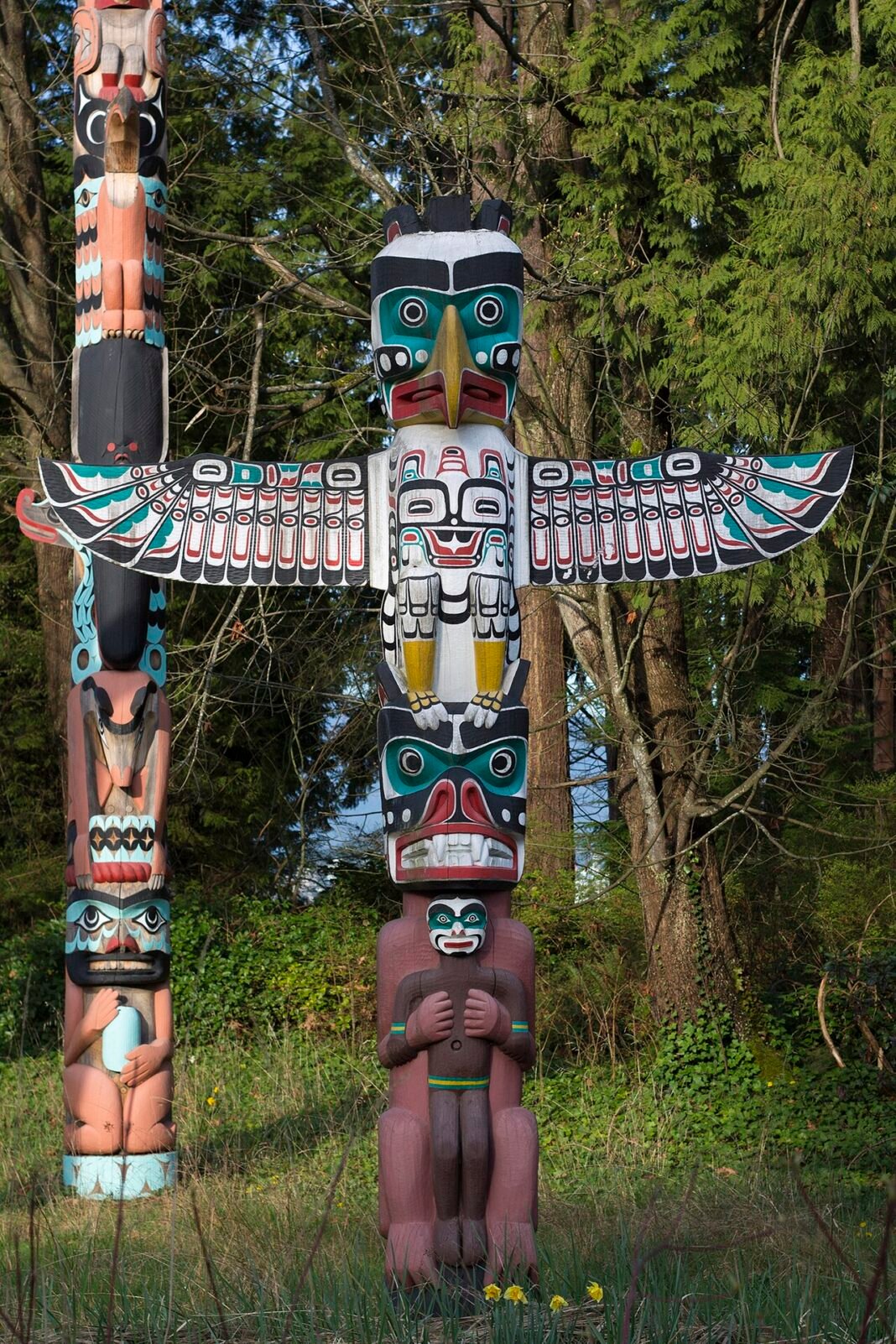
- Stanley Park: The 405-hectare park on the western tip of the downtown peninsula; the seawall, Lost Lagoon, the Hollow Tree, the Prospect Point lookout, and the totem poles of Brockton Point define Canada’s most visited urban park
- Granville Island Public Market: The most complete fresh market in Western Canada; local produce, artisan bakers, fishmongers, and the Net Loft craft market compound; accessible by Aquabus from Yaletown
- Capilano Suspension Bridge: 140m span, 70m above the Capilano River gorge in North Vancouver; the Cliffwalk and Treetops Adventure canopy add forest immersion to the gorge crossing
- Gastown: The 1867 founding neighbourhood of Vancouver; cobblestone Carrall Street, the Steam Clock, and the concentration of restaurants, galleries, and independent retailers in the converted warehouse buildings
- Vancouver Aquarium (Stanley Park): Canada’s largest aquarium; belugas, Pacific white-sided dolphins, sea otters, and the Pacific Northwest marine environment interpretation
,_Gastown_Steam_Clock_--_2022_--_1824.jpg?width=1200)
Whistler and the Sea-to-Sky Corridor
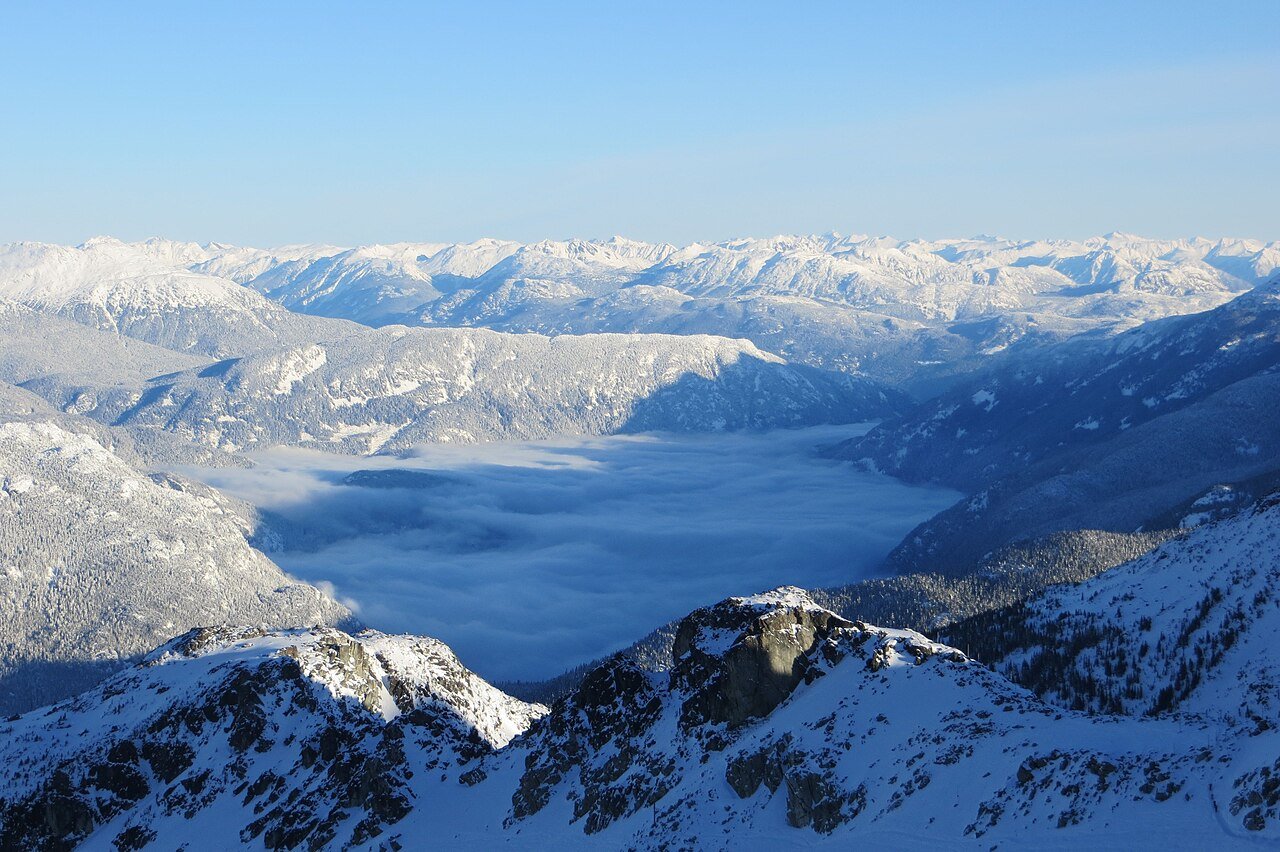
The Sea-to-Sky Highway (Highway 99) from Vancouver to Whistler through the Coast Mountains is one of the world’s great scenic drives — 120km from ocean to alpine, passing Horseshoe Bay, the Squamish Chief (the world’s second-largest granite monolith, a magnet for rock climbers), the Shannon Falls (335m, British Columbia’s third-highest waterfall), and the Garibaldi Provincial Park wilderness before arriving at Whistler Village. Whistler Blackcomb — two mountains joined by the 4.4km Peak 2 Peak gondola (436m above the valley floor), with 8,171 acres of skiable terrain, 200+ marked runs, and a vertical drop of 1,609m — is North America’s largest and most celebrated ski resort. The summer mountain bike park (Whistler Bike Park, 80+ trails on the mountain), the Lost Lake cross-country ski network, and the valley trail system provide the summer and shoulder season complement.
Victoria and Vancouver Island
Victoria, the provincial capital (400,000 in the metropolitan area) on the southern tip of Vancouver Island, is Canada’s most British city — a city of afternoon tea at the Empress Hotel, double-decker bus tours, the Inner Harbour’s float planes and whale-watching vessels, and the Butchart Gardens (a 55-acre garden of extraordinary beauty in a former limestone quarry 20km north of the city). The Royal BC Museum, the Beacon Hill Park, and the Oak Bay neighbourhood’s heritage streetscape complete the city experience. Further north on Vancouver Island, Tofino on the Pacific Rim National Park reserve coast provides Canada’s most celebrated surf town — Pacific swells on Long Beach, the Clayoquot Sound wilderness kayaking, and the Wickaninnish Inn’s perennial ranking among the world’s finest coastal hotels.
The Okanagan: Wine Country and Desert
The Okanagan Valley, 400km east of Vancouver in BC’s interior, is Canada’s most acclaimed wine region — a semi-arid valley of 200km length where the intense summer sun and cold nights produce Pinot Noir, Chardonnay, Merlot, and the Riesling and Gewurztraminer whites that have placed Mission Hill, Quails’ Gate, and Burrowing Owl among Canada’s most exported wine brands. Kelowna (210,000, BC’s fourth-largest city) anchors the valley with its waterfront Mission Creek greenway, the Okanagan Lake waterfront, and the Highway 97 winery corridor. The beaches of Okanagan Lake (Gyro Beach, Boyce-Gyro), the Myra Canyon Kettle Valley Rail Trail (trestles over the canyon), and the peach, cherry, and apple orchards of the summer farm stands complete the Okanagan picture.
Getting the Most Out of Your Visit
A few practical points that will improve any trip to British Columbia. Book accommodation and major attractions — particularly national parks, popular hiking trails, and well-known restaurants — as far in advance as possible; the most desirable options can fill weeks or months ahead, especially in peak season. Having a car provides the most flexibility for exploring beyond the main centers, and most of British Columbia’s most rewarding experiences are in places not easily reached by public transport. The best local knowledge is often found in regional visitor centers, independent bookshops, and by talking to residents — the most memorable discoveries on any trip are rarely the ones in the guidebooks. Allocate more time than you think you need: British Columbia consistently rewards travelers who slow down and explore in depth rather than trying to cover maximum ground in minimum time.