South Australia Travel Guide 2026: Adelaide, Barossa Valley, and the Outback
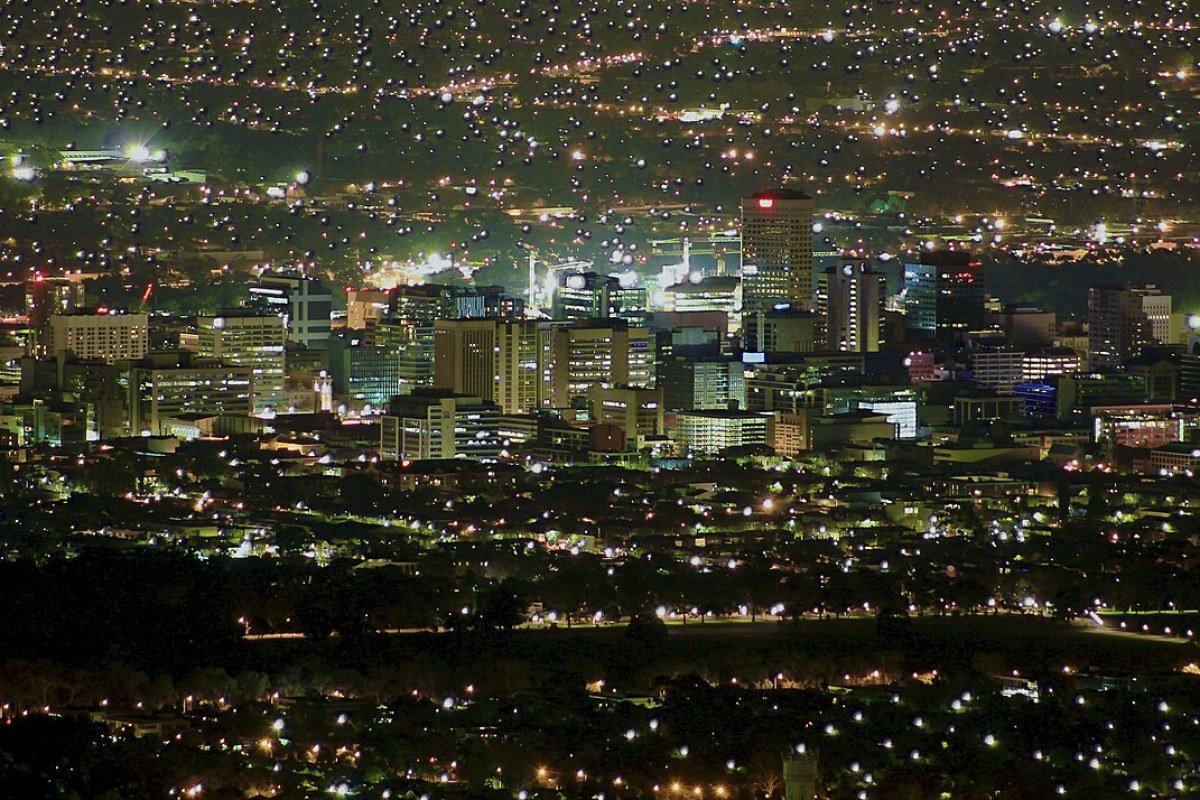
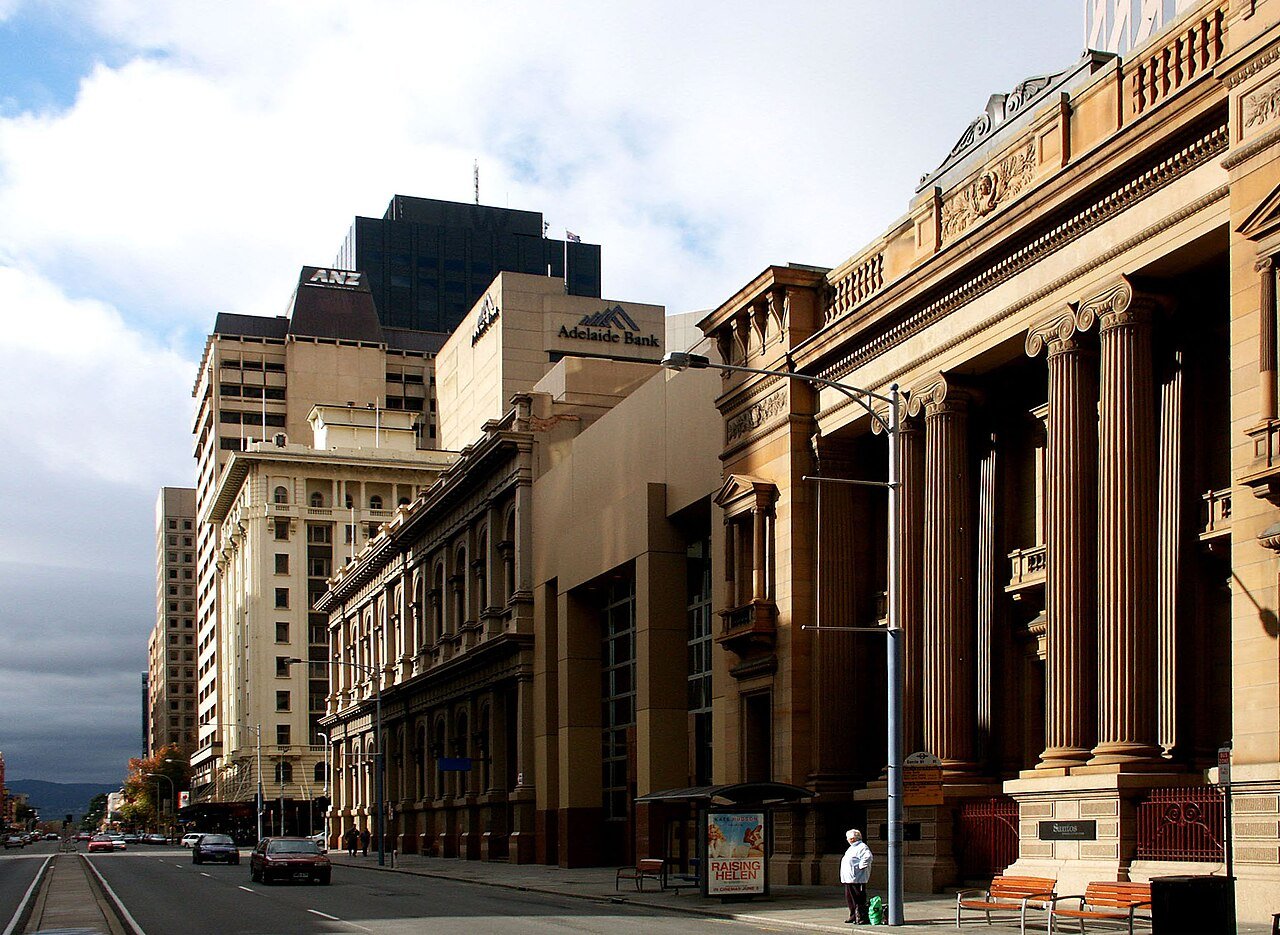
South Australia is Australia’s underrated state — a place where the cultural sophistication of Adelaide (Australia’s only planned city, laid out by Colonel William Light in 1836 in a grid of wide boulevards and park lands that has shaped urban life in the city ever since), the world-class wines of the Barossa Valley and McLaren Vale, the extraordinary wildlife of the Eyre Peninsula, the ancient desert landscapes of the Flinders Ranges, and the Kangaroo Island’s pristine wilderness combine to create a travel experience that Australians rate highly and international visitors are only beginning to discover. Adelaide’s food and wine culture has been shaped by its wine-country proximity more than any other Australian city — the Adelaide Central Market (the largest undercover fresh produce market in the Southern Hemisphere), the Adelaide Hills producers, the Barossa’s continental heritage, and a restaurant scene that consistently ranks among Australia’s best for value and quality make the city the finest food destination in Australia for travellers who know where to look. The Festival City reputation — the Adelaide Festival, Adelaide Fringe (the world’s second-largest fringe festival after Edinburgh), WOMADelaide, and the Tour Down Under cycling race — fills the Adelaide arts calendar from January through March with events that draw visitors from across Australia and internationally.
Adelaide: The Festival City
Adelaide’s urban character is defined by Colonel Light’s 1836 grid — a system of wide parallel streets bisected by green park lands that ring the city centre, creating a visual and functional separation between the CBD and the surrounding suburbs that is unique among Australian cities. The result is a city that feels simultaneously intimate and open: the cultural and commercial district is compact enough to walk, and the park lands are immediately visible from virtually every city street. Key Adelaide experiences:
- Adelaide Central Market (Gouger Street): Operating since 1869, the largest undercover fresh produce market in the Southern Hemisphere; 250+ stalls; the finest cheese, deli, and fresh produce shopping in South Australia; Tuesday–Saturday
- North Terrace Cultural Boulevard: The Art Gallery of South Australia, the South Australian Museum, the State Library, and the University of Adelaide fronting the park lands in a concentration of institutions that defines Adelaide’s cultural character
- Adelaide Fringe (February–March): The world’s second-largest arts festival after Edinburgh; 1,200+ events across the city; the Garden of Unearthly Delights at Rundle Park is the festival’s physical heart
- Rundle Street/Rundle Mall: Adelaide’s primary retail and hospitality precinct; East End’s Victoria Street concentrates the restaurants; Peel Street’s laneway bar scene is the city’s most creative nightlife

Barossa Valley: Australia’s Wine Capital
The Barossa Valley, 70km northeast of Adelaide, is Australia’s most famous wine region and one of the world’s great wine destinations — a compact valley of 14,000 hectares planted predominantly to Shiraz, Grenache, Riesling, and Semillon, producing wines at the full range of quality from everyday table wines to the trophy bottles (Penfolds Grange, Henschke Hill of Grace, Yalumba’s The Signature) that define Australian fine wine internationally. The valley’s Lutheran heritage (German and Silesian settlers arrived in the 1840s, fleeing religious persecution) persists in the architecture of Tanunda, Angaston, and Seppeltsfield, and in the smoked mettwurst and preserved fruit traditions that still define the Barossa foodscape alongside the contemporary wine-country dining at Hentley Farm, Fino, and Appellation.
Kangaroo Island: Pristine Wilderness
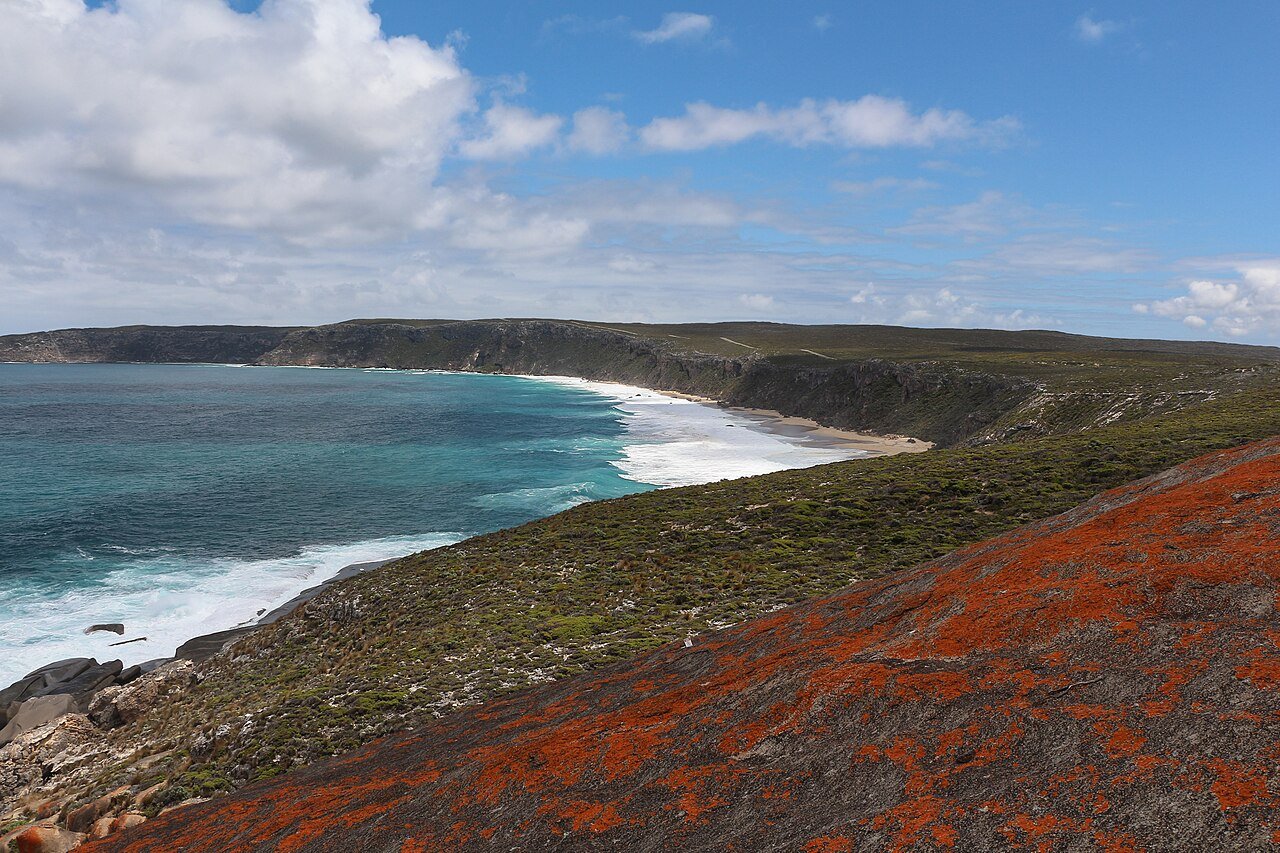
Kangaroo Island, Australia’s third-largest island at 4,400 square kilometres, 13km off the Fleurieu Peninsula, is one of the most significant wildlife refuges in the southern hemisphere — 34% national park and conservation land, with endemic subspecies of kangaroo, wallaby, and glossy black-cockatoo existing on an island that has no introduced predators (foxes and rabbits were never established). The Remarkable Rocks (granite boulders balanced impossibly on a dome of rock above the Southern Ocean) and Admirals Arch (a natural rock arch framing a colony of New Zealand fur seals) in Flinders Chase National Park are the island’s most dramatic natural features. The island’s honey (the world’s last remaining source of pure Ligurian bees, uncontaminated by Varroa mite), marron, sheep’s milk cheese, and oysters from American River Inlet create a food identity as distinct as the wildlife.
Flinders Ranges: Ancient Outback
The Flinders Ranges, 400km north of Adelaide, contain some of the oldest exposed geology on Earth — 800-million-year-old Precambrian quartzite ridges folded into the most dramatic landscape in South Australia. Wilpena Pound (a natural amphitheatre 17km wide enclosed by the Pound Range) is the iconic feature and the base for the region’s hiking; the Arkaba Conservancy’s walking safaris provide multi-day access to the northern Flinders’ private conservation land; Arkaroola in the northern Flinders provides the darkest night skies in South Australia for the astronomy tourism that has become a signature Outback experience.
Planning Your South Australia Visit
South Australia’s geography makes itinerary planning straightforward — Adelaide is the hub, and every major destination is a day trip or short overnight journey. The Barossa Valley (70km north, 1 hour) and McLaren Vale (45km south, 40 minutes) are natural day trips from Adelaide with cellar doors across both regions offering tastings without reservation in most cases. Kangaroo Island requires a flight (35 minutes from Adelaide Airport) or the SeaLink ferry from Cape Jervis (45 minutes south of Adelaide) plus the 45-minute crossing — a 2-night minimum stay is recommended to see the island’s main wildlife areas. The Flinders Ranges are best approached as a 3–4 night self-drive itinerary from Adelaide heading north via the Clare Valley wine region. The optimal South Australia travel window is April to November — the Mediterranean summer (December to March) can bring extreme heat that makes outdoor activities challenging, particularly in the Flinders and the outback.
Getting the Most Out of Your Visit
A few practical points that will improve any trip to South Australia. Book accommodation and major attractions — particularly national parks, popular hiking trails, and well-known restaurants — as far in advance as possible; the most desirable options can fill weeks or months ahead, especially in peak season. Having a car provides the most flexibility for exploring beyond the main centers, and most of South Australia’s most rewarding experiences are in places not easily reached by public transport. The best local knowledge is often found in regional visitor centers, independent bookshops, and by talking to residents — the most memorable discoveries on any trip are rarely the ones in the guidebooks. Allocate more time than you think you need: South Australia consistently rewards travelers who slow down and explore in depth rather than trying to cover maximum ground in minimum time.