Cost of Living in Queensland 2026: Brisbane Boom and Sunshine State Affordability
Queensland’s cost of living combines a state capital that has joined Australia’s unaffordable housing club (Brisbane’s median dwelling price crossed AUD $900,000 in 2025 after extraordinary appreciation during the pandemic interstate migration wave) with a regional and coastal market that still offers relative value compared to Sydney and Melbourne. The state’s financial advantages — no state income tax (Australia’s income tax is federal), sunshine coast lifestyle at lower price points than Sydney, and a rapidly growing economy anchored by resources, tourism, and the 2032 Olympics infrastructure investment — have made Queensland the primary destination for Australian interstate migration for three consecutive years. The honest picture for 2026: Brisbane is no longer cheap, the Gold Coast and Sunshine Coast have priced to Sydney-adjacent levels in desirable locations, but regional Queensland still offers genuine value for households willing to trade metropolitan density for subtropical lifestyle.
Queensland Cost at a Glance 2026
- Brisbane metro median dwelling price: AUD $850,000–$970,000
- Gold Coast median: AUD $850,000–$1.0M
- Sunshine Coast median: AUD $900,000–$1.1M
- Cairns median: AUD $480,000–$580,000
- Townsville median: AUD $380,000–$450,000
- Toowoomba median: AUD $420,000–$500,000
- Stamp duty: Queensland charges transfer duty on property purchases; first home buyer concessions available
Brisbane: From Affordable to Aspirational
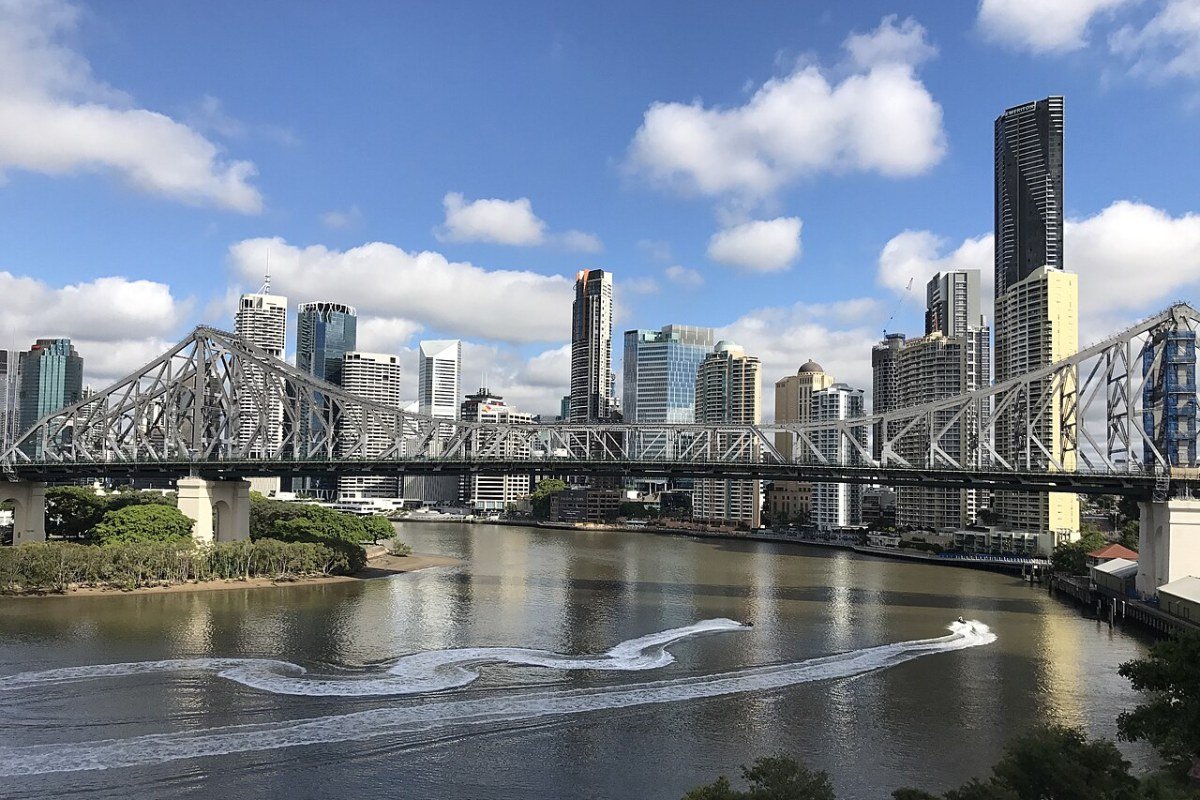
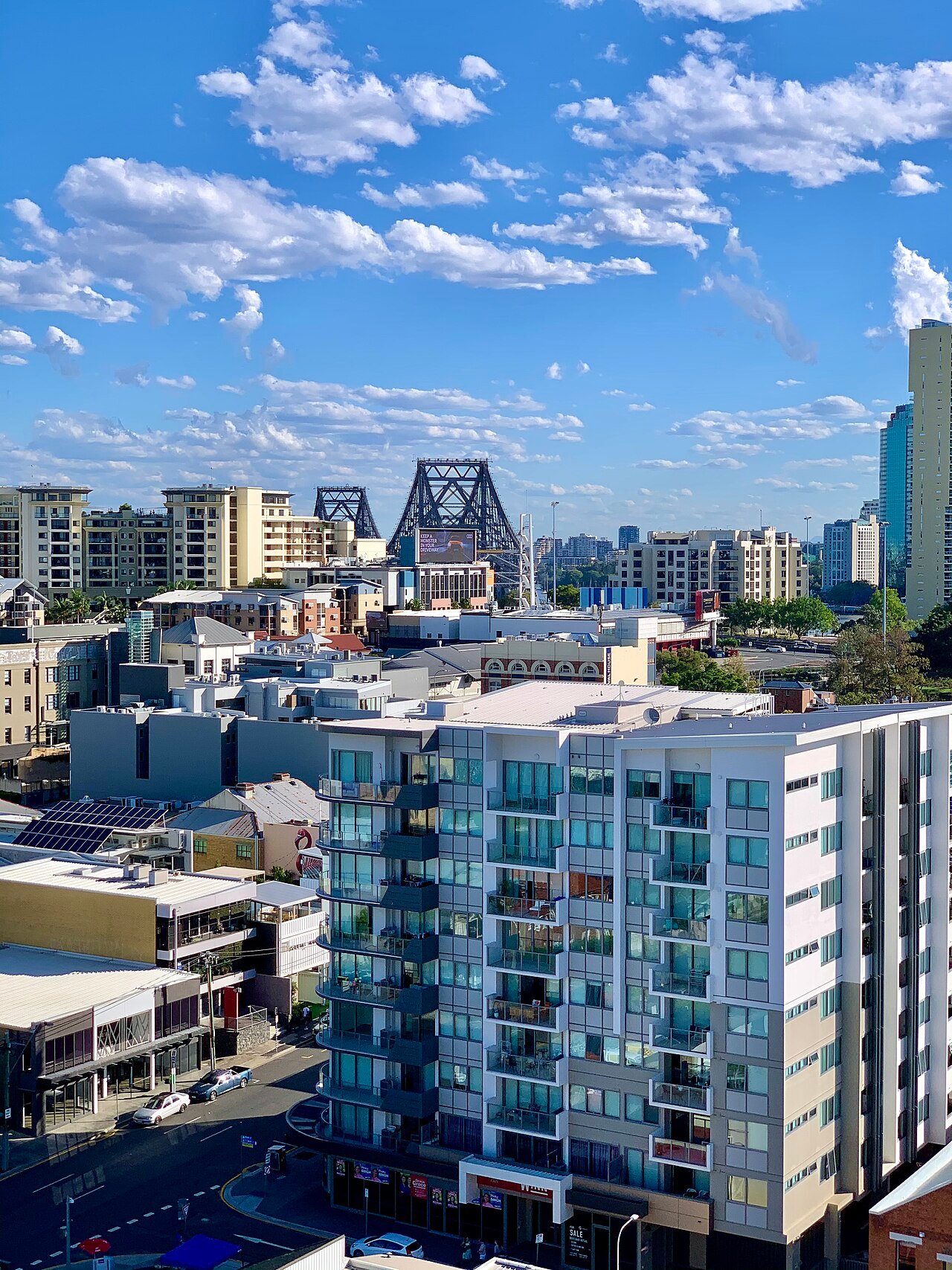
Brisbane’s housing market transformation between 2020 and 2025 was the most dramatic of any major Australian city — median prices appreciated approximately 60–70% in five years, driven by interstate migration from NSW and Victoria, record low interest rates, and the multiplier effect of 2032 Olympics announcement. The inner-city suburbs — New Farm, Teneriffe, Paddington, West End, and the Fortitude Valley — have crossed AUD $1.5M+ for entry-level houses and AUD $700,000+ for apartments, prices that would have been inconceivable in 2018. The middle-ring suburbs (Chermside, Indooroopilly, Carindale) provide more accessible entry points at AUD $800,000–$1.0M. Brisbane’s advantage relative to Sydney remains: comparable housing quality costs approximately 20–30% less, with superior climate, less congestion, and better overall livability by most assessments.

Gold Coast: Resort Premium
The Gold Coast’s housing market reflects its status as both a domestic tourism destination and Australia’s most sun-drenched lifestyle city — the combination of 300 days of sunshine, world-class surf, proximity to Brisbane’s employment market, and ongoing apartment development on the Broadwater provides a market with significant internal variation. Surfers Paradise apartments (AUD $500,000–$900,000) provide the most affordable coastal living in the Gold Coast; the southern beaches (Coolangatta, Palm Beach, Burleigh Heads) are the lifestyle premium addresses at AUD $1.2M–$2.5M+ for houses; the canal estates of Sovereign Islands and Hope Island command the highest prices in the Gold Coast at AUD $2M+.
Cairns: Tropical Affordability
Cairns remains one of Australia’s most affordable coastal cities — median prices of AUD $480,000–$580,000 reflecting the city’s dependence on tourism (which creates employment volatility) and its remoteness from the major eastern seaboard employment markets. For households working in the reef tourism industry, the healthcare sector, or capable of remote work, Cairns offers a combination of tropical lifestyle, reef access, rainforest surrounds, and housing cost that is genuinely extraordinary by Australian standards. The Cairns area’s Northern Beaches suburbs (Yorkeys Knob, Trinity Beach, Clifton Beach) provide the finest residential-quality coastal living at price points that feel anachronistic compared to the Gold and Sunshine Coasts.
Toowoomba and Regional Queensland
Toowoomba, Queensland’s second-largest inland city (160,000 residents), sits on the Darling Downs escarpment 130km west of Brisbane — a cool-climate garden city with a median dwelling price of AUD $420,000–$500,000 that makes it the most affordable substantial regional city within reasonable distance of Brisbane employment. Toowoomba’s horticultural gardens (the Carnival of Flowers festival each September is Queensland’s largest community festival), the University of Southern Queensland campus, and its direct highway connection to Brisbane via the Toowoomba Second Range Crossing (opened 2019) make it a genuine regional city rather than a dormitory town. Further north, Townsville (North Queensland’s major service centre at AUD $380,000–$450,000 median) provides the most affordable large city in Queensland, anchored by James Cook University and a substantial Defence Force presence.
Queensland’s Electricity Costs
Queensland’s electricity costs have been a significant household budget consideration — energy prices have increased substantially across Australia, and Queensland’s grid transition from coal to renewables has involved cost impacts that affect household budgets:
- Average household electricity cost: AUD $2,000–$3,000/year depending on usage and provider; air conditioning in Queensland’s tropical summers is a major driver
- Solar PV economics: Queensland’s solar irradiance makes solar panel payback among the fastest in the world; the Queensland government has historically offered generous feed-in tariff schemes; new homes and retrofits frequently incorporate solar
- Energy Relief Rebates: Queensland and federal government provide electricity rebates for eligible households; check current programs through Energex and the Queensland Government website
Who Queensland Makes Financial Sense For
Queensland’s financial case is most compelling for households whose work is anchored in Brisbane’s growing economy — particularly in construction and infrastructure (2032 Olympics pipeline), resources, healthcare, and the expanding technology sector concentrated in the inner city and South Bank precincts. For households with genuine location flexibility, the Cairns area and Townsville represent authentic value outliers in the Australian coastal market, combining tropical lifestyle with housing costs that recall what the Gold Coast offered a decade ago. The Sunshine State branding remains unusually accurate: Queensland’s climate, outdoor lifestyle, and housing prices that sit below Sydney equivalents continue to drive the strongest interstate migration in Australia.
Budgeting Practically for Queensland
Understanding the cost of living in Queensland is the foundation — the next step is knowing which costs are fixed and which can be optimized for your specific lifestyle. Housing is the largest variable in almost every budget, and choosing the right neighborhood within Queensland can produce dramatically different monthly costs while still keeping you close to the places and amenities you value most. Utilities, transport, and food costs compound over time, so even small differences per month become significant over a year. The cost advantages of Queensland relative to high-cost cities like New York, San Francisco, or Sydney are real and measurable — many people who relocate report significant improvements in their financial position alongside a better overall quality of life. Use these figures as a starting framework and verify current rental and property prices for your specific target area, since local markets can shift faster than annual cost-of-living studies.