
Cost of Living in Alberta 2026: No Provincial Income Tax and Calgary’s Housing Market
Alberta’s cost of living proposition is built on two structural advantages that make the province unique in Canada: no provincial income tax (Alberta is the only Canadian province without a provincial income tax, relying instead on resource royalties and federal transfers) and no provincial sales tax (the 5% federal GST applies, but no provincial PST or HST). The financial impact of these absences is substantial — a household earning CAD $150,000 in Alberta retains approximately CAD $10,000–$15,000 more annually than an equivalent household in British Columbia or Ontario after provincial taxes. This structural advantage has made Alberta, and particularly Calgary, the destination of choice for income-maximising households willing to accept the Prairie climate (cold winters, hot dry summers) and the boom-bust economic volatility of the oil-dependent provincial economy. The housing market has reflected the economic cycle — the 2014–2016 oil price collapse produced significant housing price declines and high vacancy rates in Calgary and Edmonton; the subsequent recovery and the sustained high oil prices of the early 2020s have driven prices back toward cycle highs. For 2026, Alberta’s housing market is robust but substantially more affordable than Vancouver and Toronto.
Alberta Cost at a Glance 2026
- Calgary average house price: CAD $650,000–$800,000 (detached); CAD $320,000–$430,000 (condos)
- Inner Calgary (Beltline, Inglewood, Ramsay): CAD $700,000–$1.1M (detached)
- Edmonton average: CAD $430,000–$560,000 (detached); CAD $200,000–$280,000 (condos)
- Lethbridge and Red Deer: CAD $280,000–$380,000
- Medicine Hat and Lloydminster: CAD $220,000–$320,000
- ENMAX/EPCOR electricity: Alberta’s deregulated electricity market means prices vary; average household CAD $1,400–$2,200/year; natural gas heating (common in Alberta) CAD $800–$1,400/year
- No provincial income tax: A household earning CAD $100,000 saves approximately CAD $6,000–$8,000/year vs Ontario; a household earning CAD $200,000 saves CAD $15,000–$20,000/year
- No provincial sales tax (PST): Only the federal 5% GST applies; savings on all taxable purchases compared to provinces with combined HST or GST+PST
Calgary: The Oil Capital’s Housing Market
Calgary’s housing market is the most cyclical of any major Canadian city — directly tied to the West Texas Intermediate oil price in a way that produces boom-time bidding wars and bust-time buyer’s markets within the same decade. The 2026 picture is a market that has recovered strongly from the 2014–2020 weakness and is priced broadly at mid-cycle levels — affordable relative to Vancouver and Toronto, but elevated relative to the levels that attracted eastern Canadian migrants during previous bust periods. The neighbourhood landscape:
- The Beltline: Calgary’s most urban neighbourhood; the 17th Avenue SW strip (the Red Mile) with its restaurants, bars, and boutiques; the 1970s-era high-rise condo stock being supplemented by new developments; condos CAD $300,000–$500,000; the most walkable address in Calgary
- Inglewood and Ramsay: The historic east end; Calgary’s arts and craft brewery community; independent restaurants on 9th Avenue SE; the Bow River pathway access; character houses CAD $600,000–$900,000; the most characterful inner-east alternative to the Beltline
- Kensington and Sunnyside: North of the Bow River, 10 minutes from the downtown core; the Kensington Road village strip; the Riley Park community hub; family detached houses CAD $700,000–$1.0M
- Mission and Cliff Bungalow: South of 17th Avenue SW; tree-lined streets of bungalows and infill housing; proximity to the Elbow River and Stanley Park; detached CAD $750,000–$1.2M
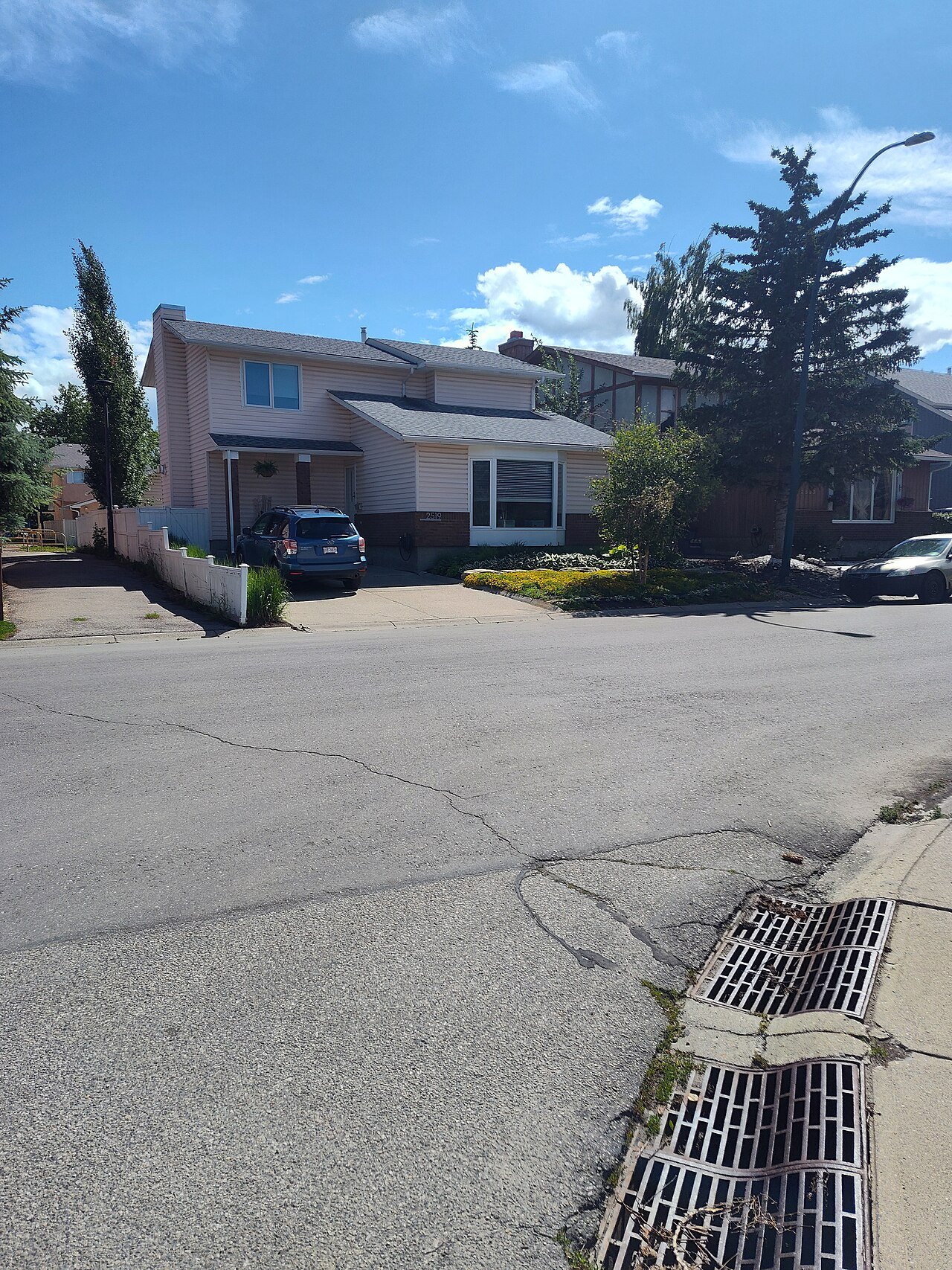
- New communities (Evanston, Mahogany, Auburn Bay): Calgary’s outer ring communities provide the most housing value — new detached homes at CAD $550,000–$750,000 in planned communities with lakes, pathways, and full suburban services

The Alberta Advantage: Tax Savings in Practice
The practical impact of Alberta’s tax advantages for households at different income levels:
- CAD $80,000 household income: Provincial income tax saving vs Ontario: approximately CAD $4,000–$5,500/year; vs BC: approximately CAD $3,500–$5,000/year
- CAD $150,000 household income: Provincial income tax saving vs Ontario: approximately CAD $10,000–$13,000/year; vs BC: approximately CAD $9,000–$12,000/year
- CAD $250,000 household income: Provincial income tax saving vs Ontario: approximately CAD $20,000–$25,000/year; the savings at this income level represent more than the housing price difference between Calgary and comparable neighbourhoods in Toronto or Vancouver
- No PST impact: A household spending CAD $50,000/year on taxable goods and services saves approximately CAD $3,500–$4,500 vs a province with 7–9% PST; the no-PST advantage is most significant for vehicles, electronics, and home furnishing purchases
Natural Gas and Home Heating
Alberta’s extensive natural gas infrastructure (the province produces more natural gas than any other Canadian province) means that home heating in Calgary and Edmonton is predominantly gas-fired, with some of the lowest natural gas rates in Canada. The practical heating cost for a detached house in Calgary winters (temperatures regularly reaching -20°C to -30°C) is CAD $150–$350/month for gas heating during the coldest months, with the annual total typically CAD $800–$1,400. For households comparing Alberta to BC (electric heating in milder winters) or Ontario (higher gas costs), the combination of lower gas prices and Alberta’s higher winter heating requirement produces broadly comparable annual energy costs.
Who Alberta Makes Financial Sense For
Alberta’s financial case is most compelling for high-income professionals in oil and gas, engineering, technology, and healthcare — industries where Alberta salaries are competitive with Ontario and BC while the provincial tax savings deliver a permanent income advantage of CAD $5,000–$25,000 annually depending on income level. For households prioritising mountain access alongside urban amenity, Calgary’s 90-minute proximity to Banff and the Rockies at housing prices 40–50% below comparable Vancouver neighbourhoods is the most compelling combination in Canada. Edmonton’s affordability — the most affordable major city in Canada at CAD $430,000–$560,000 median — suits households whose priorities are maximum value and northern Alberta’s resource economy employment. Alberta rewards those who run the numbers: the tax advantages compound over time into wealth-building advantages that outlast any housing cycle.