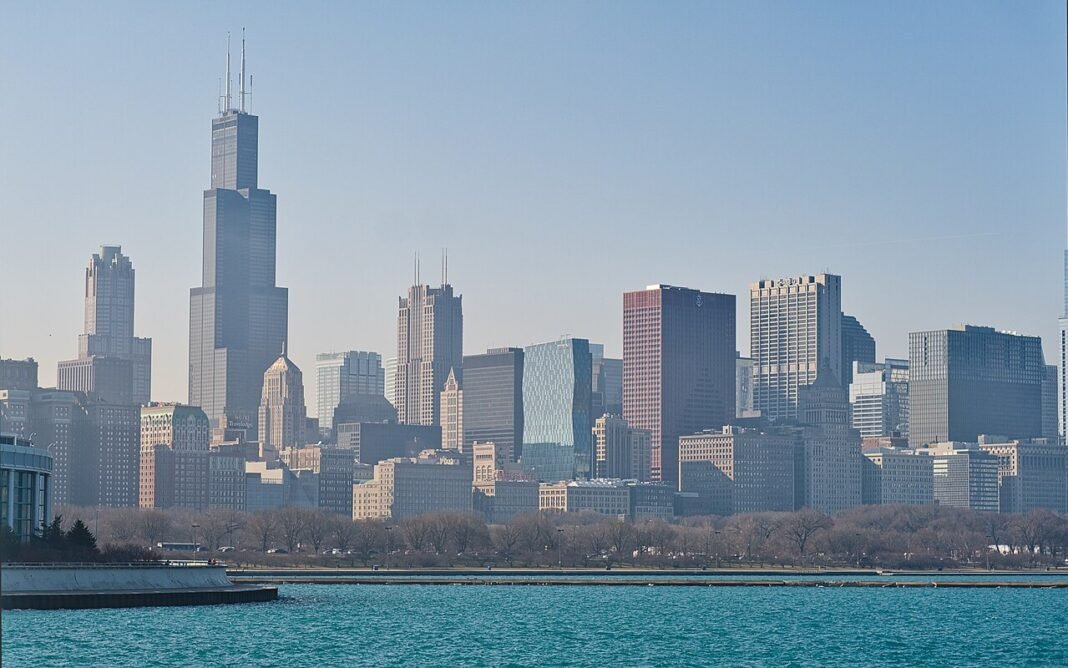

Choosing where to live in Illinois means navigating not just cities but the particular quality and character of each community within a state of extraordinary geographic and economic range. A North Shore suburb, a Chicago bungalow block, a Champaign college town, and a downstate river city are fundamentally different living propositions, each with its own tradeoffs in cost, amenity access, community culture, and long-term continuity. This guide covers the most relevant options across the state.
1. Chicago — Lincoln Park and Lakeview: The North Side Premium
Lincoln Park and Lakeview have ranked among Chicago’s most desirable residential neighborhoods for decades, and the reasons are easy to read on the ground. Transit runs deep here, with multiple CTA Red Line and Brown Line stations feeding the Loop. The lakefront trail and Lincoln Park itself — the city’s largest park, home to the free Lincoln Park Zoo, the Nature Museum, Diversey Harbor, and 1,200 acres of green space — sit minutes from most front doors. Lakeview’s Southport Avenue and Lincoln Park’s Armitage Avenue rank among the finest neighborhood commercial streets in Chicago, and the housing stock runs from historic Victorian greystone mansions to glassy new condominium towers.
.jpg?width=1200)
The price of all this is real. Single-family homes in Lincoln Park start at $700,000 and climb quickly into the millions, while condominiums in both neighborhoods land between $350,000 and $700,000. What you buy is a walkable, transit-connected urban life within 20 to 30 minutes of the Loop by CTA — the kind of life that would demand a car in almost any less-dense American city.
2. Chicago — Logan Square and Wicker Park: Creative Urban Living
On Chicago’s northwest side, Logan Square and Wicker Park hold the current center of the city’s creative and food-culture gravity. Independent restaurants, cocktail bars, music venues, bookstores, and coffee shops cluster thickly, reflecting the young professionals, artists, and tech workers who have settled here over the past two decades. The Blue Line connects both neighborhoods to the Loop in 15 to 25 minutes. Overhead runs the 606 Trail, a 2.7-mile elevated greenway built on the old Bloomingdale Line freight railroad, which has become one of Chicago’s most beloved public spaces.
Prices have climbed steeply from their pre-gentrification baselines. A Logan Square condominium now runs $320,000 to $500,000, and single-family homes there fall between $550,000 and $800,000; Wicker Park sits a notch higher. The commercial energy and transit access draw residents who want urban walkability above all — though the displacement of longtime locals by those rising prices remains a genuine community conflict, and prospective buyers should understand it as part of the neighborhood’s contemporary character.
.jpg?width=1200)
3. Evanston — The North Shore’s Most Livable City
Immediately north of Chicago on Lake Michigan, Evanston is the most fully realized suburb in the metro area — a real city of roughly 77,000 with Northwestern University at its center. Its downtown carries a strong roster of independent restaurants and retail, while three Metra commuter rail stations and seven CTA Purple Line stations give residents several ways into the Loop. Neighborhood character shifts from the Victorian lakefront mansions of the shoreline to the modest Craftsman bungalows of the western streets. The university adds cultural programming, employment, and a population mix that makes Evanston feel more cosmopolitan than most suburbs its size.
None of this comes cheap, even by North Shore standards. Lakefront blocks regularly clear $1.5 million, and median prices in the most sought-after neighborhoods run $550,000 to $900,000. Property taxes are steep, a reflection of Cook County’s structure and a well-funded school district. Still, the blend of walkability, transit, cultural density, and genuine urban texture sets Evanston apart from the more sprawling suburbs farther up the lakeshore.
4. Oak Park — Frank Lloyd Wright Country
West of Chicago’s city limits on the Green and Blue Line corridors, Oak Park holds the highest concentration of Frank Lloyd Wright buildings anywhere in the world — 25 structures, including his Home and Studio (a National Historic Landmark where Wright lived and worked from 1889 to 1909) and Unity Temple, among the finest Prairie Style buildings ever realized. Ernest Hemingway was born here, too, giving a village of 54,000 a literary and architectural depth that few municipalities its size can match.
Much of the housing dates from the late 19th and early 20th century, lending a historic texture that newer suburbs simply can’t manufacture. Median home prices fall between $350,000 and $550,000 — under the North Shore premium but above the Bungalow Belt. Add strong schools, a walkable downtown, and reliable transit, and Oak Park becomes one of the most balanced suburban choices in the metro for families who value architectural heritage and cultural access.
5. Champaign-Urbana — College Town Value
Home to the University of Illinois at Urbana-Champaign — one of the nation’s top public universities, with one of the country’s strongest public computer science programs — Champaign-Urbana offers the most distinctive cost-to-quality ratio in the state outside its peer college towns. A campus of nearly 60,000 students generates a restaurant scene, an arts calendar, and a music culture far larger than the region’s population would suggest. The Krannert Art Museum, the Krannert Center for the Performing Arts, and Big Ten athletics deliver the kind of amenities that normally require a much bigger city.
Median single-family homes here run $180,000 to $270,000 — dramatically below Chicago, with only a mild premium over other downstate cities driven by university demand. The local economy has broadened with tech startups and research spin-offs from the campus. For households with remote income or academic and research work, Champaign-Urbana packs urban amenity density into a small-city footprint that is genuinely hard to find elsewhere in Illinois.
6. Springfield — Capital City Stability
As Illinois’s capital, Springfield draws steady employment from state agencies, healthcare institutions, and the legal sector that clusters around any seat of government. The Abraham Lincoln Presidential Library and Museum pulls in significant tourism, and median home prices of $130,000 to $180,000 make the city one of the most affordable mid-sized markets in the Midwest with a full range of urban services. The Route 66 heritage corridor still runs through town on its historic alignment, adding economic activity and a layer of historic interest that sets Springfield apart from comparable Midwest capitals.
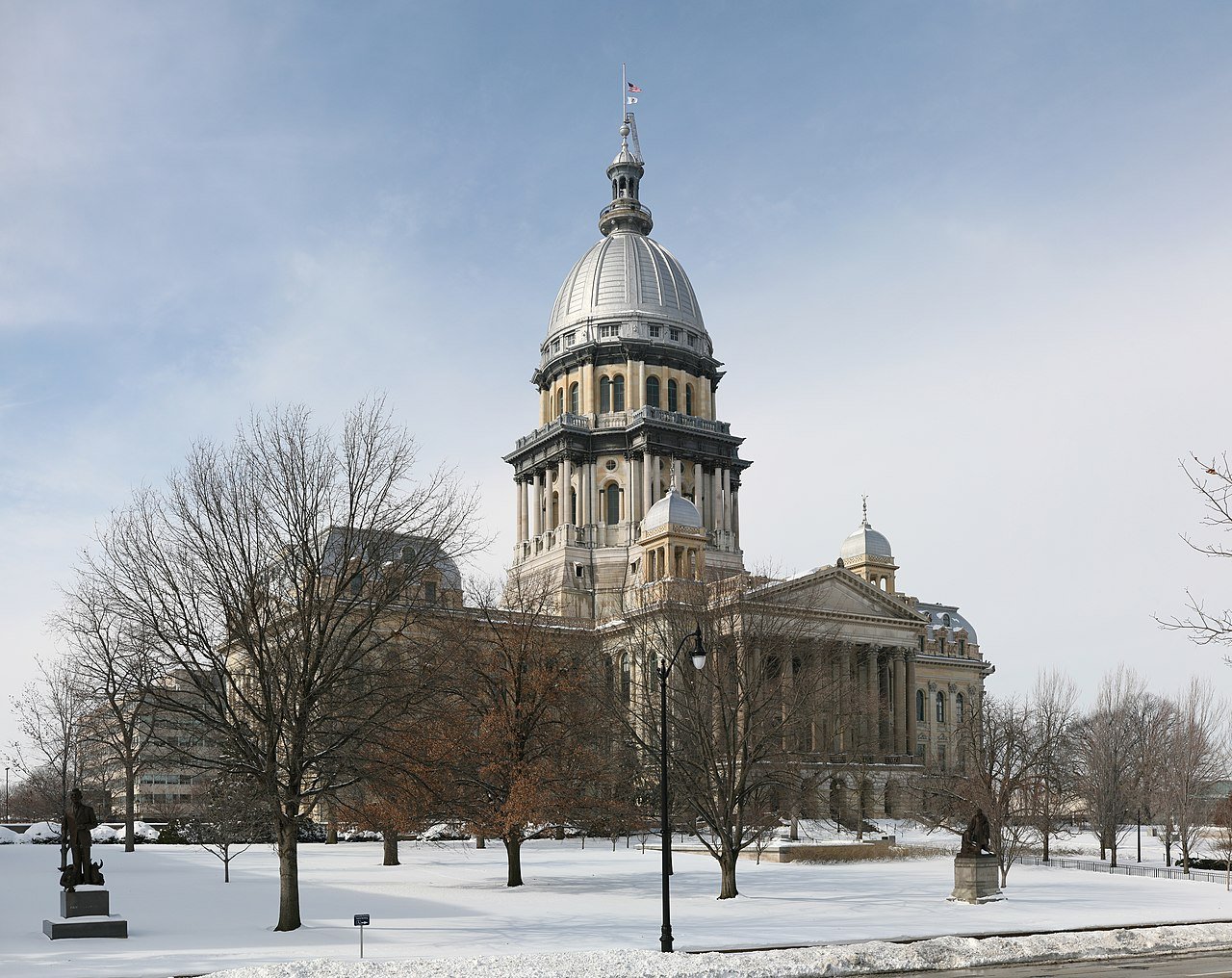
Illinois’s residential range — from world-class urban neighborhoods to affordable capital-city living to college-town energy — is one of the state’s quietly underrated strengths. The resident who matches a community to their own priorities, rather than defaulting to Chicago or writing off Illinois entirely, finds a set of options that stands up well against any comparable large state in the country.
Frequently Asked Questions
What makes Lincoln Park and Lakeview Chicago’s most sought-after neighborhoods?
Lincoln Park and Lakeview have ranked among Chicago’s most desirable residential neighborhoods for decades, thanks to deep CTA transit access (multiple Red Line and Brown Line stations), the lakefront trail and Lincoln Park (1,200 acres with the free Lincoln Park Zoo, Nature Museum, and Diversey Harbor), top neighborhood commercial streets on Southport Avenue and Armitage Avenue, and housing that runs from Victorian greystone mansions to modern condominiums. Single-family homes in Lincoln Park start at $700,000 and climb into the millions; condominiums in both neighborhoods fall between $350,000 and $700,000. The payoff is a walkable, transit-connected life within 20 to 30 minutes of the Loop by CTA that would demand a car in any less-dense American city.
Why are Logan Square and Wicker Park Chicago’s creative neighborhoods?
Logan Square and Wicker Park hold the current center of Chicago’s creative and food-culture gravity — dense with independent restaurants, cocktail bars, music venues, bookstores, and coffee shops that reflect the young professionals, artists, and tech workers who have settled here over the past two decades. The Blue Line connects both neighborhoods to the Loop in 15 to 25 minutes. The 606 Trail — a 2.7-mile elevated greenway built on the old Bloomingdale Line freight railroad — is one of Chicago’s most beloved public spaces. Logan Square condominiums run $320,000 to $500,000 and single-family homes $550,000 to $800,000; Wicker Park sits a notch higher.
What makes Evanston the Chicago area’s most livable suburb?
Evanston is the most fully realized suburb in the Chicago metro — a real city of roughly 77,000 with Northwestern University at its center, a strong independent-restaurant downtown, three Metra stations plus seven CTA Purple Line stations into the Loop, and neighborhoods that shift from Victorian lakefront mansions to Craftsman bungalows. The university lends cultural programming, employment, and a population mix that makes Evanston feel more cosmopolitan than most comparable suburbs. Lakefront blocks regularly clear $1.5 million; median prices in sought-after neighborhoods run $550,000 to $900,000. Property taxes are steep, reflecting Cook County’s structure and a well-funded school district.
What distinguishes Oak Park as a Chicago suburb?
West of Chicago’s city limits on the Green and Blue Line corridors, Oak Park holds the highest concentration of Frank Lloyd Wright buildings in the world — 25 structures, including his Home and Studio (a National Historic Landmark) and Unity Temple (one of the finest Prairie Style buildings ever realized). Ernest Hemingway was born here as well. The housing stock, much of it from the late 19th and early 20th century, carries a historic texture newer suburbs can’t replicate. Median home prices run $350,000 to $550,000 — below the North Shore premium but above the Bungalow Belt. Strong schools, a walkable downtown, and reliable transit make Oak Park one of the metro’s most balanced suburban choices for families drawn to architectural heritage.
What makes Champaign-Urbana and Springfield compelling alternatives to Chicago?
Champaign-Urbana, home to the University of Illinois at Urbana-Champaign (one of the nation’s top public universities, with one of the country’s strongest public computer science programs), offers a restaurant scene, arts calendar, and music culture far larger than its population would suggest — all at median single-family home prices of $180,000 to $270,000. The Krannert Art Museum, the Krannert Center for the Performing Arts, and Big Ten athletics deliver amenities that normally require a much bigger city. Springfield, the state capital, offers steady employment from state agencies, healthcare, and the legal sector, with median home prices of $130,000 to $180,000 — among the most affordable mid-sized Midwest markets with a full range of urban services. The Abraham Lincoln Presidential Library and Museum anchors its cultural and tourism draw.