.jpg?width=1200)
Illinois is, for most visitors, synonymous with Chicago — and that is understandable but incomplete. Chicago ranks among the greatest cities in the world: architecturally extraordinary, culturally rich, gastronomically serious, and positioned on one of the largest freshwater bodies on the planet in a way that gives a major American city the feeling of a coastal metropolis. But Illinois beyond Chicago contains the Mississippi River bluffs of Galena, the Garden of the Gods in Shawnee National Forest, the historic sites of Lincoln’s Springfield, and a prairie landscape that defined the American Midwest — experiences that reward the visitor who ventures past the Loop.

Chicago: The Essential American City
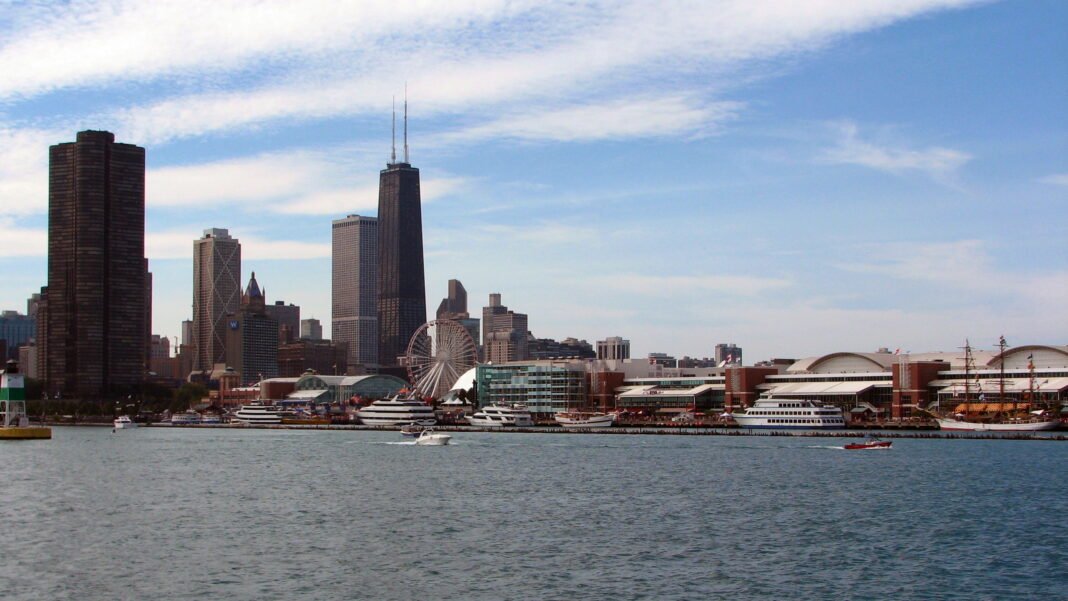
Chicago’s claim to architectural significance is not hyperbole — the city is the birthplace of the modern skyscraper, the location of the first steel-frame high-rise building (the Home Insurance Building, 1885), and the site of a tradition of architectural innovation that spans from Louis Sullivan and Frank Lloyd Wright to Mies van der Rohe to the contemporary SOM and Studio Gang practices. The Chicago Architecture Center River Cruise, which departs from the Michigan Avenue Bridge and traverses the Chicago River past more than 50 of the city’s most significant buildings, is arguably the best introduction to the city’s built environment available anywhere in the United States.
Millennium Park, set on the Grant Park lakefront, contains Anish Kapoor’s Cloud Gate sculpture (universally known as “the Bean”) and Frank Gehry’s Jay Pritzker Pavilion — an outdoor concert venue with a stainless steel bandshell and a distributed speaker system mounted on the steel trellis above the seating area and Great Lawn that allows the Chicago Symphony Orchestra to perform outdoors with concert hall sound quality. The park’s Crown Fountain, an interactive video sculpture by Jaume Plensa, and the Lurie Garden, a 2.5-acre perennial garden designed by Piet Oudolf, complete a public space that stands with the most ambitious urban design created in any American city in the past quarter century.

The Art Institute of Chicago, on Michigan Avenue at the southern edge of Millennium Park, houses one of the strongest art collections in North America — its Impressionist and Post-Impressionist holdings (which include Georges Seurat’s A Sunday on La Grande Jatte, Grant Wood’s American Gothic, and an extraordinary concentration of Monet, Renoir, Cézanne, and Picasso) are world-class. The museum’s Modern Wing, designed by Renzo Piano and opened in 2009, brought natural-light gallery spaces that won wide admiration as contemporary museum architecture.
Chicago’s neighborhoods provide a depth of urban experience that rewards exploration well beyond the tourist core. The Lincoln Park and Wicker Park neighborhoods to the north and northwest of the Loop offer dense concentrations of excellent independent restaurants (Chicago’s food scene, anchored by Grant Achatz’s Alinea but extending through dozens of strong kitchens at every price point, holds its own against any in the country), bars, music venues, and architectural detail. The South Side neighborhoods of Hyde Park and Bronzeville hold the University of Chicago, the Obama Presidential Center (currently under construction), and the institutions of Black Chicago culture that produced blues, gospel, and the Great Migration experience that shaped 20th-century American music and society.
Springfield: Lincoln’s Illinois
Springfield, Illinois‘s state capital and Abraham Lincoln’s adopted home city, holds the richest concentration of Lincoln historical sites outside Washington, D.C. The Abraham Lincoln Presidential Library and Museum, opened in 2005, is the most visited state-controlled presidential museum in the country — its combination of the world’s most extensive Lincoln archive, ambitious interactive museum technology, and theatrical presentations creates an interpretive experience that is moving and substantive in ways few history museums achieve. Lincoln’s Home National Historic Site, two blocks from the library, preserves the only home Lincoln ever owned — a modest two-story house on the corner of 8th and Jackson Streets, in a neighborhood where the surrounding historic homes and streetscape have been carefully kept to approximate the appearance of the Lincoln neighborhood in 1860.
Galena: Mississippi River Country
Galena, in the far northwestern corner of Illinois where the state meets the Mississippi River bluffs, is one of the most architecturally intact 19th-century towns in the Midwest. The lead mining boom of the 1820s–1840s created a city wealthy enough to build substantial brick commercial buildings and mansions that survive remarkably well today. Ulysses S. Grant lived in Galena before the Civil War and returned afterward to a house that grateful citizens had prepared for him — the Grant Home State Historic Site preserves the Italianate brick residence, built in 1859–60, and which the future president used as his Galena residence after the war. The Galena historic district’s concentration of antique shops, restaurants, and bed-and-breakfast lodging in preserved Victorian buildings draws more visitors than any other small town in Illinois.
Shawnee National Forest: Southern Illinois’s Secret
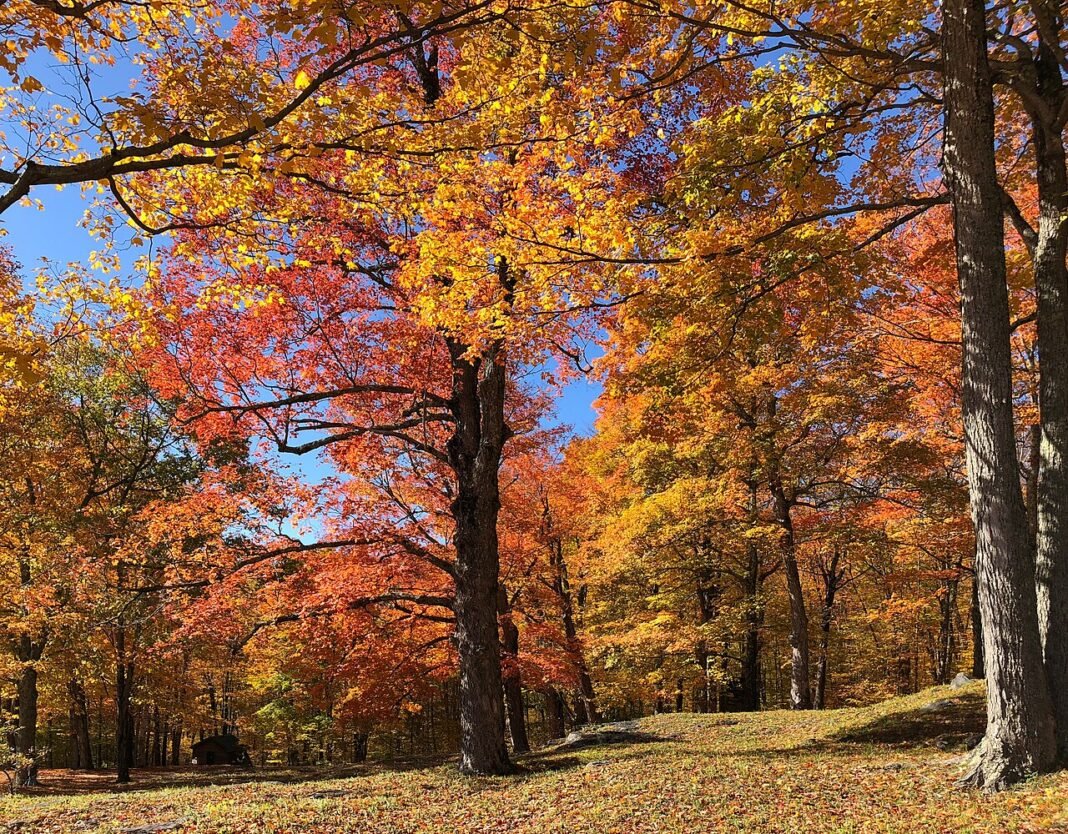
Southern Illinois, where the state tapers to a point between the Ohio and Mississippi Rivers, contains terrain that surprises visitors expecting nothing but flat farmland: the Shawnee National Forest preserves sandstone bluffs, forest canyons, natural stone arches, and cypress swamps that have more in common with the Ozarks and the mid-South than with the Illinois most people imagine. Garden of the Gods, a geological formation of ancient sandstone towers and balancing rocks reached by a quarter-mile observation trail in far southeastern Illinois, delivers one of the most striking natural scenes in the Midwest. The Burden Falls Wilderness and the Bell Smith Springs area offer hiking through forested sandstone canyon country that sees a fraction of the visitors that comparable terrain in other states attracts.
Illinois rewards the visitor who approaches it as more than a Chicago layover. The Mississippi River corridor from Galena to Cairo traces American settlement history in ways that the urban core of Chicago only partially conveys. The Lincoln sites of Springfield put the most consequential presidential biography in American history in direct physical context. And the forests and bluffs of far southern Illinois reveal a geological and natural history that the state’s agricultural flatlands entirely conceal. Together, they make Illinois a destination of greater depth and diversity than its reputation as a flyover state would suggest.
Frequently Asked Questions
What makes Chicago one of the world’s great cities for architecture?
Chicago is the birthplace of the modern skyscraper — the site of the first steel-frame high-rise building (the Home Insurance Building, 1885) and a tradition of architectural innovation spanning from Louis Sullivan and Frank Lloyd Wright to Mies van der Rohe to contemporary firms SOM and Studio Gang. The Chicago Architecture Center River Cruise departs from the Michigan Avenue Bridge and traverses the Chicago River past more than 50 of the city’s most significant buildings — arguably the best introduction to the city’s built environment available anywhere in the United States. The Art Institute of Chicago on Michigan Avenue houses one of North America’s strongest art collections, including Georges Seurat’s A Sunday on La Grande Jatte, Grant Wood’s American Gothic, and an extraordinary concentration of Monet, Renoir, Cézanne, and Picasso.
What is Millennium Park and why is it worth visiting?
Millennium Park, on Chicago’s Grant Park lakefront, stands with the most ambitious public spaces created in any American city in the past quarter century. It contains Anish Kapoor’s Cloud Gate sculpture (universally known as “the Bean”) and Frank Gehry’s Jay Pritzker Pavilion — an outdoor concert venue with a stainless steel bandshell and a distributed speaker system carried on the steel trellis above the seating area and Great Lawn that allows the Chicago Symphony Orchestra to perform outdoors with concert hall sound quality. The Crown Fountain by Jaume Plensa and the Lurie Garden, a 2.5-acre perennial garden designed by Piet Oudolf, complete the complex. The park draws around 25 million visitors a year, making it the most visited attraction in the Midwest.
What should visitors know about Chicago’s neighborhoods beyond the Loop?
Chicago’s most rewarding neighborhood exploration centers on Lincoln Park and Wicker Park — dense concentrations of excellent independent restaurants (the food scene, anchored by Grant Achatz’s Alinea, rivals any in the country), bars, music venues, and architectural detail. On the South Side, Hyde Park holds the University of Chicago; Bronzeville offers the institutions of Black Chicago culture that produced blues, gospel, and the Great Migration experience that shaped 20th-century American music. The Obama Presidential Center is under construction in this area. The Lakefront Trail — 18.5 miles of path along Lake Michigan — is the city’s signature outdoor amenity.
What are the best sites in Springfield, Illinois?
Springfield is Abraham Lincoln’s adopted home city and preserves the most significant Lincoln historical sites outside Washington, D.C. The Abraham Lincoln Presidential Library and Museum (opened 2005) is the most visited state-controlled presidential museum in the country, combining the world’s most extensive Lincoln archive with ambitious interactive museum technology. Lincoln’s Home National Historic Site preserves the only home Lincoln ever owned — a modest two-story house on the corner of 8th and Jackson Streets, with the surrounding historic neighborhood carefully kept to approximate the appearance of 1860. Lincoln is also buried in Springfield at the Oak Ridge Cemetery Lincoln Tomb State Historic Site.
What natural attractions does Illinois have beyond Chicago?
Illinois beyond Chicago contains three significant natural destinations. Garden of the Gods in Shawnee National Forest (far southeastern Illinois) is a geological formation of ancient sandstone towers and balancing rocks — one of the most striking natural scenes in the Midwest, reached by a quarter-mile observation trail. The Burden Falls Wilderness and Bell Smith Springs offer hiking through forested sandstone canyon country that sees a fraction of the visitors that comparable terrain in other states attracts. Galena, in the far northwestern corner where Illinois meets the Mississippi River bluffs, is one of the most architecturally intact 19th-century towns in the Midwest and the most visited small town in the state — home to the Grant Home State Historic Site preserving Ulysses S. Grant’s Italianate brick house.