Tasmania’s cost of living has undergone a fundamental transformation in the decade to 2026 — driven by the MONA effect, the tourism boom, remote-working migration from the mainland capitals, and a housing supply that simply cannot absorb demand at the rate required. Hobart has shifted from Australia’s most affordable capital city to a market where median house prices have more than doubled in a decade, and rental vacancy rates have at times fallen to levels that create genuine housing stress for lower-income residents. The honest picture for 2026 is a state in transition: Hobart is still cheaper than Sydney, Melbourne, Brisbane, and Perth on housing, but the gap has narrowed sharply and the income-to-housing-cost ratio is more challenging than the raw price comparison suggests, because Tasmania’s wages remain the lowest of any Australian state. For remote workers bringing mainland salaries, for retirees with capital from Melbourne or Sydney homes, and for visitors seeking a high-quality experience at manageable cost, Tasmania remains genuine value. For Tasmanians working in the local economy, the affordability picture is more complex.
Tasmania Cost at a Glance 2026
- Hobart metro median house price: AUD $760,000–$810,000 (houses); combined dwelling median near $730,000–$750,000
- Inner Hobart (Battery Point, Sandy Bay, South Hobart): AUD $800,000–$1.3M
- Eastern Shore (Clarence, Rokeby, Howrah): AUD $550,000–$700,000
- Launceston median: AUD $520,000–$680,000
- Devonport and Burnie (north-west coast): AUD $500,000–$600,000
- Regional towns (Queenstown, Smithton, Scottsdale): AUD $180,000–$300,000
- Electricity costs: Tasmania has among the lowest electricity costs in Australia thanks to Hydro Tasmania’s renewable hydroelectric generation; typical household around AUD $2,000–$2,400/year
Hobart Housing: The MONA Effect
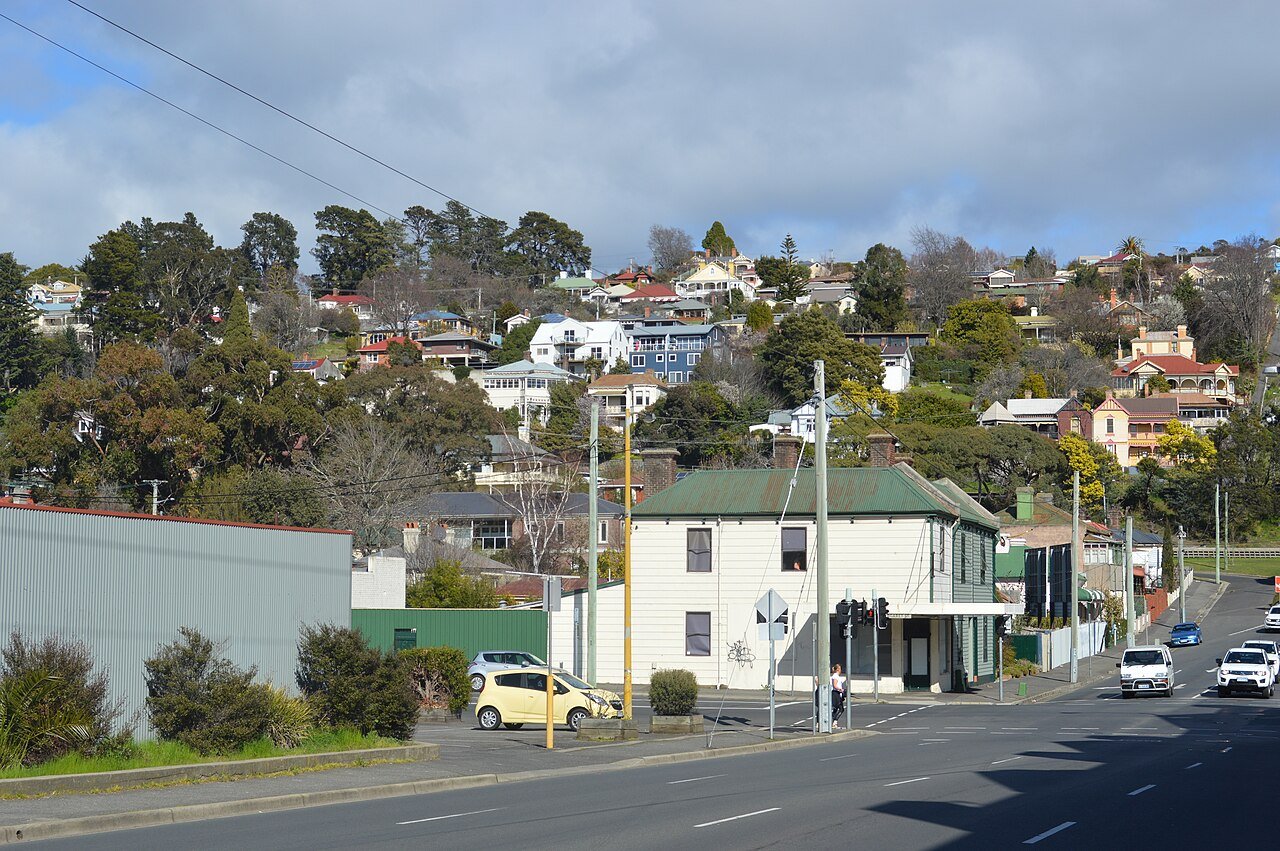
Hobart‘s property market transformation has been dramatic by any measure — the city’s cultural renaissance (MONA from 2011, the Dark MOFO festival, the growing arts and food economy) coincided with the remote working migration of the COVID-19 period to create demand that overwhelmed the city’s housing supply. Inner Hobart’s Battery Point and South Hobart precincts now trade at prices that, while lower than comparable Melbourne neighbourhoods in absolute terms, represent a proportion of Tasmanian median income that rivals Sydney’s affordability crisis. The practical Hobart housing landscape for 2026:
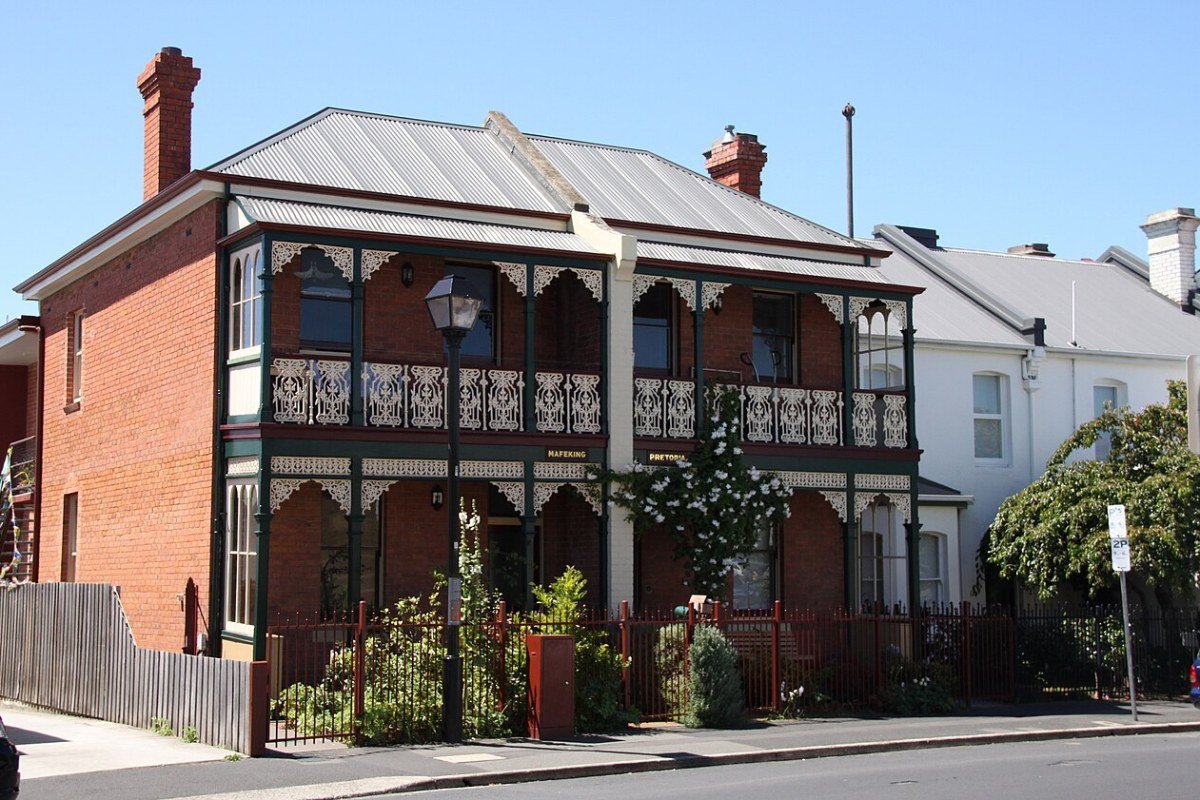
- Battery Point and Sandy Bay: The most prestigious inner Hobart addresses; Georgian and Victorian architecture on steep hillside streets above the Derwent; median AUD $900,000–$1.3M; the Hobart equivalent of Sydney’s Balmain or Melbourne’s Fitzroy
- South Hobart and Mount Stuart: Walkable inner suburbs south and west of the CBD; character housing, independent cafés, proximity to kunanyi/Mount Wellington’s walking tracks; AUD $700,000–$1.0M
- Glenorchy and Moonah (inner north): The inner northern corridor is Hobart’s transitional zone — formerly working-class industrial suburbs now attracting younger buyers priced out of the inner south; AUD $550,000–$700,000; improving café and retail amenity
- Eastern Shore (Bellerive, Howrah, Lindisfarne): The Derwent’s eastern bank, connected to the CBD by the Tasman Bridge; family suburbs with waterfront access and the most affordable metro entry points; AUD $550,000–$700,000
- Kingston and Blackmans Bay: Coastal southern corridor, 20 minutes from the CBD; Channel Highway strip, Kingston Beach, and the Kingborough municipality’s green hills; AUD $600,000–$780,000


Electricity: Tasmania’s Renewable Advantage
The state’s hydroelectric system — the largest renewable energy generation network in Australia, operated by Hydro Tasmania from the island’s central highland lakes — keeps residential electricity prices consistently low. The practical advantages for households:
- Baseline cost: Aurora Energy’s standard residential tariff produces typical household costs of around AUD $2,000–$2,400/year — among the lowest in the country, well below South Australia (the most expensive mainland state) and below the Victorian and New South Wales averages
- Electric heating viability: In Tasmania’s cool climate (Hobart’s winter temperatures regularly fall to 2–5°C at night), the relatively low electricity cost makes reverse-cycle heat pump heating economically competitive with wood and gas heating alternatives
- Marinus Link interconnector: The proposed second Bass Strait interconnector between Tasmania and Victoria will eventually allow Tasmania to export renewable energy to the mainland, with potential implications for Tasmania’s electricity pricing and generation investment
Food and Dining: Extraordinary Value
The island’s food culture consistently overachieves relative to its population size — the combination of extraordinary raw produce (Pacific oysters from the Huon and D’Entrecasteaux Channel, Atlantic salmon from the island’s aquaculture farms, cool-climate vegetables, Tasmanian wagyu and grass-fed beef, Bruny Island cheese, and the cherry and apple orchards of the Huon Valley) with a restaurant community built around that produce creates a dining experience that visitors from Sydney and Melbourne consistently rate as superior value:
- Salamanca Place restaurants: The Salamanca precinct’s dining strip provides Hobart’s most concentrated restaurant experience; dinner for two AUD $80–$140 at quality mid-range restaurants
- The Constitution Dock waterfront: The dock’s fish punts (floating stalls selling fish and chips, scallop pies, and fresh seafood) provide some of the most affordable quality seafood in any Australian capital
- Get Shucked (Bruny Island): One of the most celebrated oyster bars in Tasmania; Pacific oysters shucked fresh on North Bruny Island; the drive from Hobart plus the Kettering ferry is the standard oyster pilgrimage for Hobart residents
- Grocery costs: Tasmania has higher grocery costs than the mainland for some processed goods (due to Bass Strait freight costs) but lower costs for fresh produce, seafood, and dairy from local producers; the overall grocery spend is broadly comparable to the mainland
Regional Tasmania: Value That Stuns
Outside Hobart, Tasmania’s regional property market still offers affordability that is hard to reconcile with the quality of landscape and community on offer, even after the strong price growth of recent years. Launceston’s median house price of around AUD $520,000–$680,000 buys into a genuinely liveable regional city with the Cataract Gorge, the Tamar Valley wine region, and excellent connectivity to both Hobart and the wilderness parks. The north-west coast towns (Devonport, Burnie, Ulverstone) at roughly AUD $500,000–$600,000 combine strong community character with immediate access to the Cradle Mountain and Walls of Jerusalem national parks, while the historic west-coast mining towns such as Queenstown remain among the cheapest in the state at AUD $180,000–$300,000. For households with income not tied to Tasmania’s local economy — remote workers, retirees, online business owners — the regional affordability equation remains extraordinary.
Frequently Asked Questions
How has Tasmania’s cost of living changed and what is the honest picture in 2026?
Tasmania’s cost of living has undergone a fundamental transformation in the decade to 2026 — driven by the MONA effect (the Museum of Old and New Art’s international profile), the tourism boom, and remote working migration from mainland capitals, Hobart has transitioned from Australia’s most affordable capital city to a market where median house prices have more than doubled in a decade. The honest picture is complex: Hobart remains cheaper than Sydney, Melbourne, Brisbane, and Perth on housing (median around AUD $760,000–$810,000 for houses), but the income-to-housing-cost ratio is more challenging than the raw price comparison suggests because Tasmania’s wages are the lowest of any Australian state — the public sector (government, health, education) is the dominant employer, and private-sector wages trail those of the eastern-seaboard capitals considerably. For remote workers bringing mainland salaries, for retirees with capital from Melbourne or Sydney homes, and for visitors seeking a high-quality experience at manageable cost, Tasmania remains genuine value. For Tasmanians working in the local economy, the combination of higher-than-historical housing costs and lower-than-mainland wages creates real financial strain.
What do Hobart’s various suburbs and surrounding regions cost?
Hobart’s housing market has multiple distinct tiers. The inner suburbs — Battery Point (Hobart’s most intact Georgian and Victorian residential precinct, immediately south of the CBD), Sandy Bay (the University of Tasmania surrounds and affluent waterfront), and South Hobart — have crossed AUD $800,000–$1.3M for houses, representing premium prices even by mainland Australian regional city standards. The Eastern Shore (Clarence, Rokeby, and Howrah, connected to Hobart by the Tasman Bridge) provides the most affordable metro access at roughly AUD $550,000–$700,000. Launceston, Tasmania’s second city (around 90,000 residents, 200km north of Hobart) offers median house prices of roughly AUD $520,000–$680,000 — providing access to the Tamar Valley wine region, Cataract Gorge (a spectacular gorge within walking distance of the city centre), and the gateway to northern and eastern Tasmania. The north-west coast — Devonport (the Spirit of Tasmania ferry terminal) and Burnie — sits around AUD $500,000–$600,000. Regional west-coast and rural towns (Queenstown, Smithton, Scottsdale) provide Tasmania’s most affordable options at AUD $180,000–$300,000 for buyers with remote work or extractive-industry employment.
What does MONA mean for Hobart and why is it significant?
The Museum of Old and New Art (MONA, opened January 2011, built by professional gambler and art collector David Walsh) has transformed Hobart from an Australian backwater into an international cultural destination — a private museum of extraordinary scale and ambition, carved into a Triassic sandstone cliff on the Berriedale peninsula on the Derwent River north of central Hobart, largely underground except for the river-facing glass facade, that has become one of the most visited cultural institutions in Australia. MONA’s collection runs to roughly 1,900 works, built by David Walsh around the loose theme of sex and death, and includes major works by international artists. MONA FOMA (the January festival) and Dark MOFO (the June festival, with winter-solstice events including mass nude swims in the Derwent) have made the MONA event calendar one of Australia’s most distinctive. The MONA ferry from Hobart’s Brooke Street Pier (about 25 minutes upriver) is the most civilised way to arrive at a museum anywhere in Australia.
What are Tasmania’s electricity costs and infrastructure considerations?
Tasmania’s electricity is almost entirely hydro-generated (Hydro Tasmania’s dam system produces the large majority of the state’s electricity), giving Tasmania a marked renewable-energy advantage over the mainland states. Electricity retail prices in Tasmania are among the lowest in the country for households on standard tariffs, and the state’s renewable origin makes it one of Australia’s most carbon-efficient electricity systems. However, Tasmania’s infrastructure isolation — as an island state, all goods arrive by sea (via the Spirit of Tasmania ferry between Devonport and Geelong, or container shipping) or by air — contributes to higher cost-of-goods prices compared to mainland cities. Fresh-produce availability and quality in regional Tasmanian towns can be more limited than in comparable regional centres interstate. Internet connectivity has improved significantly with the NBN rollout and satellite alternatives, but some remote areas still face limitations. The Tasman Bridge (connecting Hobart’s CBD to the eastern shore suburbs) is the city’s critical infrastructure link; its 1975 collapse — when the bulk ore carrier Lake Illawarra struck the bridge, killing twelve people — remains the most traumatic event in modern Tasmanian history and still informs Hobart’s planning for resilient connections.
What employment sectors does Tasmania offer for residents?
Tasmania’s employment landscape is dominated by the public sector — state and federal government agencies, the University of Tasmania (the only Tasmanian university), the Tasmanian Health Service, and TasNetworks and TasWater provide much of the skilled professional employment. The private sector is anchored by tourism (the fastest-growing sector since 2011), food production (Tasmanian salmon aquaculture, premium lamb, cool-climate vegetables, and the whisky and craft gin industries), and mining (the Rosebery mine and the remnant extractive industries in the west). MONA’s hospitality and arts operations have become a sizeable employer in the Hobart region. Forestry remains a mainstay of the north-west. Private sector tech and finance employment — the drivers of Sydney and Melbourne’s above-average wages — are largely absent from Tasmania outside of remote workers. TasTAFE and the University of Tasmania provide training and research employment anchors; the university has international research programs in Antarctic science, marine science, and ecology that attract researchers globally. For households moving to Tasmania with remote income or retirement capital, the employment picture is secondary to lifestyle; for households dependent on local employment, professional wage expectations need careful adjustment downward from mainland norms.