Colorado: Where the Rockies Define Everything
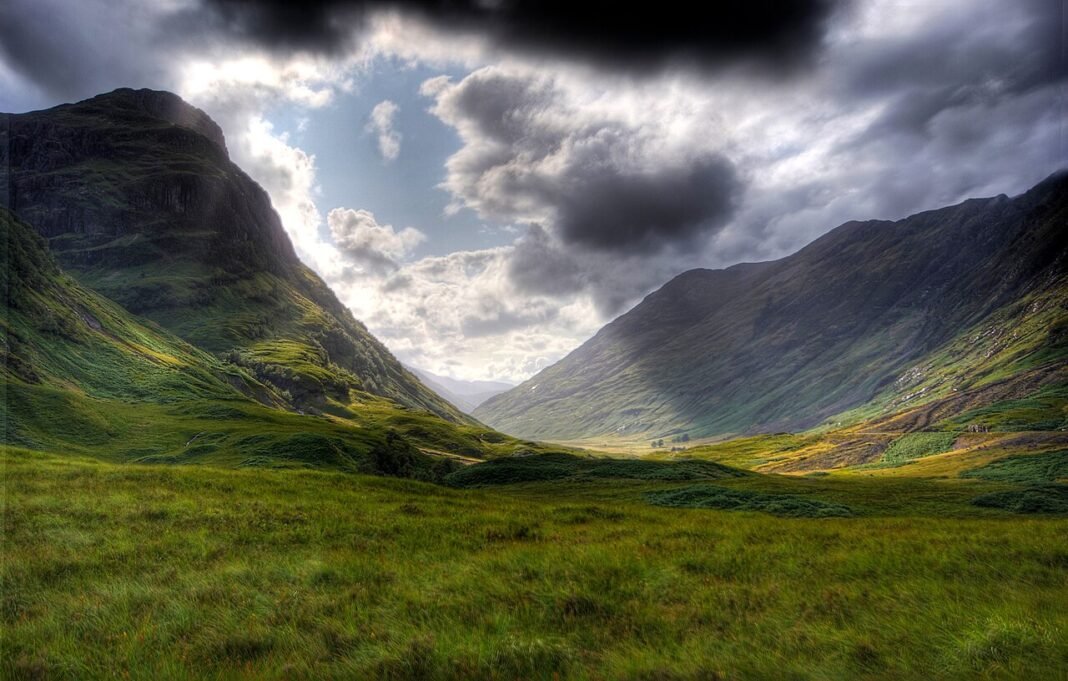
Colorado‘s identity is inseparable from its mountains. The state contains 53 ranked peaks above 14,000 feet (the “fourteeners,” more than any other US state, and 58 by counts that include named subsidiary summits), and the Rocky Mountains that bisect the state from north to south define its climate, culture, economy, and outdoor lifestyle in ways that are visible in everything from Denver’s fitness culture to the seasonal rhythms of the ski towns to the water law that has governed the entire American West for 150 years. The mountains are not a backdrop to Colorado life; they are the organizing principle around which everything else falls into place.

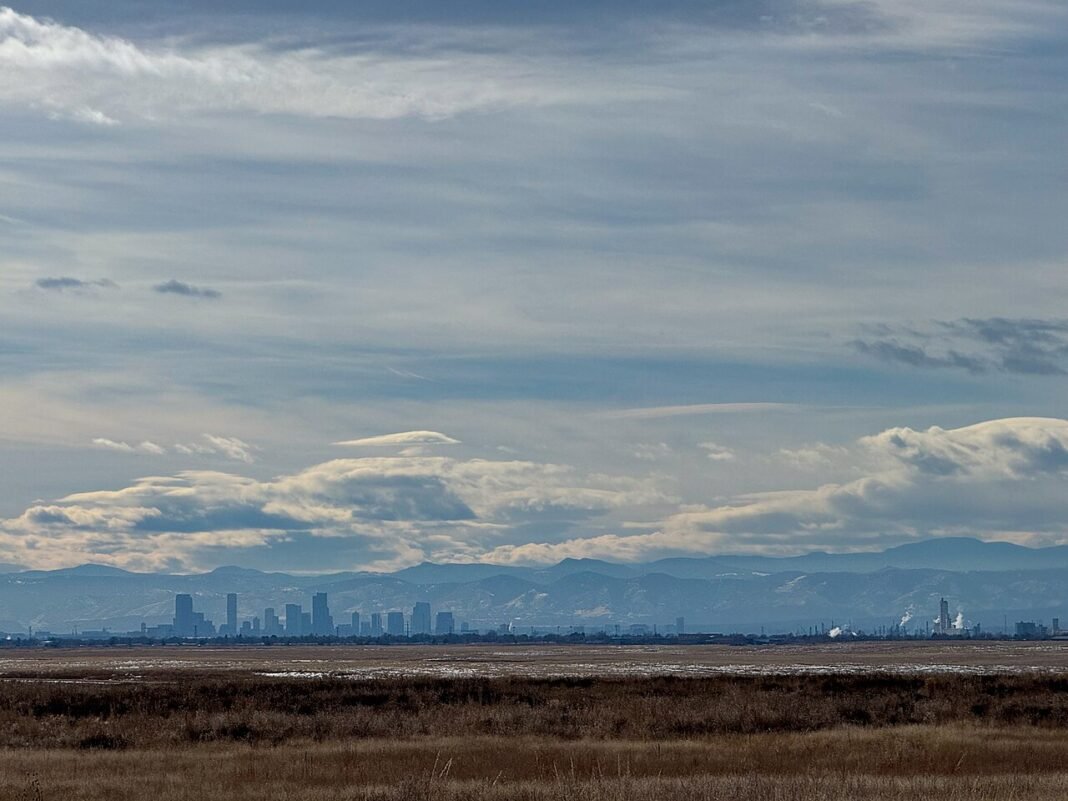
But Colorado is more than mountain scenery. Denver has emerged as one of the country’s fastest-rising mid-size cities, with a cultural infrastructure, restaurant scene, and tech economy that have attracted more domestic migrants than almost any other metro. The Eastern Plains stretch toward Kansas in an agricultural landscape of surprising beauty during storm season. Mesa Verde preserves the continent’s most significant ancient cliff dwellings. The Great Sand Dunes rise abruptly from the flat floor of the San Luis Valley. Colorado’s diversity — geological, ecological, and human — is greater than its mountain reputation suggests.
Rocky Mountain National Park
Rocky Mountain National Park draws among the heaviest visitation of any national park in the United States, and on a clear September day, when elk bugle in the meadows and the aspen groves turn gold, it is among the country’s most beautiful. The park encompasses 415 square miles of Rocky Mountain terrain, from the montane forests of its lower elevations to the alpine tundra above treeline where weather can change from sunshine to snowstorm in under an hour.

Trail Ridge Road — the highest continuous paved road in the United States, cresting at 12,183 feet — crosses the park from east to west and provides access to the tundra environment without requiring hiking. The views from the road’s high points encompass the Continental Divide, the Mummy Range, and (on clear days) the distant peaks of Wyoming to the north. The road is open from late May through mid-October when snowpack allows.

Hiking in the park ranges from the 0.7-mile Bear Lake loop (accessible for all ages and fitness levels) to the nine-mile round-trip Glacier Gorge trail to Sky Pond, a glacial lake beneath an imposing granite headwall. The Flattop Mountain trail provides access to the Continental Divide at 12,324 feet. Permit-required wilderness camping opens the park’s interior to multi-day trips that most day visitors never experience.
Aspen and the Elk Mountains
Aspen is Colorado’s most glamorous mountain town, a ski resort and summer destination of international reputation. Exceptional skiing, world-class music (the Aspen Music Festival, now in its eighth decade, ranks among the premier classical music events anywhere), a full calendar of cultural events, and a commanding landscape of 14,000-foot peaks have drawn wealthy residents and visitors since the 1940s. The Maroon Bells, two 14,000-foot peaks mirrored in the still surface of Maroon Lake 12 miles southwest of Aspen, rank among the most photographed mountain scenes in North America.
Aspen’s skiing spans four mountains (Aspen Mountain, Aspen Highlands, Buttermilk, and Snowmass) and covers over 5,500 acres of terrain with vertical drops exceeding 3,000 feet. The skiing quality — long runs on genuine mountain terrain, reliable snowpack enhanced by snowmaking, excellent grooming — justifies the resort’s top-tier price point. Snowmass, the largest of the four mountains, offers a village atmosphere separate from Aspen proper.
Telluride and the San Juan Mountains
Telluride is the most dramatically situated town in Colorado, a Victorian mining settlement built at the end of a box canyon in the San Juan Mountains, hemmed in on three sides by vertical cliffs and connected to the adjacent Mountain Village by gondola. The skiing at Telluride is excellent and, unlike Aspen or Vail, retains a local character and manageable scale that larger resorts have lost. The summer festival season — Telluride Film Festival (September), Telluride Bluegrass Festival (June), Telluride Jazz Festival (August) — has made the town a summer destination of national significance.

Mesa Verde National Park
Mesa Verde preserves the most extensive cliff dwellings in North America — the architectural legacy of the ancestral Puebloan people who inhabited the Colorado Plateau between approximately 600 and 1300 CE. Cliff Palace, the park’s centerpiece, is a 150-room apartment complex carved into a natural sandstone alcove 100 feet above the canyon floor, an engineering achievement of remarkable sophistication for a culture without metal tools, wheels, or domestic animals larger than a dog. The park’s 5,000 archaeological sites — cliff dwellings, mesa-top villages, petroglyphs, and kivas — form the densest concentration of ancestral Puebloan heritage sites anywhere.
Denver: Colorado’s Urban Heart
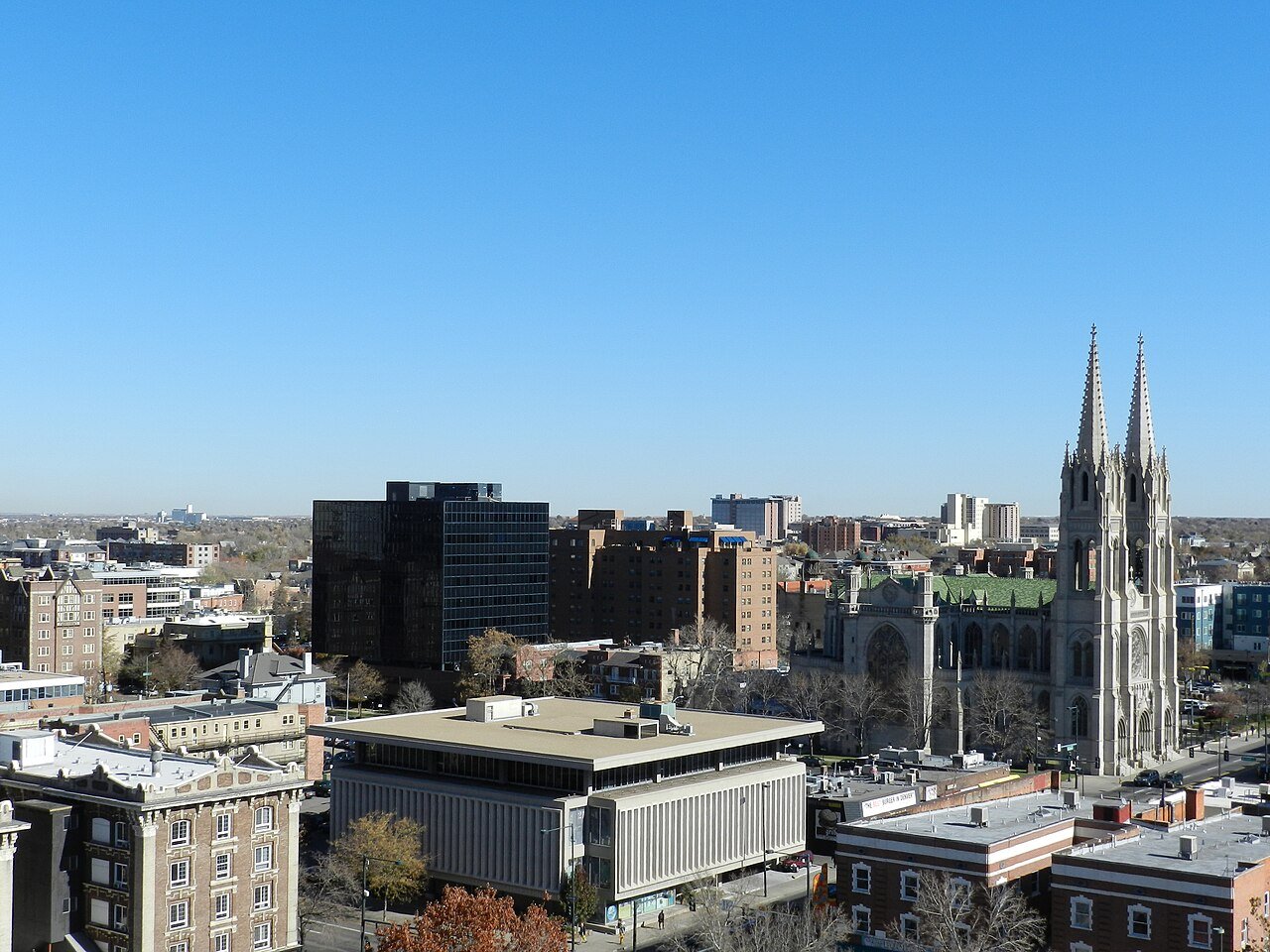
Denver has transformed dramatically over the past two decades, from a mid-size Western city into one of the country’s most appealing urban destinations. A dynamic food and craft brewery scene, outstanding art and music infrastructure (the Denver Art Museum, Red Rocks Amphitheatre, the Colorado Symphony), a technology and energy economy that draws young professionals, and the Rocky Mountain lifestyle available within 45 minutes of downtown have together made Denver a primary destination for domestic migrants from both coasts.
The 16th Street Mall pedestrian corridor, the River North (RiNo) arts district with its dense concentration of street art and gallery spaces, the restaurants of Highland and LoHi, and the mountain views visible from almost anywhere in the city create an urban environment that is genuinely distinctive. The Denver Botanic Gardens and Denver Zoo are among the best of their respective types in the Mountain West. Red Rocks Amphitheatre, a natural outdoor concert venue formed by two 300-foot sandstone monoliths 15 miles west of downtown, is consistently rated the best concert venue in the country by industry publications.
Colorado Springs and Garden of the Gods
Colorado Springs sits at the foot of Pikes Peak, the second-most-visited mountain in the world after Japan’s Mount Fuji, and contains Garden of the Gods, a city park of 300-foot red sandstone fins rising from the valley floor in formations of striking visual drama. The park is free to enter and provides world-class rock climbing and hiking within the city limits of Colorado’s second-largest city. The Pikes Peak Summit Road and cog railway (one of the highest in the world) reach the 14,115-foot summit, where the view inspired Katharine Lee Bates to write “America the Beautiful” in 1893.
Frequently Asked Questions
What makes Rocky Mountain National Park worth visiting in Colorado?
Rocky Mountain National Park encompasses 415 square miles of Rocky Mountain terrain, from montane forests through alpine tundra above treeline. Trail Ridge Road — the highest continuous paved road in the United States, cresting at 12,183 feet — crosses the park from east to west and provides access to the tundra environment by car, open from late May through mid-October. Hiking ranges from the flat 0.7-mile Bear Lake loop to the nine-mile round-trip Glacier Gorge trail to Sky Pond beneath a granite headwall. The park is at its most spectacular in September, when elk are bugling in the meadows and aspen groves are turning gold. Permit-required wilderness camping opens the interior to multi-day trips that most day visitors never experience.
What makes Aspen and the Maroon Bells one of the most compelling destinations in Colorado?
The Maroon Bells — two peaks of the Elk Mountains rising above the reflective surface of Maroon Lake 12 miles southwest of Aspen — rank among the most photographed mountain scenes in North America. Aspen’s skiing spans four mountains (Aspen Mountain, Aspen Highlands, Buttermilk, and Snowmass) covering over 5,500 acres with vertical drops exceeding 3,000 feet. Beyond skiing, the Aspen Music Festival (in its eighth decade, a premier classical music event), the Food & Wine Classic, and a roster of cultural events have made Aspen an internationally significant summer destination. The road to the Maroon Bells is closed to private vehicles most hours in summer — a shuttle bus from Aspen is required, which keeps the lake environment quieter than its fame would otherwise allow.
What is Telluride and why is it different from other Colorado ski towns?
Telluride is a Victorian mining town built at the end of a box canyon in the San Juan Mountains, surrounded on three sides by vertical cliffs and connected to the adjacent Mountain Village by a free public gondola — the only free ski gondola in the United States. Unlike Vail or Aspen, Telluride retains a local character and manageable scale that larger resorts have lost. The skiing is excellent, and summer brings world-class festivals: the Telluride Film Festival (September, one of North America’s most respected), the Telluride Bluegrass Festival (June), and the Telluride Jazz Festival (August). Bridal Veil Falls — at 365 feet, the tallest free-falling waterfall in Colorado — drops from the cliffs above town and is visible from the main street.
What are Mesa Verde National Park and Colorado Springs worth seeing?
Mesa Verde preserves the most extensive cliff dwellings in North America, built by ancestral Puebloan people between approximately 600 and 1300 CE. Cliff Palace — a 150-room complex carved into a natural sandstone alcove 100 feet above the canyon floor — is an engineering achievement of remarkable sophistication. The park contains 5,000 archaeological sites: cliff dwellings, mesa-top villages, petroglyphs, and kivas. Colorado Springs, 70 miles south of Denver, contains Garden of the Gods — a free city park of 300-foot red sandstone fins rising from the valley floor, providing world-class rock climbing and hiking within city limits. Pikes Peak (14,115 feet), accessible by summit road and cog railway, is the second-most-visited mountain in the world after Mount Fuji; Katharine Lee Bates wrote “America the Beautiful” from its summit in 1893.
What makes Denver worth visiting beyond being a gateway to the mountains?
Denver has transformed from a mid-size Western city into one of the most dynamic urban destinations in the United States, with a food and craft brewery scene, outstanding cultural infrastructure (Denver Art Museum, Colorado Symphony), a technology economy, and Rocky Mountain lifestyle within 45 minutes of downtown. Red Rocks Amphitheatre, a natural outdoor concert venue formed by two 300-foot sandstone monoliths 15 miles west of downtown, is consistently rated the best concert venue in the country by industry publications. The River North (RiNo) arts district has a dense concentration of murals, street art, and gallery spaces. The Denver Botanic Gardens and Denver Zoo are among the best in the Mountain West. The 16th Street Mall pedestrian corridor connects downtown to Union Station, the city’s beautifully restored rail terminal.