Choosing the Right Alabama City for Your Lifestyle
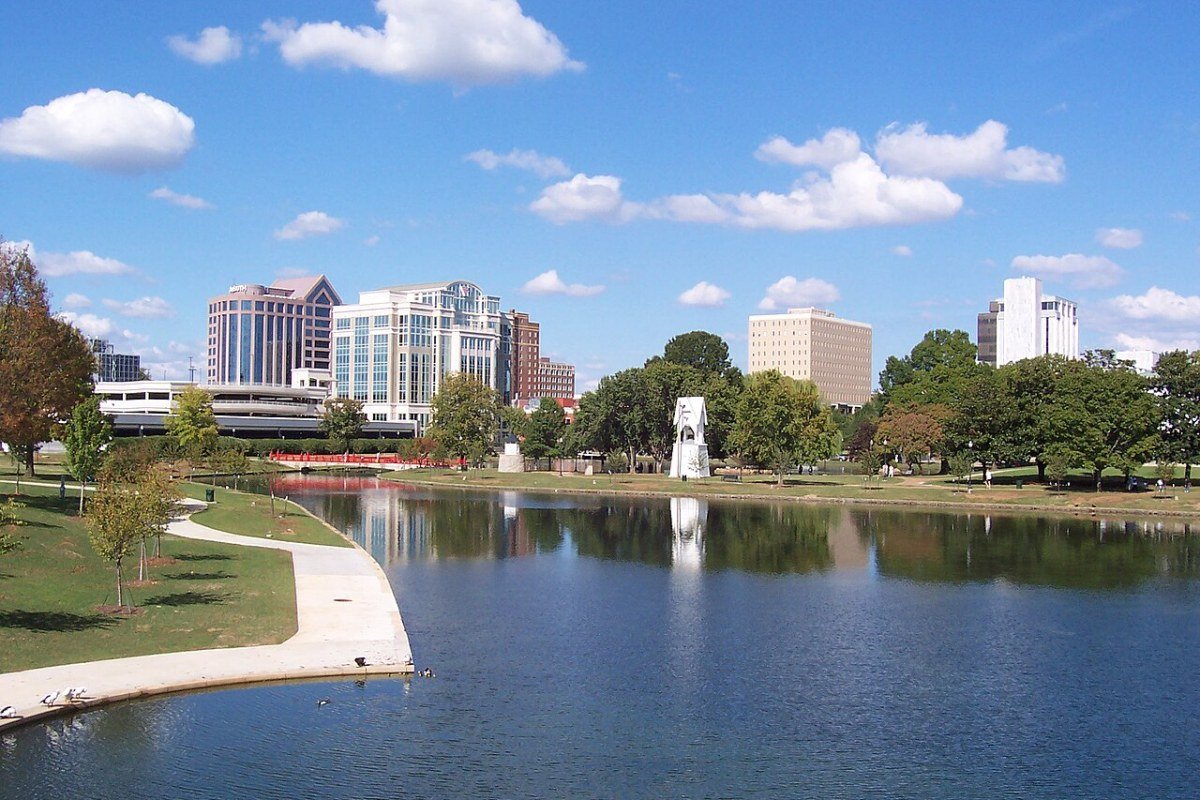
Alabama‘s cities are more diverse than most people expect. The state’s largest metro area — Birmingham — is a complex, multi-layered urban environment with dozens of distinct neighborhoods catering to very different lifestyles and budgets. To the north, Huntsville has been transformed by the tech and defense industries into one of the fastest-growing mid-size cities in the South. College towns like Auburn and Tuscaloosa have their own distinct energy. And smaller cities from Florence to Dothan each offer quality of life advantages that their size might not immediately suggest.
Finding the right fit depends on your priorities: career opportunities, school quality, outdoor access, community character, housing budget, or some combination of all of these. Here is an honest guide to Alabama’s best cities for 2026.
1. Huntsville — The Rocket City Reinvented
Huntsville is, without question, Alabama’s hottest real estate market and its most economically dynamic city. The combination of NASA’s Marshall Space Flight Center, Redstone Arsenal (a major US Army installation hosting more than 75 federal tenant agencies and a daily workforce of roughly 46,000), and a growing constellation of aerospace, defense, and technology companies has created a labor market that is unlike anything else in the state. Unemployment in Huntsville consistently runs below the national average, and median household incomes in Madison County — where Huntsville is located — exceed the state median by a substantial margin.

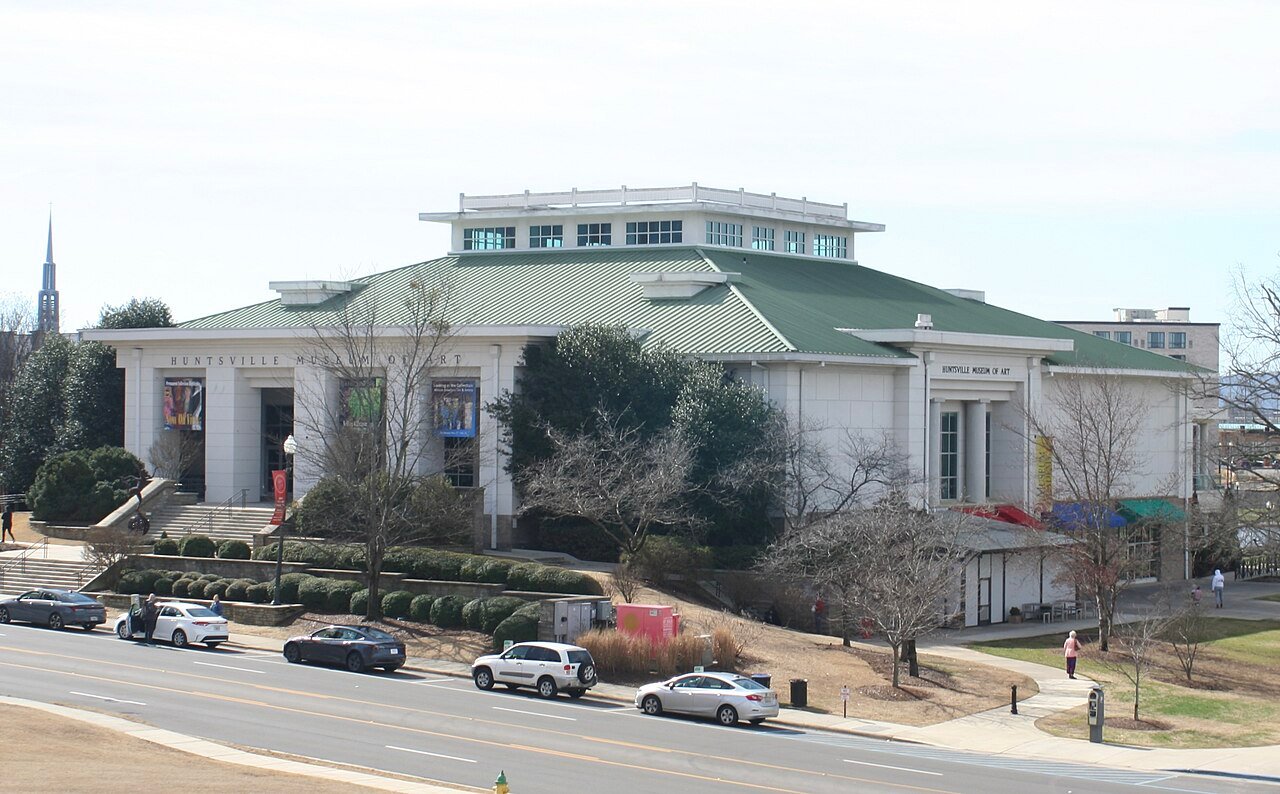
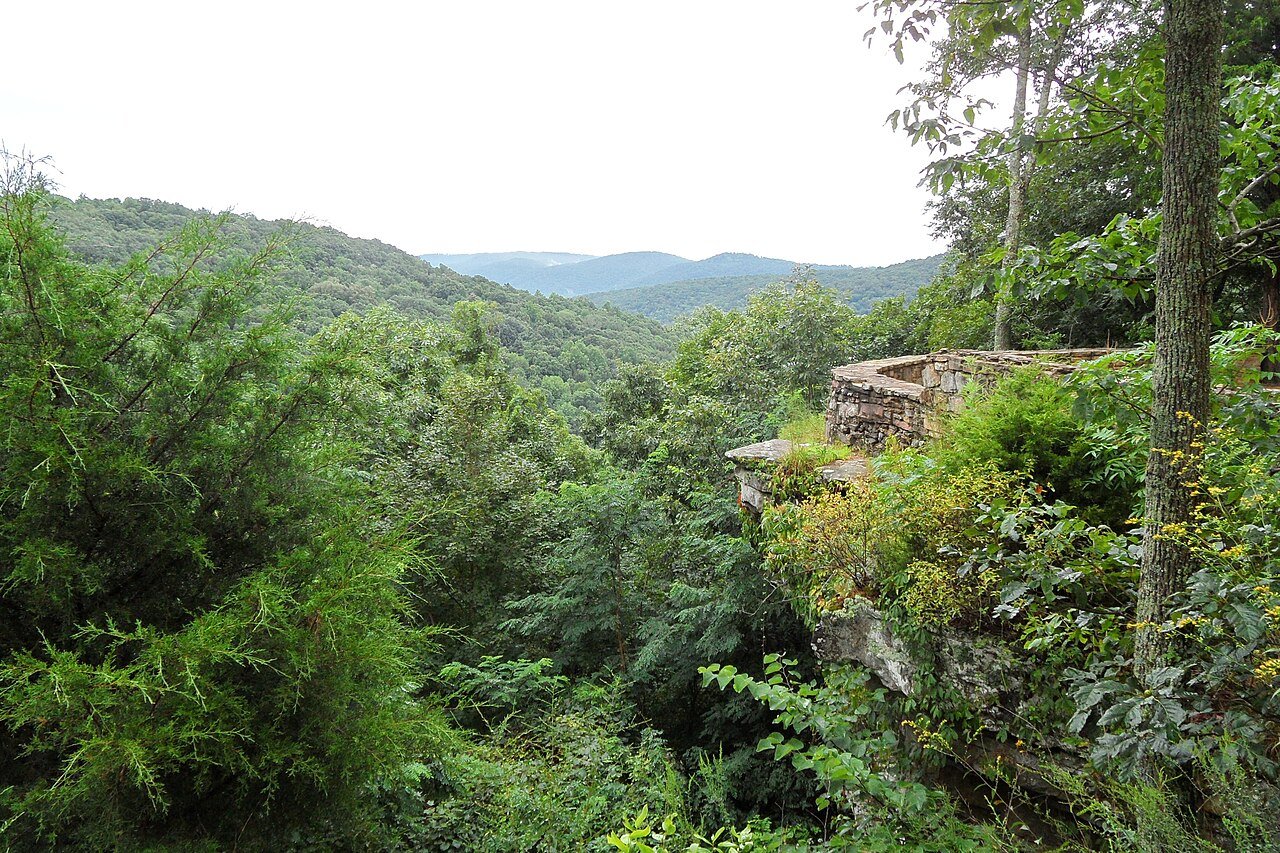
The city’s rapid growth has produced visible changes in the urban fabric. Downtown Huntsville has been substantially rebuilt over the past decade, with craft breweries, strong restaurants, renovated historic buildings, and a maturing arts scene centered on the Lowe Mill complex and the HuntsVille Museum of Art. The Von Braun Center hosts concerts and events year-round, and the outdoor recreation culture — centered on Monte Sano State Park and the extensive trail network above the city — is unexpectedly strong.
Housing in Huntsville and its suburbs (Madison, Hampton Cove, Meridianville) has appreciated significantly, with median home prices now in the $300,000–$380,000 range in desirable areas. This is still well below comparable suburbs in Nashville or Atlanta, but it represents a material change from what Huntsville offered just five years ago. Buyers who move quickly can still find excellent value; those who wait may find the window closing.
Best for: Engineers, defense contractors, tech workers, aerospace professionals, young families seeking career growth with outdoor recreation access
Median home price (2026): ~$330,000 (desirable suburbs)
Top neighborhoods: Downtown Huntsville, Hampton Cove, Jones Valley, Madison
2. Birmingham — Alabama’s Most Complex City
Birmingham is Alabama’s largest city and its most economically and culturally diverse. With a metro population of roughly 1.2 million, it functions as the state’s primary commercial, medical, and cultural hub. UAB (University of Alabama at Birmingham) anchors a major medical research and healthcare complex that is one of the city’s largest employers and a nationally recognized academic medical center. The financial, legal, and professional services sectors are concentrated here as well.
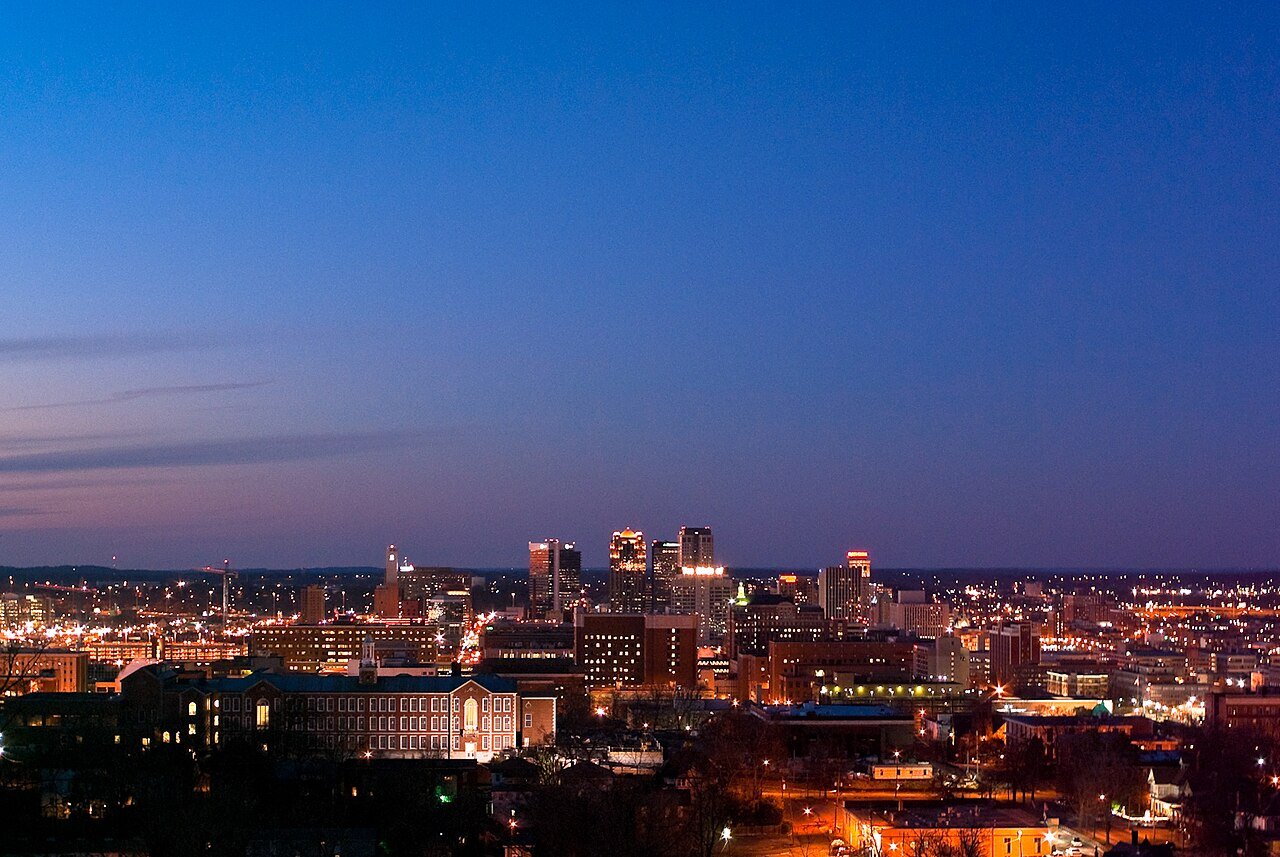
The Birmingham experience varies enormously depending on which part of the city you choose. Mountain Brook and Vestavia Hills are among the most affluent and highly regarded suburbs in the Southeast, with exceptional public schools, meticulously maintained neighborhoods, and home prices that reflect the premium. Hoover offers slightly more accessible prices while still providing strong schools and convenient shopping. Inner-city neighborhoods like Avondale, Forest Park, and Woodlawn have come back to life on the strength of young professionals, creative businesses, and community investment.
Birmingham’s food scene is one of the city’s defining assets. The concentration of excellent restaurants — from James Beard Award-winning chef Frank Stitt’s establishments to a new generation of chef-driven smaller restaurants — is disproportionate to the city’s size. The craft beer industry has also developed significantly, with over a dozen quality breweries operating in the metro area.
Best for: Medical professionals, attorneys, finance workers, families seeking top suburban schools, food enthusiasts, people wanting urban amenities at reasonable cost
Median home price (2026): $180,000–$450,000 (varies enormously by neighborhood)
Top neighborhoods: Mountain Brook, Vestavia Hills, Hoover, Avondale, Forest Park
3. Auburn — College Town Energy With Room to Grow
Auburn is one of those college towns that works remarkably well for people who aren’t students. Auburn University — a major research university with more than 35,000 students — creates the cultural and economic infrastructure that small cities typically lack: good restaurants, live music venues, arts events, a walkable downtown, and a permanent population of educators and researchers who value quality of life. The Alabama Forestry Commission, various agricultural research operations, and a growing number of tech companies drawn by university partnerships have diversified the economy beyond its academic core.
The city has been growing steadily and intelligently, with a downtown commercial district that has been built up thoughtfully around independent businesses rather than chains. The surrounding Lee County area has attracted retirees and remote workers who want small-town character with college-town amenities — a combination that is genuinely unusual and underappreciated.
Housing in Auburn is moderately priced by Alabama standards, though proximity to campus commands a premium. Single-family homes in established residential neighborhoods run $250,000–$380,000 for solid 3–4 bedroom properties. The public school system (Auburn City Schools) consistently ranks among the best in the state.
Best for: University-connected professionals, retirees seeking intellectual community, families prioritizing school quality, remote workers wanting small-town character
Median home price (2026): ~$285,000
Top neighborhoods: Historic downtown, Richland, Moores Mill Road corridor
4. Madison — Huntsville’s Most Desirable Suburb
Madison is technically a separate city from Huntsville but functions effectively as its most desirable suburb. Located 15–20 minutes west of central Huntsville, Madison has grown from a small agricultural community into one of the fastest-growing cities in Alabama, driven entirely by the overflow of Huntsville’s aerospace and tech economy. The city’s population has roughly doubled in 15 years.
Madison’s appeal is straightforward: new construction homes in planned neighborhoods, highly rated Madison City Schools (consistently ranked among the top systems in Alabama), low crime rates, and convenient access to Huntsville’s employment base without the congestion and urban complexity of the city proper. The city has invested significantly in parks, trail systems, and community facilities that create a suburban lifestyle of genuinely high quality.
The trade-off is that Madison feels suburban in a thoroughgoing way — car-dependent, planned, and lacking the urban texture that some people value. For families whose priority is school quality, safety, and a new or recently built home, Madison ticks every box.
Best for: Young families with children, defense/aerospace workers, buyers prioritizing new construction and excellent schools
Median home price (2026): ~$360,000
5. Florence and the Muscle Shoals Area
The Quad Cities area of northwestern Alabama — Florence, Tuscumbia, Sheffield, and Muscle Shoals — occupies a unique place in American cultural history. The Fame Recording Studios and Muscle Shoals Sound Studio made this area one of the most important centers of American music production in the 1960s and 1970s, recording songs by Aretha Franklin, the Rolling Stones, Wilson Pickett, Lynyrd Skynyrd, and dozens of other legendary artists. That heritage infuses the region with a creative identity that is visible in its public art, its music venues, and the particular pride its residents take in a place that punched far above its weight.
Beyond the music heritage, the Quad Cities area offers exceptional quality of life at very low cost. The Tennessee River forms a recreational backbone for the region, with first-rate fishing, boating, and waterfront parks. The University of North Alabama in Florence contributes cultural programming and a permanent population of educators that enriches the civic life disproportionately to the city’s size. Housing is among the most affordable in the state, with solid single-family homes available from $150,000–$250,000.
Best for: Music enthusiasts, retirees, remote workers seeking very low cost of living, people who value small-city character with rich cultural heritage
Median home price (2026): ~$195,000
6. Mobile — Gulf Coast Urban Living
Mobile is Alabama’s oldest city and its most architecturally distinctive. A former French colonial capital, the city carries its history in its antebellum streetscapes, its Creole culinary culture, and its annual Mardi Gras celebration — which predates the New Orleans tradition by more than 15 years. The Port of Mobile is one of the ten largest ports in the United States and anchors a diverse economy that includes shipping logistics, manufacturing, aerospace (Airbus operates an expanding aircraft assembly facility in Mobile, which added a second A320 final assembly line in 2025), and healthcare.
The city’s housing market is among the most affordable for a city of its size (population ~200,000) in the Southeast. Midtown Mobile’s historic district features beautiful homes — many with genuine antebellum character — available at prices that seem improbable by the standards of any other major Southern city. The eastern shore of Mobile Bay (Fairhope, Daphne, Spanish Fort) has become particularly popular with families and retirees who want access to Mobile’s amenities and employment base while living in smaller, more residential communities with strong school systems.
Best for: History enthusiasts, maritime industry workers, families seeking affordable coastal living, retirees drawn to Creole culture and mild climate
Median home price (2026): ~$220,000 (Mobile proper); $290,000–$380,000 (Eastern Shore suburbs)
7. Tuscaloosa — University Town With Southern Character
Tuscaloosa is the home of the University of Alabama and the University of Alabama Crimson Tide football program — a cultural institution of such magnitude that it shapes the entire social calendar of the city from August through December. If you have strong feelings about college football, positive or negative, Tuscaloosa will test them.
Beyond football, Tuscaloosa is a genuinely pleasant mid-size city with a reworked downtown, a strong restaurant and bar scene, and a diverse economy that includes the university, a major Mercedes-Benz manufacturing plant, and healthcare. The Tuscaloosa housing market is affordable with a slight premium around the university, and the city has invested meaningfully in parks and recreational infrastructure along the Black Warrior River waterfront.
Best for: University-connected workers, manufacturing employees, football-loving families, buyers seeking affordable mid-size city living
Median home price (2026): ~$210,000
Quick Comparison: Alabama Cities at a Glance
- Best economy/job market: Huntsville
- Most affordable with good amenities: Florence/Muscle Shoals area
- Best for families (schools): Madison, Auburn, Vestavia Hills (Birmingham)
- Best urban lifestyle: Birmingham (Avondale, Mountain Brook)
- Best coastal living: Mobile/Fairhope/Eastern Shore
- Best college-town energy: Auburn, Tuscaloosa
- Best for retirees: Fairhope, Auburn, Florence
- Most culturally unique: Mobile (Mardi Gras, Creole heritage)
Making the Right Choice for You
Alabama’s cities offer genuine variety within a compact geographic footprint. Birmingham to Huntsville is 90 minutes; Huntsville to Florence is 45 minutes; Birmingham to Auburn is two hours; Mobile to the Gulf beaches is 30 minutes. The state is small enough that you can build a life in one city and easily access what the others offer on weekends.
The smartest approach is to spend a weekend in two or three of your top candidates before committing. Alabama’s cities reveal themselves slowly — the things that make them special often don’t show up in the statistics. Walk the neighborhoods. Eat at the local spots. Talk to people who moved there from somewhere else. That research will serve you better than any ranking.
Frequently Asked Questions
Why is Huntsville considered Alabama’s best city in 2026?
Huntsville is Alabama’s most economically dynamic city — its combination of NASA’s Marshall Space Flight Center, Redstone Arsenal (a major US Army installation with more than 75 federal tenant agencies and a daily workforce of roughly 46,000), and a growing constellation of aerospace, defense, and technology companies has created a labor market unlike anything else in the state. Unemployment consistently runs below the national average, and median household incomes in Madison County exceed the state median by a substantial margin. Downtown Huntsville has been substantially rebuilt over the past decade with craft breweries, top restaurants, and a maturing arts scene centered on the Lowe Mill complex. The outdoor recreation culture — centered on Monte Sano State Park and extensive trail networks above the city — is unexpectedly strong. Median home prices in desirable suburbs run approximately $330,000 in 2026, still well below comparable suburbs in Nashville or Atlanta.
What makes Birmingham worth considering for relocation?
Birmingham is Alabama’s largest metro area and its most complex urban environment — a multi-layered city with dozens of distinct neighborhoods catering to very different lifestyles and budgets. It underwent significant economic transformation after the decline of its steel industry, successfully diversifying into healthcare (UAB Health System is the state’s largest employer), finance, and a nationally recognized food and restaurant scene. The Five Points South and Avondale neighborhoods have become centers of craft beer, independent restaurants, and arts venues. The Birmingham Civil Rights Institute, the 16th Street Baptist Church, and Kelly Ingram Park together form one of the most significant civil rights history districts in the country. Housing costs remain among the most affordable of any comparable metro in the South.
What do Alabama’s college towns — Auburn and Tuscaloosa — offer as places to live?
Alabama’s major college towns offer the cultural amenities, restaurant quality, and community energy of university life in a small-city setting. Auburn, home to Auburn University (ranked among the top public universities in the Southeast), has grown rapidly as a residential destination beyond its student population, with strong community events centered on the agricultural heritage of East Alabama. Tuscaloosa, home to the University of Alabama, has been substantially developed around its national championship football program into a city with genuine urban amenities including a renovated downtown, River Walk along the Black Warrior River, and a cultural calendar anchored by the university. Both cities offer housing affordability well below the national median, making them attractive for families and young professionals who prioritize college-town culture and community character.
What smaller Alabama cities offer strong quality of life?
Several smaller Alabama cities offer quality-of-life advantages that their size might not immediately suggest. Florence, in the Tennessee Valley, anchors the Shoals area — a music heritage city with a nationally significant recording history (FAME Studios and Muscle Shoals Sound Studio produced some of American music’s most important recordings in the 1960s and 1970s) and a growing craft food and beverage scene. Dothan, in the southeast corner of the state, functions as the regional hub for the Wiregrass region with a diversified economy and housing that remains extremely affordable. Gulf Shores and Orange Beach are the state’s Gulf Coast communities — popular resort towns with tourism economies that have also attracted permanent residents seeking beach access and the lifestyle of coastal Alabama.
What are the key factors to evaluate when choosing an Alabama city to live in?
The key factors for evaluating Alabama cities are career opportunities, school quality, housing budget, outdoor access, and community character. Huntsville is the strongest choice for technology, aerospace, and defense professionals and has the state’s strongest job market for high earners. Birmingham is most appropriate for those who want the full range of urban amenities — healthcare, arts, dining, nightlife — and who value living in Alabama’s most cosmopolitan environment. College towns like Auburn and Tuscaloosa suit those for whom university-town culture, community events, and lower housing costs are the primary drivers. Alabama’s tax environment is favorable — no tax on Social Security income, low property taxes, and no estate tax — which makes it particularly attractive for retirees and those planning long-term residence.