

Hawaii is not one place. It’s a chain of eight major islands, each with its own character, landscapes, and reasons to visit — and choosing the right mix is one of the more enjoyable decisions in travel planning. A first-timer’s Oahu trip has almost nothing in common with a week along Kauai’s Nā Pali Coast, which is itself entirely different from watching active lava glow above Halemaʻumaʻu on the Big Island. Understanding what each island actually offers is the foundation of a great Hawaiian vacation.
Oahu: The Island That Has Everything
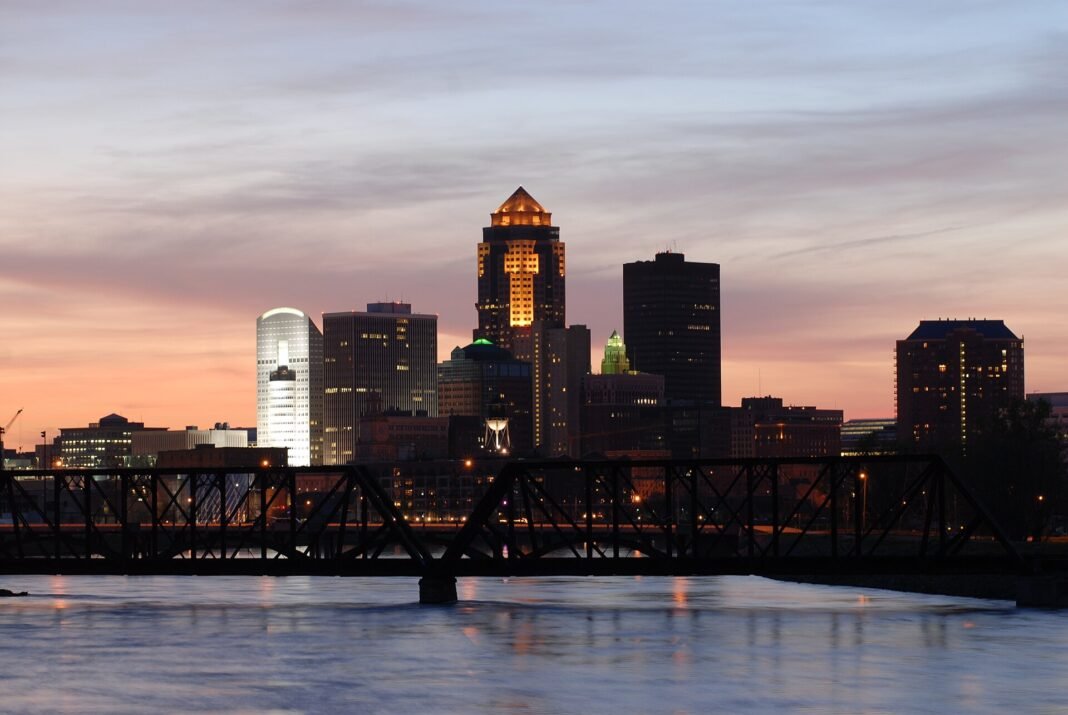
Oahu is where roughly 70% of Hawaii’s population lives and where most visitors arrive — and for good reason. Honolulu is the state capital, a serious city with excellent restaurants, deep local culture, and the Bishop Museum (the finest collection of Hawaiian and Pacific cultural artifacts anywhere in the world). Waikīkī is the resort district: a two-mile beach backed by hotels, shops, and sidewalk cafes, with Diamond Head crater providing the iconic backdrop. It’s touristy, yes, but the beach is genuinely beautiful and the infrastructure is unmatched anywhere else in the islands.
The North Shore — about 45 minutes from Waikīkī by car — is a different world: small towns, food truck culture, and from November through March, the most spectacular big-wave surfing anywhere. Banzai Pipeline and Sunset Beach attract the world’s best surfers and crowds of respectful spectators. The Eddie Aikau Big Wave Invitational, held at Waimea Bay only when waves clear 20 feet, is one of the great sporting spectacles on earth. In summer, the same shoreline is calm and excellent for snorkeling. Pearl Harbor — the USS Arizona Memorial, the USS Missouri battleship, and the Pearl Harbor Aviation Museum — anchors any visit to Oahu and deserves at least half a day; check the National Park Service for the latest on memorial boat access, which has been affected by ongoing pier preservation work into 2026.
Maui: The Most Popular Island for Good Reason
Maui consistently draws the highest ratings from repeat Hawaii visitors, and it earns them. The mix of postcard beaches (Kāʻanapali, Wailea, and the dramatic coastline along the Road to Hāna), top-tier snorkeling and diving (Molokini Crater, a partially submerged volcanic crater famous for clear water, and Turtle Town off the south coast), and otherworldly interior landscapes (Haleakalā, the dormant 10,023-foot peak that towers above the clouds) gives Maui a range that most destinations simply can’t match.
Lahaina, the historic harbor town on Maui’s west side, was largely destroyed in the August 2023 wildfire. Recovery is ongoing in 2026: Lahaina Harbor has reopened for limited commercial tours, the historic banyan tree at the courthouse square survived and is being carefully nursed back, and a handful of restaurants on the north edge of town have reopened. Most of Front Street and Banyan Tree Park remain closed to general visitors as rebuilding continues under historic-district guidelines. Visitors elsewhere on Maui are warmly welcomed — tourism supports the recovery — and the rest of the island is fully open.
The Road to Hāna — a 64-mile coastal highway with roughly 620 curves and 59 bridges — is one of the most celebrated drives in the world, passing waterfalls, bamboo forests, lava-rock coastlines, and dramatic sea cliffs. The drive itself takes 2–3 hours nonstop, but most people give it the full day and stop often. Watching sunrise from the summit of Haleakalā (above the clouds, in the cold, with a National Park Service reservation required) is one of those experiences that no photograph fully captures — you’re standing at 10,000 feet watching the light turn a volcanic crater the color of rust and gold.
The Big Island: Active Volcanoes, Black Sand, and Sky
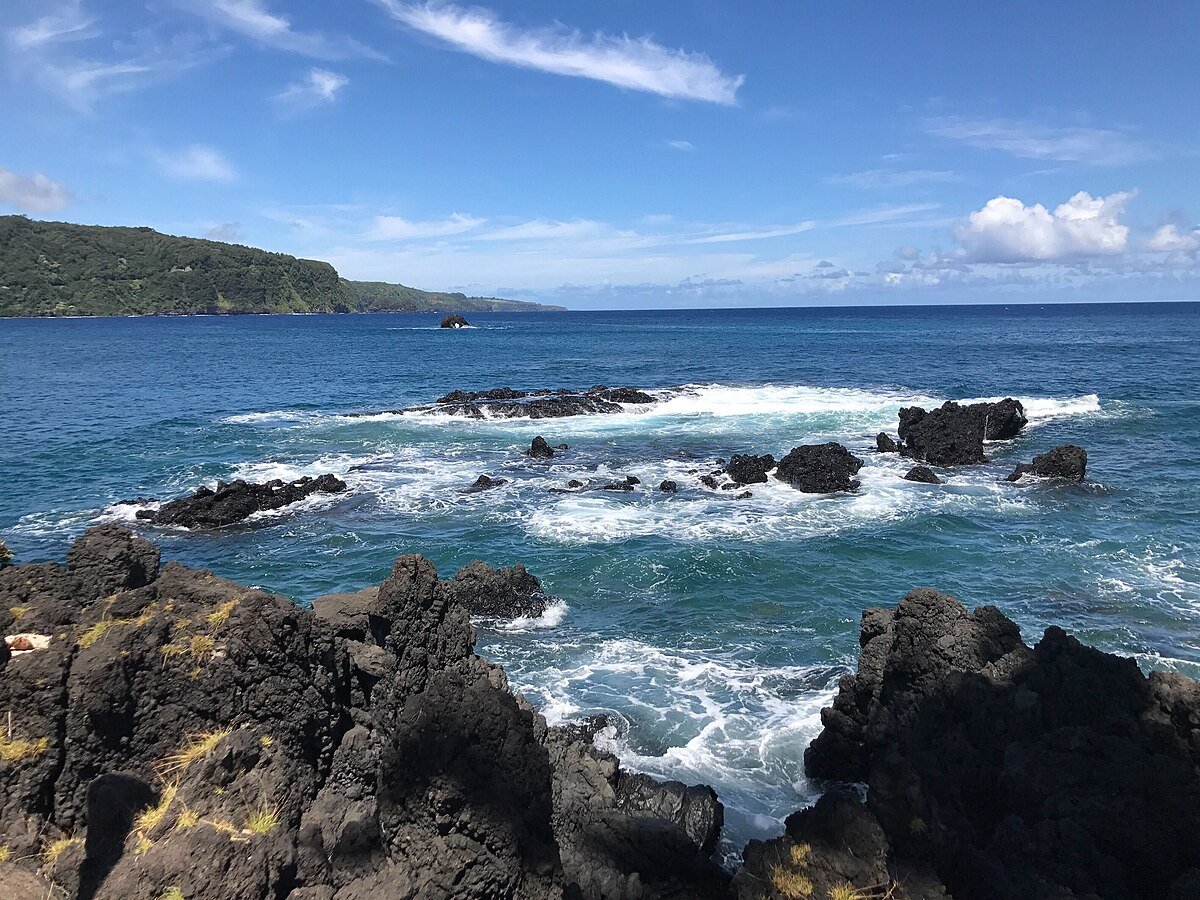
The Big Island (officially Hawaiʻi Island) is the only U.S. destination where you can stand in tropical rainforest, watch active volcanic activity, drive past black-sand beaches, and reach an alpine summit within a single day. Kīlauea, inside Hawaiʻi Volcanoes National Park, has been in an episodic eruption cycle at Halemaʻumaʻu since late 2024, with episodic lava fountaining inside the summit caldera — check the USGS Hawaiian Volcano Observatory before you go, since episodes pause and resume on the order of days to weeks. Mauna Loa, which last erupted in late 2022 after 38 quiet years, currently sits at NORMAL/GREEN alert status. The Kona coast on the leeward side offers the calmest snorkeling in the state (Two Step at Hōnaunau, the Kealakekua Bay Captain Cook monument) and the famous Manta Ray Night Dive off Kailua-Kona. The Mauna Kea summit road — Saddle Road on the way up — climbs to nearly 14,000 feet for some of the best stargazing on earth (though the visitor center is the practical stopping point for most travelers).
Kauai: The Garden Isle
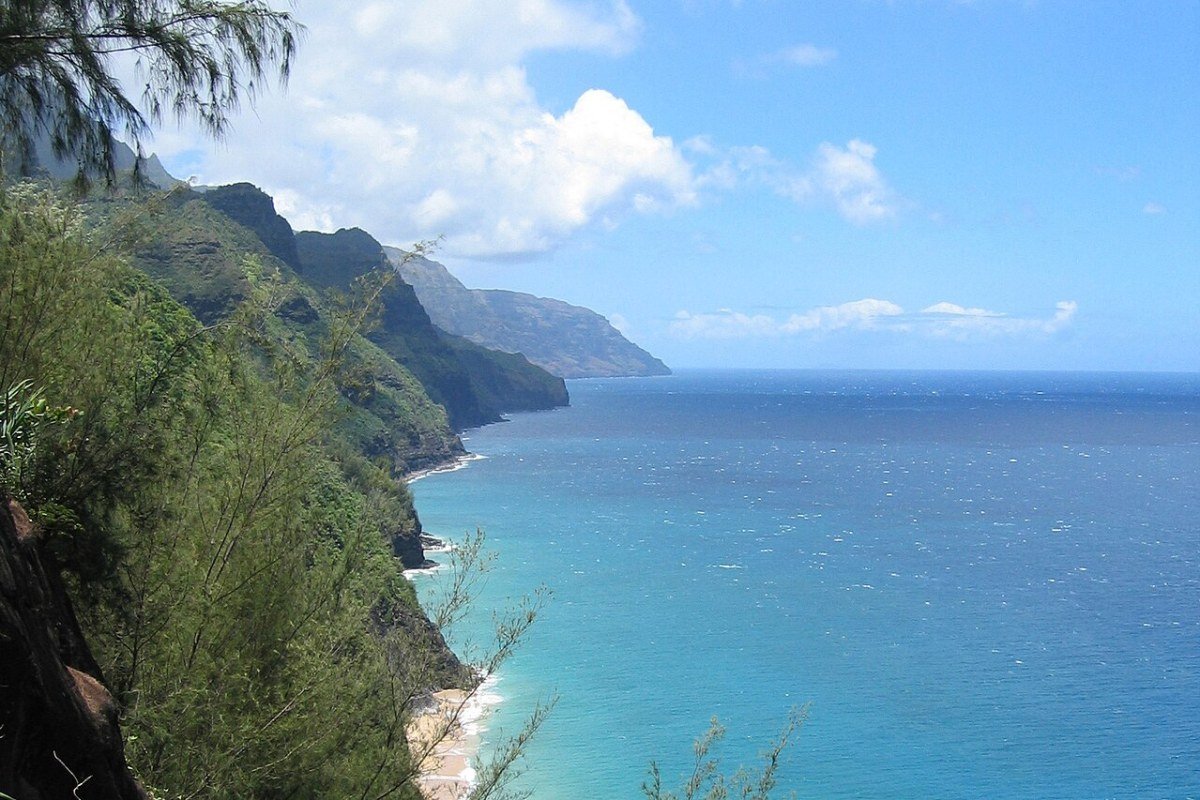
Kauai is the most dramatically wild of the main Hawaiian islands. The Nā Pali Coast — 16 miles of green sea cliffs that drop straight into the Pacific — is accessible only by helicopter, by boat from Hanalei or Port Allen, or by foot on the 11-mile Kalalau Trail (permits required and competitive). Waimea Canyon, often called the “Grand Canyon of the Pacific,” runs 10 miles long and a mile wide along the island’s western interior. Hanalei Bay on the north shore is one of the great American beaches; Poʻipū on the south stays sunny when the north is rainy. Kauai is smaller and quieter than Oahu or Maui, and that’s the point.
Molokai and Lanai: For Those Who Want to Disappear
Molokai and Lanai are for visitors who actively want to step away from the tourism infrastructure. Molokai has almost no visitor facilities — no traffic lights, no chain restaurants, a handful of small hotels — and a pace that feels closer to mid-century Hawaii than anywhere else in the state. Kalaupapa National Historical Park (accessible only by small plane or hike, with tours periodically restricted) preserves the former Hansen’s disease settlement where Saint Damien worked and died; it offers one of the most historically profound experiences in the Pacific. Lanai, largely owned by Oracle founder Larry Ellison, has just two luxury Four Seasons resorts, excellent snorkeling at Hulopoʻe Beach, and the strange, beautiful Garden of the Gods (Keahiakawelo) lava field in the island’s interior.
Island-Hopping: Recommended Combinations
Hawaiian Airlines (now part of Alaska Air Group) and Southwest Airlines serve all major inter-island routes. Flights run 30–50 minutes and typically cost $60–$180 each way depending on dates and how far in advance you book. Inter-island ferry service is limited and weather-dependent — the Maui–Lanai Expeditions ferry is the most reliable option for short hops — so most island-hopping itineraries work better by air.
- First-timers (7–10 days): Oahu (3–4 days) + Maui (4–5 days). Covers the most iconic experiences efficiently.
- Nature and adventure (10–14 days): Big Island (4–5 days) + Kauai (4–5 days) + Maui (3–4 days). The strongest lineup for landscape variety.
- Romance and luxury: Maui (5 days) + Lanai (2 nights at the Four Seasons). An exceptional pairing of beauty and seclusion.
- Off the beaten path (10+ days): Kauai (5 days) + Molokai (2 days) + Big Island (4 days). For repeat Hawaii travelers who want something genuinely different.
Best Time to Visit Hawaii
Hawaii has two practical seasons: summer (April–October), which is drier and warmer (80–85°F / 27–30°C), and winter (November–March), which brings more rain to windward coasts and the best big-wave surfing on the North Shore. The distinction matters mostly by island and coastline — leeward shores (Kona on the Big Island, Poʻipū on Kauai, Kāʻanapali on Maui) stay sunny and dry year-round. December through March is peak season for both prices and crowds; April–May and September–October offer the best balance of weather, lower Hawaii hotel rates, and lighter crowds. Whale season runs roughly December through April, when humpback sightings off Maui and the Big Island are common. Book flights to Hawaii 3–5 months in advance for the best fares — last-minute fares are punishing. One 2026 note: Hawaii’s new “green fee” took effect on January 1, raising the Transient Accommodations Tax to 11% on hotels and short-term rentals to fund climate and conservation work.
Frequently Asked Questions
What are the best Hawaiian islands to visit and what makes each unique?
Hawaii’s six visitor-accessible main islands each have a distinct character. Oahu — where about 70% of the population lives — combines Honolulu’s serious city culture, the Bishop Museum (world’s finest collection of Hawaiian and Pacific cultural artifacts), and Waikīkī’s resort infrastructure with the North Shore’s world-class big-wave surfing (November–March). Maui draws the highest repeat-visitor ratings: Kāʻanapali and Wailea beaches, Molokini Crater snorkeling, Haleakalā (10,023 feet, sunrise above the clouds, reservation required), and the Road to Hāna (64 miles, roughly 620 curves, 59 bridges past waterfalls and bamboo forests). Kauai is the most dramatically wild — the Nā Pali Coast’s 16-mile sea cliffs are accessible only by helicopter, boat, or the 11-mile Kalalau Trail. The Big Island is the only U.S. destination where active volcanic activity at Kīlauea, tropical rainforest, an alpine summit, and world-class stargazing all sit within a single day’s drive.
What are the best island-hopping combinations for first-time visitors to Hawaii?
For first-timers (7–10 days): Oahu (3–4 days) plus Maui (4–5 days) — this covers the most iconic experiences most efficiently. For nature and adventure (10–14 days): Big Island (4–5 days) plus Kauai (4–5 days) plus Maui (3–4 days) — the strongest combination for landscape variety. For romance: Maui (5 days) plus Lanai (2 nights at the Four Seasons) — exceptional beauty and seclusion. For experienced Hawaii travelers: Kauai (5 days) plus Molokai (2 days) plus Big Island (4 days) — something genuinely different from the standard tourist circuit. Inter-island flights (Hawaiian Airlines, now part of Alaska Air Group, and Southwest Airlines) run 30–50 minutes and typically cost $60–$180 each way depending on advance booking.
What are Hawaii’s most important historical and cultural sites?
Pearl Harbor on Oahu deserves at least half a day and is among the most moving war memorials in the United States: the USS Arizona Memorial (built over the sunken battleship, where 1,177 sailors and Marines died and more than 900 remain entombed in the hull; boat access has been affected by ongoing pier preservation work, so check the National Park Service before you go), the USS Missouri battleship (where Japan signed the surrender documents in 1945), and the Pearl Harbor Aviation Museum. The Bishop Museum in Honolulu holds the world’s most comprehensive collection of Hawaiian and Pacific cultural artifacts. ʻIolani Palace, also in downtown Honolulu, is the only official royal palace on U.S. soil. Puʻuhonua o Hōnaunau National Historical Park on the Big Island preserves an ancient place of refuge where those who broke kapu (sacred laws) could seek absolution. Lahaina’s historic district remains under reconstruction following the August 2023 wildfire.
What outdoor activities are available in Hawaii beyond beaches?
Hawaiʻi Volcanoes National Park on the Big Island offers an experience found nowhere else in the United States: active volcanic landscapes at Kīlauea’s Halemaʻumaʻu (episodic eruptions since late 2024 — check the USGS Hawaiian Volcano Observatory before visiting), lava tube hiking at Nāhuku, and the 13,679-foot Mauna Loa, the world’s largest active volcano. Haleakalā National Park on Maui delivers the summit sunrise (above the clouds at 10,023 feet, reservation required) and the 11-mile Sliding Sands crater hike through a landscape that looks like another planet. Kauai’s Nā Pali Coast State Wilderness Park offers the Kalalau Trail (11 miles along sea cliffs, permits required) and helicopter tours that are among the most cited helicopter experiences in the country. On the Big Island, snorkeling at Two Step (Hōnaunau) and the Manta Ray Night Dive off Kailua-Kona are world-class.
When is the best time to visit Hawaii and what do visitors need to know practically?
Hawaii has two seasons: summer (April–October) is drier and warmer (80–85°F / 27–30°C); winter (November–March) brings more rain to windward coasts and the best big-wave surfing on the North Shore. Leeward coasts (Kona on the Big Island, Poʻipū on Kauai, Kāʻanapali on Maui) stay sunny and dry year-round. Peak season runs December through March — book flights 3–5 months ahead for the best fares; last-minute fares are punishing. April–May and September–October offer the best balance of good weather, lower hotel rates, and lighter crowds. Whale season is roughly December through April. As of January 1, 2026, Hawaii’s new green fee raised the Transient Accommodations Tax to 11% on hotels and short-term rentals. Hawaii state law also bans sunscreens containing oxybenzone and octinoxate — bring reef-safe sunscreen. Inter-island travel is almost always by air; ferry service is limited.