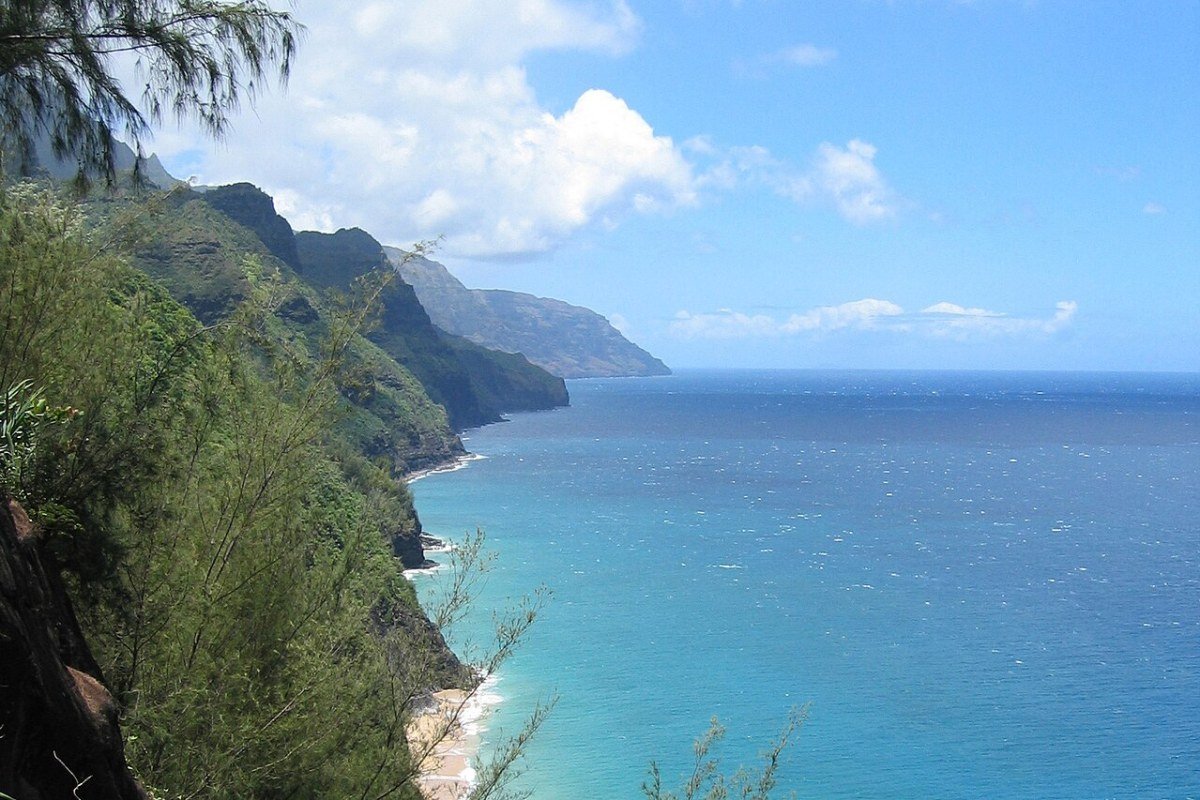
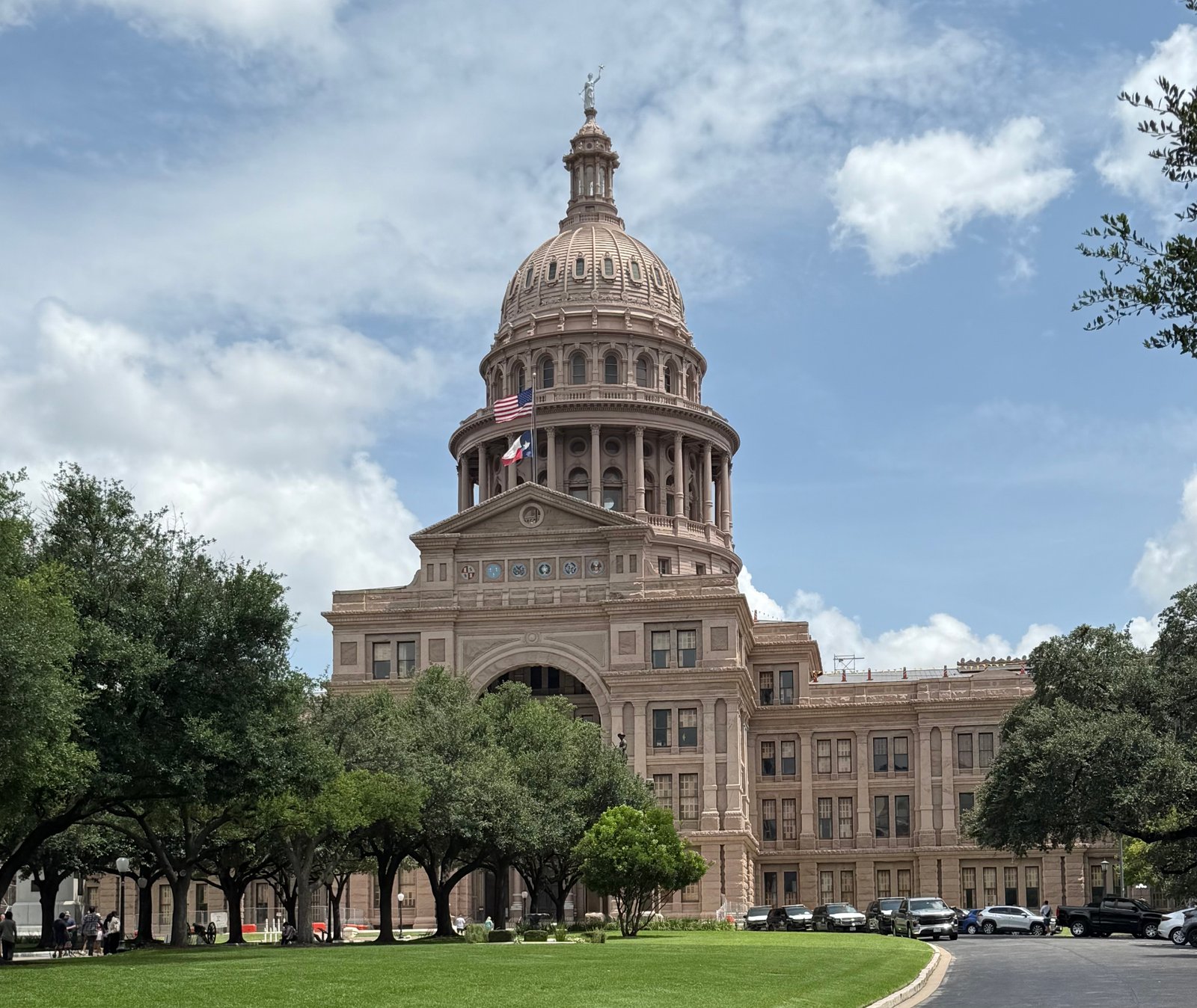
Texas is too large to summarize. The second-biggest state in the country covers 268,597 square miles — larger than France — and packs in everything from the piney woods of East Texas and the Gulf Coast barrier islands to the limestone canyons of the Hill Country, the Chihuahuan Desert in Big Bend country, and the coastal prairies of the Golden Crescent. It also holds five of the country’s twenty-five largest cities — Houston, San Antonio, Dallas, Austin, and Fort Worth — each with a distinct character that pushes back against any easy idea of what “Texas” means. For travelers, Texas is Hill Country wildflowers in spring, Big Bend’s billion-year-old geology, San Antonio’s River Walk, Austin’s music venues, and the Gulf Coast’s barrier-island beaches. For locals, it’s the open space, the independence culture, no state income tax, and the particular intensity of a state that takes its own mythology seriously.
San Antonio: History, River Walk, and the Alamo
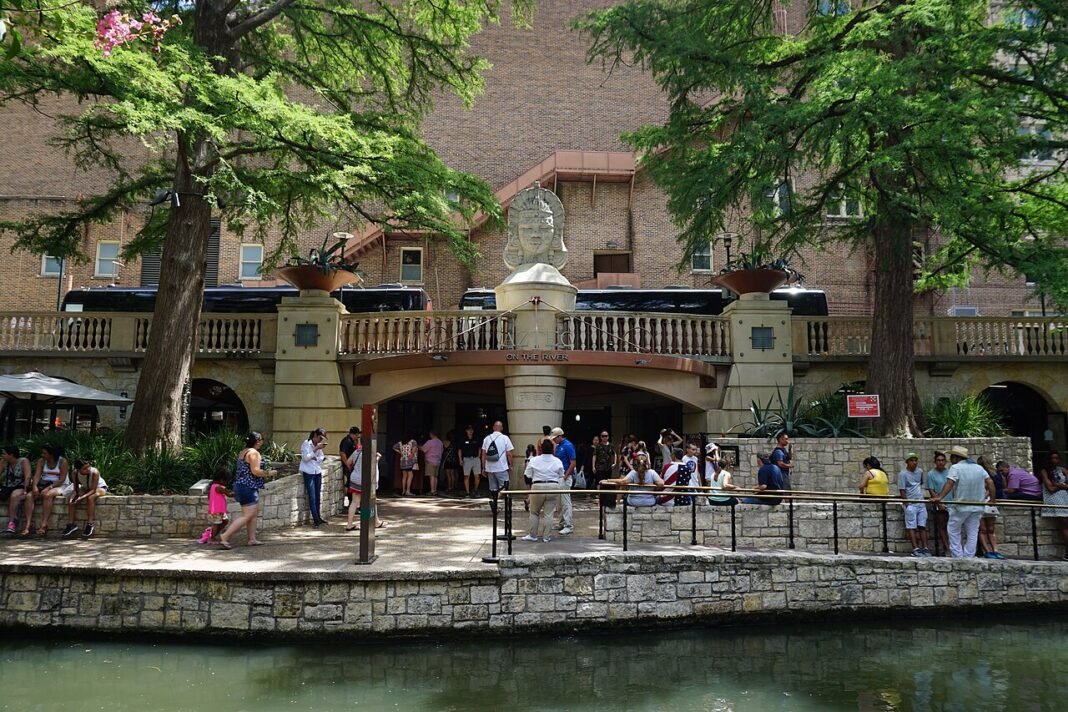
San Antonio is the most historically dense city in Texas, a place where Spanish colonial missions, Mexican cultural heritage, German Hill Country immigrant influence, and a major military presence (anchored by Joint Base San Antonio, the Department of Defense’s largest single installation) all sit on top of each other downtown. The Alamo, the most visited historic site in Texas, occupies the heart of downtown: a former Spanish mission and the site of the 1836 battle that became the founding story of Texas independence. The San Antonio Missions National Historical Park preserves four additional missions (Concepción, San José, San Juan, and Espada) strung along the San Antonio River. They were designated a UNESCO World Heritage Site in 2015 (still the only one in Texas), and most visitors to the Alamo never make it down the trail to see them. The River Walk (Paseo del Rio), a 15-mile linear park along the channelized San Antonio River, is the social heart of the city — restaurants, bars, and hotels line both banks downtown, with quieter mission-trail stretches running south.
Austin: Live Music Capital and Tech City
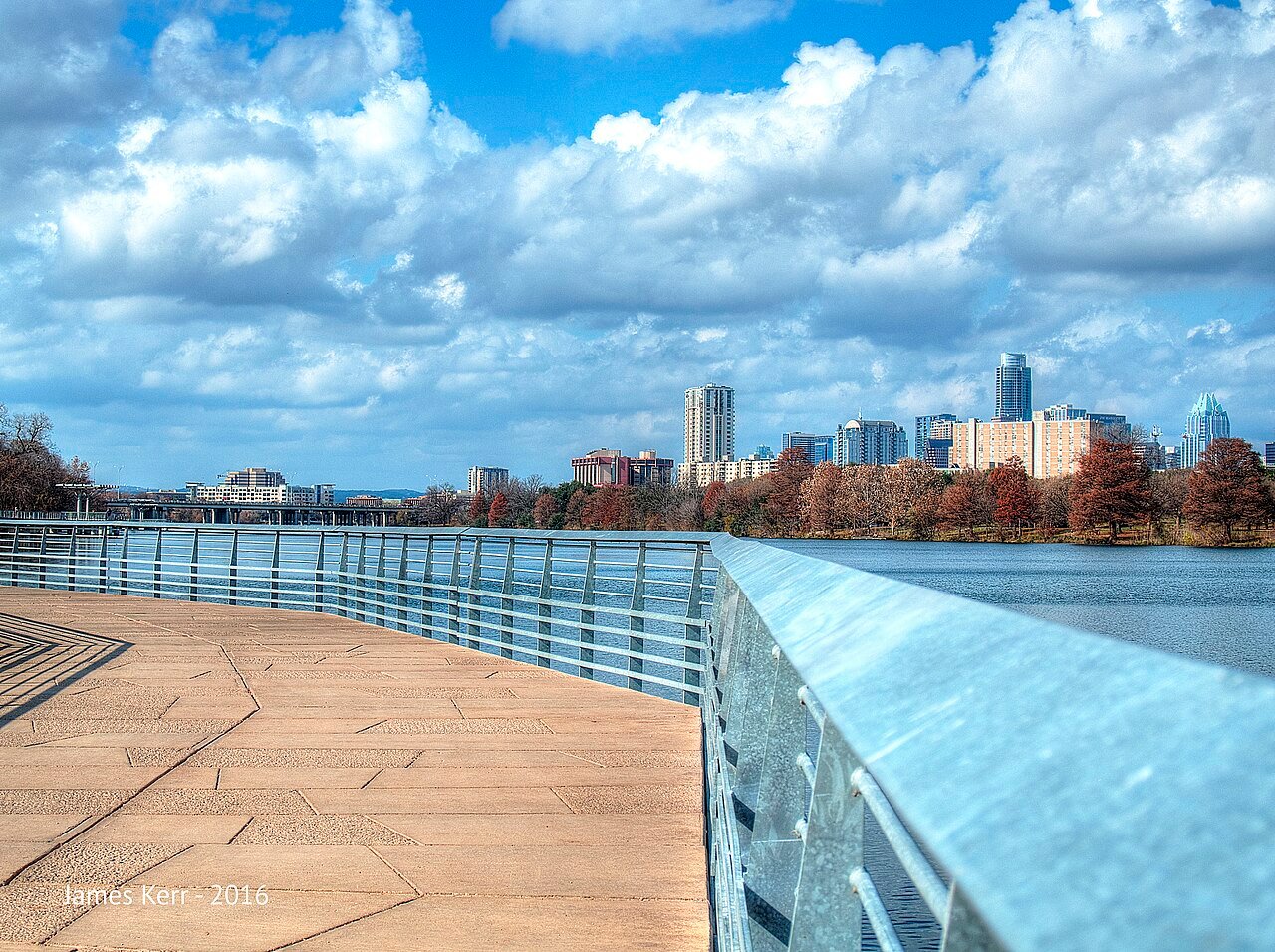
Austin’s shift from a university town and state capital into a booming tech center has not erased what made the city interesting; it has only complicated it. The Sixth Street entertainment district and the Red River Cultural District (the more authentic live music zone, with venues like Stubb’s Waller Creek Amphitheater, Hotel Vegas, and the Continental Club) still back up the “Live Music Capital of the World” claim more convincingly than any comparable city. South by Southwest (SXSW, March 12–18 in 2026) and the Austin City Limits Music Festival (October 2–4 and 9–11 at Zilker Park in 2026) draw artists and audiences from across North America. Barton Springs Pool, a spring-fed swimming hole in Zilker Park fed by the Edwards Aquifer and holding 68–70°F year-round, and the Lady Bird Lake hike-and-bike trail anchor the outdoor side of Austin’s quality of life. The LBJ Presidential Library on the UT campus draws a steady stream of historians and is often ranked above its peers in the presidential-library system.
Houston: The International City
Houston is the major American city most often overlooked by travelers, and the most ethnically diverse large city in the nation, with no racial majority group. It is home to the Texas Medical Center (106,000 employees across 54 institutions, the largest medical complex in the world), Space Center Houston, and a restaurant scene that reflects the city’s international mix. The Museum District clusters 21 institutions within walking distance of each other — the Houston Museum of Natural Science, the Menil Collection (a free-admission private art museum that rivals any in the United States), the Museum of Fine Arts Houston, and the Buffalo Bayou Park greenway build a cultural infrastructure that catches most visitors off guard. Houston’s Montrose, Midtown, and Heights neighborhoods give the city the walkable urban character that its sprawl reputation tends to bury.
Big Bend National Park: Texas’s Wild Heart
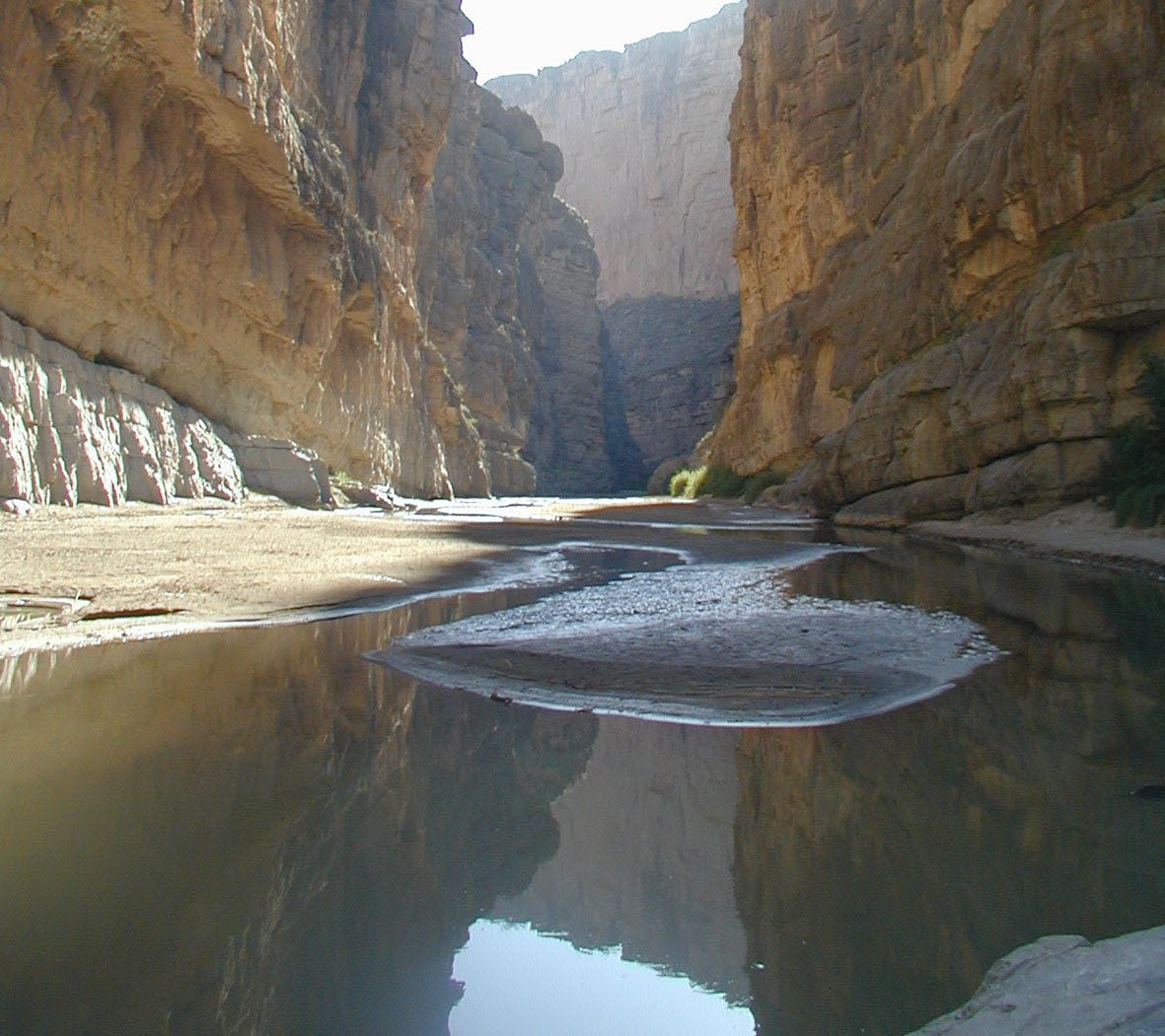
Big Bend National Park — 801,163 acres of Chihuahuan Desert, Chisos Mountains, and Rio Grande canyons in extreme southwest Texas — is the most remote and wild of the major lower-48 national parks. The drive from San Antonio (7 hours) or Austin (7.5 hours) is long, but it pays off with a landscape of serious geological drama: Santa Elena Canyon (where you walk between 1,500-foot limestone walls as the Rio Grande cuts through Mesa de Anguila), the Chisos Basin (a high-country enclave at 5,400 feet surrounded by desert), and a night sky (Gold Tier International Dark Sky Park since 2012, with essentially no light pollution) that together reward the long haul to get there. Big Bend drew about 561,000 visitors in 2024, against roughly 12 million at Great Smoky Mountains the same year, and that solitude is part of the experience.
Texas Hill Country
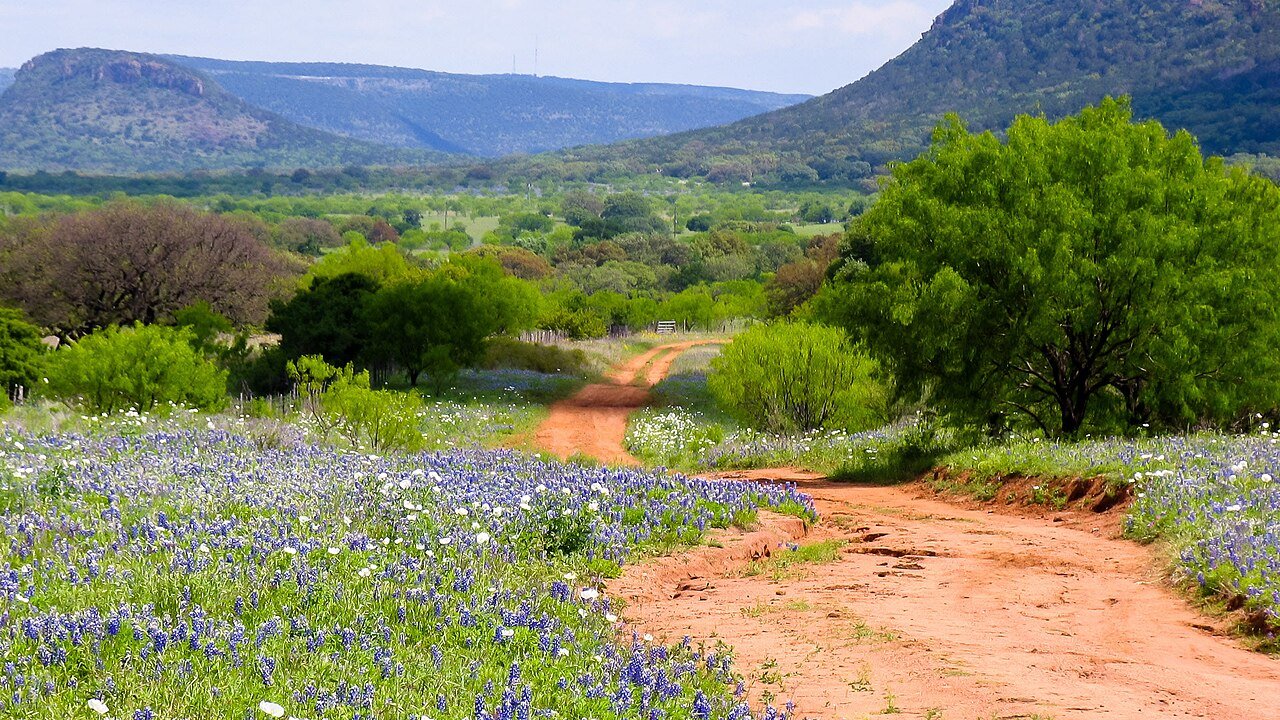
The Hill Country — the limestone plateau northwest of San Antonio and west of Austin — is the landscape Texans hold closest: a terrain of clear spring-fed rivers, wildflowers (bluebonnets and Indian paintbrush carpet the roadsides from mid-March through mid-April, with peak bloom usually in early to mid April), German immigrant towns (Fredericksburg, New Braunfels, Boerne), and a wine industry that has grown into more than 100 wineries centered on Fredericksburg. The Guadalupe and Frio Rivers are Texas’s most popular summer swimming and tubing destinations. Enchanted Rock State Natural Area — a pink granite dome rising 425 feet above the surrounding hills, less than 20 miles north of Fredericksburg — is the region’s standout geological landmark. The drive from Austin to Fredericksburg on US-290 through Johnson City and past the LBJ Ranch ranks among the state’s great scenic routes.
Practical Information
Dallas-Fort Worth International (DFW) and Houston’s George Bush Intercontinental (IAH) are the state’s major international hubs; Austin-Bergstrom (AUS), San Antonio (SAT), and Houston Hobby (HOU) handle most regional and domestic traffic. Texas is car-centric — public transit is limited even in the largest cities, and a rental car is essential for any destination outside the urban cores. I-10, I-35, and I-45 are the three big arteries, and driving distances are no joke: El Paso to Houston is about 745 miles on I-10. Summer heat is severe across the state (Dallas averages 22 days above 100°F; San Antonio averages 18), with peak July and August temperatures hitting 108°F in some years. The best travel seasons are spring (March through May, wildflower season) and fall (October and November, after the summer heat finally breaks).
Frequently Asked Questions
Why is San Antonio considered the most historically layered city in Texas?
San Antonio is the most historically layered city in Texas — a place where Spanish colonial missions, Mexican cultural heritage, German immigrant influence, and a major military presence have built up on top of each other downtown. The Alamo, the most visited historic site in Texas, occupies the heart of downtown — a former Spanish mission and the site of the 1836 battle that became the founding story of Texas independence. The San Antonio Missions National Historical Park preserves four additional missions (Concepción, San José, San Juan, and Espada) along the San Antonio River, designated a UNESCO World Heritage Site in 2015 (still the only one in Texas) — and most visitors to the Alamo never make it down the trail to see them. The River Walk (Paseo del Rio), a 15-mile linear park along the channelized San Antonio River, is the social heart of the city, with restaurants, bars, and hotels lining both banks downtown and quieter mission-trail sections running south along the river corridor.
Why does Austin call itself the Live Music Capital of the World?
Austin’s claim as the “Live Music Capital of the World” is backed up by an active venue ecosystem that has hung on through the city’s dramatic shift from university town to tech hub. The Red River Cultural District — with venues like Stubb’s Waller Creek Amphitheater, Hotel Vegas, and the Continental Club — is the more authentic live music zone, while the Sixth Street entertainment district delivers the high-volume bar-and-band atmosphere that draws most visitors. South by Southwest (SXSW, March 12–18 in 2026) and the Austin City Limits Music Festival (October 2–4 and 9–11 at Zilker Park in 2026) draw artists and audiences from across North America. Beyond the music, Austin’s Barton Springs Pool (a spring-fed natural swimming hole in Zilker Park, fed by the Edwards Aquifer and holding 68–70°F year-round) and the Lady Bird Lake hike-and-bike trail define the outdoor side of life that makes Austin one of the most livable big cities in the South. The LBJ Presidential Library on the UT campus is often ranked above its peers in the presidential-library system.
Why is Houston such an underrated city for travelers?
Houston is the most underrated major American city for visitors — the most ethnically diverse large city in the country (with no racial majority group among its 2.3 million residents), home to the largest medical complex in the world (the Texas Medical Center employs 106,000 people across 54 institutions), and home to a restaurant scene that reflects the city’s international mix. The Museum District clusters 21 cultural institutions within walking distance — the Houston Museum of Natural Science, the Menil Collection (a free-admission private art museum that rivals any in the country), the Museum of Fine Arts Houston, and the Rothko Chapel give Houston a cultural infrastructure that consistently surprises first-time visitors. Buffalo Bayou Park, an urban greenway running through downtown along the bayou, anchors Houston’s walkable core. Space Center Houston, the official NASA Johnson Space Center visitor facility, is one of the most significant science education destinations in the American South.
What is a visit to Big Bend National Park actually like?
Big Bend National Park — 801,163 acres of Chihuahuan Desert, Chisos Mountains, and Rio Grande canyons in extreme southwest Texas — is the most remote and wild of the major lower-48 national parks, drawing about 561,000 visitors in 2024 compared with roughly 12 million at Great Smoky Mountains the same year. The long drive from San Antonio (7 hours) or Austin (7.5 hours) filters out casual visitors and means that those who do arrive find solitude that is extraordinary by national park standards. Santa Elena Canyon, where the Rio Grande cuts between 1,500-foot limestone walls, is one of the most dramatic short walks in any national park (1.7 miles round trip). The Chisos Basin, a highland enclave at 5,400 feet surrounded by desert, has the most accessible camping and trailheads in the park. Big Bend has been a Gold Tier International Dark Sky Park since 2012, with essentially no light pollution — the Milky Way core is visible on most clear nights from May through August.
Why is the Texas Hill Country so popular with visitors?
The Hill Country — the limestone plateau northwest of San Antonio and west of Austin — is the landscape Texans hold closest: a terrain of clear spring-fed rivers, wildflowers (bluebonnets and Indian paintbrush carpet the roadsides from mid-March through mid-April, with peak bloom typically in early to mid April), German immigrant towns (Fredericksburg, New Braunfels, Boerne), and a wine industry that has grown into more than 100 wineries centered on Fredericksburg. The Guadalupe and Frio Rivers are Texas’s most popular summer swimming and tubing destinations — Garner State Park on the Frio River is one of the most-requested camping destinations in the Texas State Park system, with reservations opening up to five months in advance and summer weekends filling fast. Enchanted Rock State Natural Area, a pink granite dome rising 425 feet above the surrounding hills less than 20 miles north of Fredericksburg, is the region’s standout geological landmark. The drive from Austin to Fredericksburg on US-290 through Johnson City and past the LBJ Ranch ranks among the state’s great spring scenic routes.