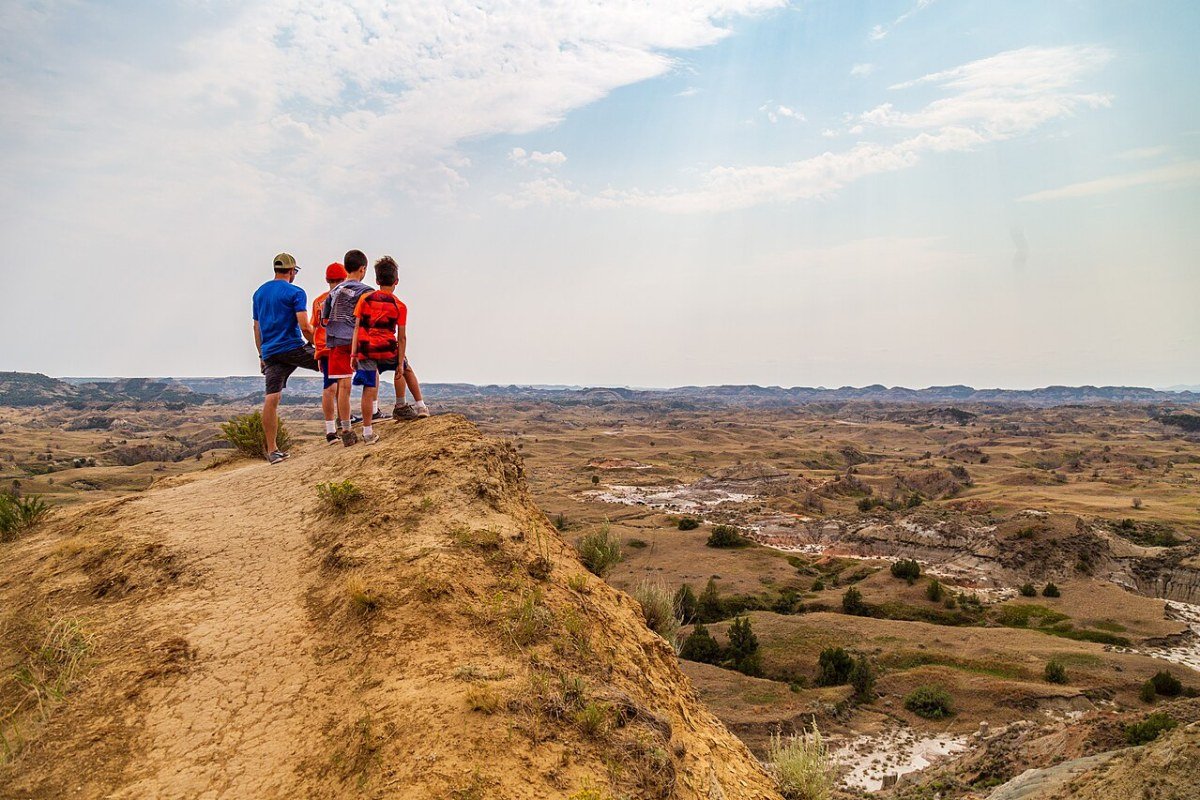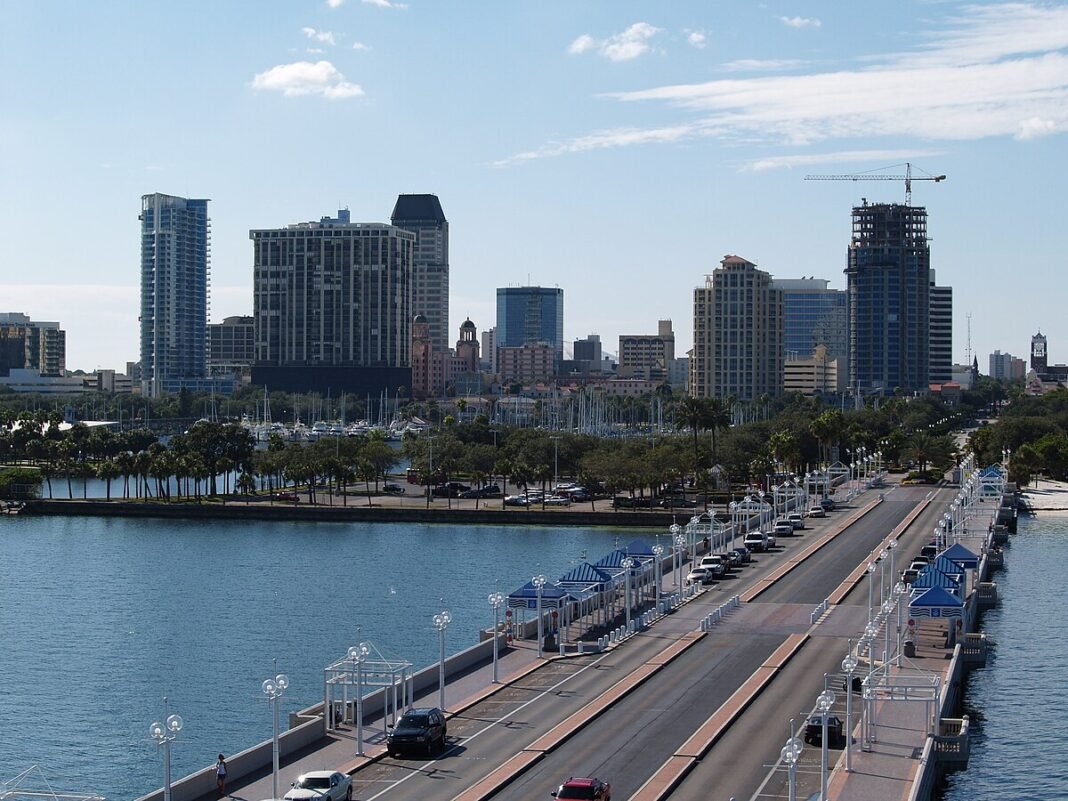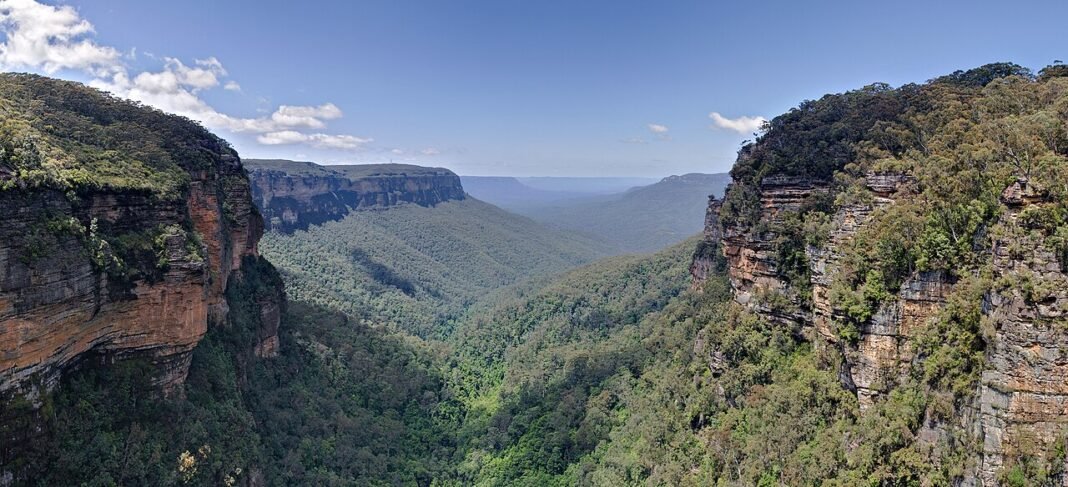
New South Wales has the most diverse outdoor recreation of any Australian state — the full range from the alpine snowfields of Kosciuszko National Park (the highest peaks in Australia, including Mount Kosciuszko at 2,228m) to the subtropical rainforests of the Border Ranges and Dorrigo national parks on the Queensland border, from the world-class surf beaches of the Northern Rivers (Lennox Head, Byron Bay, Angourie) to the remote canyon country of Wollemi National Park just two hours from Sydney‘s CBD. The coastal national parks ringing Sydney — Royal National Park in the south, Ku-ring-gai Chase in the north — put wilderness-quality bushwalking and kayaking within an hour of 5 million people, a metropolitan outdoor resource with no real equivalent in any comparable world city. Add the Blue Mountains World Heritage Area, the Snowy Mountains, and the wilderness coastline of Ben Boyd National Park, and you have a park system that is the envy of every other Australian state.
Surfing: NSW’s Coastal Culture
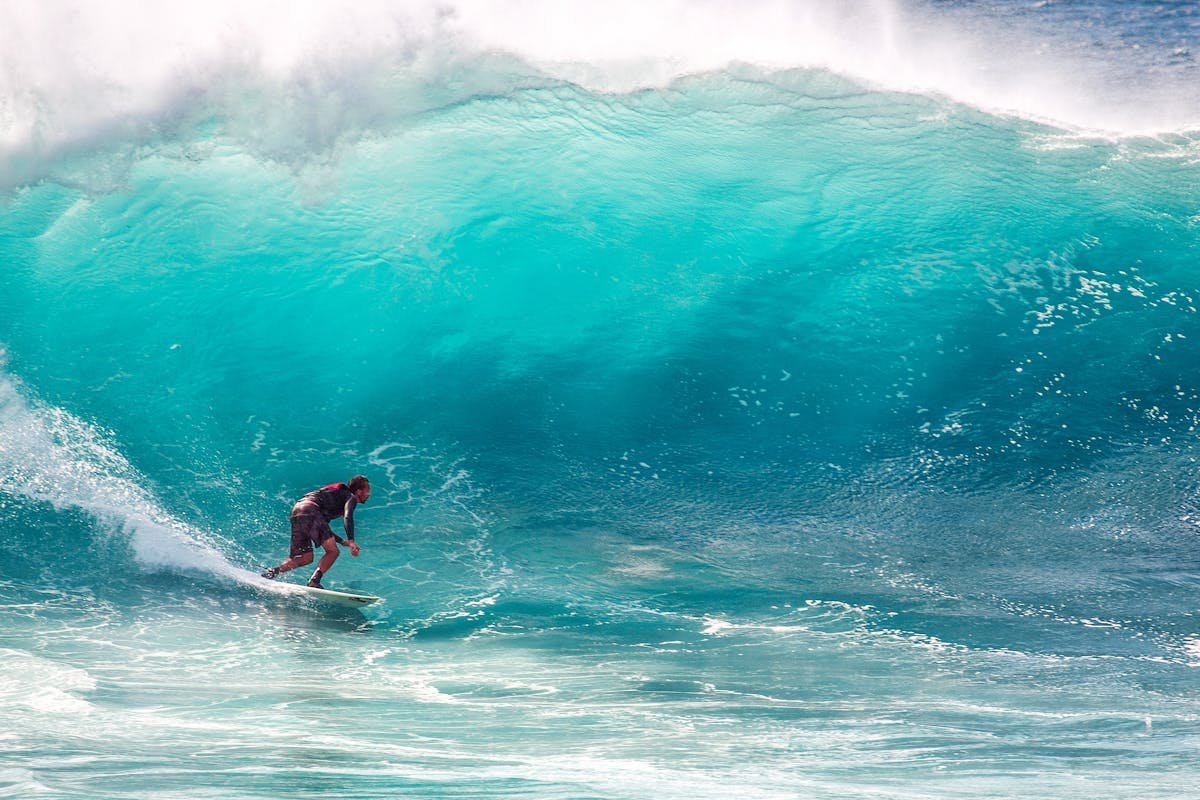
New South Wales holds the finest concentration of surf breaks in Australia, from the powerful beach breaks of Sydney’s Northern Beaches (Manly, Freshwater, Dee Why, Narrabeen) to the point breaks of the North Coast. Lennox Head’s long right-hander rates among the best waves in the world; Crescent Head’s mellow longboard wave is the spiritual home of Australian longboard surfing; and the Central Coast and Illawarra hold consistent beach breaks for every tide. The hierarchy of NSW surf:
- Lennox Head (Northern Rivers): A world-class right-hand point break — kilometre-long walls that rate among Australia’s finest when a clean south to southeast swell lights up the reef; best April–September; for experienced surfers
- Angourie (Yamba): The “Point of Legend” — a consistent right-hand point break in Yuraygir National Park, gazetted in 2007 as Australia’s first National Surfing Reserve
- Narrabeen (Sydney Northern Beaches): A National Surfing Reserve and host of the WSL Challenger Series Sydney Surf Pro; a powerful beach break reachable on the bus from the city
- Crescent Head: The spiritual home of Australian longboard surfing — mellow, long walls built for nose-riding, and home to the annual Malibu Classic since 1989
Kosciuszko National Park: Australia’s Alpine Zone
Kosciuszko National Park, 690,000 hectares in the Snowy Mountains of southern NSW, protects Australia’s only true alpine zone — the high peaks above 2,000m that carry snow from June through September and support subalpine plant communities found nowhere else on the continent. The main pursuits:
- Mount Kosciuszko Summit Walk (13km return from Charlotte Pass, or 22km from Thredbo via the chairlift): Australia’s highest peak at 2,228m, reachable by most fitness levels on the metal walkway from the Thredbo top station; best December–March
- Thredbo ski resort: Australia’s highest village (1,365m base) and longest ski run (the 5.9km Supertrail); summer mountain biking with chairlift uplift; the Alpine Way ranks among Australia’s finest mountain drives
- Perisher ski resort: Australia’s largest ski resort by area (1,245 hectares), reached from Jindabyne; the Skitube alpine railway runs car-free from Bullocks Flat
- Main Range Track (22km circuit): Multi-day alpine bushwalking through the glacial lakes and tarns of the high country; best December–March, with Blue Lake and Hedley Tarn the alpine highlights
Blue Mountains Bushwalking
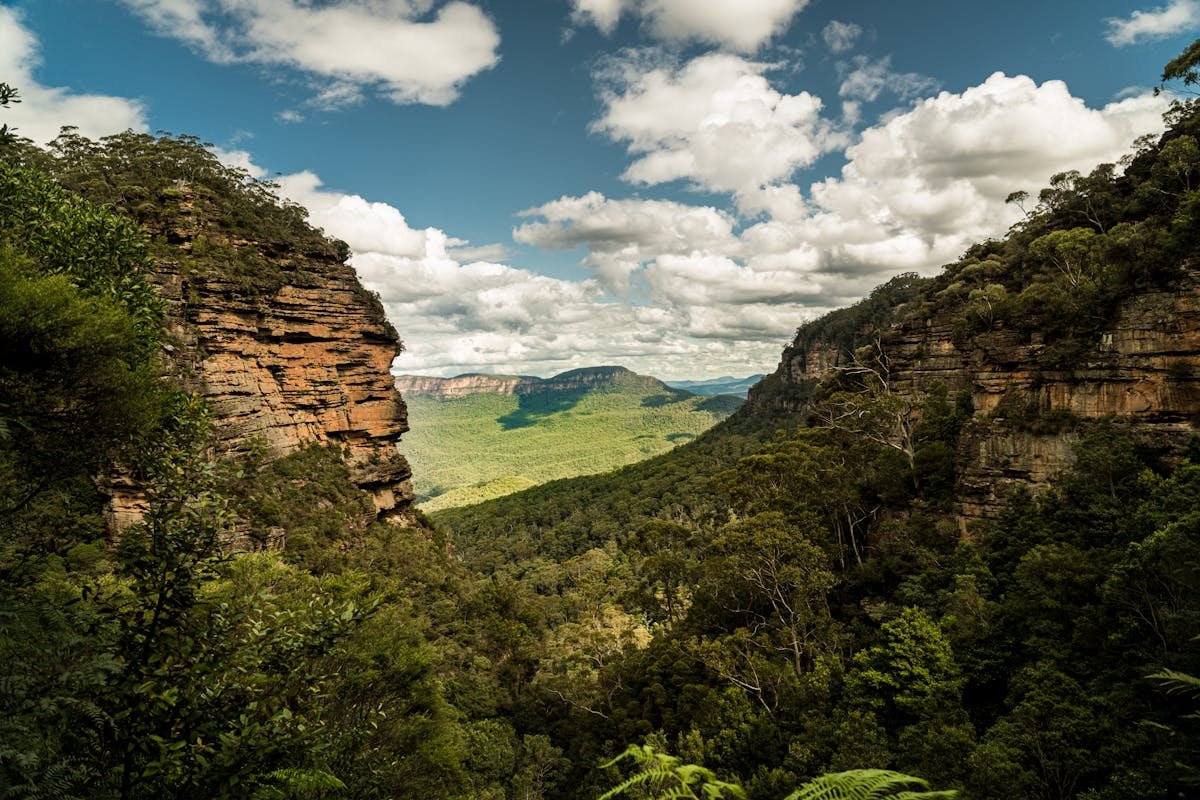
The Blue Mountains carry roughly 140km of marked walking tracks across the national park — the best day hiking and multi-day bushwalking reachable from a major Australian city:
- Grand Canyon Track (Blackheath, 5.4km loop): Despite the name, a slot canyon of ferny grottos and sandstone overhangs — the standout forest walk in the Blue Mountains; rated moderate
- Valley of the Waters (Wentworth Falls, 7km circuit): Passes five waterfalls; rated hard; the most waterfall-dense walk in the Mountains
- Six Foot Track (44km, Katoomba to Jenolan Caves): The classic Blue Mountains overnight or multi-day walk, mostly off-road through the Megalong Valley and across Cox’s River; the original 1884 bridle track to the caves
- National Pass Track (Wentworth Falls, 9km circuit): Hewn into the cliff face above the Jamison Valley — rock overhangs and waterfall crossings; rated hard; one of the most dramatic walks in NSW
Sydney Harbour Water Activities
Sydney Harbour’s 317km of shoreline puts serious water recreation inside the city limits:
- Kayaking: Hire and guided tours run from Lavender Bay, Milsons Point, and Balmoral; the sheltered bays, along with the national-park shorelines of Middle Harbour and the Lane Cove River, give you paddling routes from beginner pottering to full-day expeditions
- Harbour swimming pools: Sydney’s ocean pools (Bronte, Mahon, Malabar, McIver’s Ladies’) and harbour baths offer protected ocean swimming that’s woven into the city’s character
- Sailing: Sydney Harbour ranks among the world’s premier sailing venues; the Sydney Hobart Yacht Race (a Boxing Day start, run annually since 1945) is the most famous offshore race in the Southern Hemisphere, and learn-to-sail programs run at Balmoral, Rose Bay, and Rushcutters Bay
Planning Your NSW Outdoor Adventures
The state’s outdoor activities span the full sweep of Australian environments — from the alpine snowfields of Kosciuszko to the subtropical rainforest of Dorrigo, from the surf of the Northern Beaches to the desert dunes of Mungo National Park. The big planning lever is seasonal: the Snowy Mountains ski season runs June to October; the Northern Beaches and Byron Bay surf is most consistent from April to October, when the cooler-month swells line up; and the Blue Mountains walking is best in autumn and spring, when temperatures stay mild. A NSW National Parks and Wildlife Service annual pass works out cheapest for visitors planning several park visits. Hire companies for surfboards, sea kayaks, mountain bikes, and climbing gear operate in all the major activity centres.
One practical note before you head out: for wilderness and protected areas, check trail conditions, permit requirements, and seasonal access with the relevant land manager first — closures, fire restrictions, and entry quotas can change quickly, and several high-demand parks now require advance bookings that weren’t needed a few years ago. Weather in NSW turns fast, especially in mountain terrain and the shoulder seasons, so a layered kit with a waterproof shell is sensible year-round. For anything on the water — paddling, snorkelling, diving, surfing — get current conditions from local outfitters, who carry the most accurate read. And Leave No Trace applies throughout: pack out what you pack in, stay on the track, give wildlife room, and leave it as you found it for the next walker.
Frequently Asked Questions
What are the best surf breaks in New South Wales and what makes them world-class?
New South Wales holds the finest concentration of surf breaks in Australia. Lennox Head (Northern Rivers) is a world-class right-hand point break whose kilometre-long walls rate among Australia’s best, working best on a clean south to southeast swell from April through September. Narrabeen on Sydney’s Northern Beaches is a National Surfing Reserve that hosts the WSL Challenger Series Sydney Surf Pro. Crescent Head is the spiritual home of Australian longboard surfing, with mellow long walls built for nose-riding. Angourie (Yamba) — gazetted in 2007 as Australia’s first National Surfing Reserve — is a consistent right-hand point break in Yuraygir National Park. Together they cover every skill level from beginner to professional.
What does Kosciuszko National Park offer for outdoor recreation?
Kosciuszko National Park (690,000 hectares, Snowy Mountains) protects Australia’s only true alpine zone — peaks above 2,000m that hold snow from June through September. The Mount Kosciuszko Summit Walk (13km return from Charlotte Pass, or 22km from Thredbo via chairlift) reaches Australia’s highest peak (2,228m) and suits most fitness levels on the metal walkway from the Thredbo top station. Thredbo ski resort — Australia’s highest village (1,365m base) — runs Australia’s longest ski run (the 5.9km Supertrail) and offers summer mountain biking with chairlift uplift. Perisher ski resort, Australia’s largest by area (1,245 hectares), is reached by the Skitube alpine railway from Bullocks Flat. The Main Range Track (22km circuit) takes multi-day walkers through the high country’s glacial lakes and tarns.
What hiking does the Blue Mountains offer and what are the best tracks?
The Greater Blue Mountains World Heritage Area — sandstone escarpments, eucalyptus valleys, and canyon country — gives you the best day hiking and multi-day bushwalking reachable from a major Australian city. The Grand Canyon Track (Blackheath, 5.4km loop) drops through a slot canyon of ferny grottos and sandstone overhangs, the standout forest walk in the range. The National Pass Track (Wentworth Falls, 9km circuit) is hewn into the cliff face above the Jamison Valley, with rock overhangs and waterfall crossings. The Six Foot Track (44km, Katoomba to Jenolan Caves) is the classic overnight walk along the 1884 bridle track. The Valley of the Waters (Wentworth Falls, 7km) passes five waterfalls in the most waterfall-dense walk in the Mountains.
What water activities does Sydney Harbour and the coast offer?
Sydney Harbour’s 317km of shoreline puts strong water recreation inside the city limits. Kayak hire and guided tours from Lavender Bay, Milsons Point, and Balmoral reach sheltered bays and the national-park shorelines of Middle Harbour and the Lane Cove River. Sydney’s ocean pools — Bronte, Mahon, Malabar, and McIver’s Ladies’ Baths — and the harbour baths give you protected ocean swimming woven into the city’s character. The Sydney Hobart Yacht Race (a Boxing Day start, run annually since 1945) is the most famous offshore race in the Southern Hemisphere, and learn-to-sail programs run at Balmoral, Rose Bay, and Rushcutters Bay. The Bondi to Coogee Coastal Walk (6km) links clifftop views with a string of ocean pools along Sydney’s eastern beaches.
What other NSW outdoor destinations are worth visiting beyond Sydney?
Royal National Park, gazetted in 1879 as the world’s second-oldest national park, sits 30km south of Sydney and carries the Coastal Walk (26km, 2 days) above the Pacific — one of the best coastal walks in southeastern Australia. Ku-ring-gai Chase National Park, north of Sydney, holds bushwalking and Aboriginal rock engravings within 30km of the CBD. Wollemi National Park’s canyon country — the Grand Canyon, the Slot Canyon, and the Glow Worm Tunnel — lies two hours from Sydney. On the Queensland border, Dorrigo and Border Ranges national parks protect the subtropical rainforests of the Gondwana Rainforests of Australia World Heritage Area, an experience well apart from the more famous Blue Mountains and coastal landscapes.