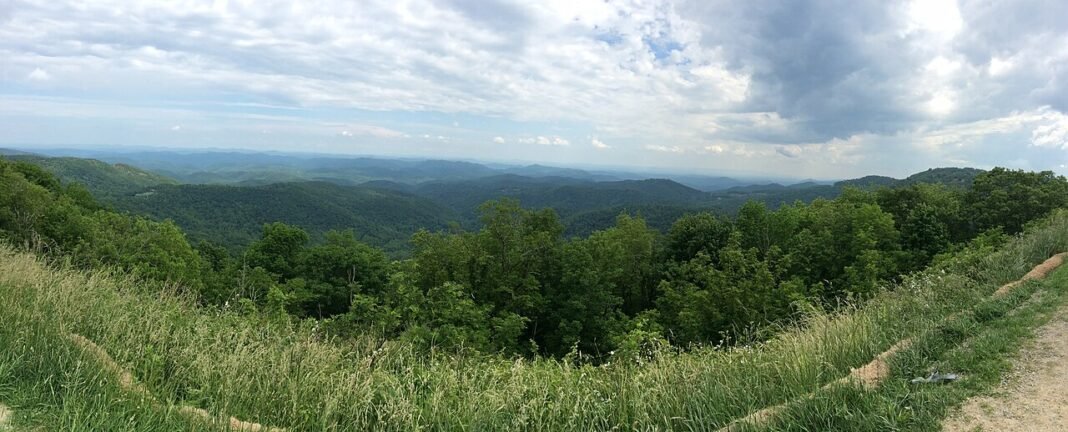
Moving to North Carolina has become one of the most common American relocation stories of the past decade — the combination of mild winters, above-average sun, a rapidly improving restaurant and arts culture in the major cities, moderate taxes (declining further under current legislation), and housing costs that compare favorably to the coastal markets from which most in-migrants originate has made the state one of the fastest-growing in the country for both population and economic development. The administrative transition is uncomplicated, the communities are generally welcoming to newcomers (though the rate of in-migration has created pockets of tension in Asheville and the Triangle where longtime residents feel priced out), and the lifestyle adjustment for most households from the Northeast or Pacific Coast involves primarily climate adaptation — trading harsh winters for humid summers and learning to appreciate the particular rhythms of Southern seasons.

Driver’s License and Vehicle Registration
Driver’s license: New North Carolina residents must obtain a North Carolina driver’s license within 60 days of establishing residency. The Division of Motor Vehicles (DMV) handles licensing at driver’s license offices throughout the state (note that North Carolina separates driver’s license offices from vehicle title and registration offices, which requires two separate administrative visits in some cases). Required documents: proof of legal presence (US passport or birth certificate plus Social Security card), proof of Social Security number, and two proofs of North Carolina residency (utility bill, bank statement, lease, or other official mail). Vision screening is required; knowledge tests are waived for applicants with a valid out-of-state license. North Carolina’s REAL ID-compliant license (“REAL ID” designation printed on the card) requires the same documentation plus proof of lawful presence. The DMV’s online appointment scheduling system is functional and strongly recommended for all offices, particularly in the high-volume Research Triangle and Charlotte areas.
Vehicle registration: Vehicle registration must be completed within 30 days of establishing North Carolina residency. North Carolina combines vehicle registration renewal with property tax collection — the “Tag and Tax Together” program collects the annual vehicle property tax at the same time as the registration renewal, simplifying the administrative process but requiring awareness that the vehicle tax is a component of the registration cost. First-time registration requires a title transfer, proof of insurance, and payment of fees and taxes. North Carolina requires an annual vehicle inspection at licensed inspection stations before registration can be renewed each year. A safety inspection is required in all 100 counties; the emissions inspection, by contrast, applies only in a subset of mostly metropolitan counties (19 as of 2025, including Wake, Durham, and Mecklenburg), and newer vehicles in their first three model years and under 70,000 miles are exempt from the emissions portion.
Climate: Four Seasons with a Southern Character
North Carolina’s climate is one of the state’s primary appeals for in-migrants from the northern tier — four distinct seasons with mild winters (even in the Piedmont and mountains, persistent deep cold is uncommon, and snowfall in the Triangle averages only about 4–5 inches annually, and has been trending lower) and long springs and falls that provide outdoor comfort windows unavailable in Minnesota or New England. The caveats are real: summer heat and humidity in the Piedmont (Raleigh, Durham, Charlotte) from June through September is no exaggeration — temperatures regularly reach 90°F+ with humidity that makes outdoor activity uncomfortable during peak afternoon hours. Hurricanes and tropical storms affect the coastal plain and Outer Banks community, with major storm events occurring frequently enough to require hurricane preparation as a routine practice for coastal residents (Hurricane Floyd in 1999, Hurricane Isabel in 2003, and Hurricane Florence in 2018 all caused major damage in coastal North Carolina).
The mountains around Asheville experience a distinctly different climate from the Piedmont — summers are mild (average highs in the low 80s°F), falls are extended and spectacular, and winters bring periodic snowfall (the city of Asheville averages roughly 10–15 inches annually, with far heavier totals at higher ridge elevations) that can isolate mountain communities for days. The Blue Ridge Escarpment and the Appalachian ridges generate their own local weather patterns — cloudier than the Piedmont, with afternoon thunderstorms frequent in summer and ice storms possible in winter at ridge elevations. For households moving to the Asheville area from southern or coastal climates, the mountain winter requires preparation: reliable winter tires or all-wheel drive, adequate home heating infrastructure, and awareness of the road closure potential during significant ice events. The mountains also carry a flooding risk that the 2024 storm season made unmistakable: in late September 2024, Hurricane Helene stalled over the southern Appalachians and dropped 20 to 30 inches of rain across western North Carolina, sending the French Broad and Swannanoa rivers to record crests, destroying roads, bridges, and water infrastructure, and damaging or destroying more than 125,000 housing units across the region. Recovery in Asheville and the surrounding valleys is well underway and most services have been restored, but anyone weighing a move here should understand that the river corridors and low-lying valleys carry real flood exposure, and should factor flood-zone status and insurance into a home search.

Employment in North Carolina
North Carolina’s economy has been transformed from its historical manufacturing base (textiles, furniture, and tobacco manufacturing, all of which declined substantially from the 1990s onward) into a technology, financial services, and life sciences economy anchored by the Research Triangle’s university and research park infrastructure. Research Triangle Park, the 7,000-acre research and office campus between Raleigh, Durham, and Chapel Hill, is one of the largest research parks in the world — home to nearly 400 companies and roughly 55,000 workers in technology, pharmaceutical, and agricultural sciences research. Apple’s planned $552 million Research Triangle Park campus, the centerpiece of a $1 billion statewide investment commitment, has been repeatedly delayed (the state granted a four-year timeline reset in late 2025, so construction has not yet begun), but the company has still added hundreds of jobs in the Raleigh area. Combine that with the expansion of Google and Amazon, dozens of smaller tech firms, and the steady growth of the UNC and Duke biomedical research communities, and the result is a labor market of genuine national weight for technology and life sciences professionals.
Charlotte’s financial services sector — anchored by Bank of America (which employs approximately 16,000 in the Charlotte area), Truist Financial (formed by the merger of BB&T and SunTrust, headquartered in Charlotte), and the dozens of regional banks and financial services firms that have followed the major institutions to the state — provides employment for financial professionals, technologists, and the service industries that support the financial sector. The state’s healthcare sector (Novant Health, Atrium Health/Wake Forest Baptist, Duke Health, and UNC Health are all major employers) provides stable employment across the state’s metropolitan areas. For households in manufacturing and logistics careers, the state’s growing semiconductor manufacturing presence (anchored by Wolfspeed’s new silicon carbide facility in Chatham County), advanced manufacturing in the Piedmont Triad, and aerospace manufacturing in the Charlotte area provide continuing opportunities in the state’s evolving industrial base.
Schools and Education
North Carolina’s public school system varies widely by district — the Wake County Public School System (Raleigh and Cary) is consistently among the highest-performing large school districts in the Southeast, with effective magnet and lottery school options that complement strong neighborhood schools. Charlotte-Mecklenburg Schools performs well at the district level but varies sharply from one school zone to the next; its sought-after magnet schools (especially Myers Park High School, Ardrey Kell High School, and Providence High School in the south Charlotte suburbs) reward households who map out school zones before settling on a home. The Asheville City Schools and Buncombe County Schools serve the mountain region with performance above the state average but below the Triangle’s leading districts. New residents with school-age children should confirm the exact school assignment for any address they are considering (North Carolina’s Public School Choice programs allow some flexibility beyond geographic assignment) before committing to a neighborhood.
Frequently Asked Questions
What are the driver’s license and vehicle registration requirements when moving to North Carolina?
Driver’s license: must be obtained within 60 days of establishing North Carolina residency. North Carolina separates driver’s license offices from vehicle title and registration offices — in some cases requiring two separate administrative visits. Knowledge tests are waived for applicants with a valid out-of-state license; vision screening required. Two proofs of NC residency required. Online appointment scheduling is strongly recommended, especially in the high-volume Research Triangle and Charlotte areas. Vehicle registration: within 30 days; North Carolina’s “Tag and Tax Together” program collects the annual vehicle property tax at the same time as registration renewal — the vehicle property tax is part of your registration cost. An annual vehicle inspection at licensed inspection stations is required before you can renew. The safety inspection applies in all 100 counties, but the emissions inspection applies only in a subset of mostly metropolitan counties (19 as of 2025, including Wake, Durham, and Mecklenburg), and newer vehicles under three model years and 70,000 miles are exempt from the emissions portion.
What is the Research Triangle’s employment ecosystem for new residents?
Research Triangle Park — the 7,000-acre research and office campus between Raleigh, Durham, and Chapel Hill — is one of the largest research parks in the world, home to nearly 400 companies and roughly 55,000 workers in technology, pharmaceutical, and agricultural sciences research. Apple’s planned $552 million Research Triangle Park campus, the centerpiece of a $1 billion statewide investment commitment, has been repeatedly delayed (a four-year timeline reset was granted in late 2025), though Google and Amazon have expanded in the Triangle. Duke and UNC biomedical research communities provide a continuous talent and commercial spinoff pipeline. For technology and life sciences professionals, the Triangle’s labor market has achieved genuine national significance. Charlotte adds financial services: Bank of America (approximately 16,000 employees in the Charlotte area) and Truist Financial (headquarters, formed from the BB&T and SunTrust merger) anchor the Southeast’s most significant banking employment concentration.
How does North Carolina’s climate differ by region?
North Carolina spans three climatically distinct zones. Piedmont (Raleigh, Durham, Charlotte): mild winters with only about 4–5 inches of annual snow in the Triangle; summers are hot and humid from June through September with temperatures regularly above 90°F during peak afternoon hours — outdoor activity is comfortable in morning and evening but uncomfortable midday in July and August. Mountains (Asheville area): mild summers (low 80s°F average highs), spectacular extended fall foliage, and genuine winter snowfall (the city averages roughly 10–15 inches annually, with far heavier totals at higher ridge elevations) that can occasionally isolate mountain communities — winter tires or AWD required. The mountains also carry flood risk: Hurricane Helene dropped 20–30 inches of rain on western NC in September 2024, sending rivers to record crests and damaging or destroying more than 125,000 housing units; recovery is well advanced, but factor flood-zone status into a mountain home search. Coastal Plain and Outer Banks: hurricane and tropical storm risk requiring routine preparedness; Florence (2018), Isabel (2003), and Floyd (1999) all caused major damage in coastal NC.
How do North Carolina’s vehicle inspections and “Tag and Tax Together” work?
North Carolina requires an annual vehicle inspection at licensed inspection stations, and you cannot renew registration without passing it. A safety inspection is required in all 100 counties; the emissions inspection applies only in a subset of mostly metropolitan counties (19 as of 2025, including Wake, Durham, and Mecklenburg), and newer vehicles within their first three model years and under 70,000 miles are exempt from the emissions portion. The “Tag and Tax Together” system combines vehicle property tax collection with registration renewal: when you pay for your annual registration, you are simultaneously paying the annual vehicle property tax assessed by your county. This simplifies the process compared to states that bill these separately, but means your annual registration payment is larger than the registration fee alone — budget for the combined amount, not just the base registration fee.
What are the best-performing school districts for families relocating to North Carolina?
North Carolina’s public school quality varies significantly by district. Wake County Public School System (Raleigh and Cary) is consistently among the highest-performing large school districts in the Southeast, with strong neighborhood schools and effective magnet and lottery school options. Charlotte-Mecklenburg Schools performs well at the district level but with significant school-to-school variation; high-performing magnet schools (Myers Park, Ardrey Kell, Providence High School in south Charlotte suburbs) reward families who research options before choosing a home location. Asheville City Schools and Buncombe County Schools serve the mountain region above the state average. North Carolina’s Public School Choice programs provide some flexibility beyond geographic assignment — research specific school options before finalizing your neighborhood selection.