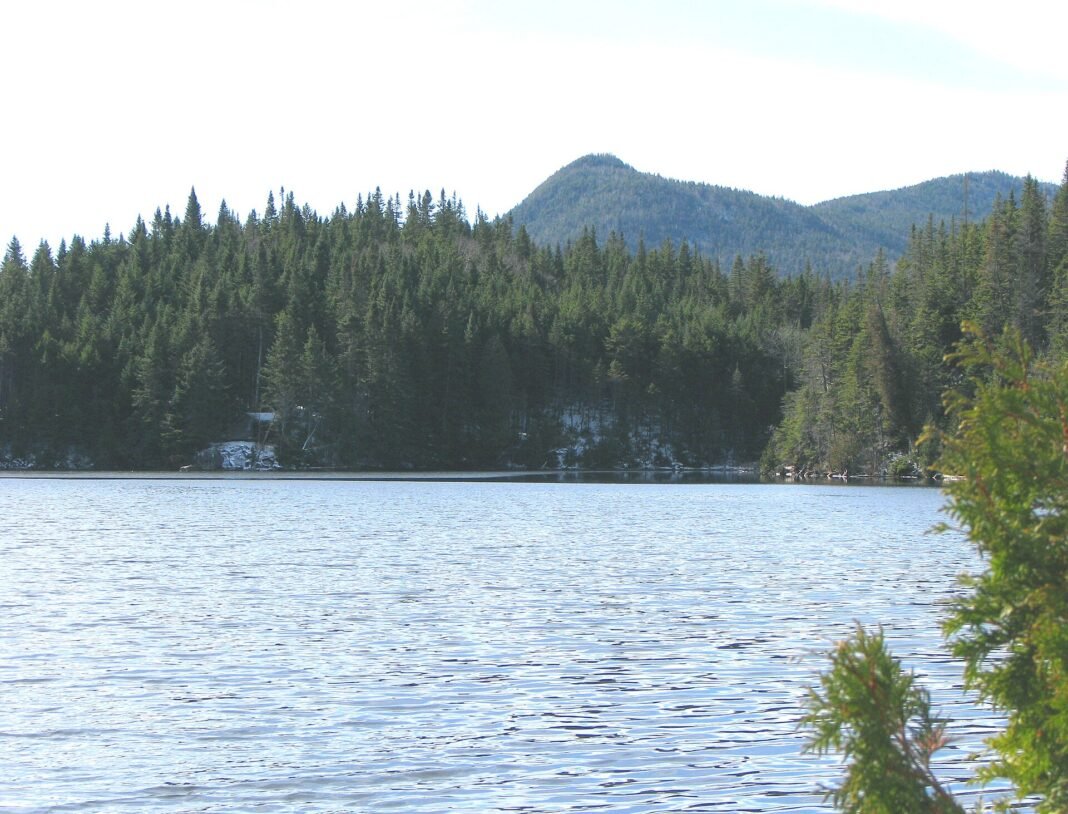

Few states match New York’s range of outdoor recreation. The 6-million-acre Adirondack Park, the largest park in the contiguous United States, anchors it; from there the inventory runs through the Catskill Mountains, the Finger Lakes gorges and waterfalls, the Long Island barrier beaches, the Hudson Valley’s 150 miles of river and mountain access, and Niagara Falls. New York City residents sit within day-trip or weekend reach of nearly all of it — the Hudson Valley is two hours from Midtown, the Catskills three hours, and the Adirondack High Peaks four to five. With more than 180 state parks, the state runs one of the densest park systems in the country, threading trail access, campgrounds, and recreation facilities across a map that rewards anyone willing to look past the obvious destinations.
Adirondack High Peaks: The 46ers Challenge
Since 1937, the Adirondack 46ers — hikers who have climbed all 46 peaks above 4,000 feet in the Adirondacks — have set the defining outdoor challenge for generations of New York hikers. The list holds 46 summits from the original survey, four of which later measured below 4,000 feet but stay on for historical reasons. They span heavily trafficked Mount Marcy (5,343 feet, reached by the 7.4-mile Van Hoevenberg Trail from Adirondak Loj) to remote peaks that demand off-trail navigation through dense spruce-fir forest. Among day-hikers, the favorites are Wright Peak (3.8 miles, with dramatic above-treeline summit views), Giant Mountain (Roaring Brook Trail, 5.8 miles round trip from the Route 73 trailhead), and the classic Algonquin-Iroquois traverse, the longest sustained above-treeline ridge walk in the range.
At Adirondak Loj, the Adirondack Mountain Club’s High Peaks Information Center hands out trip-planning help, trail conditions, and backcountry camping permit details. Interior camping in the High Peaks Wilderness now requires permits during the peak summer period, a rule put in place to stem the ecological damage from overcrowding on the busiest trails. The club’s Johns Brook Lodge sits 3.5 miles in from the Garden trailhead in Keene Valley, reachable only on foot — a full-service base deep in the wilderness that lets hikers work from the heart of the High Peaks instead of driving back to a trailhead each night.

Adirondack Paddling and Canoe Routes
With 3,000 lakes and 30,000 miles of rivers and streams, the Adirondacks hold a paddling landscape found nowhere else in the eastern United States. The Fulton Chain of Lakes in the western Adirondacks is the park’s busiest multi-day canoe route — eight connected lakes from Old Forge to Raquette Lake, covering 16 miles of flatwater through camps and forests that have drawn paddlers since the 19th century. Flowing north from Raquette Lake through the central Adirondacks to the St. Lawrence River, the Raquette River opens 90 miles of accessible flatwater with campsites strung along the bank. For genuine solitude, the St. Regis Canoe Area in the north — 18,000 acres of motorboat-free lakes, ponds, and streams — delivers the purest wilderness paddling in the park, though it asks for careful planning and portages between individual water bodies.
The Northern Forest Canoe Trail begins in Old Forge and runs 740 miles east to Fort Kent, Maine, crossing the Adirondacks on its way through Vermont, Quebec, and New Hampshire. Paddlers who finish the roughly 150-mile Adirondack section take in the range’s water landscape end to end while connecting to a system that stretches across the Northern Forest. The trail’s published guidebook and the Northern Forest Canoe Trail organization’s online resources cover the logistics for a traverse of any length.
Catskills Hiking and Skiing
West of the Hudson River rise the Catskill Mountains — the plateau range that inspired the Hudson River School of painting and set the scene for Rip Van Winkle, the earliest American literary brush with wilderness. They hold 35 peaks above 3,500 feet — 98 if you count everything over 3,000 — and the peak-bagging list at the center of Catskill hiking culture. The Catskill 3500 Club, founded in 1962, asks members to climb 33 of them, four repeated in winter. Slide Mountain (4,180 feet, the range’s highest) comes by way of the 5.5-mile round-trip Wittenberg-Cornell-Slide traverse, the finest ridge walk in the Catskills. The Devil’s Path — 24 miles across six major summits in the north-central Catskills, with roughly 9,000 feet of climbing — ranks among the hardest day or backpacking routes in the Northeast.
Three Catskill ski areas — Hunter Mountain, Windham Mountain, and Belleayre Mountain — put lift-served snow within 2.5 to 3 hours of New York City, leaning on snowmaking to make up for the modest natural snowfall at these lower elevations. Hunter Mountain’s 320 acres and roughly 67 trails give it the range’s most varied terrain; Windham draws skiers for its amenities and steady grooming; Belleayre, run by New York State as a public area, holds the cheapest lift tickets in the Catskills. The season usually runs December through March on good snowmaking, with natural snow a wild card from year to year.
Long Island’s Beaches
Long Island’s Atlantic shore carries some of the best ocean barrier-island beaches in the Northeast — wide, hard-packed sand and surf that often runs larger than the Jersey Shore’s. The infrastructure splits two ways. On the public side, Jones Beach State Park draws six million visitors a year, second only to Niagara Falls among New York’s busiest state parks, with six miles of ocean beach and the Robert Moses Causeway link to Fire Island. On the private side, the Hamptons fold together East End agricultural heritage, wine country, and the South Shore’s barrier beaches into one of the country’s most sought-after summer resort settings. Fire Island National Seashore, a 26-mile barrier island reached only by ferry and closed to cars, holds the Otis Pike Fire Island High Dune Wilderness, the Sunken Forest, and the communities of Ocean Beach and Cherry Grove — each with its own character, together the most pristine barrier-island environment within reach of New York City.
Frequently Asked Questions
What is the Adirondack 46ers challenge and what are the best High Peaks hikes?
The Adirondack 46ers — hikers who have climbed all 46 peaks above 4,000 feet in the Adirondacks — have set the defining outdoor challenge since 1937. Top day-hiking objectives include Wright Peak (3.8 miles, dramatic above-treeline summit views), Giant Mountain via the Roaring Brook Trail (5.8 miles round trip from Route 73), and the Algonquin-Iroquois traverse, the longest sustained above-treeline ridge walk in the Adirondacks. Mount Marcy (5,343 feet, New York’s highest point) is reached by the 7.4-mile Van Hoevenberg Trail from Adirondak Loj. The ADK Mountain Club’s High Peaks Information Center handles trip planning, trail conditions, and backcountry camping permits — interior wilderness permits are required during the peak summer period to manage ecological impacts from overcrowding.
What paddling does the Adirondack Park offer?
With 3,000 lakes and 30,000 miles of rivers and streams, the Adirondacks hold a paddling landscape found nowhere else in the eastern United States. The Fulton Chain of Lakes (16 miles, Old Forge to Raquette Lake) is the park’s busiest multi-day canoe route — eight connected lakes through camps and forests that have drawn paddlers since the 19th century. The St. Regis Canoe Area in the northern Adirondacks — 18,000 acres of motorboat-free lakes, ponds, and streams — delivers the purest wilderness paddling in the park and genuine solitude. The Northern Forest Canoe Trail begins in Old Forge and runs 740 miles to Fort Kent, Maine, crossing the Adirondacks on its way through Vermont, Quebec, and New Hampshire.
What are the Catskill Mountains and what do they offer for outdoor recreation?
The Catskill Mountains — west of the Hudson River, the range that inspired the Hudson River School of painting and set the scene for Rip Van Winkle — hold 35 peaks above 3,500 feet (98 above 3,000 feet) and a celebrated peak-bagging challenge. The Catskill 3500 Club (founded 1962) asks for 33 of them, four repeated in winter. Slide Mountain (4,180 feet, the highest Catskill) comes by way of the Wittenberg-Cornell-Slide traverse (5.5-mile round trip). The Devil’s Path — 24 miles across six major summits with roughly 9,000 feet of climbing — ranks among the hardest routes in the Northeast. The Catskill ski areas (Hunter Mountain, Windham Mountain, Belleayre Mountain) put lift-served snow within 2.5 to 3 hours of New York City, backed by heavy snowmaking.
What do Niagara Falls and the Finger Lakes offer for outdoor visitors?
Niagara Falls State Park — the oldest state park in the United States, established 1885 — gives the finest American-side access to the Horseshoe Falls, American Falls, and Bridal Veil Falls, together the most powerful waterfall in North America by flow rate. The Maid of the Mist boat tour and the Cave of the Winds experience at the base of Bridal Veil Falls bring you closest. The Finger Lakes region, 4 to 5 hours from New York City, holds Watkins Glen State Park (a 1.5-mile limestone gorge with 19 waterfalls, among the state’s busiest parks), the Robert H. Treman State Park gorge trail, Taughannock Falls State Park (a 215-foot plunge, taller than Niagara), and the wine and cycling culture along the Seneca and Cayuga Lake shores that rounds out upstate New York’s outdoor-cultural appeal.
What does Long Island’s outdoor environment offer?
Long Island’s Atlantic shore carries some of the finest ocean barrier-island beaches in the northeastern United States. Jones Beach State Park draws roughly six million visitors a year, second only to Niagara Falls among New York’s busiest state parks, with six miles of wide hard-packed ocean beach and extensive facilities. Fire Island National Seashore, a 26-mile car-free barrier island reached only by ferry, holds the Otis Pike Fire Island High Dune Wilderness (the only federally designated wilderness in New York State), the Sunken Forest (a dense holly and sassafras grove sheltered behind the dune line from ocean salt spray), and several resort communities. Montauk Point, the easternmost tip of Long Island, offers striped bass and bluefish surf fishing among the most productive in the northeast, alongside the Montauk lighthouse, the oldest in New York State.