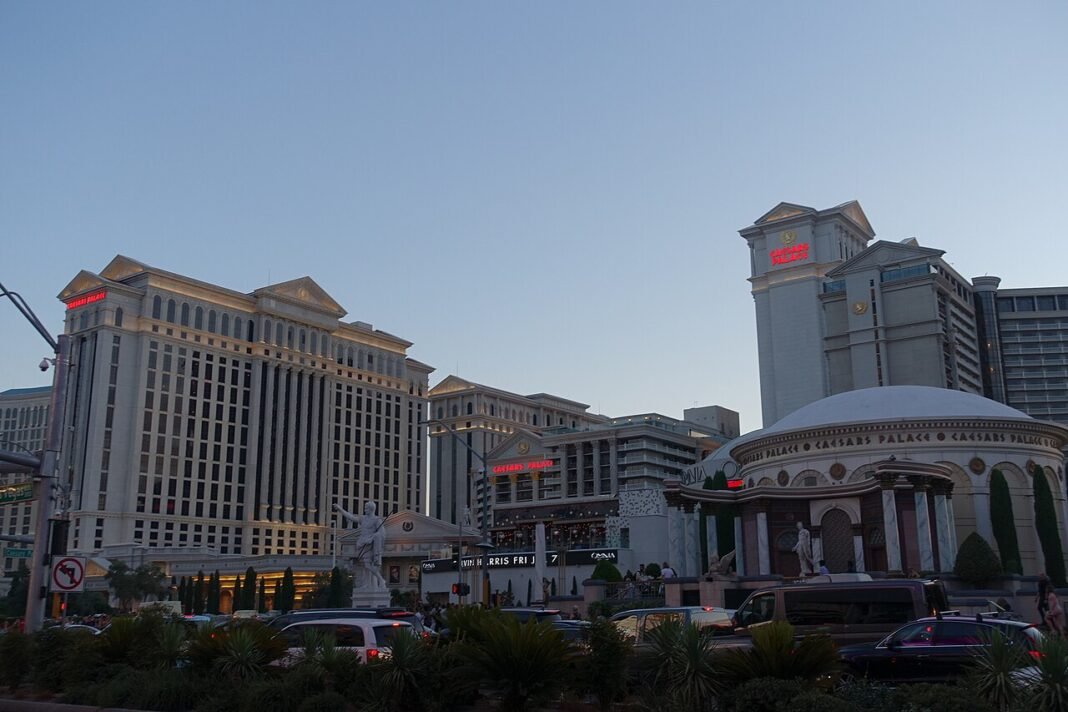

Nevada‘s residential choices are concentrated in its two metropolitan areas — greater Las Vegas (Clark County) and the Reno-Sparks metro (Washoe County) — with the state capital of Carson City and the rural communities of the Great Basin providing alternatives for households tied to government employment or the remote lifestyle. Within the Las Vegas region, the range of neighborhood characters is substantial — from the urban entertainment corridor of the Strip’s adjacent districts to the master-planned suburbs of Summerlin and Henderson to the more affordable areas of North Las Vegas and the east side. Reno’s options similarly span an urban arts district, university neighborhood, and suburban areas of varying price points and character.
1. Summerlin — Las Vegas’s Premier Community
Summerlin, the 22,500-acre master-planned development on Las Vegas’s west side adjacent to Red Rock Canyon National Conservation Area, is consistently rated the most desirable place to live in the Las Vegas region — a planned community built by the Howard Hughes Corporation since 1990 to a level of quality and consistency that sets it apart from the more organic growth of the metropolitan interior. Its 200+ parks, 200+ miles of trails, 10 golf courses, and direct entry to Red Rock Canyon’s hiking and rock climbing create an outdoor recreation environment essentially unavailable in comparable Las Vegas suburbs. The Downtown Summerlin shopping and entertainment center supplies urban-scale retail and dining without leaving the area.
Median home prices run $450,000–$700,000 for single-family homes across Summerlin’s various villages (The Ridges, The Vistas, Siena), a figure that reflects both the location premium and the school district quality, since Summerlin campuses rank among the highest performers in the Clark County School District. The area draws mainly high-income California migrants and local professionals who want the strongest combination of planned environment and outdoor access the region offers.
2. Henderson — The Metro’s Most Livable City
Henderson, Nevada’s second-largest city with 350,000 residents in the Las Vegas region’s southeast quadrant, has been named one of the best places to live in the United States by multiple publications — a recognition of its blend of excellent master-planned neighborhoods (Green Valley, Seven Hills, MacDonald Ranch, and Lake Las Vegas are the city’s signature developments), low crime rates, strong school performance, and proximity to Lake Mead National Recreation Area. Lake Las Vegas, where Mediterranean-style resort development rings a privately created 320-acre freshwater basin in the middle of the Mojave Desert, is the most distinctive residential setting in the region, with lakefront properties, boutique hotels, and water recreation that produce a true resort ambiance within 25 minutes of the Strip.
Median home prices in Henderson’s established neighborhoods sit at $400,000–$600,000, while the MacDonald Highlands area reaches $800,000–$1.5 million for larger homes in guard-gated enclaves. The local character — family-oriented, relatively quiet by Las Vegas standards, and backed by serious civic infrastructure such as the Henderson Libraries system, one of the best-funded in Nevada — makes it the preferred choice for families who want Las Vegas access without the entertainment district next door.

3. Reno Midtown — Northern Nevada’s Creative District
Reno’s Midtown district, along South Virginia Street between California Avenue and Plumb Lane, has become the liveliest urban neighborhood in Nevada outside the Las Vegas arts districts — a concentration of galleries, farm-to-table restaurants, craft cocktail bars, independent bookshops, and the Saturday Reno Farmers Market that has given the area a strong identity in a city better known for its casinos and industrial distribution centers. Its conversion from auto-oriented commercial strip to walkable destination has been gradual but sustained, and the mix of affordable retail rents (well below comparable areas in Sacramento or the Bay Area) and the creative scene fed by the University of Nevada’s arts programs keeps the momentum building.
Midtown homes — a mix of older single-family houses, apartment conversions, and new construction — run $380,000–$550,000 for ownership and $1,200–$1,800 for one-bedroom rentals. Nearby downtown casinos cover the entertainment access that Midtown itself doesn’t need to supply, while the University of Nevada campus and the Truckee River trail system link the neighborhood to Reno’s wider outdoor recreation network. For young professionals and creative workers who have relocated from the Bay Area or Sacramento, Midtown offers the urban character and community life that make the move feel like an upgrade rather than a compromise.
4. North Las Vegas — The Value Alternative
North Las Vegas, the city of roughly 280,000 immediately north of Las Vegas proper, is the region’s most accessible entry point for households priced out of Summerlin and Henderson. Its affordable housing stock — primarily detached single-family homes from the 1980s–2000s at $250,000–$380,000 — opens homeownership to first-time buyers and moderate-income earners working in the region’s hospitality and service industries. The Las Vegas Motor Speedway (which hosts NASCAR’s Pennzoil 400 and a year of racing events), Nellis Air Force Base (a major local employer), and the numerous distribution centers along the I-15/US 95 corridor anchor the employment base.
The trade-off against Henderson and Summerlin is straightforward — cheaper housing in a community with less planning investment, higher crime rates in some areas, and less consistent school performance. But for buyers who need Las Vegas housing and employment access at the lowest price point compatible with stable residential streets, North Las Vegas remains a sound option that the pricier suburbs cannot match.
5. Carson City — The Capital Town
Carson City, Nevada’s state capital with 58,000 residents in the Carson Valley 30 miles south of Reno, delivers the most rounded small-city Nevada experience — a historic frontier town with Victorian-era architecture (the Nevada State Capitol, the Brewery Arts Center in a converted 1860s brewery, the Nevada State Museum in the Old Mint building), a small but credible arts scene, and the outdoor recreation of the Sierra Nevada (Lake Tahoe is 30 minutes west over US Highway 50, and the Carson City Aquatic Trail along the Carson River offers accessible flat-water paddling), all at median home prices of $340,000–$480,000. For state government employees and the households who support the capital’s administrative ranks, Carson City provides a stable, historically grounded small-city life apart from both Las Vegas’s entertainment culture and Reno’s industrial growth.
Frequently Asked Questions
What makes Summerlin Las Vegas’s most desirable master-planned community?
Summerlin, the 22,500-acre master-planned development on Las Vegas’s west side adjacent to Red Rock Canyon National Conservation Area, is consistently rated the most desirable place to live in the Las Vegas region — built by the Howard Hughes Corporation since 1990 with 200+ parks, 200+ miles of trails, 10 golf courses, and direct entry to Red Rock Canyon’s hiking and rock climbing. The Downtown Summerlin shopping and entertainment center supplies urban-scale retail and dining within the area. Median home prices of $450,000–$700,000 across the various villages (The Ridges, The Vistas, Siena) reflect the location premium and the above-average school performance within the Clark County School District. It draws mainly high-income California migrants and local professionals who want the strongest combination of planned environment and outdoor access the region offers.
What makes Henderson the Las Vegas metro’s most livable city?
Henderson, Nevada’s second-largest city with 350,000 residents in the region’s southeast quadrant, has been named one of the best places to live in the United States by multiple publications — a recognition of its master-planned neighborhoods (Green Valley, Seven Hills, MacDonald Ranch, Lake Las Vegas), low crime rates, strong school performance, and proximity to Lake Mead National Recreation Area. Lake Las Vegas — a privately created 320-acre freshwater lake surrounded by Mediterranean-style resort development in the middle of the Mojave Desert — is the most unusual residential setting in the region. Median home prices of $400,000–$600,000 reflect the quality premium; the MacDonald Highlands guard-gated enclave reaches $800,000–$1.5M. Henderson is the preferred choice for families who want Las Vegas access without the entertainment district next door.
What makes Reno Midtown Nevada’s most interesting urban neighborhood?
Reno’s Midtown district, along South Virginia Street, has become the liveliest urban neighborhood in Nevada outside the Las Vegas arts corridors — a concentration of galleries, farm-to-table restaurants, craft cocktail bars, independent bookshops, and the Saturday Reno Farmers Market that has given the area a strong walkable identity in a city better known for casinos and distribution centers. The proximity to downtown Reno’s casinos (supplying entertainment access Midtown itself doesn’t need to replicate), the University of Nevada campus, and the Truckee River trail system links the neighborhood to Reno’s broader outdoor recreation network. Midtown homes run $380,000–$550,000 for ownership and $1,200–$1,800 for one-bedroom rentals — drawing Bay Area and Sacramento transplants who want urban character without coastal pricing.
What does North Las Vegas offer as the metro’s most affordable residential option?
North Las Vegas, the city of roughly 280,000 immediately north of Las Vegas proper, is the region’s most accessible entry point for households priced out of Summerlin and Henderson. The affordable housing stock — primarily detached single-family homes from the 1980s–2000s at $250,000–$380,000 — opens homeownership to first-time buyers and households in the region’s hospitality and service industries. Las Vegas Motor Speedway (host of NASCAR’s Pennzoil 400 and year-round racing events), Nellis Air Force Base (a major employer), and distribution centers along the I-15/US 95 corridor anchor the employment base. The trade-off relative to Henderson and Summerlin is cheaper housing in a community with less planning investment and less consistent school performance.
What makes Carson City appealing as Nevada’s state capital?
Carson City, Nevada’s state capital with 58,000 residents in the Carson Valley 30 miles south of Reno, delivers the most complete small-city Nevada experience — a historic frontier town with Victorian-era architecture (the Nevada State Capitol, the Brewery Arts Center in a converted 1860s brewery, the Nevada State Museum in the Old Mint building) plus easy outdoor recreation: Lake Tahoe is 30 minutes west over US Highway 50, and the Carson City Aquatic Trail offers flat-water paddling along the Carson River. Median home prices of $340,000–$480,000 make Carson City substantially more affordable than the Reno-Sparks metro. For state government employees and households who want a historically grounded small-city Nevada experience distinct from Las Vegas’s entertainment culture, Carson City is the answer.