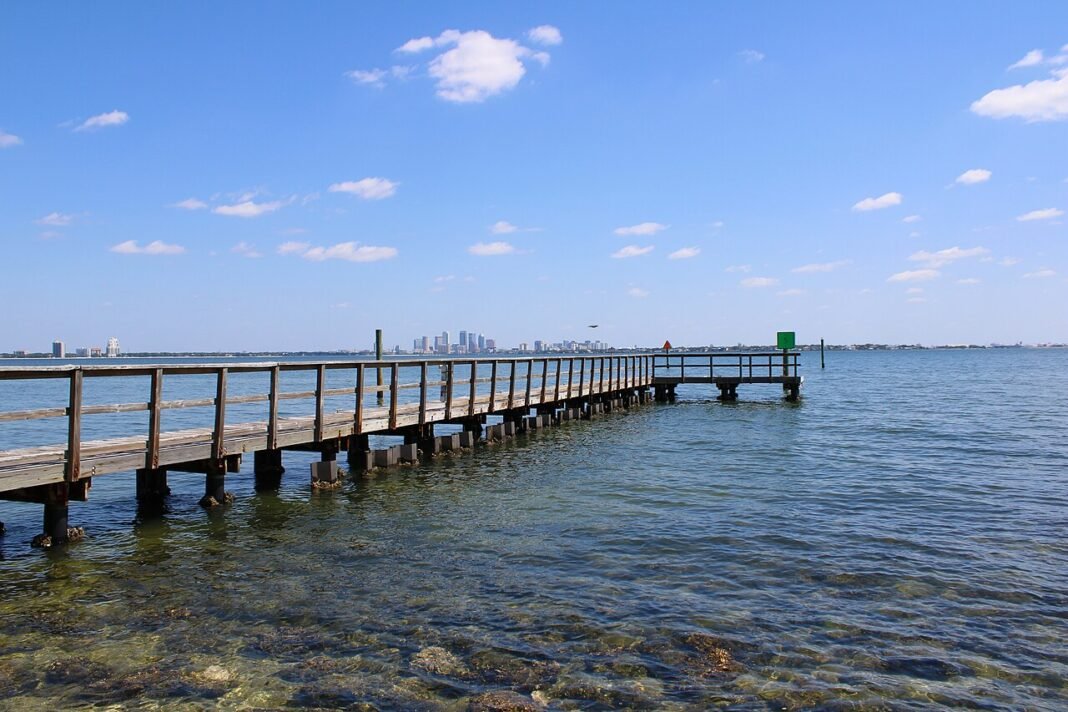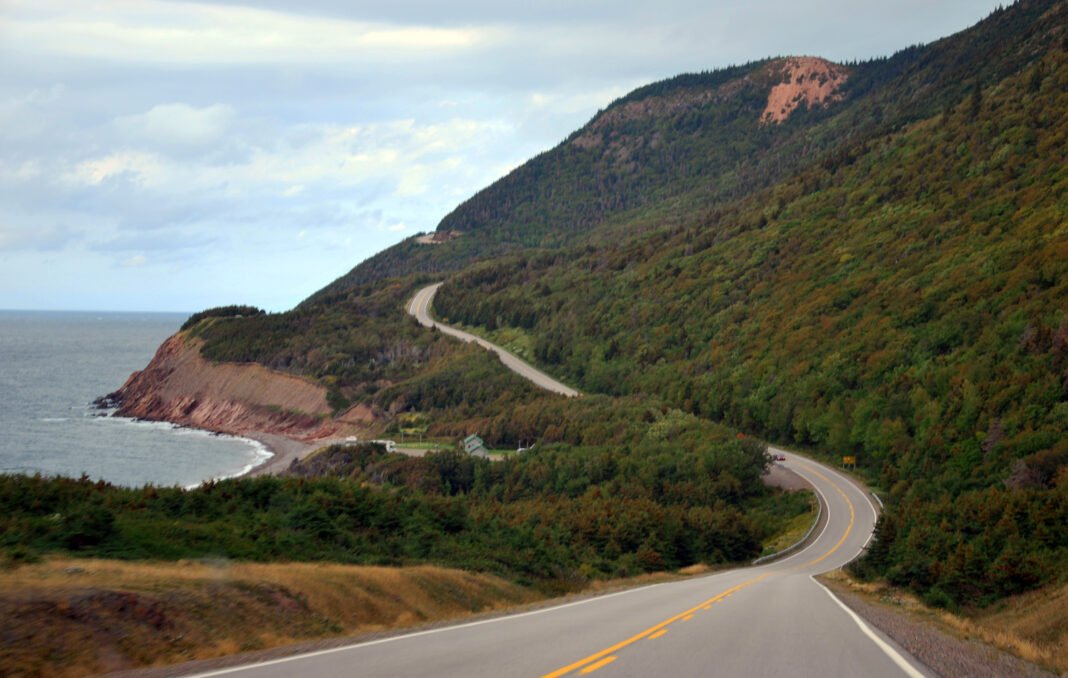
Nova Scotia’s outdoor recreation is defined by the Atlantic — a province entirely surrounded by water except for the thin Chignecto Isthmus connecting it to New Brunswick, where 7,500km of coastline opens up kayaking, sailing, surfing, tidal exploration, and fishing opportunities that no inland Canadian province can replicate, and where the Cape Breton Highlands’ plateau-to-sea hiking offers landscapes that are genuinely unlike any other Canadian province. The Bay of Fundy’s twice-daily tidal cycle — 100 billion tonnes of water moving in and out of the bay every 12.4 hours, exposing 5km of seafloor in some locations — is the province’s most striking natural phenomenon and the anchor of a coastal outdoor experience that ranges from leisurely tidal flat walking to technical sea kayaking in the Minas Channel’s powerful currents.
Cabot Trail: Hiking the Highland Plateaus
The Cape Breton Highlands National Park‘s trail network delivers Nova Scotia‘s most dramatic hiking — the coastal cliffs, the highland plateau (where boreal forest gives way to open heath above the treeline), and the river gorges combine in a walking landscape of exceptional variety:
- Skyline Trail (8km loop): The most popular trail in the park; the headland above the Gulf of St Lawrence opens onto panoramic coastal views, reliable moose sightings in the bog environments below the trail, and one of the finest sunset viewpoints in Eastern Canada; the Skyline is frequently cited as one of Canada’s top 10 trails
- Franey Trail (13km loop): The climb to the 423m summit above the Clyburn Valley earns the park’s best view of the highland interior; moose and bald eagle sightings are common
- Middle Head Peninsula (4km return): The narrow peninsula that divides Ingonish Beach from the North Bay; bald eagle nesting, Atlantic seal sightings, and the approach to the Cape Smokey headland from the water side
- Fishing Cove Trail (10km return): The most remote and rewarding overnight backcountry experience in the park; the descent to the tidal cove reaches wilderness camping at a location accessible only on foot
Bay of Fundy: Tidal Adventures
The Bay of Fundy’s extreme tidal range creates outdoor opportunities found nowhere else on Earth:
- Tidal bore rafting (Shubenacadie River): The world’s only tidal bore river rafting; the incoming Bay of Fundy tide sends a bore wave up the Shubenacadie River at 25–40km/h, creating standing waves and hydraulics in a mud-walled tidal river that produces a chaos of foam and current; commercial tidal bore rafting tours from South Maitland are Nova Scotia’s most exhilarating adventure activity
- Flower Pot Rocks (Hopewell Rocks, NB/NS Fundy shore): The extreme tidal range produces the famous flower pot rock formations accessible by walking the ocean floor at low tide and by kayak at high tide; technically in New Brunswick but accessible on the Fundy day trip from the Annapolis Valley
- Sea kayaking (Five Islands and Economy): The Minas Basin and Cobequid Bay shoreline give onto sea kayaking in the world’s highest tidal environment; tidal planning is essential; guided tours from Five Islands provide the safest introduction to Fundy tidal kayaking
- Whale watching (Bay of Fundy): The Fundy’s rich upwelling (the tidal mixing brings cold, nutrient-rich water to the surface) makes it one of the most important summer feeding grounds for the endangered North Atlantic right whale, along with humpback, fin, minke, and sei whales; tours from Digby, Brier Island, and Westport operate from June–September

Atlantic Paddling and Sailing
Nova Scotia’s 7,500km of coastline supports sea kayaking and sailing of remarkable variety:
- Eastern Shore kayaking (Sheet Harbour to Canso): The Eastern Shore’s deeply indented bays, rock-girt islands, and sheltered coves between Sheet Harbour and the Canso Causeway yield Nova Scotia’s best sea kayaking outside the Fundy; published sea-kayaking route guides cover the full Eastern Shore; multi-day camping kayak circuits of Tor Bay and Ecum Secum Bay are the highlights
- Bras d’Or Lakes sailing: Cape Breton’s inland sea (the Bras d’Or Lakes are technically a marine estuary connected to the Atlantic by two natural channels and the St. Peters Canal) creates a protected, tide-moderated sailing environment of 1,100 square kilometres; the Baddeck sailing community and the Bras d’Or Yacht Club anchor the sailing culture
- Kejimkujik National Park (canoe): The national park’s interior lake system (30+ lakes connected by portage routes) ranks as the province’s best freshwater canoe camping; the park’s Mersey River canoe circuits (2–5 days) and the Seaside Adjunct’s Atlantic coast wilderness provide complementary inland and coastal paddling within the same park unit
Cycling and Trail Networks
Nova Scotia’s cycling infrastructure has improved substantially with the development of the Trans Canada Trail connections and the rail trail conversions:
- Cabot Trail cycling: The 298km loop is a multi-day cycling challenge; the western side’s 300m climb out of Pleasant Bay is the most demanding section; supported cycling tours (baggage transfers, accommodation bookings) are available through several Cape Breton operators
- Harvest Moon Trailway: The 110km converted rail corridor from Grand Pré to Annapolis Royal through the Annapolis Valley; gravel surface, flat and gently rolling, passing through the valley’s orchard and wine country; the best multi-day cycling in mainland Nova Scotia
- Halifax’s cycling network: The Macdonald Bridge shared lane (Halifax to Dartmouth), the Harbour Shores Trail, and the Point Pleasant Park and North West Arm paths round out the urban cycling infrastructure; the McIntosh Run trail system adds mountain biking within the HRM
Planning Your Outdoor Adventure
The outdoor experiences described in this guide reward practical preparation. For wilderness and protected areas, check trail conditions, permit requirements, and seasonal access with the relevant land management authority before departure — trail closures, fire restrictions, and entry quotas can change quickly, and many high-demand parks now require advance reservations that were not needed in previous years. Weather in Nova Scotia can change rapidly, particularly in mountain terrain and during shoulder seasons; a layered approach with a waterproof outer shell is advisable for most outdoor pursuits regardless of the season. For water-based activities — paddling, snorkeling, diving, surfing — check current conditions with local outfitters who will have the most accurate and up-to-date information. Leave No Trace principles apply throughout: pack out everything you bring in, stay on established trails, give wildlife space, and leave natural features undisturbed for the next visitor.
Frequently Asked Questions
What hiking does the Cabot Trail and Cape Breton Highlands National Park offer?
Cape Breton Highlands National Park’s trail network holds Nova Scotia’s most dramatic hiking. The Skyline Trail (8km loop) — frequently cited as one of Canada’s top 10 trails — reaches a headland above the Gulf of St Lawrence with panoramic coastal views, reliable moose sightings in the bog environments below the trail, and one of the finest sunset viewpoints in Eastern Canada. The Franey Trail (13km loop) climbs to the 423m summit above the Clyburn Valley for the park’s best view of the highland interior, with moose and bald eagle sightings common. The Fishing Cove Trail (10km return) is the most remote and rewarding overnight backcountry experience in the park — the descent to the tidal cove opens up wilderness camping accessible only on foot. The Middle Head Peninsula (4km return) divides Ingonish Beach from North Bay with bald eagle nesting and Atlantic seal sightings.
What is Bay of Fundy tidal adventure and what makes it unique?
The Bay of Fundy’s extreme tidal range — the world’s highest, reaching 16 metres in the Minas Basin, with 100 billion tonnes of water moving in and out every 12.4 hours — creates outdoor opportunities found nowhere else on Earth. Tidal bore rafting on the Shubenacadie River is the world’s only tidal bore river rafting: the incoming tide sends a bore wave up the river at 25–40km/h, creating standing waves and hydraulics; commercial tours from South Maitland are Nova Scotia’s most exhilarating adventure activity. Sea kayaking in the Minas Basin and Cobequid Bay shoreline provides paddling in the world’s highest tidal environment — guided tours from Five Islands provide the safest introduction. Bay of Fundy whale watching (June–September from Digby, Brier Island, and Westport) reaches one of the most important summer feeding grounds for the endangered North Atlantic right whale, along with humpback, fin, minke, and sei whales.
What sea kayaking and sailing does Nova Scotia’s coastline offer?
Nova Scotia’s 7,500km of coastline supports sea kayaking and sailing of unusual range. The Eastern Shore (Sheet Harbour to Canso) — deeply indented bays, rock-girt islands, and sheltered coves — yields Nova Scotia’s best sea kayaking outside the Fundy; multi-day camping circuits of Tor Bay and Ecum Secum Bay are the highlights. The Bras d’Or Lakes — Cape Breton’s 1,100 square kilometre inland sea (technically a marine estuary connected to the Atlantic by two natural channels and the St. Peters Canal) — creates a protected, tide-moderated sailing environment anchored by the Baddeck sailing community and the Bras d’Or Yacht Club. Kejimkujik National Park’s interior lake system (30+ lakes connected by portage routes) offers freshwater canoe camping; the Seaside Adjunct adds Atlantic wilderness coastline to the same park unit.
What cycling does Nova Scotia offer?
The Cabot Trail (298km loop) is a multi-day cycling challenge — the western side’s 300m climb out of Pleasant Bay is the most demanding section; supported cycling tours with baggage transfers and accommodation bookings are available through several Cape Breton operators. The Harvest Moon Trailway (110km converted rail corridor, Grand Pré to Annapolis Royal) passes through the Annapolis Valley’s orchard and wine country on a flat gravel surface — the best multi-day cycling in mainland Nova Scotia. Halifax’s cycling network includes the Macdonald Bridge shared lane connecting Halifax to Dartmouth, the Harbour Shores Trail, and the Point Pleasant Park paths providing urban cycling infrastructure. The Trans Canada Trail connections and ongoing rail trail conversions have substantially improved Nova Scotia’s cycling infrastructure over the past decade.
What wildlife watching and natural highlights does Nova Scotia offer?
Nova Scotia’s biodiversity is driven by its maritime position at the junction of the cold Labrador Current and the warmer Gulf Stream, producing exceptional marine and terrestrial wildlife encounters. The Brier Island area (Digby Neck) is one of the finest whale and seabird watching locations in North America — the tidal upwelling at the island’s tip concentrates humpback, fin, and minke whales within reliable viewing distance, and the fall hawk migration through Cape St Mary’s is one of the sharpest hawk watch points in Eastern Canada. Sable Island (about 300km off Halifax, accessible by Parks Canada permit flights and cruises) supports the world’s largest colony of grey seals (as many as 400,000 animals) and the famous Sable Island wild horse population — a national park reserve (designated 2013) with no public road access and strictly limited visitation.