
Tasmania Travel Guide 2026: Hobart, the Wilderness, and the World’s End
Tasmania is Australia’s most unexpected travel destination — an island state the size of Ireland, separated from mainland Australia by the 240km Bass Strait, where 42% of the land is protected in national parks and World Heritage wilderness, where the convict ruins of Port Arthur speak to a history of extraordinary brutality and resilience, where MONA (the Museum of Old and New Art) has transformed Hobart’s cultural reputation in ways that still seem improbable, and where the Overland Track through the Cradle Mountain highlands delivers one of the world’s great multi-day wilderness walks to a population that remains one of Australia’s best-kept travel secrets. The island’s character is defined by what it is not — not hot, not dry, not crowded, not corporate — and by what it is: cool, wet, green, wild, haunted by history, and increasingly celebrated for a food and arts culture that overachieves relative to its 570,000 residents.
Hobart: The City at the End of the World
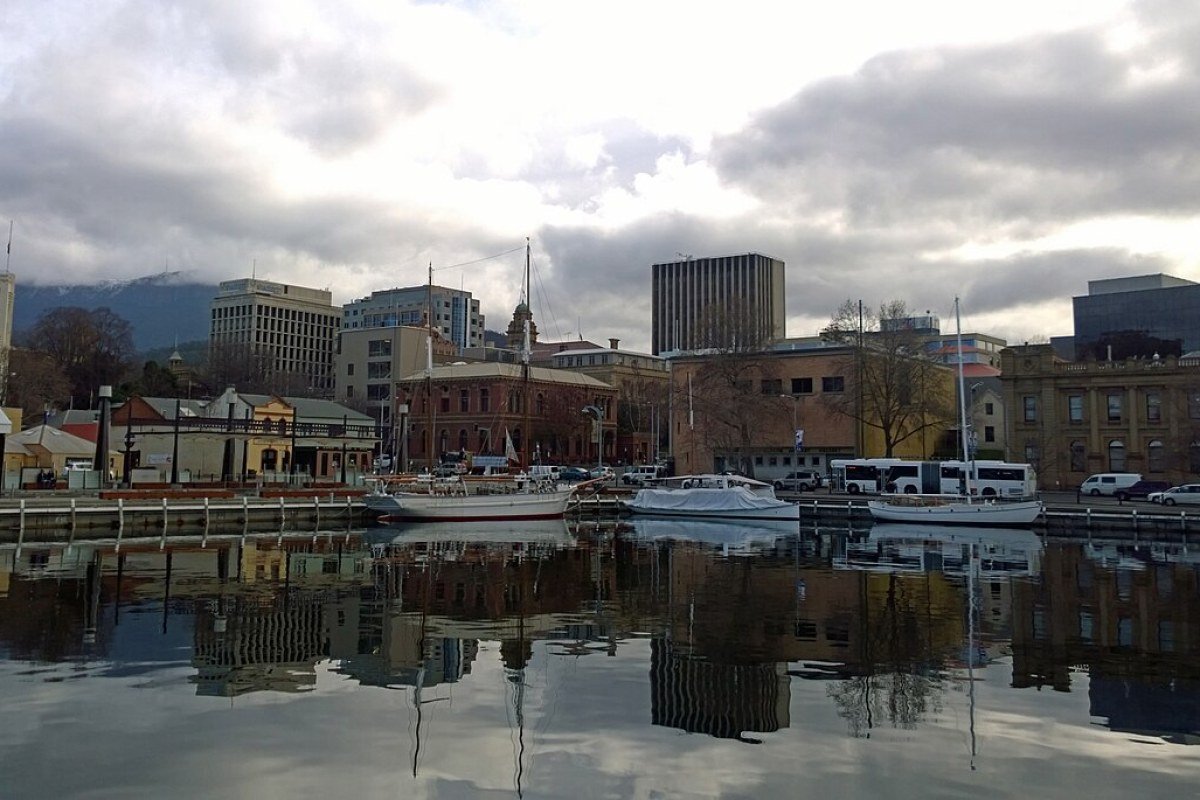
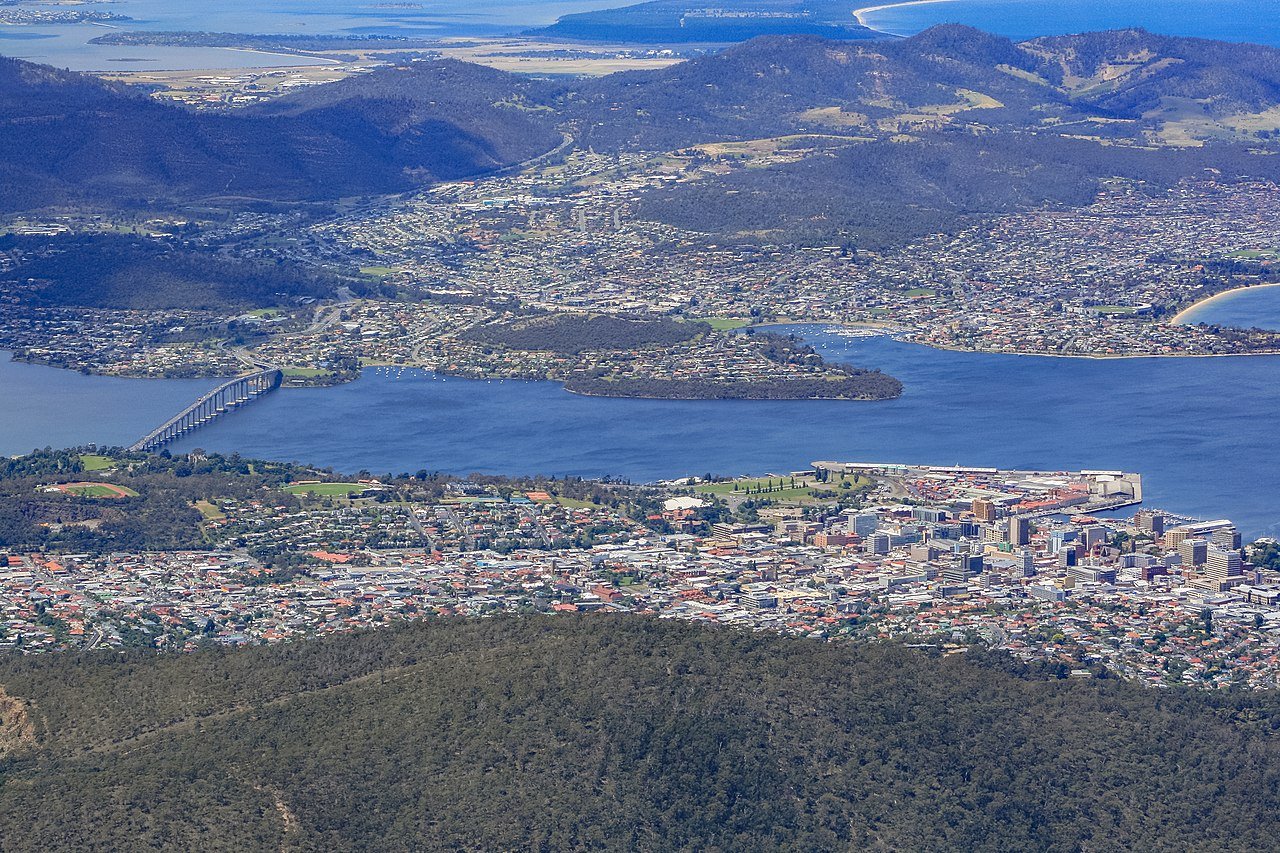
Hobart, Australia’s second-oldest city (founded 1804, one year after Sydney), sits at the foot of kunanyi/Mount Wellington (1,271m) on the broad Derwent estuary — a city of 240,000 with the physical scale of a country town and a cultural ambition that has recently placed it on the international arts tourism map in ways that Sydneysiders and Melburnians find difficult to explain. The key is MONA — David Walsh’s Museum of Old and New Art, opened 2011 on the Moorilla Estate peninsula north of the CBD, is the most visited cultural institution in Tasmania’s history and among the most genuinely provocative privately funded museums in the world. The annual Dark MOFO (winter solstice arts festival, June) and MONA FOMA (summer, January) festivals have built a cultural calendar that draws audiences from across Australia and internationally. Beyond MONA, Hobart’s Salamanca Market (Saturday, the most vibrant market in any Australian city relative to its size), the Battery Point Georgian streetscape, and the working waterfront fishing harbour at Constitution Dock define a city whose scale feels human in a way that the major mainland capitals have lost.
Hobart Must-Experiences
- MONA: The Museum of Old and New Art, 12km north of the CBD by ferry or road; the southern hemisphere’s largest private museum; confrontational, funny, and genuinely provocative in ways that most institutions avoid; the ferry from Brooke Street Pier is part of the experience
- Salamanca Market: Saturday market in the historic sandstone warehouses of Salamanca Place; the finest arts, crafts, food, and community market in Tasmania; the standard against which all other Australian Saturday markets are measured
- kunanyi/Mount Wellington: 1,271m summit 20 minutes from the CBD by road; the snow-topped pinnacle visible from the city defines Hobart’s skyline; the Summit Road drive and the Pinnacle walking track (6km from Fern Tree) provide the most dramatic urban-to-alpine transition in any Australian city
- Battery Point: The Georgian and colonial streetscape south of the CBD; Australia’s finest collection of intact pre-1850 civilian architecture; Arthur’s Circus (the circular village green surrounded by Georgian cottages) is the most photographed residential streetscape in Tasmania
- Bruny Island: Two hours south of Hobart (including the Kettering ferry); the Neck (a tombolo connecting North and South Bruny) provides the most accessible little penguin and Australian fur seal colony viewing; the Bruny Island Cheese Company and the Get Shucked oyster bar provide the food context

The Overland Track and Wilderness Walks
The Overland Track, 65km from Cradle Mountain to Lake St Clair through the heart of the Tasmanian Wilderness World Heritage Area, is among the world’s great long-distance wilderness walks — a 6–8 day traverse through buttongrass plains, alpine tarns, dolerite peaks, and ancient pencil pine forests that has no equivalent in any other Australian state. The track requires a booking system (Tasmania Parks and Wildlife, November to April season) and passes the Barn Bluff, Mount Ossa (Tasmania’s highest peak, 1,617m), and the Cathedral Mountain tablelands in a sequence of landscapes of extraordinary variety and beauty. The Cradle Mountain day walk circuit (12.5km) and the short Dove Lake loop (6km) provide accessible introductions to the wilderness without the full overland commitment.
Port Arthur: History at the Edge
The Port Arthur Historic Site, 100km southeast of Hobart on the Tasman Peninsula, is the most significant convict heritage site in Australia — a settlement of 1,200 convicts at its peak, including the Separate Prison (designed to punish through complete sensory deprivation rather than physical violence), the church ruins, the hospital, the commandant’s house, and the Isle of the Dead burial ground in the harbour. The site’s UNESCO World Heritage listing (as part of the Australian Convict Sites network) reflects its extraordinary preservation and the historical significance of the convict transportation system it represents. The Ghost Tour (evening) and the harbour cruise to Point Puer (the boys’ prison) complete the standard Port Arthur itinerary. The Tasman National Park’s coastal walks — the Cape Hauy Track (4.5km return, the most dramatic coastal walk in Tasmania), and the Three Capes Track (48km, 4 days, fully serviced huts) — provide the natural landscape context for the Tasman Peninsula.
The East Coast: Freycinet and the Bay of Fires
Tasmania’s east coast, sheltered from the Southern Ocean’s prevailing westerlies by the island’s central highlands, delivers a beach experience that surprises most visitors — white sand beaches of extraordinary clarity, fishing villages of unhurried character, and the Freycinet Peninsula’s pink granite peaks rising above Wineglass Bay. The East Coast Escape (the tourist route from Hobart to Launceston along the Tasman Highway) connects Freycinet, Bicheno, St Helens, and the Bay of Fires in a 2–3 day drive of consistently excellent coastal scenery. The Bay of Fires — the orange-lichened granite boulders on the white sand beaches north of St Helens — provides one of Australia’s most visually distinctive coastal landscapes, accessible on the Bay of Fires Walk (guided, 4 days) or independently from the campgrounds at Swimcart Beach and The Gardens.
Launceston and the Tamar Valley
Launceston, Tasmania’s second city (110,000 residents) at the head of the Tamar Valley 200km north of Hobart, combines the Cataract Gorge (a river gorge with a swimming pool and chairlift 15 minutes’ walk from the city centre — the most dramatically situated urban gorge in Australia) with a heritage streetscape of Victorian sandstone architecture, the Tamar Valley wine region (producing cool-climate Pinot Noir and Riesling of national reputation), and the Gateway to the Overland Track logistics for visitors approaching from the north. The QVMAG (Queen Victoria Museum and Art Gallery) and the Launceston Farmers Market (Saturday) complete a city whose compact scale and walkability make it Tasmania’s most immediately pleasant urban destination after Hobart.