Outdoor Activities in South Australia 2026: Flinders Ranges, Kangaroo Island, and Eyre Peninsula
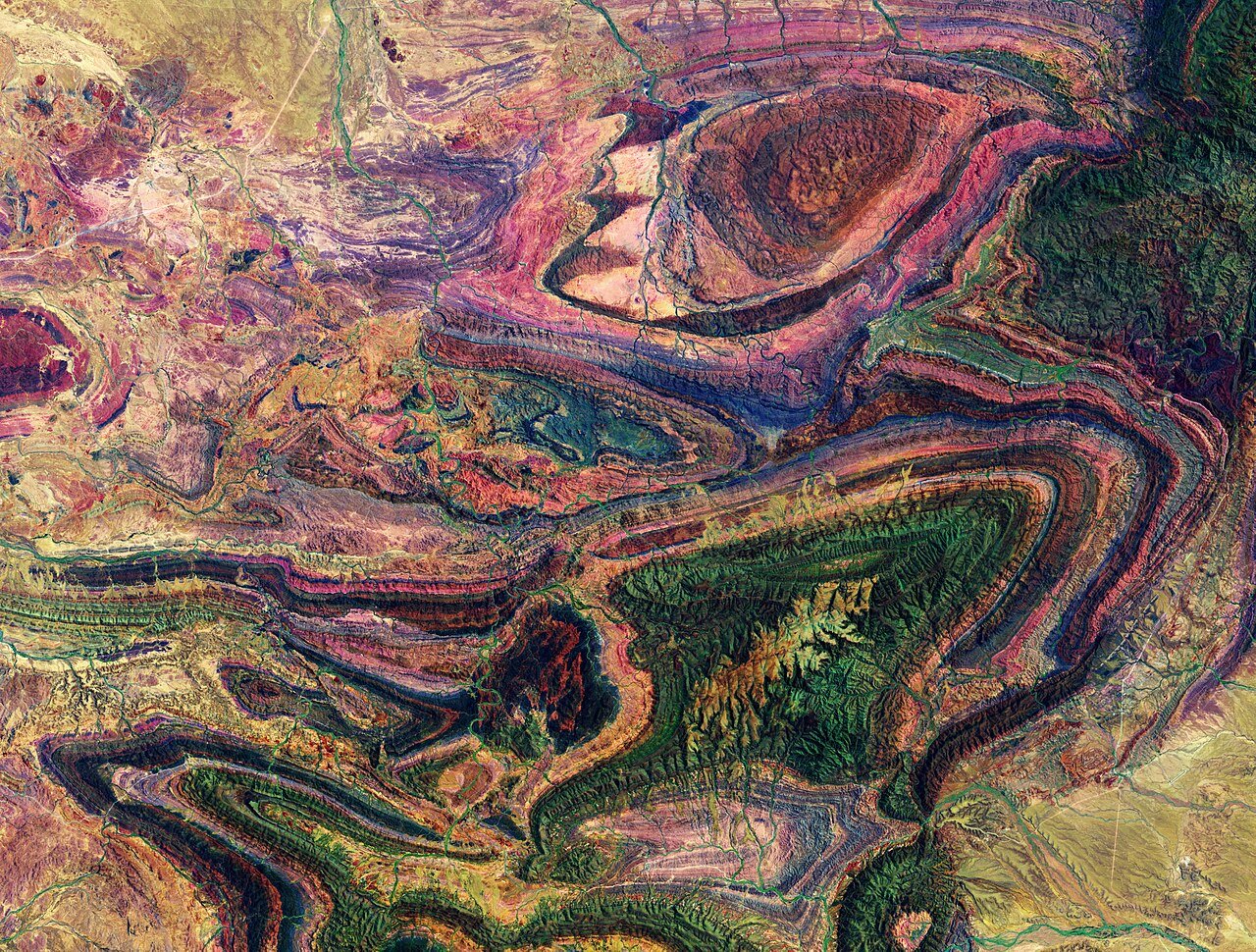
South Australia’s outdoor recreation is defined by contrasts — the ancient geology of the Flinders Ranges (800-million-year-old Precambrian quartzite ridges that make the Himalayas seem geologically recent), the pristine wildlife of Kangaroo Island (a continent-within-a-continent where endemic subspecies evolved in isolation from mainland predators), the Eyre Peninsula’s white-sand beaches and great white shark encounters, and the Southern Ocean surf coast of the Fleurieu Peninsula where the world’s most powerful ocean delivers swells to beaches within 40 minutes of Adelaide’s CBD. The state’s outdoor experience rewards those who drive further and explore beyond the Adelaide Hills and McLaren Vale wine country day trips — the Flinders Ranges’ interior, the Eyre Peninsula’s remote beaches, and the Coorong National Park’s bird sanctuary coastline represent experiences with few equivalents anywhere in the world. And through it all, South Australia provides the most accessible outback experience in Australia — the Flinders Ranges are four hours from Adelaide, compared to two days from Sydney.
Flinders Ranges: Hiking the Ancient World
The Flinders Ranges hiking network centres on Wilpena Pound and the Ikara-Flinders Ranges National Park, 460km north of Adelaide. The major walks:
- Wilpena Pound rim walk (20km, 2 days): Circumnavigation of the Pound’s inner basin; the St Mary Peak approach from Wilpena Pound Resort provides the most dramatic viewpoint in the Flinders; Aboriginal cultural sensitivity requires that the peak itself not be approached from all directions (consult the Adnyamathanha Traditional Lands Association for current guidance)
- Heysen Trail: Australia’s longest walking trail (1,200km from Cape Jervis on the Fleurieu Peninsula to Parachilna in the northern Flinders); the Flinders Ranges section (approximately 400km) is the trail’s most spectacular and challenging segment; best May–October to avoid summer heat
- Arkaroola Wilderness Sanctuary: Private conservation reserve in the northern Flinders; the Ridge Top Tour (4WD, guided, to the highest accessible point in the Flinders) provides the most dramatic outback landscape experience; the Arkaroola astronomical observatory offers some of Australia’s finest stargazing
- Yourambulla Caves: Aboriginal rock art site accessible by a 2km return walk; excellent panels of stencil art and hand prints

Kangaroo Island: Wildlife and Wilderness
Kangaroo Island’s outdoor activities combine wildlife encounters of extraordinary intimacy with some of South Australia’s finest coastal wilderness:
- Seal Bay Conservation Park: A guided walk onto the beach among a colony of 600 Australian sea lions (one of the largest accessible sea lion colonies in the world); sea lions rest within metres of visitors; the most intimate wildlife encounter in South Australia
- Admirals Arch: A natural dolomite arch in the Southern Ocean cliff face, home to a colony of New Zealand fur seals; the cliff-top walk above the arch provides views across the Southern Ocean to Antarctica
- Remarkable Rocks: Granite boulders at Kirkpatrick Point, Flinders Chase National Park; photographed at sunrise and sunset for the orange light on the distinctive sculptured forms above the ocean
- Flinders Chase wilderness hiking: The Cape Borda to Cape du Couedic Coastal Trek (61km, 5 days) traverses the island’s wild southern coast; remote, challenging, and rewarding for experienced hikers
- Surfing: Kangaroo Island’s exposed southern coast produces some of the most consistent and least crowded surf in Australia; Hanson Bay and D’Estrees Bay provide quality breaks
Eyre Peninsula: Ocean Encounters
The Eyre Peninsula, 650km west of Adelaide, provides South Australia’s most remote and powerful ocean experiences:
- Cage diving with great white sharks (Port Lincoln): The Neptune Islands group, 70km offshore, hosts one of the highest densities of great white sharks in the world; cage diving tours from Port Lincoln provide the world’s most accessible great white shark encounter
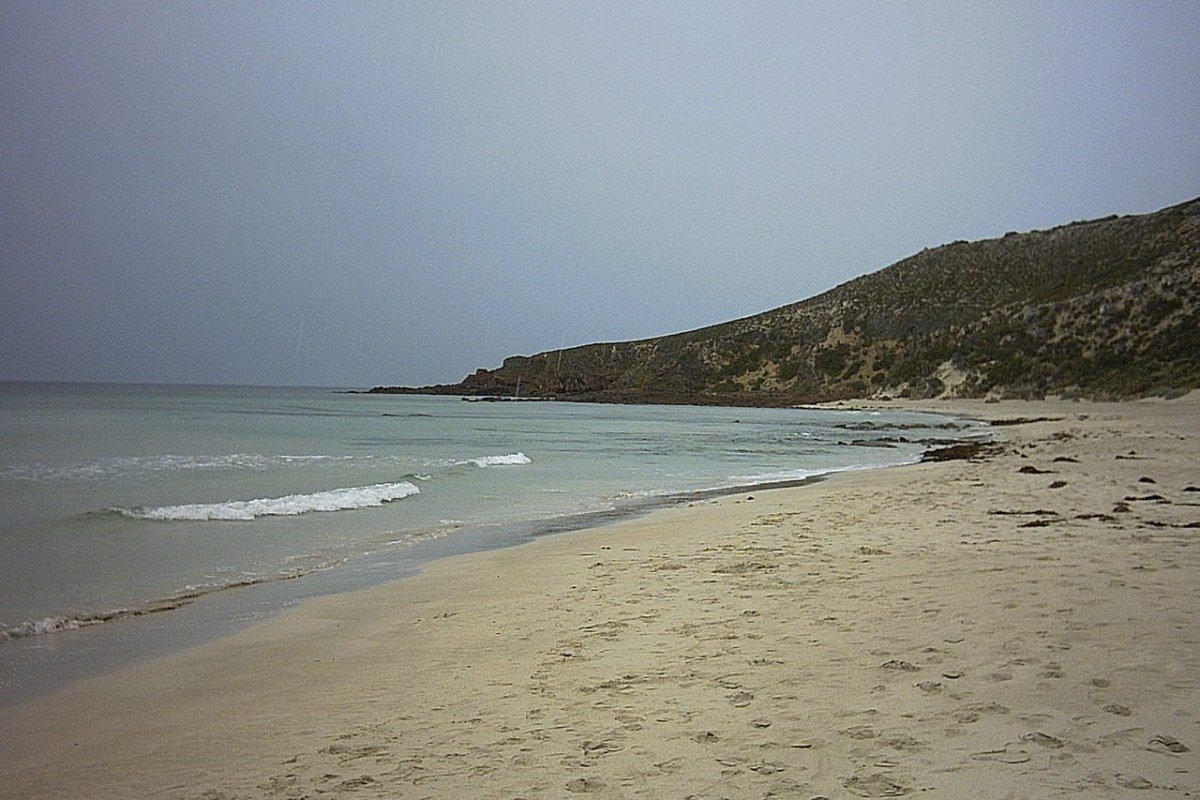
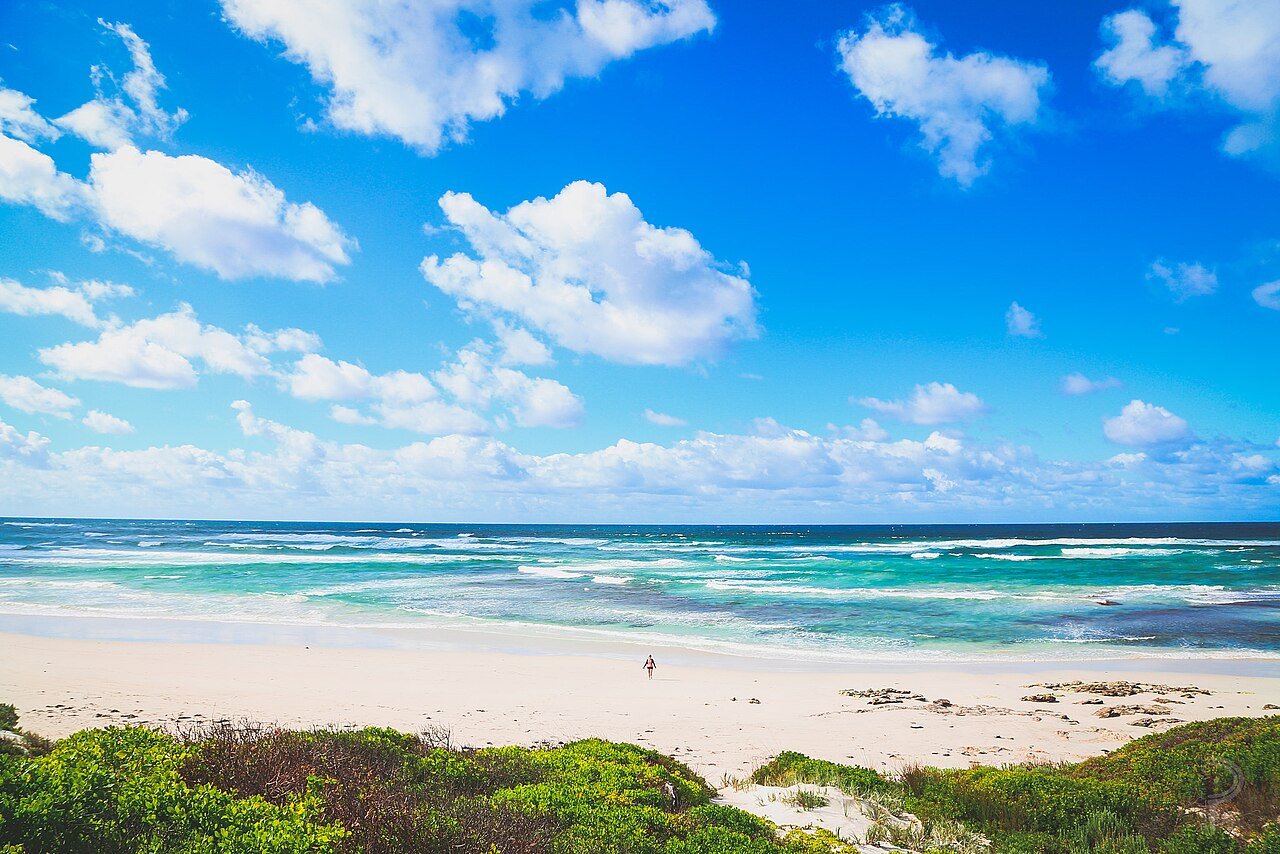
- Coffin Bay National Park: 30,000 hectares of remote beaches, sand dunes, and coastal heath accessible by 4WD; the most pristine beaches in South Australia outside of Kangaroo Island; famous for the Coffin Bay oyster (a Pacific oyster farmed in the clean waters of Coffin Bay Inlet)
- Lincoln National Park: Adjacent to Port Lincoln; coastal cliffs, secluded beaches, and one of the best coastal walking tracks in SA (Billy Lights Point to Stamford Hill, 8km return)
- Memory Cove Wilderness Protection Area: Permit required; 4WD only; the most remote and pristine coastal environment accessible on the Eyre Peninsula; swimming with sea lions at Fishery Bay
Clare Valley: Wine and Walking
The Clare Valley, 130km north of Adelaide in the Southern Flinders Ranges foothills, is South Australia’s most distinctive wine hiking destination — the Riesling Trail (24km sealed walking and cycling trail through the valley’s vineyards between Clare and Auburn) is one of Australia’s finest rail trail conversions, linking wineries including Grosset, Tim Adams, and Kilikanoon in a landscape of limestone slopes and scattered native vegetation. The Clare Valley’s Riesling is the most compelling argument that South Australian wine extends well beyond the Barossa — the valley’s cool nights produce wines of extraordinary minerality and longevity that are regarded by many critics as Australia’s finest Riesling outside the Eden Valley.
Planning Your South Australian Outdoor Adventure
South Australia’s outdoor activities reward deliberate planning — the distances between the major activity zones (Flinders Ranges, Kangaroo Island, the Eyre Peninsula, and the Clare Valley) are substantial, and each requires its own itinerary commitment. The optimal approach is to choose one region per trip: the Flinders Ranges as a 4-night self-drive from Adelaide; Kangaroo Island as a 2–3 night ferry or fly-in wildlife and food itinerary; the Eyre Peninsula (including Port Lincoln and Coffin Bay) as a 4–5 night self-drive from Adelaide via the Lincoln Highway. The shoulder seasons (April–May and September–October) provide the best combination of mild temperatures, manageable crowds, and optimal wildlife activity across all South Australian outdoor regions.
Planning Your Outdoor Adventure
The outdoor experiences described in this guide reward practical preparation. For wilderness and protected areas, check trail conditions, permit requirements, and seasonal access with the relevant land management authority before departure — trail closures, fire restrictions, and entry quotas can change quickly, and many high-demand parks now require advance reservations that were not needed in previous years. Weather in South Australia can change rapidly, particularly in mountain terrain and during shoulder seasons; a layered approach with a waterproof outer shell is advisable for most outdoor pursuits regardless of the season. For water-based activities — paddling, snorkeling, diving, surfing — check current conditions with local outfitters who will have the most accurate and up-to-date information. Leave No Trace principles apply throughout: pack out everything you bring in, stay on established trails, give wildlife space, and leave natural features undisturbed for the next visitor.