

Outdoor Activities in Newfoundland and Labrador 2026: Icebergs, Whales, and the North Atlantic Wilderness
Newfoundland and Labrador’s outdoor recreation is defined by the North Atlantic — a relationship with the ocean that is not recreational but existential, built into the culture over 500 years of fishing, sealing, and seafaring from the island’s 29,000km of coastline. The province’s outdoor experiences are among the most dramatic and least crowded of any equivalent landscape in the world: the iceberg season (May–June) when Greenland-calved bergs drift past fishing villages and through iceberg-dotted bays; the humpback whale concentrations off the Avalon Peninsula coast (June–September); the seabird colonies at Cape St. Mary’s and Witless Bay; the Gros Morne National Park fjords and exposed mantle rock; and the Labrador wilderness, which encompasses some of the most remote and unspoiled landscape in North America. The province offers outdoor experiences with genuinely transformative power — the scale of the icebergs, the number of the birds, the geological age of the Tablelands rock — that are not found in any other part of the country.
Iceberg Watching and Sea Activities
- Iceberg Alley (Twillingate, Bonavista, St. Anthony): The spring drift of Arctic icebergs past the Newfoundland coast peaks in May and June; the communities of Twillingate (Long Point Lighthouse), Bonavista (Cape Bonavista Lighthouse), and St. Anthony (near L’Anse aux Meadows) provide the most reliable iceberg viewing from shore; boat tours provide close-range access; the icebergs range from house-sized “growlers” to table-top bergs the size of football fields, each between 10,000 and 100,000 years old
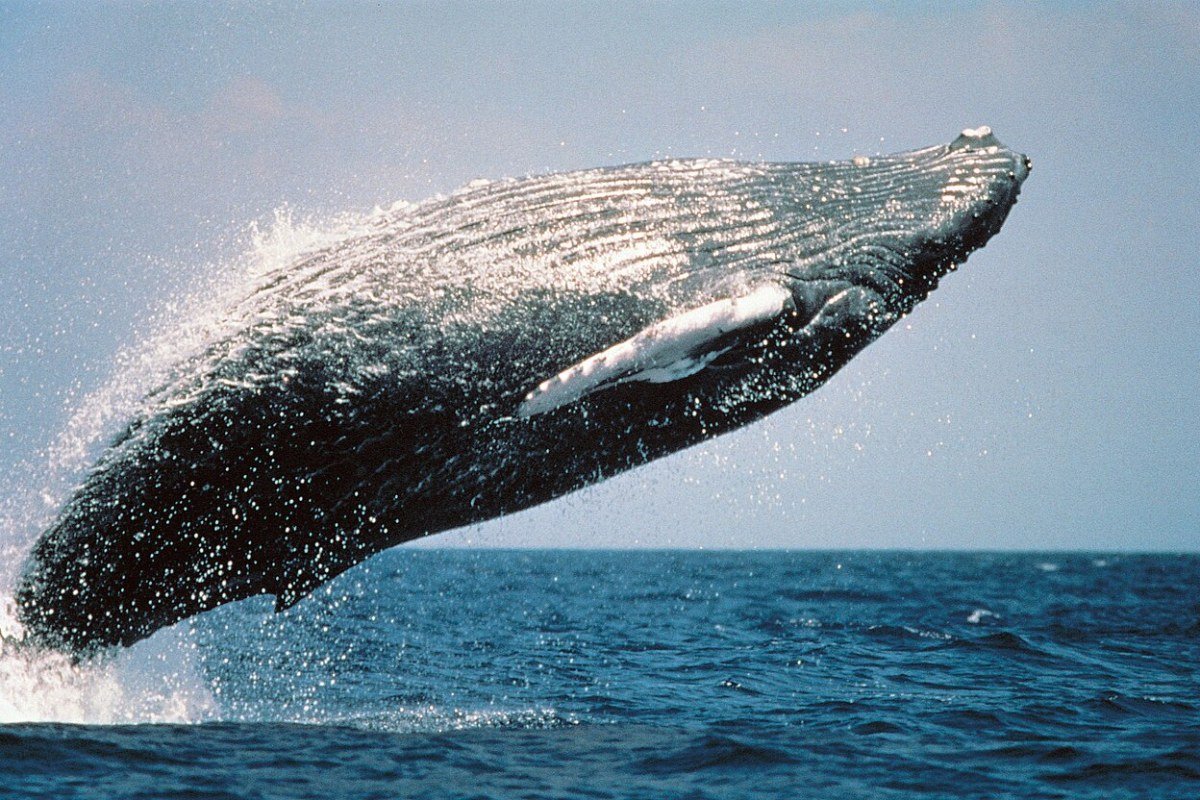
- Whale watching (Avalon Peninsula): The concentration of capelin (a small forage fish) on the Avalon banks in June and July attracts humpback, minke, and fin whales in numbers that create some of the most accessible whale watching in the world; boat tours from Bay Bulls (O’Brien’s, Murphy’s) and St. John’s harbour routinely sight humpbacks breaching and bubble-net feeding within sight of Signal Hill; the shore-based whale watching from Cape St. Mary’s and Ferryland Head requires no boat
- Sea kayaking (Witless Bay, Trinity Bay): The sheltered coves of the Avalon Peninsula’s east coast provide exceptional sea kayaking — launching from Tors Cove or Ferryland, paddlers encounter puffins, murres, razorbills, and in season, humpback whales; the Witless Bay Ecological Reserve permits limited kayak access near the islands; Trinity Bay’s calm waters and the heritage villages of Trinity and Bonavista provide multi-day sea kayaking routes of extraordinary cultural and natural richness
- Surfing (Long Pond, Cape St. Francis): Newfoundland has a small but passionate surfing community; the cold-water breaks at Cape St. Francis and the beach breaks of the eastern Avalon provide Atlantic swells in a wetsuit-required environment; the Newfoundland Surf Club connects the provincial community
Hiking and Coastal Trails
- East Coast Trail: The 336km hiking trail along the Avalon Peninsula’s eastern shore from Cappahayden to Topsail; the trail’s 26 individual path sections range from easy coastal walks to demanding cliff-edge traverses above the Atlantic; the Spout Path (a sea cave blowhole), the Tolt Road Path’s barrens landscape, and the Deadman’s Bay Path’s sea arch provide the most dramatic sections; no permit required, day hikes from St. John’s are possible on the southern sections
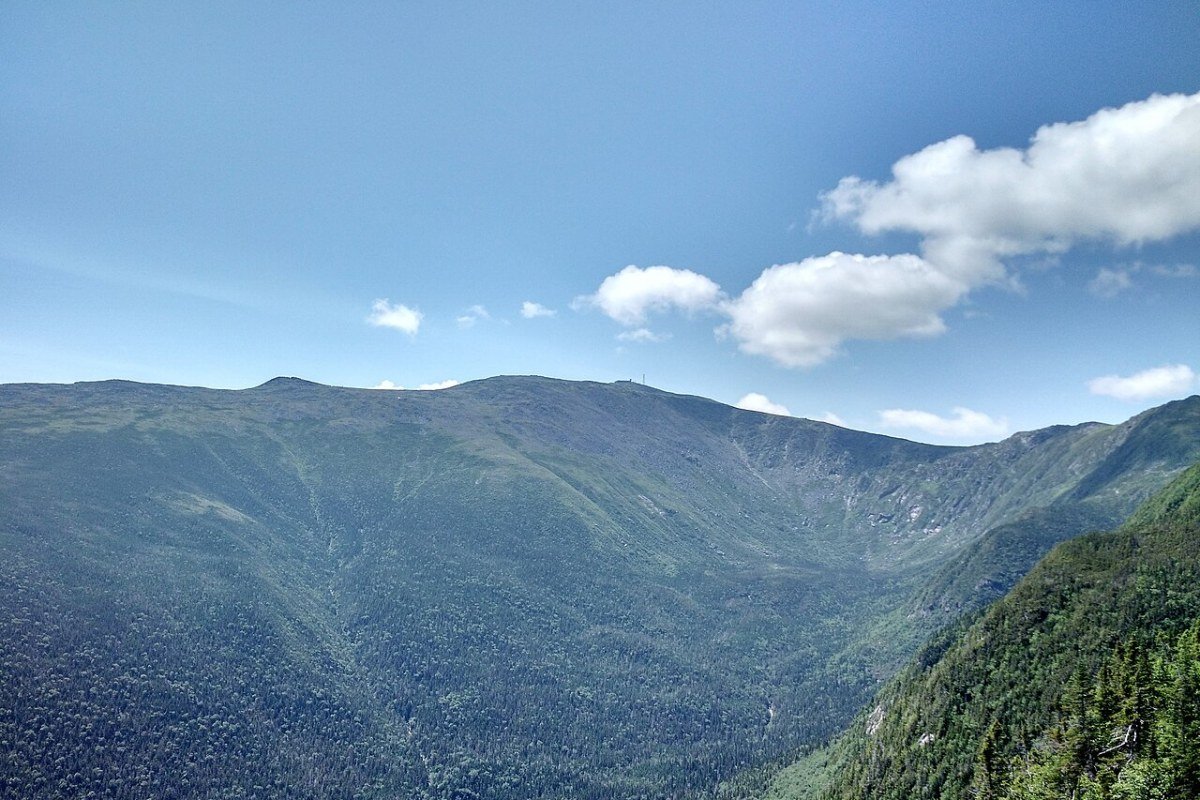
- Gros Morne — Gros Morne Mountain (16km, strenuous): The circuit via Ferry Gulch and the Long Range Mountain plateau is the most demanding significant day hike in Atlantic Canada; the summit at 806m provides panoramic views of the Gulf of St. Lawrence, the Bonne Bay fjord, and the Long Range plateau’s boreal tundra; the descent via the James Callaghan Trail provides a different perspective on the volcanic landscape below
- Gros Morne — Green Gardens Trail (9km loop): The volcanic sea stacks and sea caves of the Green Gardens coast south of Trout River; the trail descends from the Long Range plateau through pillow lava coastal cliffs to tidal pools and sea stacks shaped by the same geological collision that created the Tablelands; one of Newfoundland’s finest moderate hikes
- Torngat Mountains Base Camp (Labrador): Guided wilderness expeditions from the base camp at Saglek Fjord; hiking in the Inuit homeland of the northernmost Labrador highlands; polar bear guide escort required and provided; the landscapes — arctic tundra fjords, glacial lakes, and the Torngat summits at 1,652m — are among the most dramatic in eastern North America in a setting of complete wilderness
_-_Elliston,_Newfoundland_2019-08-13_(02).jpg?width=1200)
Seabird Colonies and Wildlife Watching
- Cape St. Mary’s Ecological Reserve: The northern gannet colony at Bird Rock — 60,000 pairs nesting on a sea stack separated from the mainland cliff by a 5-metre channel — provides the most intimate large seabird colony access in North America; gannets plunge-dive from the cliff above in a constant aerial display; murres, razorbills, kittiwakes, and black-legged kittiwakes nest on the same cliff face; the 1km walk from the interpretive centre is fully accessible
- Witless Bay Ecological Reserve: Four islands south of St. John’s support the largest Atlantic puffin colony in North America (620,000 pairs), Leach’s storm-petrel colonies, and murres; boat tours from Bay Bulls and Witless Bay navigate the waters around the islands (no landing permitted); the June–July peak coincides with whale watching season, making combined tours routinely encounter both species
- Funk Island: The remote island northeast of Gander Bay supports one of the largest murre colonies in the world (estimated 1 million+ birds) and is the site where the last great auk was killed in 1844; accessible only by charter boat in summer; the island’s archaeological and ecological significance is extraordinary for birders and conservation historians
- Caribou of the Avalon: The Avalon Peninsula’s woodland caribou herd (approximately 5,000 animals) ranges across the barrens of the southern Avalon from the Cape Race area to the Witless Bay region; caribou are regularly visible from the East Coast Trail and the roads of the southern Avalon, particularly in late winter and spring when the herds move to lower elevations
Winter Activities
- Marble Mountain Ski Resort: Newfoundland’s largest alpine ski area near Corner Brook; 39 trails on a 358m vertical; the most easterly skiing in Canada with a loyal provincial following; snow conditions are reliable due to the maritime snowfall patterns; night skiing on the lower mountain; family-oriented trail mix with beginner through expert terrain
- Cross-country skiing (Pippy Park, St. John’s): Pippy Park in St. John’s provides groomed cross-country ski trails within the city boundaries; the boreal forest setting and the proximity to the MUN campus make it the province’s most accessible winter trail system; snowshoeing on the East Coast Trail’s southern sections provides a winter alternative to the summer hiking experience
- Dog sledding (Labrador): Traditional and recreational dog sledding is available in Labrador through Indigenous community operators and eco-tourism operators near Happy Valley-Goose Bay; the Labrador Interior’s vast boreal and tundra landscape provides a genuine wilderness dog sledding context unlike the commercial resort sledding available in Alberta and Quebec