
Outdoor Activities in Nevada 2026: Desert Canyons, Basin Wilderness, and the Sierra Nevada Edge
Nevada’s outdoor recreation is defined by contrasts that most visitors don’t anticipate — a state associated primarily with urban entertainment actually contains some of the most dramatic and varied desert wilderness in the American West, from the Calico sandstone canyons of Red Rock Canyon minutes from the Las Vegas Strip to the ancient bristlecone pine forests of the Snake Range in Great Basin National Park to the alpine terrain of the Ruby Mountains in the remote northeast. The state’s vast interior — the Great Basin, which covers the majority of Nevada’s 110,572 square miles — remains genuinely remote and largely unvisited, providing solitude and wilderness experience in a region that most Americans treat as flyover territory between California and Colorado. Nevada rewards the outdoor visitor who looks past the Strip.
Red Rock Canyon: Las Vegas’s Outdoor Backyard
Red Rock Canyon National Conservation Area, 17 miles west of the Las Vegas Strip on Charleston Boulevard, is the most accessible world-class outdoor destination from any major American city — a geological showcase where the Calico Hills’ red and cream Aztec Sandstone formations rise 3,000 feet above the Mojave Desert floor, offering hiking, rock climbing, mountain biking, and canyon exploration within 30 minutes of the world’s largest concentration of hotel rooms. The 13-mile scenic loop drive provides an introduction to the canyon’s major geological features — the Calico Hills, the White Rock Hills, the Keystone Thrust fault where ancient gray limestone was pushed over younger red sandstone by tectonic forces 65 million years ago — accessible to any vehicle without requiring a commitment to hiking.
The hiking within Red Rock’s 195,819 acres ranges from short canyon walks to full-day ridge scrambles. The Calico Tanks trail (2.5 miles round trip, 400 feet of gain) climbs through Calico Hills to a natural tinaja — a water-carved rock basin — above the formation with Las Vegas Strip views from an unlikely sandstone perch. The Turtlehead Peak trail (4 miles round trip, 1,968 feet of gain) is the most demanding popular route in the conservation area, ascending the obvious summit above the Calico Hills to views across the Spring Mountain Range and the Las Vegas valley. The Ice Box Canyon trail (2.6 miles, moderate) follows a shadowed canyon cut into the Calico Hills where year-round water and a seasonal waterfall create a microclimate distinctly cooler than the surrounding desert. For rock climbers, Red Rock is one of the premier sport and traditional climbing destinations in the American West — the Sandstone Bluffs, Rainbow Wall, and Calico Hills provide hundreds of routes across all difficulty levels, and the Las Vegas rock climbing community uses Red Rock as its training ground year-round.

Great Basin National Park
Great Basin National Park, near Baker in White Pine County on the Nevada-Utah border, is one of the least-visited and most rewarding national parks in the lower 48 — a park that contains Nevada’s highest peak, a remarkable cave system, ancient bristlecone pine forests, and a night sky free from light pollution, all in a setting of genuine Great Basin solitude. Wheeler Peak (13,063 feet) is the park’s dominant feature and the destination for the park’s most demanding hike: the Wheeler Peak Summit Trail (8.6 miles round trip, 2,900 feet of gain) climbs through subalpine meadows, past Stella Lake and Teresa Lake, to the summit pyramid for views across 100 miles of Great Basin desert. The Alpine Lakes Loop (2.7 miles, moderate) visits three subalpine lakes beneath Wheeler Peak’s north face — one of the finest short hikes in Nevada, particularly in late July and August when wildflowers bloom across the subalpine meadows.
The Lehman Caves, a limestone cave system beneath the park’s lower slopes, contain cave formations that include the rare cave shield — found at fewer than a dozen cave systems in the world — alongside stalactites, stalagmites, helictites, and cave bacon that represent 550 million years of limestone formation. Guided tours (the only way to enter the caves) run throughout the day during peak season; the Grand Palace Tour (90 minutes) is the most comprehensive. The bristlecone pine grove accessible from the Wheeler Peak trailhead contains individuals more than 3,000 years old — living during the Bronze Age in the Mediterranean, older than the Roman Republic — in conditions of rocky, thin soil and brutal wind that would kill most tree species. Great Basin’s remoteness (Baker is 4.5 hours from Las Vegas, 5 hours from Salt Lake City) ensures that even summer weekends feel uncrowded. The park’s International Dark Sky designation makes its night sky one of the darkest in the continental United States — the Milky Way is visible to the naked eye on most clear nights throughout the year.
Lake Tahoe and the Sierra Nevada
Lake Tahoe, straddling the Nevada-California border in the Sierra Nevada, is as accessible from Reno (45 minutes over Mount Rose Highway in summer conditions) as it is from Sacramento or the Bay Area, making it northern Nevada’s most significant outdoor recreation asset. The Nevada side of Tahoe — less developed than the California side and anchored by the communities of Incline Village and Crystal Bay — provides beach access, hiking, and water recreation with somewhat less congestion than the South Lake Tahoe California corridor. Sand Harbor State Park (Nevada) on the east shore is among the most photographed beach environments in the Sierra Nevada, where granite boulders create clear-water swimming and snorkeling coves of a quality unexpected in a mountain lake at 6,225 feet elevation.
The Sierra Nevada ski resorts accessible from Reno — Heavenly (90 minutes, straddling the Nevada-California border at South Lake Tahoe), Northstar (70 minutes), and Palisades Tahoe (formerly Squaw Valley, 90 minutes) — provide some of the finest alpine skiing in North America, with annual snowfall depths that frequently exceed California resort averages due to Sierra elevation. The Mount Rose Ski Tahoe resort (45 minutes from Reno at 9,700-foot base elevation) provides the most convenient Reno-area skiing, with consistent snow conditions throughout the winter season and less weekend traffic than the South Lake Tahoe resorts. Diamond Peak, the ski resort on the north shore above Incline Village, offers Lake Tahoe views from its runs that are unmatched among Sierra Nevada ski areas.
Valley of Fire and the Mojave
Valley of Fire State Park, 50 miles northeast of Las Vegas along Interstate 15 and Lake Mead Boulevard, is Nevada’s oldest state park and one of its most visually dramatic — a landscape of ancient Aztec sandstone formations in brilliant red, orange, and purple that predate the nearby Calico Hills by millions of years. The Fire Wave, a swirling multi-colored sandstone formation accessible via a 1.5-mile trail from the White Domes parking area, has become the park’s most-photographed destination; arrive before 8 AM in any season to avoid both heat and crowds. The White Domes loop (1.2 miles) passes through a narrow sandstone slot canyon and around the eroded cream and white formations of the park’s western section. The Rainbow Vista overlook provides the broadest panorama of the park’s geological diversity. The Atlatl Rock petroglyph panel — carvings left by Ancestral Puebloan inhabitants dating to approximately 300 BCE — provides the most accessible indigenous rock art in southern Nevada.
Lake Mead National Recreation Area, the reservoir created by Hoover Dam on the Colorado River, provides water recreation within an hour of the Las Vegas Strip — boating, fishing, and swimming in the largest reservoir in the United States by capacity (when full). The lake’s water levels have fluctuated significantly due to sustained drought across the Colorado River Basin; during low-water periods, formerly submerged features of the lake’s past become visible, including historical structures and (controversially) human remains that reveal the lake’s history as a disposal site for organized crime. The Lake Mead National Recreation Area encompasses 1.5 million acres of Mojave Desert terrain with its own hiking, backcountry camping, and kayaking opportunities beyond the lake itself.
The Ruby Mountains and Remote Nevada
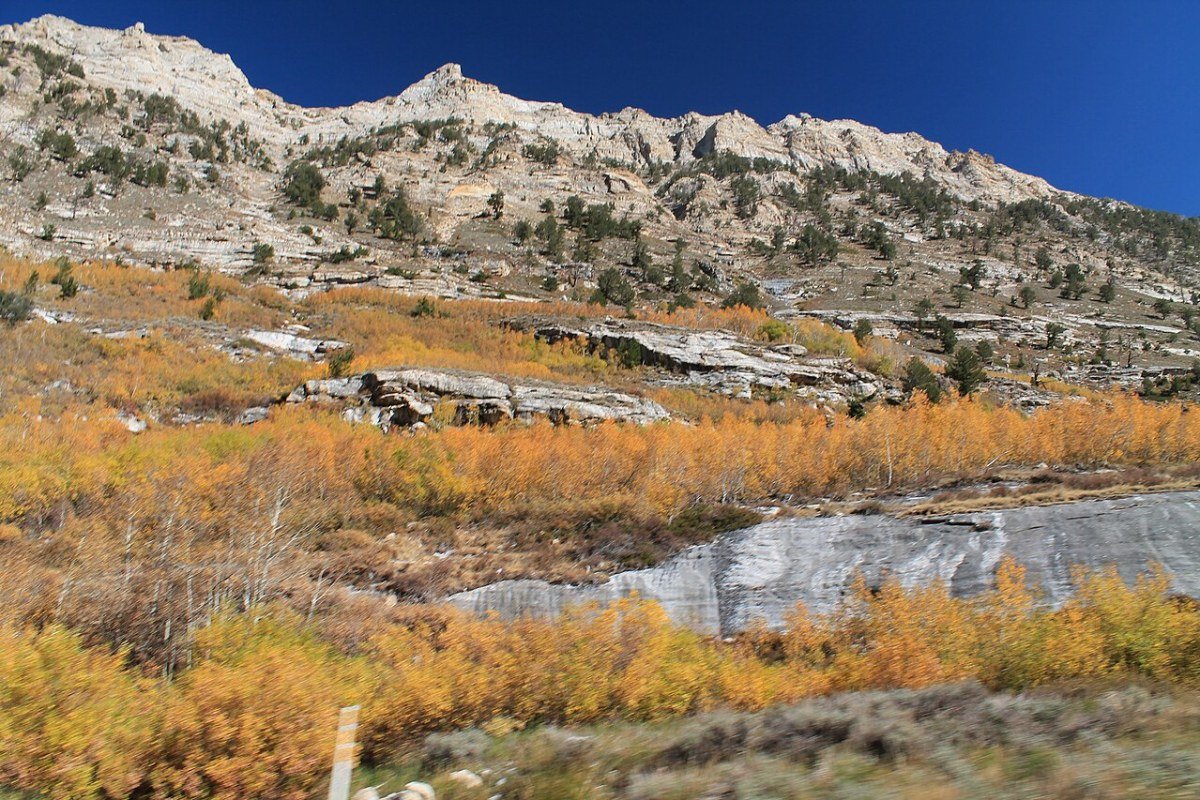
The Ruby Mountains in Elko County in northeastern Nevada — locally called “the Rubies” — are one of the great undiscovered alpine ranges in the American West, a fault-block mountain range that rises to 11,387 feet at Ruby Dome and contains 36-mile-long Ruby Lake National Wildlife Refuge (one of the most important waterfowl habitats in the Great Basin), stunning glacially carved cirques accessible via the Ruby Crest National Recreation Trail, and heli-skiing terrain operated by Ruby Mountains Heli-Experience that draws powder skiers from across the West. The Ruby Mountains Scenic Drive from Lamoille south to the Overland Lake trailhead provides access to terrain that receives fewer annual visitors than most Colorado fourteeners, despite comparable alpine quality. For Nevada residents willing to invest the drive from Las Vegas (5 hours) or Reno (4 hours), the Rubies provide genuine wilderness adventure without the crowds that define more famous western ranges.
Hoover Dam and the Colorado River
Hoover Dam, 35 miles southeast of Las Vegas on the Nevada-Arizona border, is one of the most significant engineering achievements in American history — a 726-foot concrete arch-gravity dam built between 1931 and 1936 that created Lake Mead and provided the Colorado River water and hydroelectric power that made the modern American Southwest possible. The dam receives 7 million visitors annually (making it one of the most visited attractions in the American West), with guided tours of the dam’s power generation facilities providing genuine insight into the scale of the construction achievement. The Black Canyon Water Trail below Hoover Dam — a guided or self-guided kayak journey through Black Canyon along the Colorado River — provides an outdoor counterpart to the dam tour, navigating through basalt canyon walls past natural hot springs that seep through the canyon walls.