Moving to the Yukon 2026: Relocation Guide for Canada’s Last Frontier
The Yukon attracts people who want something different — professionals who want meaningful work in a place where they matter, outdoor enthusiasts who want wilderness at their doorstep, people who’ve grown tired of the anonymity and congestion of major Canadian cities and want to live somewhere they know their neighbours and feel like a member of a community rather than a number in a population. The territory’s combination of road accessibility (unlike Nunavut or the most remote NWT communities), genuine wilderness character, strong employment market, and the engaged, adventurous population that northern territories tend to develop makes the Yukon one of Canada’s most compelling relocation destinations for those willing to trade urban amenity for a different and arguably richer quality of life.
Preparing for the Yukon Climate
Understanding the Yukon’s climate before you move is essential — the territory spans a wide range of climatic zones, but the southern Yukon (where most residents live) experiences a continental subarctic climate that tests the unprepared:
- Whitehorse winters (November–March): Average January temperatures of -18°C with extremes of -40°C+ on cold snaps. Whitehorse is drier and often sunnier than southern Canadian cities in winter — the clear continental air mass produces more winter sunshine than Vancouver or Ottawa, and residents consistently cite the winter sunshine as a major quality-of-life advantage. However, the cold is real: block heaters, winter tires, and appropriate cold-weather clothing are non-negotiable
- Whitehorse summers (May–August): Long, warm days with up to 20 hours of daylight in June. Average July highs of 21°C with occasional peaks of 28–30°C+. The midnight sun and long summer evenings are one of the Yukon’s most celebrated seasonal features — the light quality in the Yukon’s long subarctic summer evenings is exceptional, and the energy and outdoor activity of the community during summer has a particular Yukon character
- Fall (September–October): The Yukon’s fall is short and spectacularly coloured — the boreal forest turns in September, with gold birch, orange willow, and the distinctive purple-pink of the bearberry tundra creating a landscape that photographers travel from across the continent to capture. The first hard frosts come in late September; October can bring significant snow
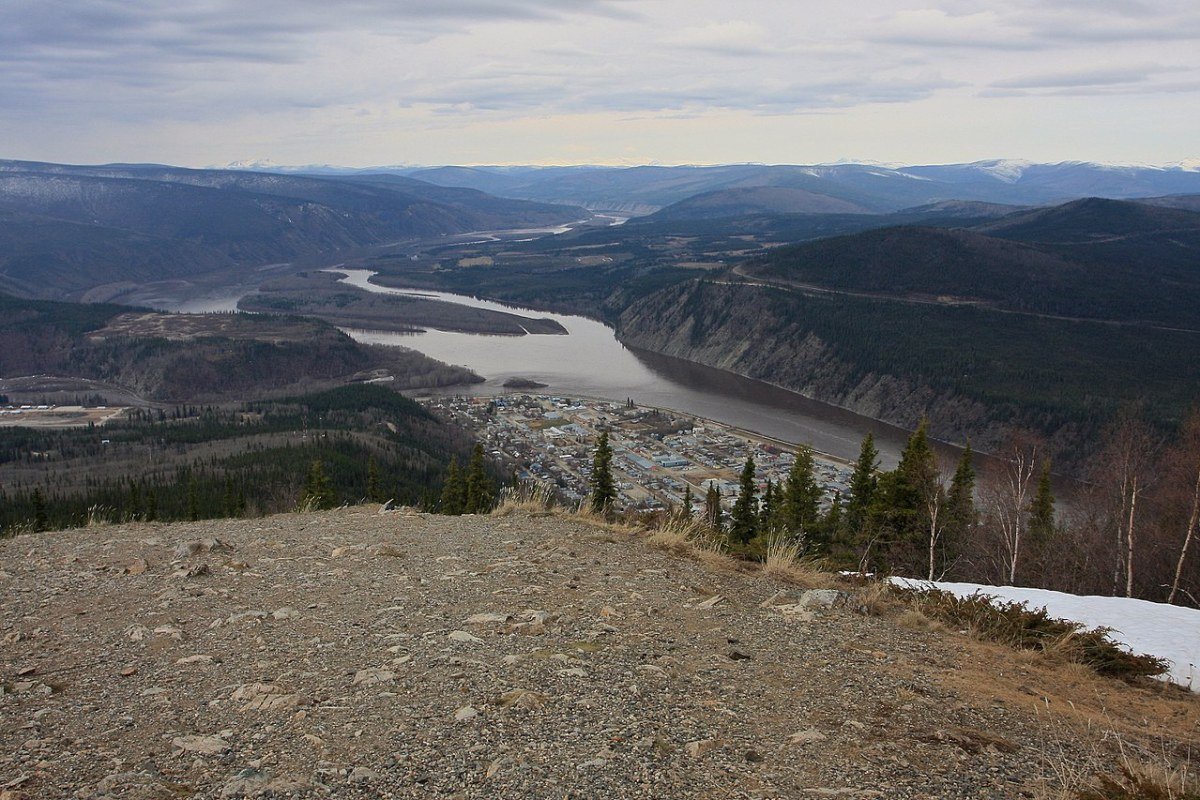
- Dawson City: Colder in winter (-45°C+ possible) and warmer in summer (32°C+ possible) than Whitehorse, reflecting its more continental interior location; the temperature extremes are a defining feature of Dawson’s character
Finding Employment in the Yukon
- Government of Yukon: The primary employer, recruiting across all professional fields. The GY jobs portal (jobs.yukon.ca) lists current openings; health, education, and public administration positions are available year-round. Positions in communities outside Whitehorse include northern allowances and sometimes housing assistance
- Mining sector: Gold, silver, and base metals mining provides significant private-sector employment. The Yukon’s mining industry includes operating mines (Victoria Gold’s Eagle Mine near Mayo, Hecla’s Keno Hill silver mine) and an active junior exploration sector with dozens of projects at various stages. Mining employment is recruited through company websites and Whitehorse employment agencies; fly-in/fly-out schedules allow workers to live in Whitehorse during off-rotation
- Outdoor tourism: The Yukon’s tourism industry (wilderness guiding, river outfitting, lodge operations, aurora viewing, adventure tourism) is one of the territory’s most important employment sectors. Positions are typically seasonal (May–September for summer tourism; December–March for aurora viewing and dog sledding winter tourism) but some year-round guiding and lodge management positions exist
- First Nations governments: Fourteen of Yukon’s 23 First Nations have signed self-government agreements and operate their own government services (education, health, social services, land management). These governments employ several hundred people across the territory and are particularly important employers in the smaller communities where they operate
- Vuntut Gwitchin First Nation: Notably, the Vuntut Gwitchin First Nation owns a 24.5% stake in Air North (Yukon’s Regional Airline), making the First Nation a significant equity partner in the territory’s primary airline — an example of the Yukon First Nations’ economic development sophistication

The Alaska Highway: Your Road In
The Alaska Highway (Highway 97 in BC, Alaska Highway in Yukon) is the road that connects most newcomers to their Yukon destination — 1,500km of two-lane highway from Dawson Creek, BC through Fort St. John, Fort Nelson, and Watson Lake to Whitehorse. Driving the Alaska Highway to begin your Yukon life is a rite of passage:
- Summer drive (May–September): The Alaska Highway in summer is a genuinely beautiful drive — the boreal forest and mountains of northern BC and southern Yukon, the wildlife (black bears, elk, bison near Fort Nelson), and the progressive increase in remoteness create a journey that begins the psychological transition to northern life before you arrive
- Winter drive: The highway is maintained year-round but winter driving requires preparation — winter tires, a roadside emergency kit (sleeping bag, food, jumper cables, tow rope), and the understanding that help may be hours away in some sections. The drive in winter is more demanding but has its own austere beauty
- Moving truck logistics: Most moving companies serve Whitehorse via the Alaska Highway; expect approximately double the southern Canadian moving rate per km due to the distance. The annual sealift option (used by NWT and Nunavut residents) is not applicable for the road-connected Yukon
Community Integration and Social Life
Whitehorse’s social scene is anchored by outdoor recreation — the Yukon Trail Alliance’s mountain bike and hiking network, the Whitehorse Cross Country Ski Club’s 100km+ groomed trail system, the Yukon River paddling community, and the climbing wall at the Canada Games Centre define a social infrastructure organized around physical activity in the natural environment. The city has a thriving arts and culture scene for its size — the Yukon Arts Centre’s performance programming, the MacBride Museum, the Old Fire Hall’s comedy and concert programming, and a dense calendar of outdoor events (the Yukon Quest International Sled Dog Race, the Yukon River Quest paddling race, the Klondike Road Relay) provide year-round community gathering points.
In Dawson City and the smaller communities, social life is organized around community institutions — the town hall, the community centre, the hockey rink, and the handful of restaurants and bars where the whole community gathers. The intimacy of small community life in the Yukon is both its challenge and its reward; the connections formed in a community of 2,000 have a depth and durability that urban acquaintanceships rarely achieve.
The advice most consistently offered by long-term Yukon residents to newcomers: get outside immediately, invest in proper equipment, say yes to community events, and give yourself the full first year before evaluating whether the territory is the right fit. Almost everyone who stays past the first winter — having learned to ski or snowshoe, having found their community, having seen the spring breakup and the summer midnight sun and the fall colours — would not trade the Yukon for anywhere else in Canada.