
Moving to South Carolina in 2026: Complete Relocation Guide
Moving to South Carolina has become one of the most common relocation decisions in the American Southeast — the state added more than 100,000 net new residents in 2023 alone, drawn by a combination of housing affordability relative to origin markets, a declining income tax trajectory, mild winters along the coast, and the quality of life that Charleston and Greenville have developed over the past decade. The administrative transition is straightforward, the communities are generally welcoming to newcomers (a long tradition of Southern hospitality that is genuine rather than performative), and the lifestyle adjustment for most households from the Northeast or Pacific Coast involves primarily climate adaptation — learning to appreciate the subtropics’ particular rhythms, understanding that summer is the season requiring the most indoor planning, and discovering the remarkable outdoor richness available from October through May.
Driver’s License and Vehicle Registration
- License window: 90 days from establishing South Carolina residency — one of the more generous windows in the country
- Required documents: Valid out-of-state license, passport or birth certificate + Social Security card, two SC residency documents (utility bill, bank statement, or lease)
- Tests required: Most transfers require only a vision test — no written or road test
- SC Real ID: Available — request specifically if needed for federal purposes (air travel)
- Vehicle registration: Must complete within 45 days through SCDMV — bring title, proof of insurance, and payment for registration fees and annual property tax
- Vehicle personal property tax: Vehicles subject to county personal property tax, typically 1.0–1.5% of assessed value annually
- No emissions testing required statewide
Understanding the Military Retirement Advantage
South Carolina exempts military retirement income entirely from state income tax — a significant financial advantage that has made the state one of the most popular military retirement destinations in the country. The state’s large military presence (Fort Jackson in Columbia, Marine Corps Air Station Beaufort, Shaw Air Force Base in Sumter, Joint Base Charleston) creates communities with well-developed services for military families and retirees, and the cultural familiarity of military community culture extends throughout the state in ways that make transition easier for veterans. The combination of military retirement income exemption, low property taxes, and coastal lifestyle access makes South Carolina arguably the most financially favorable state for military retirees on the East Coast.

Climate Preparation: Living With the Subtropics
- Summer heat and humidity: Charleston and the coastal Low Country average 90+ days above 90°F; Columbia’s inland position makes it even hotter. Air conditioning is not optional — it’s infrastructure
- Hurricane preparedness: The SC coast is in the Atlantic hurricane zone. Know your flood zone, have an evacuation plan, maintain 72-hour emergency supplies
- Palmetto bugs: The large cockroaches that are a fixture of coastal Southern life. Pest control is a standard household budget item, not an emergency
- Mild winters: The coastal regions rarely see freezing temperatures; the Upstate (Greenville, Spartanburg) experiences genuine winters with occasional ice storms
Finding Employment in South Carolina
- Manufacturing: BMW’s Spartanburg plant, Volvo’s Berkeley County facility, Boeing’s North Charleston 787 assembly — SC is a major advanced manufacturing state
- Healthcare: MUSC Health (Medical University of South Carolina) in Charleston, Prisma Health in Greenville/Columbia, Tidelands Health on the Grand Strand
- Technology: Charleston’s growing tech ecosystem, anchored by Google Cloud’s Southeast region data center and a growing startup community in the city’s NoMo and Upper King neighborhoods
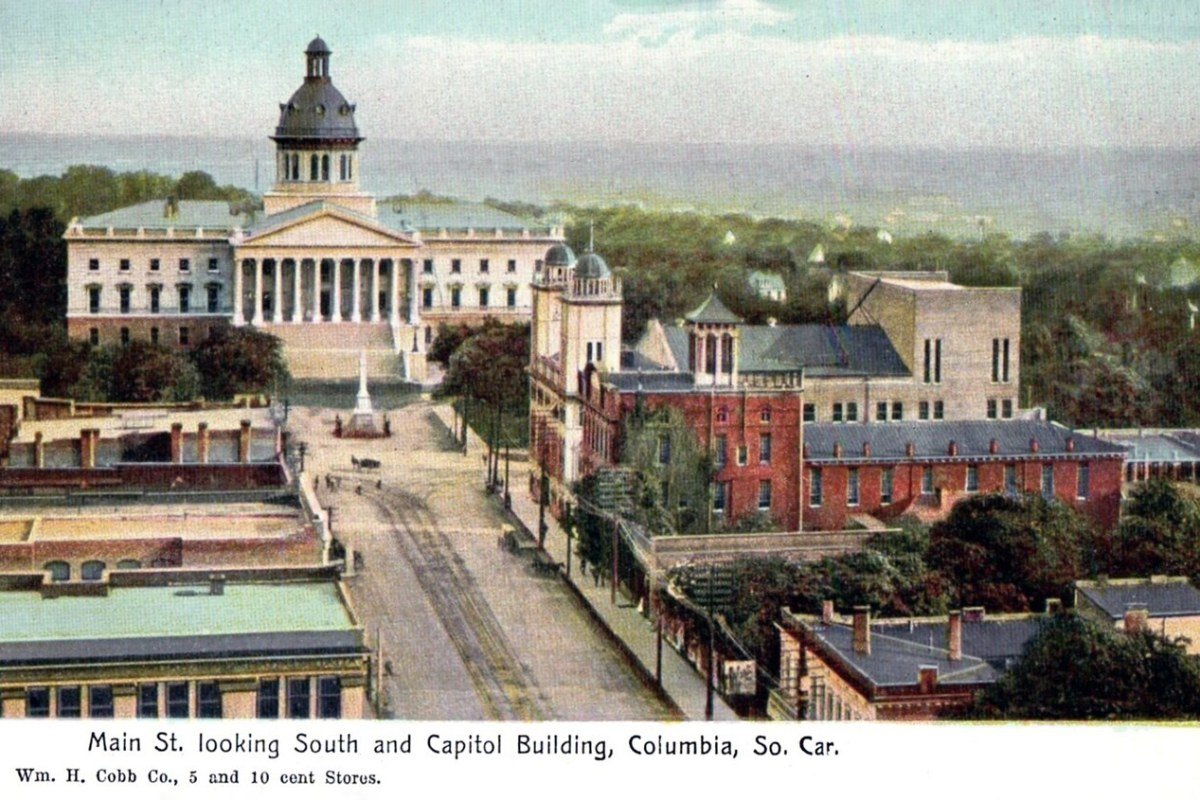
- Government and military: State government in Columbia, significant federal military presence statewide
- Tourism and hospitality: Major employer statewide, especially Grand Strand, Hilton Head, and Charleston
Schools and Education
South Carolina’s public school quality varies considerably by district. The strongest performers — Greenville County Schools, Fort Mill School District 4 (York County), and Lexington School District 1 — consistently rank among the state’s top systems and compare favorably with national standards. Charleston County School District serves a range of demographics with variable outcomes; the most desirable Charleston suburban schools (Wando High, Lucy Beckham High in Mount Pleasant) rank among the state’s strongest. The South Carolina Department of Education’s school report card system provides performance data by school.
Higher education is anchored by the University of South Carolina (Columbia, flagship research university), Clemson University (Clemson, engineering and agriculture focus), and the Medical University of South Carolina (Charleston). The College of Charleston provides a selective liberal arts education in one of the most beautiful small-city settings in the American South.
Cultural and Community Life
South Carolina’s cultural life is richer than most out-of-state residents expect. Charleston’s Spoleto Festival USA — a 17-day international performing arts festival each May/June, modeled on the Italian festival in Spoleto — brings opera, theater, dance, and chamber music to the city in a concentration of programming that rivals major metropolitan arts festivals. The Greenville Cultural Exchange, the South Carolina Philharmonic in Columbia, and the network of local arts organizations across the Upstate collectively provide cultural programming that exceeds what the state’s modest national profile suggests. The Gullah Geechee cultural heritage — the language, food, craft, and spiritual traditions of the African descendants of the sea island communities — is one of the most distinctive and underappreciated cultural inheritances in the American South, concentrated in the coastal communities between Wilmington, NC and Jacksonville, FL and most accessible to visitors and new residents in the Beaufort and Charleston areas.
Preparing for Your Move
The logistical side of relocating to South Carolina follows a familiar sequence regardless of where you are coming from: secure housing before or immediately after arrival, transfer any professional licenses if your occupation requires it, register your vehicle and update your driver’s licence within the timeframe required by local law (typically 30 to 90 days for new residents), and register to vote at your new address. Connecting with community organizations, sports clubs, neighborhood associations, or professional networks early in the process can dramatically accelerate the sense of belonging. In many parts of South Carolina that have grown rapidly over the past decade, a significant proportion of the population has relocated from elsewhere, which means that being new to the area is genuinely normal — and that the infrastructure for meeting people and building a life from scratch is well established.