
Cost of Living in Tasmania 2026: Hobart’s Rising Prices and Regional Affordability
Tasmania’s cost of living has undergone a fundamental transformation in the decade to 2026 — driven by the MONA effect, the tourism boom, remote working migration from mainland capitals, and a housing supply that simply cannot absorb demand at the rate required, Hobart has transitioned from Australia’s most affordable capital city to a market where median house prices have more than doubled in a decade and rental vacancy rates have at times fallen to levels that create genuine housing stress for lower-income residents. The honest picture for 2026 is a state in transition: Hobart is still substantially cheaper than Sydney, Melbourne, Brisbane, and Perth on housing, but the gap has narrowed sharply and the income-to-housing-cost ratio is more challenging than the raw price comparison suggests, because Tasmania’s wages remain among the lowest of any Australian state. For remote workers bringing mainland salaries, for retirees with capital from Melbourne or Sydney homes, and for visitors seeking a high-quality experience at manageable cost, Tasmania remains exceptional value. For Tasmanians working in the local economy, the affordability picture is more complex.
Tasmania Cost at a Glance 2026
- Hobart metro median dwelling price: AUD $580,000–$700,000 (houses)
- Inner Hobart (Battery Point, Sandy Bay, South Hobart): AUD $800,000–$1.3M
- Eastern Shore (Clarence, Rokeby, Howrah): AUD $500,000–$650,000
- Launceston median: AUD $400,000–$530,000
- Devonport and Burnie (north-west coast): AUD $280,000–$380,000
- Regional towns (Queenstown, Smithton, Scottsdale): AUD $180,000–$280,000
- Electricity costs: Tasmania has the lowest electricity costs of any Australian state due to Hydro Tasmania’s renewable hydroelectric generation; average household AUD $1,200–$1,800/year
Hobart Housing: The MONA Effect
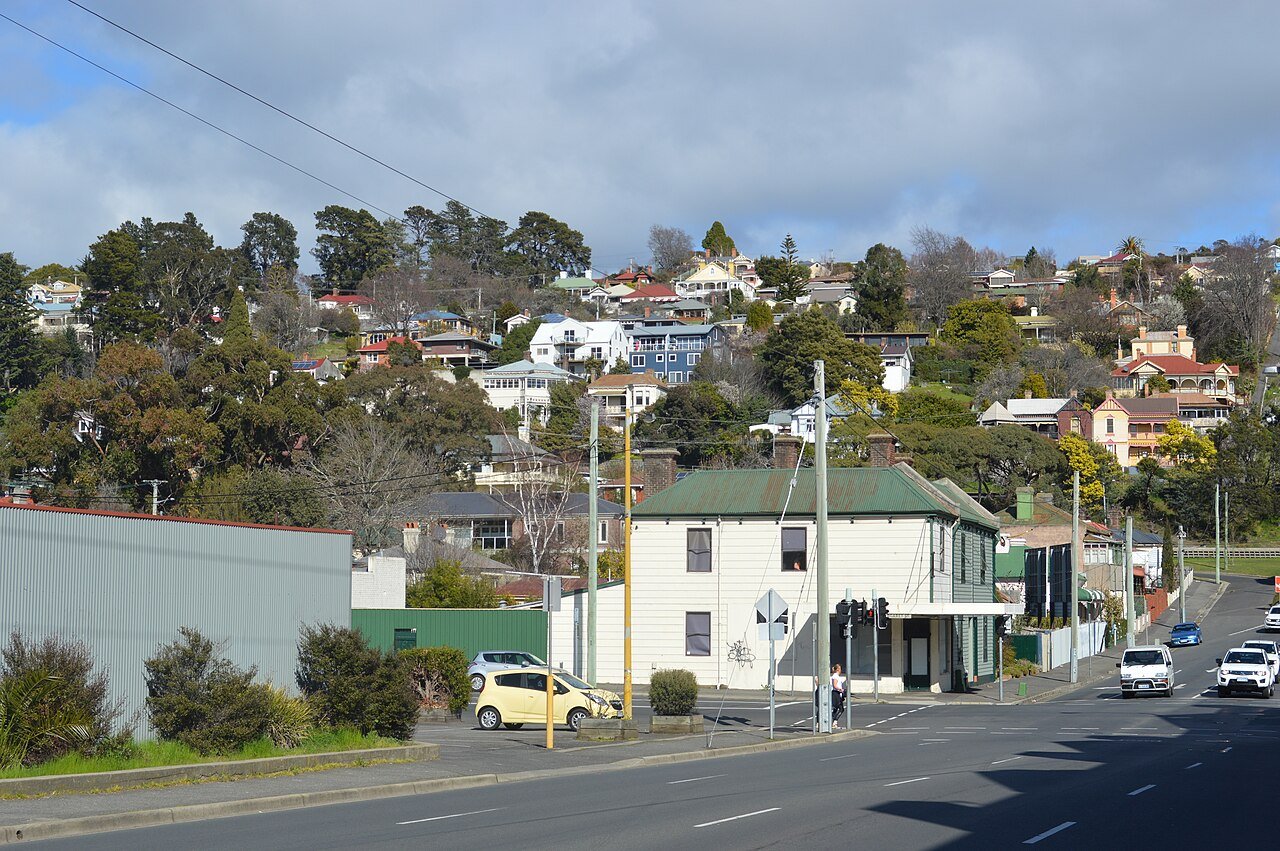
Hobart’s property market transformation has been dramatic by any measure — the city’s cultural renaissance (MONA from 2011, the Dark MOFO festival, the growing arts and food economy) coincided with the remote working migration of the COVID-19 period to create demand that overwhelmed the city’s housing supply. Inner Hobart’s Battery Point and South Hobart precincts now trade at prices that, while lower than comparable Melbourne neighbourhoods in absolute terms, represent a proportion of Tasmanian median income that rivals Sydney’s affordability crisis. The practical Hobart housing landscape for 2026:
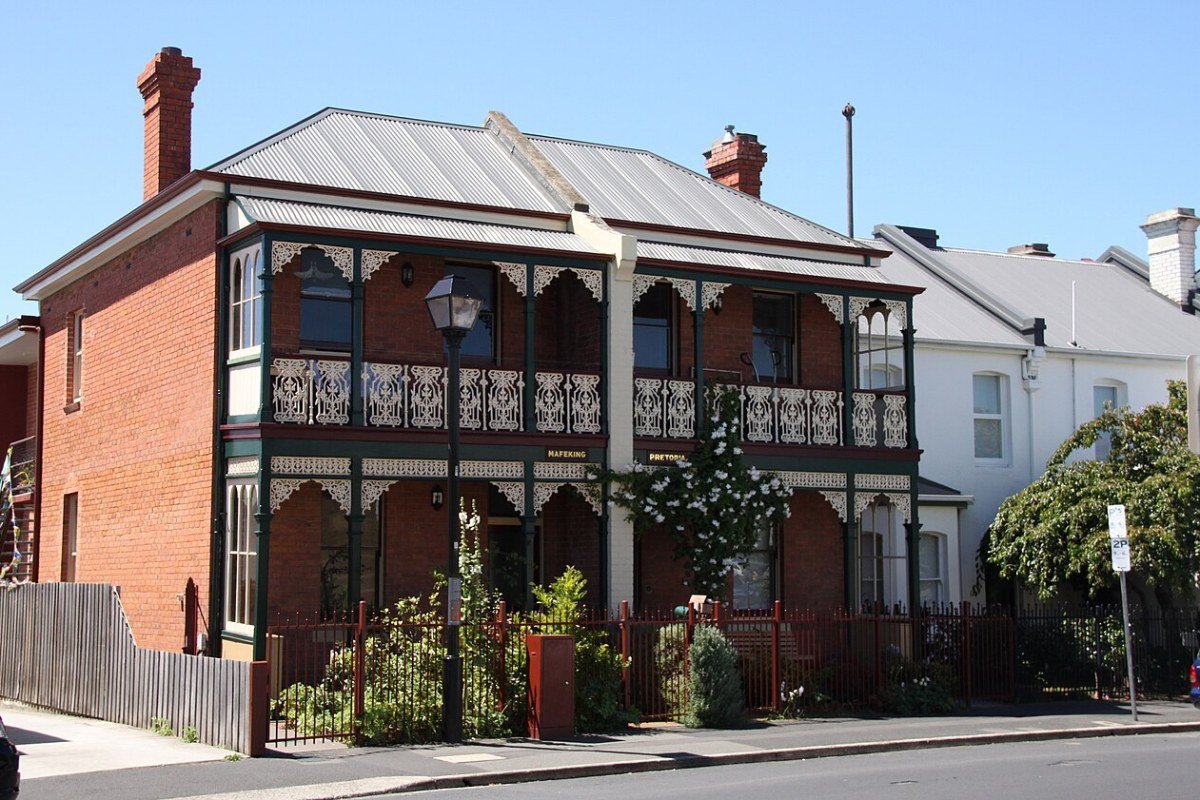
- Battery Point and Sandy Bay: The most prestigious inner Hobart addresses; Georgian and Victorian architecture on steep hillside streets above the Derwent; median AUD $900,000–$1.3M; the Hobart equivalent of Sydney’s Balmain or Melbourne’s Fitzroy
- South Hobart and Mount Stuart: Walkable inner suburbs south and east of the CBD; character housing, independent cafés, proximity to kunanyi/Mount Wellington’s walking tracks; AUD $700,000–$1.0M
- Glenorchy and Moonah (inner north): The inner northern corridor is Hobart’s transitional zone — formerly working-class industrial suburbs now attracting younger buyers priced out of the inner south; AUD $500,000–$680,000; improving café and retail amenity
- Eastern Shore (Bellerive, Howrah, Lindisfarne): The Derwent’s eastern bank, connected to the CBD by the Bowen Bridge and the Tasman Bridge; affordable family suburbs with waterfront access; AUD $500,000–$680,000
- Kingston and Blackmans Bay: Coastal southern corridor, 20 minutes from the CBD; Channel Highway strip, Kingston Beach, and the Kingborough municipality’s green hills; AUD $550,000–$720,000

Electricity: Tasmania’s Renewable Advantage
Tasmania’s hydroelectric system — the largest renewable energy generation network in Australia, operated by Hydro Tasmania from the island’s central highland lakes — gives the state consistently the lowest residential electricity prices in Australia. The practical advantages for households:
- Baseline cost: Aurora Energy’s standard residential tariff produces average household costs of AUD $1,200–$1,800/year — 30–50% below South Australia, Victoria, and New South Wales averages
- Electric heating viability: In Tasmania’s cool climate (Hobart’s winter temperatures regularly fall to 2–5°C at night), the low electricity cost makes reverse-cycle heat pump heating economically competitive with gas and wood heating alternatives
- Battery interconnector (Marinus Link): The proposed second Bass Strait interconnector between Tasmania and Victoria will eventually allow Tasmania to export renewable energy to the mainland, with potential implications for Tasmania’s electricity pricing and generation investment
Food and Dining: Extraordinary Value
Tasmania’s food culture consistently overachieves relative to its population size — the combination of extraordinary raw produce (Pacific oysters from the Huon and D’Entrecasteaux Channel, Atlantic salmon from the Tasman Sea aquaculture farms, cool-climate vegetables, Tasmanian Wagyu and grass-fed beef, Bruny Island cheese, and the cherry and apple orchards of the Huon Valley) with a restaurant community built around that produce creates a dining experience that visitors from Sydney and Melbourne consistently rate as superior value:
- Salamanca Place restaurants: The Salamanca precinct’s dining strip (Remi, Peacock and Jones, the Drunken Admiral) provides Hobart’s most concentrated restaurant experience; dinner for two AUD $80–$140 at quality mid-range restaurants
- Fish Frenzy and the waterfront: Constitution Dock’s fish punts (floating fish stalls selling fish and chips, scallop pies, and fresh seafood) provide the most affordable quality seafood in any Australian capital
- Get Shucked (Bruny Island): The most celebrated oyster bar in Tasmania; Pacific oysters shucked fresh at the shed on South Bruny Island; the two-hour drive from Hobart plus the Kettering ferry is the standard oyster pilgrimage for Hobart residents
- Grocery costs: Tasmania has higher grocery costs than the mainland for some processed goods (due to Bass Strait freight costs) but lower costs for fresh produce, seafood, and dairy from local producers; the overall grocery spend is broadly comparable to the mainland
Regional Tasmania: Value That Stuns
Outside Hobart, Tasmania’s regional property market provides affordability that is almost impossible to reconcile with the quality of landscape and community on offer. Launceston’s median house price of AUD $400,000–$530,000 provides a genuinely liveable regional city with the Cataract Gorge, the Tamar Valley wine region, and excellent connectivity to both Hobart and the wilderness parks. The north-west coast towns (Devonport, Burnie, Ulverstone) at AUD $280,000–$380,000 provide working-class regional towns with strong community character and immediate access to the Cradle Mountain and Walls of Jerusalem national parks. For households with income not tied to Tasmania’s local economy — remote workers, retirees, online business owners — the regional affordability equation is extraordinary.