Delaware: Small State, Surprising Depth
Delaware is the second-smallest state in the United States and, by a wide margin, the least visited — yet for residents of the Mid-Atlantic region it works hard as a summer destination, a tax-free shopping haven, and a reservoir of American colonial and industrial history that most visitors overlook. The First State earned its nickname by ratifying the US Constitution first, in 1787, and it carries an identity worth slowing down for once you look past its small size and easy-to-drive-through geography.
The pairing of fine beaches, the extraordinary DuPont estate museums in the Brandywine Valley, and the depth of New Castle’s Colonial district makes the state more rewarding than most travelers expect. The absence of sales tax — Delaware is one of five states that charge none — adds a practical edge that has turned its outlet mall near Rehoboth Beach and its Wilmington retail district into real destinations.
Rehoboth Beach: The Nation’s Summer Capital
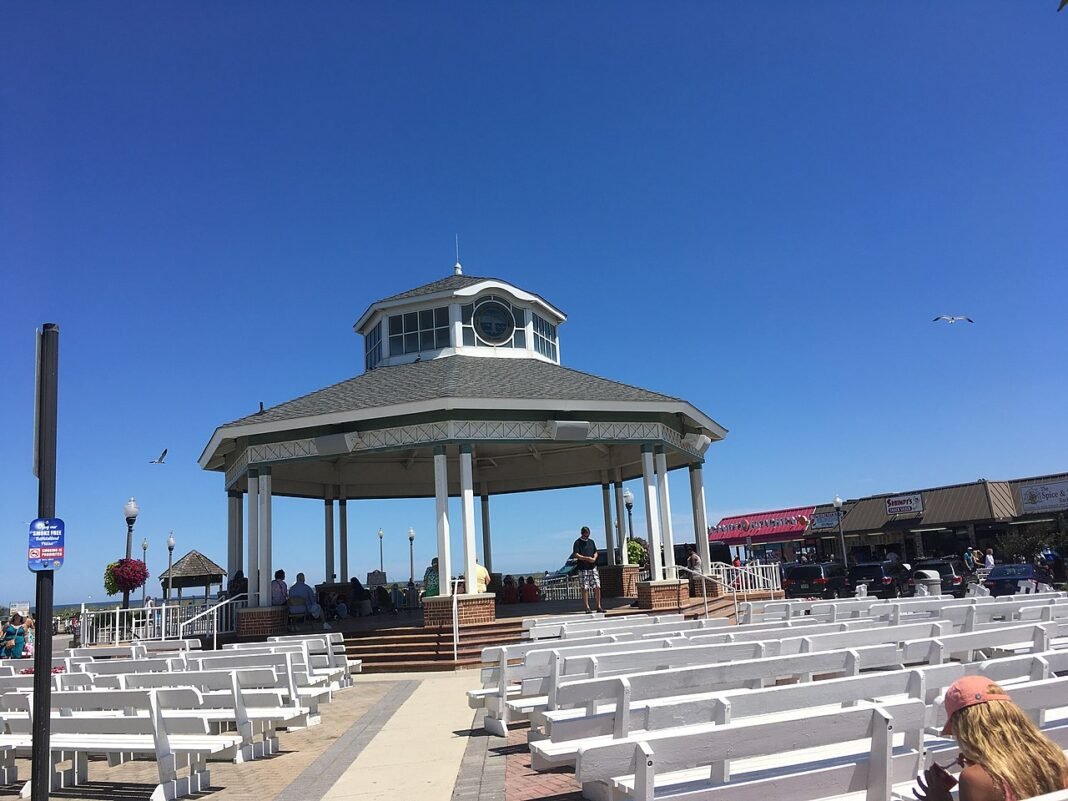
Rehoboth Beach has carried the “Nation’s Summer Capital” tag since the 19th century, when Washington DC politicians and bureaucrats began summering here in numbers large enough to make it the default escape for official Washington. The label fits for a simple reason: the town sits roughly 3 hours from DC, 2.5 hours from Baltimore, and 2.5 hours from Philadelphia, close enough for extended weekends, with a long, wide sand beach, a wooden boardwalk, a strong restaurant lineup, and a community that has grown to welcome families, couples, and LGBTQ+ visitors with the same easy warmth.

The boardwalk runs one mile of old-fashioned beach promenade, lined with fudge shops, ice cream stands, pizza and caramel-corn vendors, and the arcade games and carnival rides that have defined the Delaware shore for generations of Mid-Atlantic families. Funland, an amusement park on the boardwalk that has run since 1962, remains a local fixture, its smaller rides built for the youngest end of the beach-vacation crowd.

Step off the boardwalk and Rehoboth’s dining ranks among the best on the Delmarva Peninsula. The string of restaurants reaching from the sand into town covers every price point, from chef-driven kitchens to Grotto Pizza (a Delaware mainstay since 1960) and Dolle’s saltwater taffy (a Rehoboth fixture since 1927).
Lewes and Cape Henlopen
Lewes — “the First Town in the First State,” settled by the Dutch in 1631 — guards the northern approach to the shore with a temperament unlike its busier neighbor: quieter, more historically minded, with a walkable district of 18th- and 19th-century homes and a working harbor where the Cape May-Lewes Ferry crosses Delaware Bay to New Jersey.
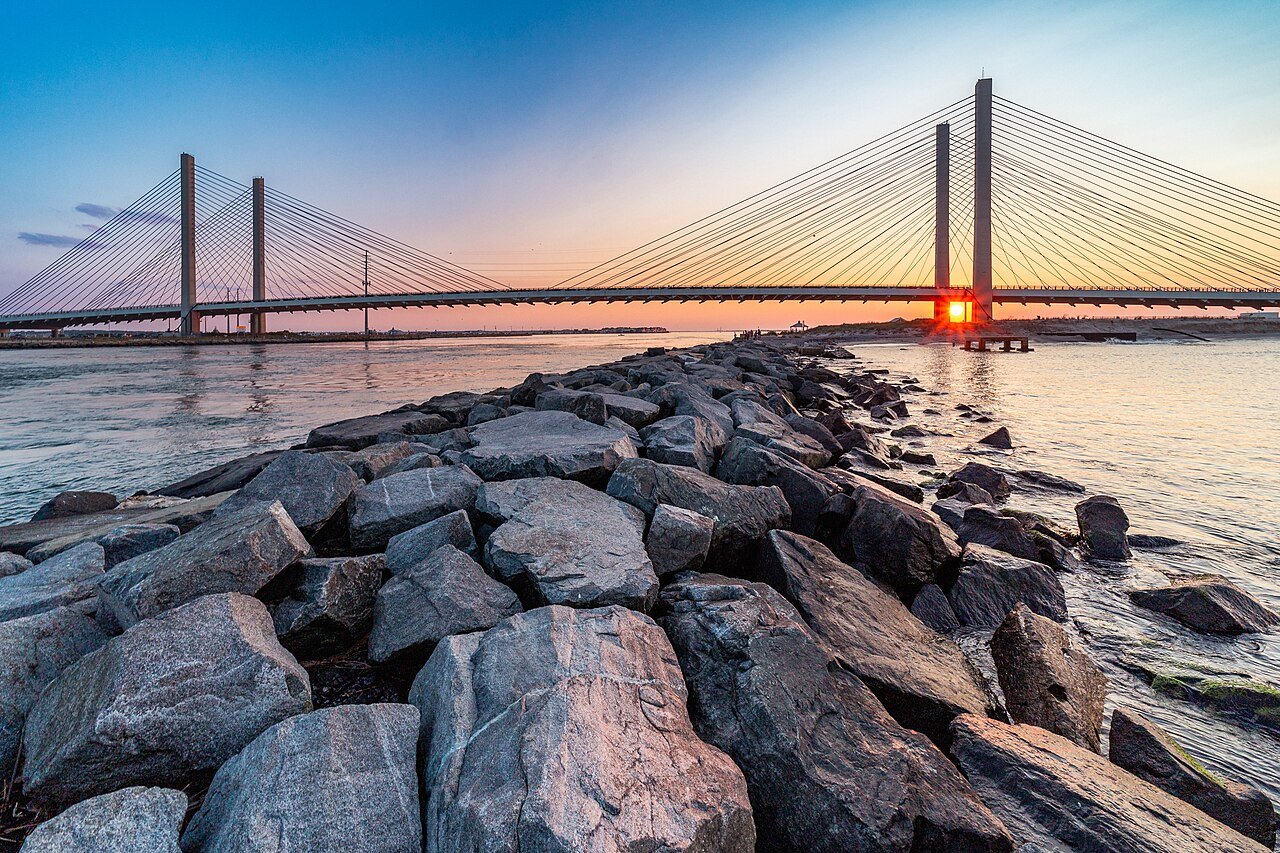
Cape Henlopen State Park spreads over 5,000 acres of dunes, maritime forest, and Atlantic beach at the mouth of Delaware Bay, and it ranks among the finest state parks on the coast. Its “walking dunes” creep slowly across the landscape, the Great Dune climbs 80 feet above the surrounding terrain, and the beach at the southern end stays first-rate while drawing fewer crowds than Rehoboth and Dewey Beach below it. The remains of Fort Miles, a World War II coastal defense installation, are open for guided tours.
The Brandywine Valley: Delaware’s Cultural Crown
The Brandywine Valley straddles the Delaware-Pennsylvania border northwest of Wilmington, and it may hold the densest cluster of historic estates and major museums per square mile of any rural area in the country. The DuPont family’s fortune, built on an explosives and chemical empire, went into a run of estate gardens and art collections that have since opened to the public as institutions of real international weight.
Winterthur Museum, Garden and Library was Henry Francis du Pont’s estate — a 175-room country house holding the finest collection of American decorative arts in the world, spanning 1640 to 1860. The grounds take in 60 acres of naturalistic garden that du Pont laid out himself, planted to bloom in sequence from late February through fall. Longwood Gardens, eight miles away across the Pennsylvania line, covers 1,100 acres of formal and naturalistic design and shelters one of the largest greenhouse conservatories in the United States.

The Brandywine River Museum of Art in Chadds Ford, just over the Pennsylvania border, holds the definitive collection of work by three generations of the Wyeth family — N.C., Andrew, and Jamie — inside a restored 19th-century gristmill. Dozens of Andrew Wyeth’s most important paintings hang here, which makes it an essential stop for anyone drawn to 20th-century American realism.
Historic New Castle
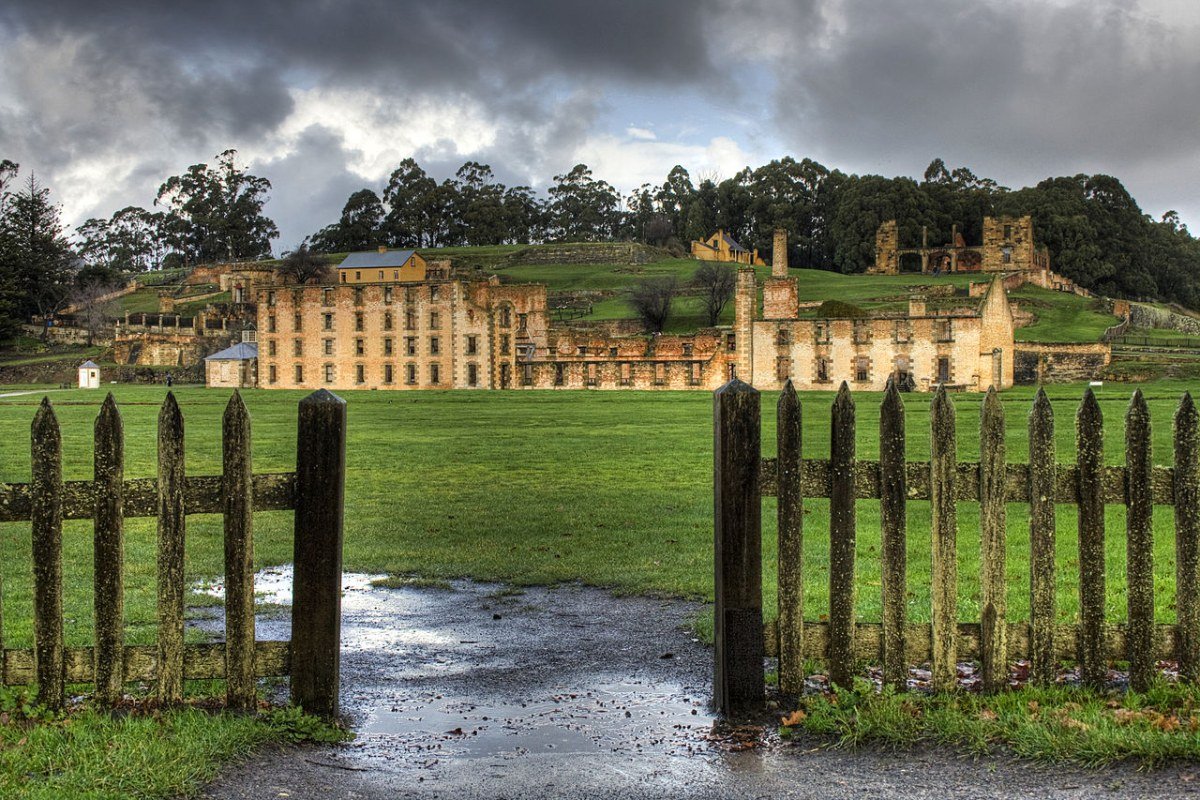
New Castle is the best-preserved Colonial-era town in Delaware, a grid of 17th- and 18th-century buildings on the bank of the Delaware River that served as the colony’s original capital before the government moved to Dover in 1777. The New Castle Court House Museum (the oldest surviving courthouse in the state, dating to 1732), the Dutch House (circa 1700), the Old Library Museum, and the historic green and burying ground together preserve a strikingly intact picture of early American civic life — moving for anyone with an interest in the country’s founding years.
The town stages historical reenactments and a sizable “A Day in Old New Castle” event each May, drawing living-history interpreters from across the region. Walking the cobbled streets on a quiet weekday, once the tourist pressure eases, is one of the state’s most atmospheric experiences.
Planning Your Delaware Trip
Timing shapes a Delaware visit more than most travelers expect. The beach season runs Memorial Day through Labor Day, when Rehoboth and the southern coast hit full capacity — boardwalk lights, packed restaurants, weekend traffic on Route 1. The shoulder seasons of May, September, and early October deliver the same shoreline with thinner crowds and milder temperatures, and they line up with the best window in the Brandywine Valley, where Winterthur and Longwood are tuned for sequential bloom from late February through fall, with spring azaleas and fall foliage as the headline acts. For a balanced first visit, pair two days in Rehoboth and Cape Henlopen with two days in the Brandywine corridor and a half-day in Historic New Castle — a four-day itinerary that runs the full spectrum, from Atlantic sand to du Pont estate to colonial cobblestone. The no-sales-tax status is a quiet bonus that pays for itself at the Tanger outlets outside Rehoboth.
Frequently Asked Questions
Why is Rehoboth Beach called the “Nation’s Summer Capital”?
Rehoboth Beach picked up the nickname in the 19th century, when Washington DC politicians and bureaucrats began summering here in large enough numbers to make it the default escape for official Washington. The title holds up for practical reasons: roughly 3 hours from DC, 2.5 hours from both Baltimore and Philadelphia, the town offers a long, wide sand beach, a one-mile wooden boardwalk, and a dining scene that ranks among the best on the Delmarva Peninsula. Funland, an amusement park on the boardwalk running since 1962, is a local fixture. Grotto Pizza (since 1960) and Dolle’s saltwater taffy (since 1927) are beloved constants. Delaware’s no-sales-tax status adds a shopping incentive for visitors from neighboring states.
What is Cape Henlopen State Park and why is it Delaware’s best outdoor destination?
Cape Henlopen State Park covers more than 5,000 acres at the mouth of Delaware Bay where it meets the Atlantic Ocean — dune fields, maritime forest, freshwater ponds, Atlantic beach, and the preserved remains of World War II Fort Miles. The Great Dune climbs 80 feet above the surrounding terrain and opens up panoramic views of both the ocean and the bay. The beach stays first-rate and draws fewer crowds than Rehoboth and Dewey Beach to the south. A 6-mile cycling trail system, a fishing pier among the most productive on the Delaware coast, swimming, and Fort Miles guided tours (covering original gun batteries, observation towers, and fire control stations) make it a true multi-activity park. Adjacent Lewes — Delaware’s oldest town, settled by the Dutch in 1631 — and the Cape May-Lewes Ferry link to New Jersey round out the visit.
What makes the Brandywine Valley the cultural highlight of Delaware?
The Brandywine Valley, straddling the Delaware-Pennsylvania border northwest of Wilmington, may hold the densest cluster of historic estates and major museums per square mile of any rural area in the country, the result of DuPont family investment over generations. Winterthur Museum was Henry Francis du Pont’s 175-room country house, home to the finest collection of American decorative arts in the world (1640–1860), surrounded by 60 acres of naturalistic garden timed for sequential bloom from February through fall. Longwood Gardens (eight miles away in Pennsylvania) spans 1,100 acres of formal and naturalistic design and holds one of the largest greenhouse conservatories in the United States. The Brandywine River Museum of Art in Chadds Ford houses the definitive collection of three generations of the Wyeth family — N.C., Andrew, and Jamie.
What is Historic New Castle and what can visitors expect?
New Castle is the best-preserved Colonial-era town in Delaware — a grid of 17th- and 18th-century buildings on the Delaware River bank that served as the colony’s capital before the government moved to Dover in 1777. The New Castle Court House Museum (the oldest surviving courthouse in the state, built 1732), the Dutch House (circa 1700, one of the oldest houses in Delaware), and the historic green and burying ground preserve a strikingly intact picture of early American civic life. The “Day in Old New Castle” event each May draws living-history interpreters for reenactments. Walking the cobbled streets on a quiet weekday — once tourist pressure eases — is one of the state’s most atmospheric experiences. The site is 20 minutes from Wilmington and often paired with a Brandywine Valley day.
What are Delaware’s practical travel advantages compared to neighboring states?
Delaware is one of five US states with no sales tax — a practical advantage that has made its shopping destinations (the Tanger Outlets at Rehoboth Beach, Christiana Mall near Wilmington) genuine draws for residents of Maryland, Pennsylvania, and New Jersey. The state has no inheritance tax and unusually favorable corporate laws (more than 60% of Fortune 500 companies are legally incorporated here). For retirees, Delaware offers attractive terms: no state tax on Social Security benefits, low property taxes, and a modest pension exclusion. Its position between Washington DC (3 hours), Baltimore (2.5 hours), and Philadelphia (2.5 hours) makes the Delaware beaches the most accessible Atlantic-coast destination for the entire Mid-Atlantic corridor.