
Best Places to Live in Victoria 2026: Melbourne Neighbourhoods, Geelong, and Regional Victoria
Victoria’s residential landscape is more Melbourne-centric than any other Australian state — the capital city contains 75% of the state’s 6.7 million residents, and most of the state’s employment, cultural institutions, and major services are concentrated in the Melbourne metropolitan area. But the regional alternatives have developed significantly over the past decade: Geelong has become a genuine city rather than a Melbourne satellite; Ballarat and Bendigo have leveraged their goldfields heritage and regional university anchors into more diverse economies; and the Surf Coast, Mornington Peninsula, and Yarra Valley communities have matured into year-round residential destinations rather than seasonal retreats. The choice of where to live in Victoria is ultimately a question of how much Melbourne you need, and how much you’re willing to pay for the proximity.
1. Fitzroy and Collingwood: Melbourne’s Creative Heart
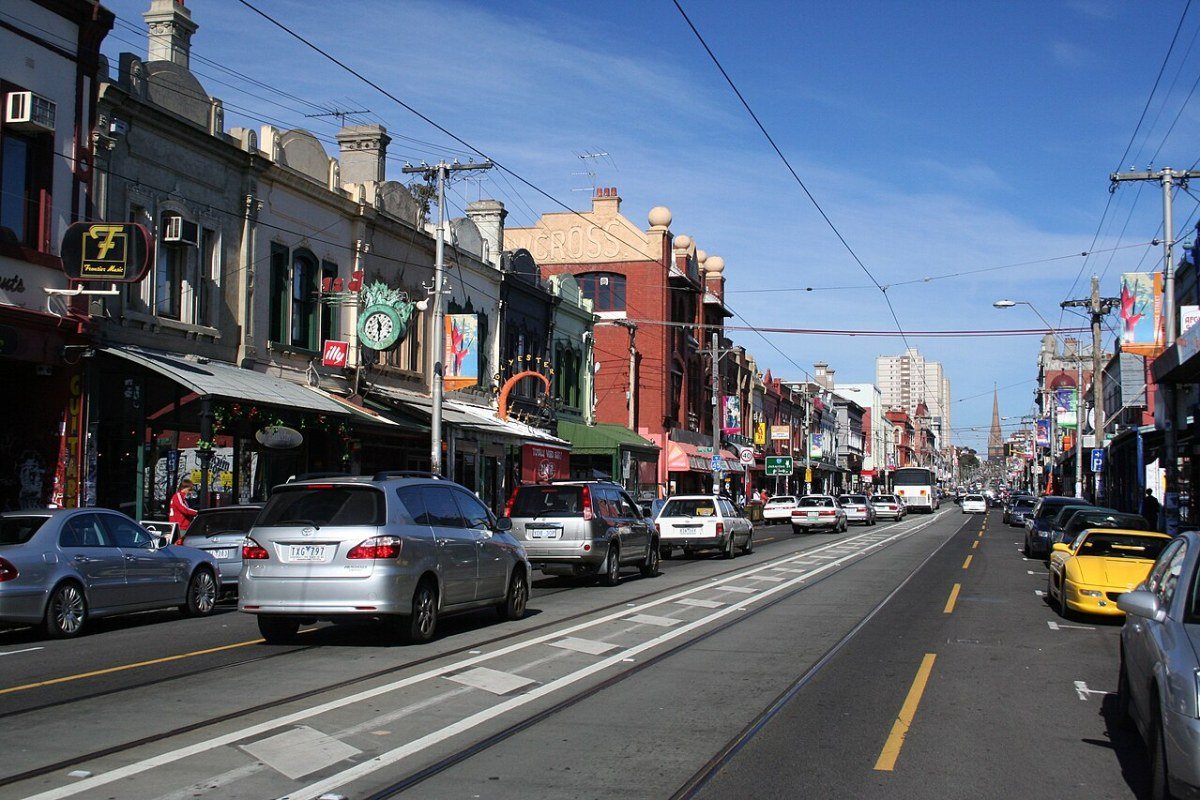
Fitzroy and its neighbour Collingwood, just 2–3km north of the Melbourne CBD, represent Melbourne’s most creative and culturally active residential precincts — Victorian terraces on streets lined with independent bookstores, galleries, restaurants, and bars that have defined Melbourne’s inner-city character for three decades. Smith Street (the “gentrification corridor” that sparked Melbourne’s hospitality revolution) and Brunswick Street (Fitzroy’s commercial heart, every second building a café or restaurant) provide the commercial density that makes the neighbourhood self-sufficient for daily life. The Fitzroy Gardens (Captain Cook’s Cottage, the fairy tree, the conservatory) and the Edinburgh Gardens provide green space within the suburb. Housing in the Victorian terraces runs AUD $1.5M–$2.5M; apartment options exist from AUD $600,000–$900,000 in the converted warehouse buildings along Johnston Street.

2. St Kilda and Elwood: Bay Side Character
St Kilda, on Port Phillip Bay 6km from the CBD, is Melbourne’s most iconic inner bayside suburb — the Esplanade and Acland Street café and cake shop strip, the Luna Park amusement park (operating since 1912), the St Kilda Pier’s penguin colony, and a residential market that mixes grand art deco apartments with Victorian terraces. The suburb’s character is the most genuinely diverse in inner Melbourne — the Barkly Street precinct, the Fitzroy Street restaurant strip, and the beach foreshore create distinct micro-environments within a single suburb. The adjacent Elwood provides a quieter alternative at similar price points. Housing in St Kilda runs AUD $1.2M–$2M for terraces; the art deco apartment stock provides more accessible entry points at AUD $500,000–$800,000.
3. Geelong Waterfront: Victoria’s Coastal Alternative
Geelong’s waterfront precinct — the Cunningham Pier restaurant and hotel, the Steampacket Gardens, the city’s Eastern Beach swimming area, and the promenade stretching towards Rippleside — has become the residential address that attracts Melbourne’s price-sensitive professional class seeking bay lifestyle without bay prices. The Newtown and East Geelong suburbs provide the most desirable residential character inland from the waterfront; the Geelong West and Manifold Heights provide more affordable access to the same quality of life. The V/Line train connection (1 hour 10 minutes to Melbourne Southern Cross) is frequent and reliable. Geelong’s median of AUD $590,000–$680,000 makes it the best Melbourne-accessible lifestyle value in Victoria.
4. Surf Coast: Torquay to Lorne
The Surf Coast communities between Torquay and Lorne, along the beginning of the Great Ocean Road, have developed from weekend holiday destinations into permanent residential communities for households seeking the surf and outdoor lifestyle as a daily reality rather than an annual event. Torquay (Rip Curl and Quiksilver HQ, Bells Beach) is the most residential; Anglesea (behind the golf course where kangaroos share the fairways) is the most family-oriented; Lorne (120km from Melbourne, the most beautiful township on the Great Ocean Road) is the aspirational premium. Median prices AUD $850,000–$1.3M reflect the coastal premium.
5. Daylesford: Wellness and Wine Country
Daylesford, in the Central Highlands 1.5 hours from Melbourne, is Victoria’s most distinctive alternative lifestyle community — a town of 4,000 built around the mineral springs, day spas, and weekend food culture that has made it Australia’s “spa and wellness capital.” The Wombat Hill Botanic Gardens overlook the town; the Farmers Arms Hotel and Lake House restaurant provide the hospitality anchors; the Hepburn Bathhouse & Spa at Mineral Springs Reserve provides the wellness infrastructure. A thriving arts community, a Sunday market, and the Daylesford Macedon wine region complete the picture. Median house prices AUD $700,000–$900,000 reflect the growing demand from Melbourne weekenders converting to permanent residents.
6. Mornington Peninsula: Coastal and Wine Country Living
The Mornington Peninsula, the narrow strip of land between Port Phillip Bay and Western Port Bay 60–90km south of Melbourne, has developed from a weekend holiday destination into a permanent residential community — particularly in the townships of Mornington, Mount Martha, Dromana, Red Hill, and Sorrento. The peninsula’s combination of bay beaches (calm and family-friendly on the Port Phillip side), ocean beaches (Rye, Sorrento, and Portsea on the Bass Strait side), the Peninsula Hot Springs (Australia’s largest thermal bathing destination), and the 200+ winery wine region producing acclaimed Pinot Noir and Chardonnay provides the complete coastal-rural lifestyle within 90 minutes of Melbourne’s CBD. The Mornington Peninsula Freeway (Eastlink connection) has made commuting viable for households willing to drive 50–70 minutes on work-from-office days. Median prices AUD $900,000–$1.4M for established townships; coastal premium properties on the ocean side significantly higher.
Making Your Decision
Choosing where to live in Victoria comes down to honestly matching your priorities with what each city and community genuinely delivers. Budget, career opportunities, access to outdoor recreation, climate preferences, and community character all weigh differently depending on your life stage and values — and no ranking can substitute for that personal assessment. The cities and towns profiled in this guide represent the strongest overall options, but Victoria has smaller communities that offer compelling alternatives for those willing to trade urban convenience for affordability, quieter living, or closer access to natural landscapes. If possible, spend at least a long weekend in your shortlisted communities before committing — the practical factors matter enormously, but so does the less quantifiable sense of whether a place simply feels right for where you are in life.