Best Places to Live in New South Wales 2026: Sydney, Newcastle, and the Regional Centres
New South Wales’s residential landscape spans the full spectrum of Australian living — from the dense, expensive, harbour-view apartments of Sydney’s inner suburbs to the small farming towns of the central plains where AUD $400,000 buys a four-bedroom house on a full block. The state’s best places to live are determined primarily by the employment access versus housing cost trade-off that defines most major decisions in contemporary Australia: proximity to Sydney’s job market commands Sydney prices; distance from Sydney provides affordability but requires either remote work capability or employment in the regional economy. The sea change and tree change movements — Australians relocating from capital cities to coastal and inland regional towns — have reshaped communities from Byron Bay to Orange over the past decade, bringing new commercial vitality and, in some cases, pricing out the communities that attracted the original relocators.
1. Inner West Sydney: Newtown and Surry Hills
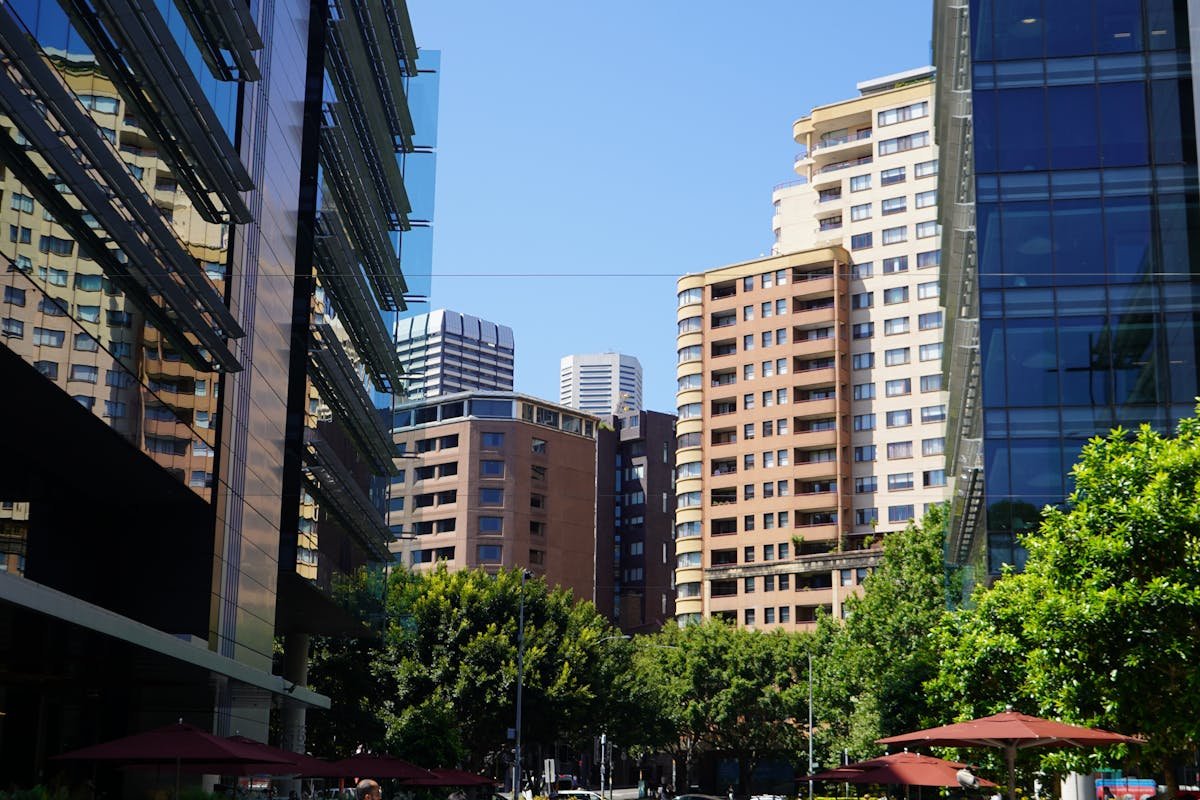
The Inner West suburbs — Newtown, Glebe, Leichhardt, Marrickville, and Balmain — represent Sydney’s most culturally vibrant residential precincts, concentrated within 4–8km of the CBD and accessible by train, bus, and (in some cases) ferry. Newtown’s King Street is Australia’s most diverse restaurant strip, with cuisines from every inhabited continent represented in a 2km stretch; Surry Hills and Darlinghurst (technically Eastern Suburbs) provide the city’s most concentrated independent food and creative industries culture. The terrace house (Victorian-era attached housing) is the dominant residential form, renovated to 21st-century standard and priced accordingly: AUD $1.5M–$2.5M for a two-to-three-bedroom terrace in Newtown or Balmain, with the Glebe and Leichhardt side streets providing modest entry-level access at AUD $1.1M–$1.5M.
2. Newcastle: The Sea Change Capital
Newcastle has become New South Wales’s most compelling Sydney alternative — a coastal city of 320,000 with a revitalized CBD (the Hunter Street pedestrianization, the Newcastle Art Gallery’s expansion, the East End’s food and bar precinct), the best surf beaches in the state outside of Byron Bay (Merewether, Bar Beach, Nobby’s), and a university anchor (University of Newcastle, 27,000+ students) that sustains the city’s intellectual energy. The Cooks Hill and Hamilton South neighbourhoods provide the most walkable residential character within reach of the beach; the Merewether and Adamstown communities provide family-oriented suburban amenity. The Hunter Valley’s wine and food culture is 45 minutes away; Sydney is 2 hours by train. Median prices of AUD $680,000–$780,000 have appreciated significantly from the pre-pandemic baseline but remain competitive with comparable coastal cities globally.
3. Northern Rivers: Byron Bay and Surrounds
The Northern Rivers region — Byron Bay, Ballina, Lennox Head, Bangalow, Lismore, and Mullumbimby — has been transformed by the pandemic sea change migration into one of the most expensive regional residential markets in Australia. Byron Bay’s median price has exceeded AUD $1.5M (comparable to inner Sydney), driven by the combination of celebrity residents, boutique tourism infrastructure, and a lifestyle reputation that commands a premium from the entire English-speaking world. The hinterland communities of Bangalow and Mullumbimby provide more accessible price points (AUD $900,000–$1.2M) with similar lifestyle access. Lismore (recovering from the catastrophic 2022 flooding) provides the most affordable access to the Northern Rivers lifestyle at AUD $400,000–$550,000 — though flood risk assessment is essential due diligence for any Lismore property.
4. Blue Mountains Towns: Katoomba and Leura
The Blue Mountains towns — Katoomba, Leura, Blackheath, and Wentworth Falls — provide Sydney’s most distinctive commute alternative for households that prioritize mountain character and World Heritage landscape over coastal amenity. The Blue Mountains Line (train from Central Station, 2 hours to Katoomba) provides direct CBD access; the towns’ character is defined by Federation-era architecture, independent galleries and cafes, and the year-round mist-and-eucalyptus atmosphere that makes the mountains feel utterly different from coastal Sydney despite the proximity. The Great Western Highway’s commercial vitality in Katoomba and Leura supports a genuine small-city lifestyle. Median prices of AUD $750,000–$950,000 have appreciated significantly but remain below coastal equivalents.
5. Orange: Cool-Climate Regional Premium
Orange, on the Central Tablelands at 862m elevation, is New South Wales’s most talked-about regional city for lifestyle relocators — a city of 42,000 with a cool-climate wine region producing some of Australia’s finest Riesling, Chardonnay, and Cabernet; a food scene anchored by a Saturday farmers market that is considered the finest regional market in the state; and a cultural calendar (the FOOD Week festival in April draws visitors from Sydney and Melbourne) that has established Orange as a genuine culinary destination. The city’s four distinct seasons (including snow most winters), the boutique accommodation infrastructure of the wine region surrounds, and housing at AUD $480,000–$580,000 median make Orange the most compelling regional alternative for households seeking NSW quality of life at non-coastal prices.
6. Wollongong: The Illawarra Coast
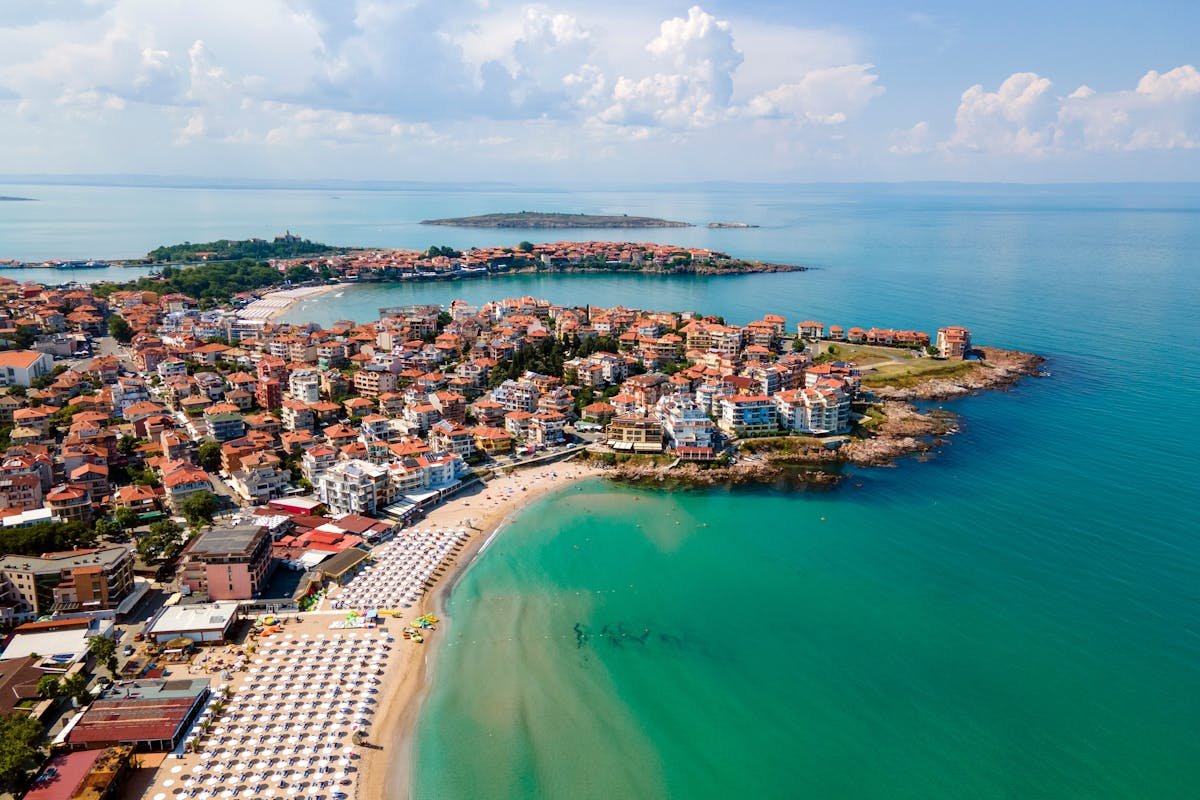
Wollongong, 80km south of Sydney on the Illawarra coast between the sandstone escarpment and the Pacific, is New South Wales’s most underrated Sydney alternative — a city of 320,000 where the surf beaches (Wollongong, North Wollongong, Thirroul, Austinmer) are exceptional, the University of Wollongong campus is one of the most beautifully sited in Australia, and housing at AUD $750,000–$850,000 median represents a genuine discount to Sydney equivalents with an 80-minute train connection to Central Station. The Sea Cliff Bridge (the coastal walk’s most dramatic section), the Nan Tien Buddhist Temple (the largest Buddhist temple in the southern hemisphere), and the Wollongong Botanic Garden complete the city’s distinctive character. For Sydney commuters willing to accept a longer train journey, Wollongong’s combination of surf, escarpment views, and academic community culture is among the most compelling lifestyle packages in New South Wales.
Making Your Decision
Choosing where to live in New South Wales comes down to honestly matching your priorities with what each city and community genuinely delivers. Budget, career opportunities, access to outdoor recreation, climate preferences, and community character all weigh differently depending on your life stage and values — and no ranking can substitute for that personal assessment. The cities and towns profiled in this guide represent the strongest overall options, but New South Wales has smaller communities that offer compelling alternatives for those willing to trade urban convenience for affordability, quieter living, or closer access to natural landscapes. If possible, spend at least a long weekend in your shortlisted communities before committing — the practical factors matter enormously, but so does the less quantifiable sense of whether a place simply feels right for where you are in life.