Kansas‘s residential landscape divides into distinct regions with different economic and cultural characters: the Kansas City suburbs in the northeast offer metropolitan access and suburban quality at prices below the Missouri side; Wichita provides complete metropolitan amenities at dramatically affordable costs; Lawrence delivers college-town dynamism and cultural sophistication in a small-city package; and the state’s smaller cities and towns offer rural character for households who prioritize space and simplicity over urban amenity access. The key is matching the type of place to your lifestyle priorities.

1. Overland Park — Kansas City’s Premier Suburb
Overland Park, in Johnson County immediately southwest of Kansas City, is consistently rated as one of the best places to live in the Midwest — a designation that reflects the city’s combination of outstanding school districts (Blue Valley and Shawnee Mission school districts consistently rank among the best in Kansas and competitive with the best in the region), well-maintained suburban infrastructure, extensive park and trail networks, and proximity to Kansas City’s metropolitan amenities across the state line. The city’s population of roughly 205,000 makes it the second-largest in Kansas, yet it retains a suburban character that prioritizes residential quality over urban density.
The Corbin Park and Town Center areas in Overland Park provide the kind of mixed-use commercial development — walkable retail streets, restaurants, and entertainment venues in a suburban setting — that addresses one of the traditional weaknesses of American suburbia. The city’s extensive trail network (100+ miles) connects neighborhoods with parks and commercial areas without requiring car trips. Home prices in Overland Park run $380,000–$550,000, with a citywide median around $480,000 as of 2026 and premium properties in the southern neighborhoods near the best school attendance areas exceeding $585,000 — high by Kansas standards but still strong value compared to comparable suburbs in major Midwestern metros.

2. Lawrence — The University Town
Lawrence, 40 miles west of Kansas City on I-70, is one of the most culturally distinct small cities in the Plains states — a college town of about 97,000 built around the University of Kansas (KU), where the Massachusetts Street pedestrian-oriented commercial district, an active music scene (Lawrence has produced a disproportionate number of nationally touring bands relative to its size), outstanding independent restaurants and breweries, and a college-town culture that feels distinct from the more traditional, rural character of most of the state combine to create an urban environment that feels more like a small Pacific Northwest city than a Midwest plains town.
The Free State Brewing Company, founded in 1989 as Kansas’s first legal brewery since Prohibition, anchors a craft beer culture that has spread to multiple breweries in the Lawrence area. The Spencer Museum of Art at KU houses a collection of more than 48,000 objects of global art ranging from East Asian ceramics to contemporary American work. The KU Natural History Museum, with its famous Panorama diorama of North American wildlife habitats, is one of the finest natural history collections in the region. Massachusetts Street’s independent bookstores, galleries, and restaurants provide street-level vitality that distinguishes Lawrence from most small Plains cities.
.jpg?width=1200)
3. Wichita — Complete Metro at Affordable Price
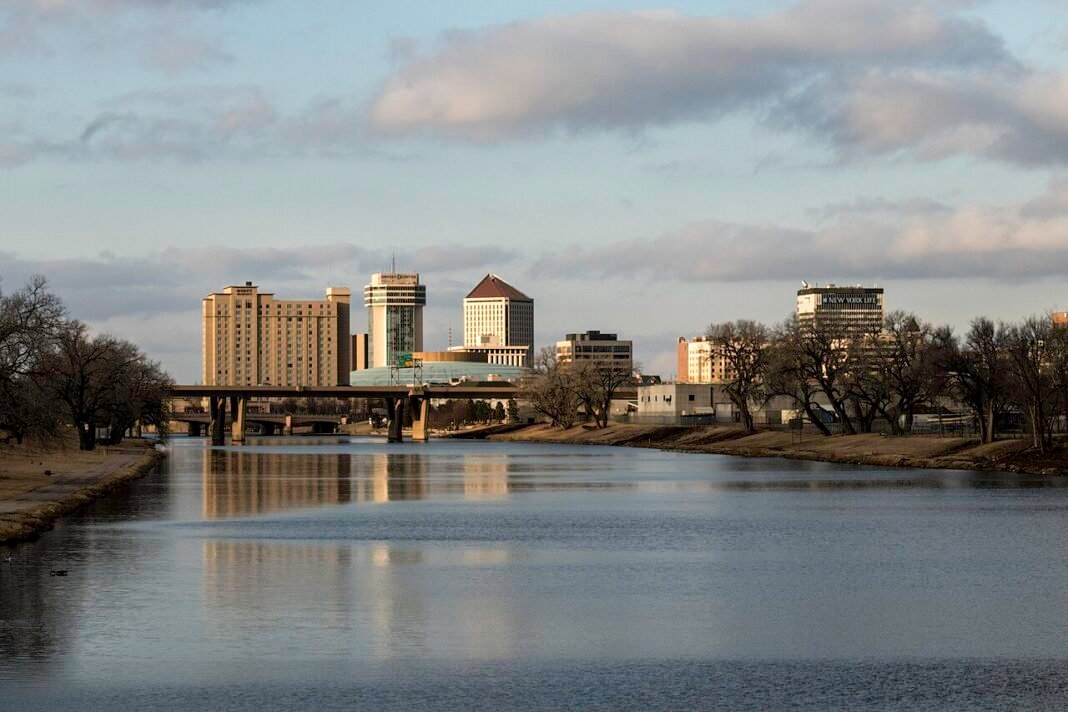
Wichita, with a metro population of about 650,000, is the only full-scale metropolitan area in Kansas south of the Kansas City suburbs. The city’s aerospace manufacturing heritage runs deep: Spirit AeroSystems — Wichita’s largest employer, with roughly 12,000 workers, and acquired by Boeing in December 2025 — builds fuselages and major structures for Boeing’s commercial jets, while Textron Aviation’s Cessna and Beechcraft brands continue to anchor a general-aviation manufacturing and engineering base that is more stable and higher-wage than typical Midwest manufacturing. The downtown’s River District development — a revitalization of the Arkansas River corridor with restaurants, apartments, the Keeper of the Plains plaza, and the Wichita Art Museum — has improved the urban core significantly from its previous appearance of a declining mid-century downtown.
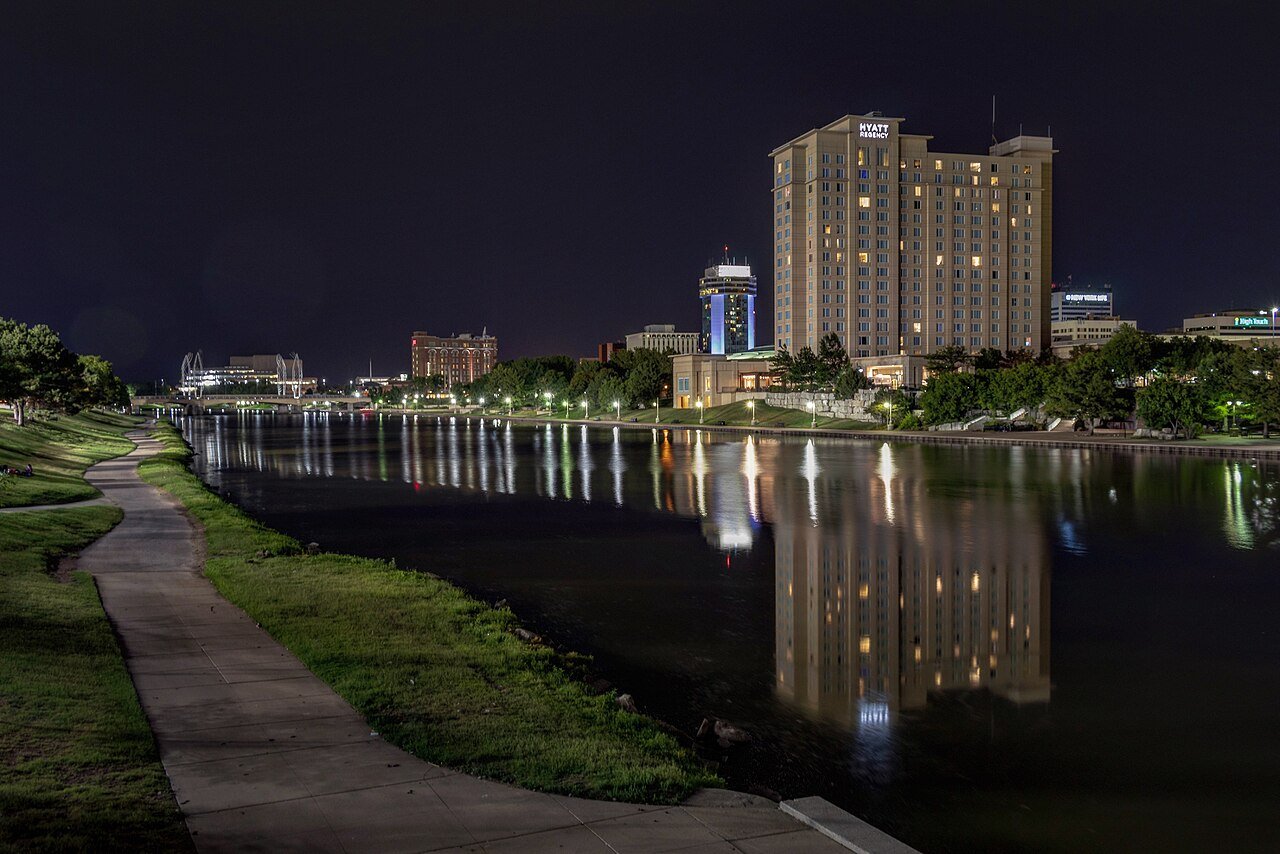
The neighborhoods most valued by Wichita residents include College Hill (a historic residential neighborhood near Wichita State University with Craftsman and Colonial Revival homes on tree-lined streets), the Riverside area along the Little Arkansas River (popular for cycling access and the nearby Botanica Wichita botanical garden), and East Wichita near the Bradley Fair commercial district (newer development with good restaurants and retail). Median home prices of $180,000–$260,000 make Wichita one of the most affordable metro areas in the country with full urban services, a regional airport, multiple university medical centers, and a cultural calendar that includes professional opera, symphony, and theater.
4. Manhattan — K-State Country
Manhattan, in the Flint Hills of northeastern Kansas, is home to Kansas State University — the land-grant university that is one of the country’s premier agricultural research institutions and forms the employment and cultural base for a city of about 54,000 whose dining, arts programming, and overall quality of life outpace what its population size would suggest. The Aggieville entertainment district, adjacent to the K-State campus, is one of Kansas’s liveliest neighborhood commercial areas. The proximity to Tuttle Creek Reservoir and the Konza Prairie Biological Research Station (an NSF-funded long-term ecological research site on preserved tallgrass prairie) provides exceptional outdoor recreation and ecological research access.
5. Lenexa and Prairie Village — Johnson County Alternatives
Johnson County’s other notable suburbs provide alternatives to Overland Park’s scale and price point. Prairie Village, the most densely developed and most walkable Johnson County suburb, preserves a mid-century commercial district at the intersection of Mission Road and 75th Street that has been revitalized with independent restaurants and retail while maintaining the compact neighborhood character of its 1940s–1950s development era. Lenexa, to the west, has developed a city-center district around the Black Hoof Park area that provides a suburban downtown feel at slightly lower prices than Overland Park. Both benefit from Johnson County’s nationally competitive school districts and the metro’s full range of services at Kansas-level costs.
Kansas’s best residential communities share the characteristic of providing genuine quality of life at costs that allow household financial security — the ability to save, to build equity, to take part in civic and cultural life without financial stress. That combination is increasingly rare in American residential markets, and it is the reason that Kansas’s quality-of-life story is reaching an audience that wasn’t paying attention twenty years ago.
Frequently Asked Questions
What makes Overland Park the best place to live in Kansas?
Overland Park, in Johnson County immediately southwest of Kansas City, is consistently rated one of the best places to live in the Midwest. The combination of outstanding school districts (Blue Valley and Shawnee Mission rank among the best in Kansas and competitive regionally), well-maintained suburban infrastructure, and 100+ miles of trails connecting neighborhoods and parks makes it stand out. The Corbin Park and Town Center areas provide walkable mixed-use retail streets — a rarity in American suburbia. Home prices run $380,000–$550,000, with a citywide median around $480,000 in 2026 and premium properties in the southern neighborhoods near top school attendance areas exceeding $585,000 — high by Kansas standards but still strong value compared to comparable Midwestern suburbs. The city’s population of roughly 205,000 makes it Kansas’s second-largest city, yet it retains a suburban character that prioritizes residential quality.
What makes Lawrence one of the most culturally distinct cities in Kansas?
Lawrence, 40 miles west of Kansas City, is a college town of about 97,000 built around the University of Kansas (KU) — a city that feels more like a small Pacific Northwest town than a Midwest plains community. Massachusetts Street, the pedestrian-oriented commercial district, hosts outstanding independent restaurants, breweries, galleries, and bookstores. The Free State Brewing Company, founded in 1989 as Kansas’s first legal brewery since Prohibition, anchors a craft beer culture that has grown to multiple Lawrence breweries. KU’s Spencer Museum of Art holds a global art collection of more than 48,000 objects; the KU Natural History Museum features the famous Panorama diorama of North American wildlife habitats. Lawrence has produced a disproportionate number of nationally touring bands relative to its size, and its college-town culture sets it apart from much of Kansas.
What does Wichita offer as Kansas’s major affordable metro?
Wichita, with a metro population of about 650,000, is Kansas’s only full-scale metropolitan area south of the Kansas City suburbs. Its aerospace manufacturing base is anchored by Spirit AeroSystems — the city’s largest employer with roughly 12,000 workers, acquired by Boeing in December 2025 — along with Textron Aviation’s Cessna and Beechcraft brands, creating a stable, higher-wage manufacturing and engineering employment base. The downtown River District revitalization of the Arkansas River corridor features the Keeper of the Plains plaza, the Wichita Art Museum, restaurants, and new apartments. Valued neighborhoods include College Hill (historic Craftsman and Colonial Revival homes near Wichita State University), Riverside (cycling access and Botanica botanical garden), and East Wichita near the Bradley Fair commercial district. Median home prices of $180,000–$260,000 make Wichita one of the most affordable US metros with a full range of urban services, regional airport, university medical centers, and professional opera, symphony, and theater.
What does Manhattan, Kansas offer as a university city?
Manhattan, in the Flint Hills of northeastern Kansas, is home to Kansas State University — a premier land-grant agricultural research institution that anchors a city of about 54,000 with dining, arts programming, and quality of life that exceeds its population size. The Aggieville entertainment district, adjacent to the K-State campus, is one of Kansas’s liveliest neighborhood commercial areas. The proximity to Tuttle Creek Reservoir and the Konza Prairie Biological Research Station — an NSF-funded long-term ecological research site on preserved tallgrass prairie — provides exceptional outdoor recreation and scientific access unavailable in most American college towns. KSU’s agricultural research programs are internationally recognized, giving Manhattan an unusually high concentration of research professionals for a city of its size.
What are Prairie Village and Lenexa as Johnson County alternatives to Overland Park?
Johnson County’s other notable communities provide alternatives for those who want the same school district quality and metropolitan access at different price points and character. Prairie Village, the most walkable Johnson County suburb, preserves a mid-century commercial district at Mission Road and 75th Street — revitalized with independent restaurants and retail while maintaining the compact 1940s–1950s neighborhood character. Lenexa, to the west, has developed a city-center district around Black Hoof Park that provides a suburban downtown feel at slightly lower prices than Overland Park. Both share Johnson County’s nationally competitive school districts and access to the full Kansas City metro amenity range while retaining genuine neighborhood character that larger suburban developments often sacrifice.