Best Cities and Towns in the Northwest Territories 2026: Yellowknife, Hay River, Inuvik, and Beyond
The Northwest Territories has no large cities — the territory’s 45,000 residents are distributed across a landscape the size of Western Europe, living in the capital city of Yellowknife (21,000 people), the regional centre of Hay River (4,000), the Arctic gateway of Inuvik (3,500), and dozens of smaller Indigenous communities that range from Fort Simpson (1,200) to remote fly-in settlements of fewer than 200 residents. Each community in the NWT exists in a specific relationship with the land, the resource economy, and the Indigenous cultures that have shaped the territory’s human geography for thousands of years. Choosing where to live in the Northwest Territories means understanding what each community offers, what it lacks, and whether its particular combination of remoteness, community character, and economic base suits your professional and personal priorities.
Yellowknife: The Capital and Gateway City
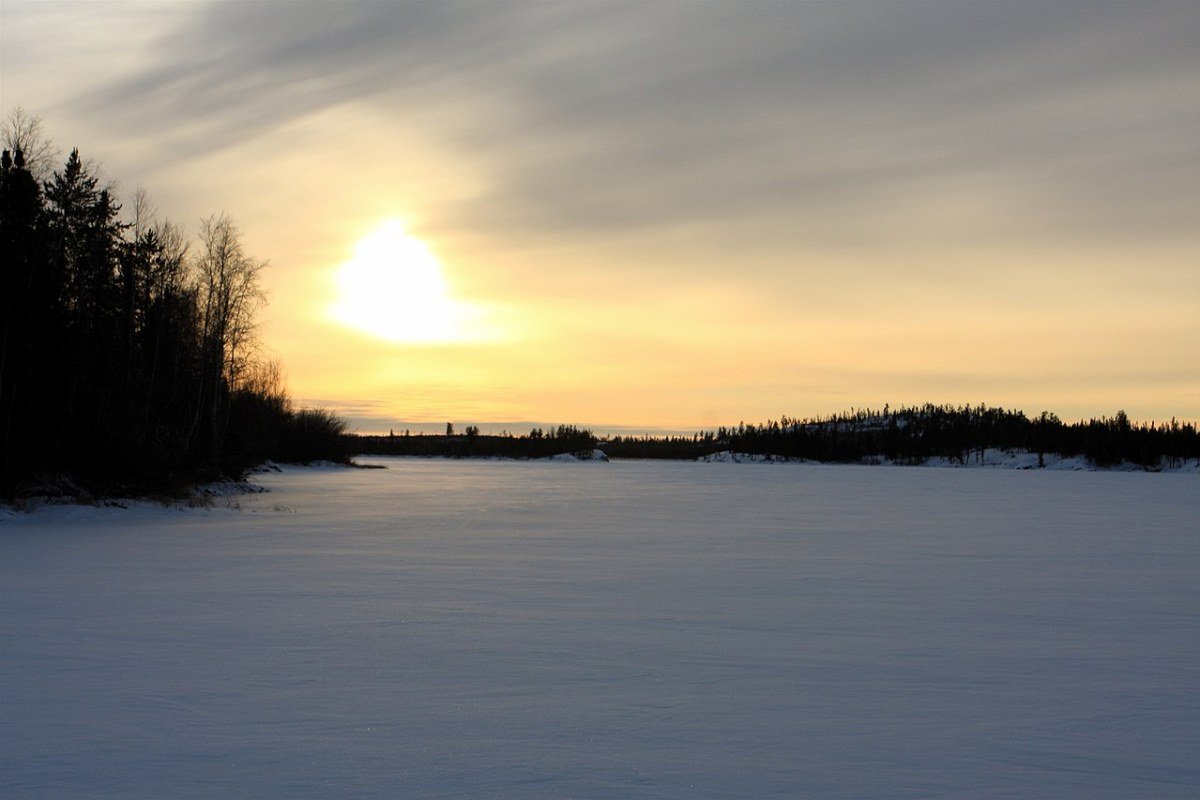
Yellowknife (21,000 residents, on the north shore of Great Slave Lake) is the NWT in microcosm — a gold rush town that became a territorial capital, then a diamond mining services hub, and now a government city with a growing outdoor tourism economy and the aurora borealis as its signature attraction. Yellowknife has everything that smaller NWT communities lack: a hospital (Stanton Territorial Hospital, the only full-service hospital in the NWT), four secondary schools (Yellowknife Education District 1 and Yellowknife Catholic Schools), a university satellite campus (Aurora College), a commercial airport with multiple daily flights to Edmonton, a retail economy (Canadian Tire, Walmart, specialty stores), and a restaurant and cultural scene that reflects the territory’s diversity.
- Old Town: The historic district on the rocky knolls above Back Bay — wooden heritage buildings from the 1930s and 1940s gold rush era, the Wildcat Café (the oldest restaurant in the NWT, operating since 1937), and the houseboat community on Back Bay where 60+ float homes are moored year-round — is Yellowknife’s most characterful neighbourhood and the location most associated with the city’s personality
- Frame Lake South and Northlands: The modern residential developments south and north of Yellowknife’s core provide newer housing stock (post-1990 construction), larger lots, and suburban character more familiar to southern Canadian residents
- Economy: The Government of the Northwest Territories and federal government departments are the largest employers; the diamond mining industry (Ekati and Diavik mine offices) provides high-wage private sector employment; tourism (aurora viewing, fishing lodges, wilderness outfitters) is a growing sector
- Lifestyle: Yellowknife residents embrace outdoor recreation with an intensity shaped by the subarctic environment — ski-doo travel on Great Slave Lake in winter, ice fishing, cross-country skiing on the Frame Lake and Cameron Falls trails, and summer kayaking, fishing, and camping. The city has a strong arts community (the Northern Arts and Cultural Centre, Yellowknife Film Festival) and a pub culture anchored by the Gold Range, the Woodyard Brewhouse, and the Capital Theatre
Hay River: The Hub of the South
Hay River (4,000 residents, on the south shore of Great Slave Lake near the Alberta border) is the NWT’s second-largest community and its most important transportation hub — the railhead of the Great Slave Lake Railway (the only rail line to the NWT), the barge terminus for summer cargo operations on the Mackenzie River, and the primary road-connected community other than Yellowknife on the NWT highway system. The Hay River economy is built on transportation, fisheries (the Great Slave Lake commercial fishery’s largest operation), and the services that supply the communities of the Mackenzie Valley.
- Character: Hay River has a working-class, practical character quite different from Yellowknife’s government town personality. The community is smaller and more tightly knit; the Great Slave Lake commercial fishing industry gives Hay River a resource extraction identity that Yellowknife no longer has
- Vale Island: The Hay River New Town (the community’s main residential area) and the older settlement on Vale Island (in the Hay River delta, accessible by bridge) are the two parts of a community divided by the river and its delta; Vale Island has the older housing stock and a more traditional community atmosphere
- Services: Hay River has a hospital (H.H. Williams Memorial Hospital), secondary school (Diamond Jenness Secondary School), and a commercial strip with grocery, hardware, and fuel services that supply communities along the Deh Cho Trail. The Hay River airport connects the community to Yellowknife
- Fishing: The Great Slave Lake commercial whitefish and lake trout fishery operates from Hay River’s commercial fish plant; sport fishing on Great Slave Lake’s West Arm — northern pike to 30+ pounds, lake trout through the ice in winter — is accessible from Hay River’s marina

Inuvik: The Arctic Gateway
Inuvik (3,500 residents, on the East Channel of the Mackenzie Delta, 200km north of the Arctic Circle) is the administrative, commercial, and transportation hub for the western Canadian Arctic — the planned community built in 1958 to replace the flood-prone Aklavik as the regional centre for the Mackenzie Delta and the Beaufort Sea coast. Inuvik’s position above the Arctic Circle, at the end of the Dempster Highway (the only public road to cross the Arctic Circle in North America), and at the northern terminus of the Inuvik to Tuktoyaktuk Highway (opened 2017, Canada’s first all-season road to the Arctic Ocean) makes it the gateway for Arctic tourism, resource development, and the Indigenous communities of the Beaufort Delta region.
- The igloo church: Our Lady of Victory Church (the “Igloo Church”), Inuvik’s iconic igloo-shaped Catholic church built in 1960, is the most photographed building in the western Arctic and the visual symbol of the community
- Mackenzie Delta: The 12,000km² delta of the Mackenzie River — the largest delta in Canada, a labyrinth of channels, lakes, and islands that provides critical habitat for muskrat, beaver, and the beluga whales that summer in the Mackenzie’s freshwater plume in the Beaufort Sea — is accessible from Inuvik by boat in summer and snow machine in winter
- Tuktoyaktuk: The 140km Inuvik-to-Tuk Highway (opened 2017) connects Inuvik to Tuktoyaktuk — the Inuvialuit community on the Beaufort Sea coast, the site of Canada’s first all-season Arctic Ocean road access. Driving to the Arctic Ocean from Inuvik is now a bucket-list road trip accessible by any passenger vehicle in summer
- Economy: Inuvik’s economy rests on the Beaufort Delta regional government, the oil and gas industry (the Mackenzie Gas Project remains a long-term development possibility), tourism, and the services that supply the Beaufort Delta communities (Aklavik, Fort McPherson, Tsiigehtchic, and the communities of Banks Island and the Mackenzie Delta)
Fort Smith: The Cultural and Heritage Centre
Fort Smith (2,500 residents, on the Slave River at the Alberta-NWT border) was the NWT’s administrative capital before Yellowknife and retains a heritage character that reflects its century of government and church presence in the region. Fort Smith is the gateway to Wood Buffalo National Park (the largest national park in Canada, 44,807km²), the location of one of North America’s most significant bison herds (5,000+ wood bison, the world’s largest free-roaming herd), and a community with a strong sense of its own history and cultural identity.
- Wood Buffalo National Park: The park’s Fort Smith sector provides road access to the Slave River rapids (the Salt River day-use area, the Angus fire tower, the bison paddock viewing area), the Whooping Crane nesting area (the world’s only wild whooping crane nesting ground, in the park’s northern sector near Fort Chipewyan), and the Pine Lake campground
- Slave River: The Slave River rapids (a UNESCO-recognized cultural landscape for the Métis and Chipewyan/Dene communities that have used the portage route for centuries) flow through Fort Smith; white pelicans nest in the rapids in summer — one of the most northerly pelican colonies in the world
- Northern Life Museum: Fort Smith’s regional museum preserves the history of the NWT’s administrative era, the missionary period, and the Indigenous cultures of the Slave River and Great Slave Lake region
Fort Simpson: The Deh Cho Gateway
Fort Simpson (1,200 residents, at the confluence of the Liard and Mackenzie rivers, 320km southwest of Yellowknife on the Mackenzie Highway) is the administrative centre of the Deh Cho region — the homeland of the Deh Cho Dene and Métis — and the main road access point for Nahanni National Park Reserve. Fort Simpson’s strategic location at the confluence of the Liard and Mackenzie, where the Liard’s clear water meets the brown turbidity of the Mackenzie, has made it a centre of Dene culture and governance for centuries.
- Nahanni access: Floatplane charter services from Fort Simpson provide the primary access for Nahanni National Park canoe and wilderness trips; the Virginia Falls floatplane route from Fort Simpson (2 hours) is the most common entry point for the South Nahanni River canoe
- Deh Cho cultural landscape: The Deh Cho Dene communities of Jean Marie River, Trout Lake, Wrigley, and Fort Liard are accessible from Fort Simpson by river or by the Liard Highway south to Fort Liard on the BC border
Choosing Your NWT Community
Most newcomers to the NWT begin in Yellowknife — the territorial government recruits most of its workforce there, and the city’s services make the transition to northern life more manageable. From Yellowknife, residents often develop a relationship with a particular region or community that leads to longer-term placement in Hay River, Inuvik, Fort Smith, or Fort Simpson. The NWT’s community size gradient from Yellowknife’s 21,000 to remote communities of under 200 represents not just a difference in services and amenities but a different relationship with the land, the community, and the pace of northern life — each rewarding in its own way for those who find the right fit.