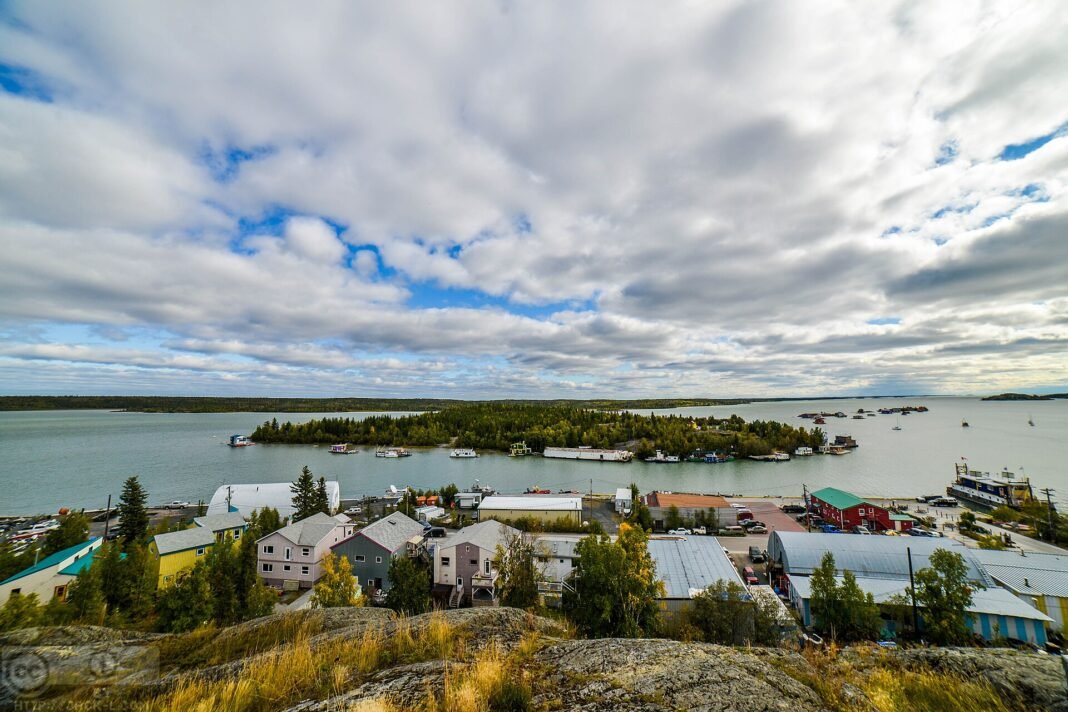
New Hampshire‘s outdoor recreation is defined by the density of high-quality experiences available within a compact geography — a state small enough to drive across in three hours that contains the highest peak in the northeastern United States, one of the finest backcountry hut systems in North America, 18 miles of Atlantic coastline, New Hampshire’s largest lake, and an Appalachian Trail segment through the White Mountains that is widely regarded as the most demanding and rewarding in the entire 2,197-mile route. The White Mountains drive most of the state’s outdoor activity, but the Lakes Region, the Seacoast, and the Connecticut River valley all contribute experiences that complete a four-season recreation portfolio rare in any state of New Hampshire’s modest size.

Hiking the White Mountains
The White Mountain National Forest contains 1,200 miles of maintained hiking trails — the densest trail network in the northeastern United States — managed by the US Forest Service, with much of the trail and hut infrastructure maintained by the Appalachian Mountain Club, whose huts, maps, and trained staff have supported White Mountain hiking since the club’s founding in 1876. The Presidential Range — the chain of summits above treeline from Mount Madison in the north through Mount Adams, Mount Jefferson, Mount Clay, Mount Washington, Mount Monroe, and Mount Eisenhower to Mount Pierce in the south — provides the most sustained above-treeline ridge hiking available east of the Rocky Mountains. The traverse of the Northern Presidential Range from the Valley Way to Madison Spring Hut to Mount Adams to Mount Washington (approximately 12 miles one-way) is one of the finest multi-day mountain hiking experiences in the eastern United States.
Mount Washington (6,288 feet) is the centerpiece of White Mountain hiking — not merely New England’s highest summit but a genuinely demanding and potentially dangerous alpine environment where the convergence of major storm systems from three directions creates weather extremes (the recorded wind speed of 231 mph in 1934 stood as the world surface wind speed record for 62 years). The standard approach routes — the Tuckerman Ravine Trail from Pinkham Notch (4.1 miles one-way, 4,238 feet of gain) and the Ammonoosuc Ravine Trail from Crawford Notch (6.7 miles, 3,600 feet of gain) — require full-day commitments and should be treated as serious alpine undertakings regardless of conditions at the base. Tuckerman Ravine, the glacial cirque on Washington’s eastern face, holds serious backcountry skiing through April and May — skiers have been hiking in with their equipment to ski the ravine’s headwall since the 1920s, and the annual spring pilgrimage remains one of New England’s oldest skiing traditions.

Skiing: Four Major Mountain Areas
New Hampshire’s ski industry is anchored by four major ski areas in the White Mountains, each with a distinct character and market position. Cannon Mountain in Franconia Notch State Park, the only state-owned ski area among the major New Hampshire resorts, is the state’s oldest and most historically significant — the site of the first aerial tramway in North America (1938) and the training ground for generations of World Cup ski racers who sharpened their edges on the mountain’s punishing terrain and consistent northern-exposure snow. Cannon’s 72 trails across 265 acres hold some of the toughest lift-served terrain in New Hampshire, with a vertical drop of 2,180 feet and the storied Zoomer and Avalanche runs that demand genuine ability. The state ownership model keeps lift tickets modestly below the regional market rates for comparable terrain.
Loon Mountain Resort in Lincoln, the closest major mountain to Boston (roughly two hours), draws the family market with reliably groomed terrain — 73 trails across 403 skiable acres, backed by snowmaking coverage that holds up through variable snow seasons. Attitash Mountain Resort (two mountains, 68 trails) near Bartlett in the Mount Washington Valley caters to intermediate and early-advanced skiers. Wildcat Mountain, directly across Pinkham Notch from Mount Washington, has perhaps the finest backdrop of any ski area in the state — runs that face Mount Washington’s summit and the Great Gulf Wilderness head-on — with terrain that rewards strong intermediate to advanced skiers. New Hampshire’s Nordic infrastructure (Bretton Woods Nordic, the Jackson Ski Touring Foundation’s 150-kilometer trail system, and the Great Glen Trails adjacent to Pinkham Notch) rounds out cross-country and skate skiing of national-caliber quality.
Lake Winnipesaukee and Water Recreation
Lake Winnipesaukee’s 72 square miles and 274 islands make for one of the most varied freshwater playgrounds in New England. Motorboating, sailing, kayaking, stand-up paddleboarding, and fishing (the lake holds lake trout, salmon, bass, and pickerel) all run from May through October. The M/S Mount Washington’s 2.5-hour scenic cruises offer the best introduction to the lake’s scale and the surrounding mountain views; the Molly the Trolley service that connects Weirs Beach to Meredith opens up public access along the western shore. Winnipesaukee Kayak tours operate half-day and full-day guided kayak routes around the lake’s most scenic island passages.
The surrounding Lakes Region opens additional water recreation beyond the main lake. Squam Lake (made famous as the setting of the 1981 film On Golden Pond, filmed with Henry Fonda and Katharine Hepburn) is smaller, less developed, and more ecologically pristine than Winnipesaukee — the Squam Lakes Natural Science Center runs loon-watching pontoon cruises here that offer exceptional wildlife viewing. Lake Sunapee in the western lakes region and Lake Newfound in the Bristol area give kayakers and canoeists less congested alternatives. The Merrimack, Saco, and Connecticut Rivers provide flatwater and moving-water paddling throughout the state.
The Seacoast and Hampton Beach
New Hampshire’s 18-mile Atlantic coastline is the shortest ocean coastline of any coastal US state — but the quality of what those 18 miles contain compensates for the brevity. Hampton Beach, the state’s primary ocean swimming destination, is a classic New England beach town with 3.5 miles of hard-packed sand, a seasonal boardwalk, and the summer energy of a coastal community that has been drawing New England families for generations. The state beach at Hampton is free for day use (parking is paid); the surrounding commercial district of Hampton Beach proper is more honky-tonk than refined, but the beach itself is excellent and the swimming (when summer water temperatures reach the 60s°F) is genuine.
Odiorne Point State Park in Rye, 8 miles north of Hampton, offers a contrasting coastal experience — the site of New Hampshire’s first European settlement (1623, predating the Massachusetts Bay Colony), with rocky tide pools, coastal walking trails, a science center that interprets the Gulf of Maine ecosystem, and access to Frost Point’s views of the Isles of Shoals (a group of nine rocky islands 6 miles offshore that Celia Thaxter wrote about in her influential 1873 book “Among the Isles of Shoals”). The Isles of Shoals Steamship Company operates summer excursion boats from Portsmouth Harbor out to Star Island; on neighboring Appledore Island, the Shoals Marine Laboratory (run jointly by Cornell University and the University of New Hampshire) conducts ecological research, with seasonal programs open to visitors. The tidal rivers of the Great Bay Estuary — the largest tidal estuary in New England — open kayaking access to one of the region’s most significant shorebird and waterfowl habitats, with great blue herons, ospreys, bald eagles, and seasonal shorebird concentrations that rival any New England coastal birding location.
The Appalachian Trail Through New Hampshire
The Appalachian Trail’s 161 miles through New Hampshire are widely regarded as the most technically demanding and logistically complex section of the entire 2,197-mile route from Georgia to Maine — a traverse that includes the Presidential Range above treeline, the Kinsman Ridge, and the notch crossings that make White Mountain thru-hiking as challenging as anything on the trail north of the Maine border. The White Mountains section requires thru-hikers to either use the AMC’s hut system (at significant cost) or camp at designated above-treeline sites — the “leave no trace” requirements in the White Mountain National Forest’s wilderness zones mean that the casual camping approach that works in most AT sections is inadequate here. Day-hikers and section-hikers who use the White Mountain AT segments as destinations rather than as transit routes find the same rugged, exposed trails that challenge thru-hikers, with the added appeal of the AMC huts as midday or overnight stops that require no overnight camping gear.
Frequently Asked Questions
What makes hiking the White Mountains particularly demanding and rewarding?
The White Mountain National Forest contains 1,200 miles of maintained hiking trails — the densest trail network in the northeastern United States. The Presidential Range provides the most sustained above-treeline ridge hiking available east of the Rocky Mountains: the traverse from Mount Madison south through Mount Adams, Mount Jefferson, Mount Clay, Mount Washington, and Mount Monroe is one of the finest multi-day mountain hiking experiences in the eastern United States. Mount Washington (6,288 feet) receives the most dramatic weather of any peak east of the Rockies — the 231 mph wind speed recorded in 1934 stood as the world’s surface wind speed record for 62 years. Tuckerman Ravine, the glacial cirque on Washington’s eastern face, offers serious backcountry skiing through April and May — hikers have been carrying skis to the ravine’s headwall since the 1920s, making it one of New England’s oldest skiing traditions. The AMC hut system (eight huts spaced a day’s hike apart) makes multi-day White Mountain traverses accessible without a full camping kit.
What skiing does New Hampshire offer?
New Hampshire’s ski industry is anchored by four major ski areas in the White Mountains. Cannon Mountain in Franconia Notch State Park is the state’s oldest and most historically significant — the site of North America’s first aerial tramway (1938) and a longtime training ground for World Cup ski racers, with 2,180 feet of vertical drop and challenging terrain. State ownership keeps lift tickets modestly below regional market rates for comparable terrain. Loon Mountain Resort in Lincoln (about 2 hours from Boston) offers family-friendly, well-groomed terrain across 73 trails and 403 skiable acres. Wildcat Mountain, directly across Pinkham Notch from Mount Washington, has runs with direct views of Washington’s summit and the Great Gulf Wilderness. The Jackson Ski Touring Foundation’s 150-kilometer trail system delivers cross-country and skate skiing of national-caliber quality. Bretton Woods Nordic and the Great Glen Trails adjacent to Pinkham Notch complete a Nordic skiing infrastructure that is exceptional for any single state.
What water recreation does Lake Winnipesaukee offer?
Lake Winnipesaukee’s 72 square miles and 274 islands create one of the most varied freshwater recreation environments in New England. Motorboating, sailing, kayaking, stand-up paddleboarding, and fishing (the lake holds lake trout, salmon, bass, and pickerel) are all active from May through October. The M/S Mount Washington’s 2.5-hour scenic cruises provide the best introduction to the lake’s scale and surrounding mountain views; the ship has operated excursions on Winnipesaukee since 1940. Squam Lake — made famous as the setting of the 1981 film On Golden Pond — is smaller, less developed, and more ecologically pristine than Winnipesaukee. The Squam Lakes Natural Science Center runs loon-watching pontoon cruises on Squam that offer exceptional wildlife viewing. New Hampshire’s Lakes Region provides additional paddling on Lake Sunapee, Lake Newfound, and the Merrimack, Saco, and Connecticut Rivers.
What does New Hampshire’s Seacoast offer outdoor visitors?
New Hampshire’s 18-mile Atlantic coastline is the shortest ocean coastline of any coastal US state — but concentrates genuine quality within those miles. Hampton Beach is the primary ocean swimming destination: 3.5 miles of hard-packed sand with a seasonal boardwalk, free for day use (paid parking). Odiorne Point State Park in Rye, 8 miles north of Hampton, provides a contrasting experience — the site of New Hampshire’s first European settlement (1623, predating the Massachusetts Bay Colony), with rocky tide pools, coastal walking trails, and a science center interpreting the Gulf of Maine ecosystem. The Isles of Shoals Steamship Company operates summer excursion boats from Portsmouth Harbor to Star Island, 6 miles offshore. The Great Bay Estuary — the largest tidal estuary in New England — provides kayaking access to significant shorebird and waterfowl habitat, with great blue herons, ospreys, bald eagles, and seasonal shorebird concentrations.
What makes the Appalachian Trail through New Hampshire the most demanding section of the entire route?
The Appalachian Trail’s 161 miles through New Hampshire are widely regarded as the most technically demanding section of the entire 2,197-mile route from Georgia to Maine. The traverse includes the Presidential Range above treeline, the Kinsman Ridge, and the notch crossings that make White Mountain thru-hiking as challenging as anything north of the Maine border. Thru-hikers must choose between using the AMC’s hut system (at significant cost but providing warm meals and bunkroom lodging) or camping at designated sites under “leave no trace” requirements in the wilderness zones. The above-treeline sections of the Presidential Range expose hikers to weather extremes — high winds, sudden storms, and fog that can reduce visibility to a few feet — that require proper equipment and conservative decision-making. The Franconia Ridge section, traversing the exposed ridge between Little Haystack and Mount Lincoln with continuous views, is considered one of the most rewarding above-treeline miles on the entire AT.