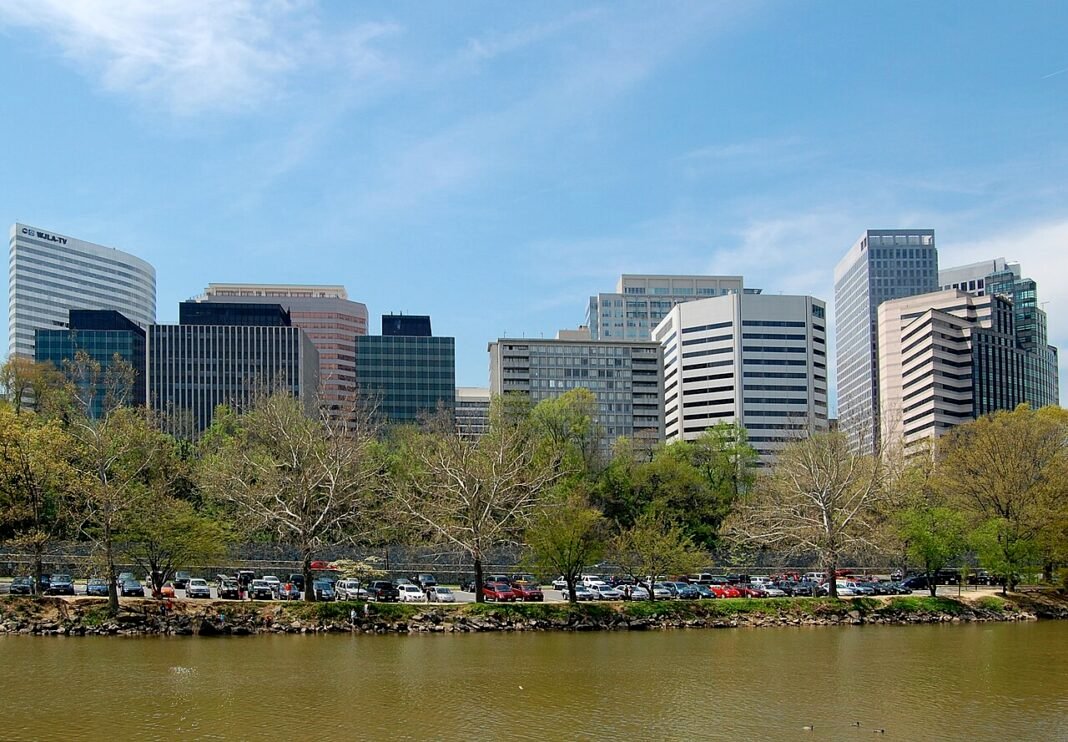
Few large states split as sharply down the middle as Illinois. Chicago and its inner suburbs sit roughly 15-25% above the national average, pushed up by strong housing demand, a heavy state-and-local tax load, and a service economy that charges accordingly for its conveniences. Drive a few hours past Cook County, though, and you reach downstate Illinois – the 99 counties holding most of the state’s land – where prices rank among the most affordable in the Midwest and a modest house can still cost less than a year of rent in Brooklyn. So the honest answer to “what does Illinois cost?” starts with another question: which Illinois?

Housing: Chicago vs. Downstate
Chicago’s housing market sorts into clear tiers. In the most sought-after intown neighborhoods – Lincoln Park, Lakeview, Wicker Park, Logan Square, River North, and the Gold Coast – median single-family prices land between $600,000 and $1.1 million, and new-construction condos can clear $2 million. Plenty of the city still costs far less: Bridgeport, Pilsen, Back of the Yards, and Andersonville deliver real urban density, El access, and neighborhood character with medians of $250,000 to $400,000, though that gap has been closing fast as redevelopment pushes outward from the core.

The suburbs cover an enormous range. Along the North Shore, communities such as Evanston, Wilmette, Winnetka, Glencoe, and Lake Forest are wealthy, top-school markets with Lake Michigan frontage and medians from $500,000 to $1.2 million. Closer-in western suburbs like Oak Park, River Forest, and Elmhurst trade that for walkable, urban-scale density and quick Metra service into the Loop, generally $350,000 to $600,000. Push out to the collar counties – DuPage, Lake, Kane, Will, McHenry – and family houses drop to $250,000-$450,000, with the trade-off arriving as a longer commute.


Downstate, the math changes completely. Peoria, the state’s third-largest metro, posts medians of $130,000 to $160,000; Rockford, the second-largest city, sits a touch higher in a $150,000-$190,000 band. The capital, Springfield, averages closer to $160,000-$200,000. Champaign-Urbana, home to the University of Illinois flagship, runs higher still at $200,000-$250,000, lifted by steady university-driven demand. Step into the smaller cities and farm towns and a sound, move-in-ready house can still land near $120,000 – the kind of price point that has all but vanished from either coast.
Property Taxes: Illinois’s Most Significant Burden
Illinois carries some of the steepest property taxes in the country, ranking first or second nationally depending on the survey, alongside New Jersey. Effective rates across the Chicago suburbs typically run 2.0-2.8% of assessed value, so a $400,000 suburban home can owe $8,000-$11,200 a year. Cook County’s rate sits a touch below some collar counties, but high home values combined with above-average rates still make this one of the largest line items in any local budget. Downstate, the percentages tend to be lower, though they vary widely from one community to the next, so it pays to check the specific township or county before you commit.
This is the main reason a suburban Illinois budget often runs higher than the sticker price on the house suggests. A home that costs $100,000 less than a comparable New York suburb can give most of that advantage back in property taxes over five years of ownership. Run those numbers before you fall for the listing price – they belong in any serious Illinois relocation plan.
State Income Tax: The Flat Rate
Illinois applies a flat 4.95% state income tax to all income – one of the simplest structures in the country, with no graduated brackets and no separate treatment for long-term capital gains. The same percentage applies whether you earn $40,000 or $400,000, which makes filing straightforward. Retirees do especially well here: Illinois fully exempts Social Security and most retirement income, including public and private pensions and withdrawals from IRAs and 401(k)s, a benefit that remains in place for 2026.
Chicago itself levies no city income tax and no commuter tax on people who work in the city but live elsewhere. Where the city makes up the difference is sales and consumption taxes: the combined sales tax in Chicago reaches 10.25%, among the highest of any major US city, layered on top of various local fees and excise taxes. Add it all up and the metro’s overall state-and-local tax load ranks near the top in the Midwest.
Groceries and Consumer Costs
Chicago grocery prices are roughly 5-10% above the national average in standard supermarkets – not dramatic next to coastal metros, but meaningfully above the Midwest baseline. The city’s food retail landscape is competitive, with a wide range from Jewel-Osco and Mariano’s (mid-range) to Whole Foods, Eataly, and specialty grocers (premium) to Aldi (the German hard-discount chain whose US headquarters sits in Batavia, Illinois, with stores across the state). Downstate, grocery prices fall at or slightly below the national average, helped along by the farm economy that grows much of what ends up on the shelves.
The Bottom Line
In the end, the Illinois cost equation comes down to a single choice. The Chicago area delivers big-city culture, transit, and amenities at prices that are high for the Midwest but a relative bargain next to comparable East and West Coast metros, with the property tax bill as the main offset. Downstate offers some of the most affordable housing of any state, in communities whose economies range from steady to slow-growing. Match your neighborhood to your income source and the way you want to live, factor the property tax into the ownership math, and either end of the spectrum can deliver real value.
Budgeting Practically for Illinois
Knowing the broad Illinois numbers is only the starting point – the next step is sorting out which costs are fixed and which you can actually shift. Housing is the biggest lever in almost any budget, and the choice between a North Shore suburb, a southwest-side Chicago neighborhood, and a downstate town can swing your monthly outlay by thousands. Property tax is the second lever and the one newcomers most often underestimate, so pull the actual tax bill on any home you’re serious about rather than trusting the asking price. Utilities, a CTA pass or a tank of gas, and groceries are smaller month to month but add up over a year. Treat the ranges here as a framework, then verify current rents and prices for the specific town or neighborhood you’re targeting, since local markets move faster than the annual cost-of-living surveys.
Frequently Asked Questions
How expensive is Chicago to live in?
Chicago and its immediate suburbs run 15-25% above the national average for cost of living. The most sought-after intown neighborhoods (Lincoln Park, Lakeview, Wicker Park, River North) have median single-family prices of $600,000-$1.1 million. More affordable urban alternatives like Bridgeport, Pilsen, and Andersonville offer $250,000-$400,000 medians. Suburban options vary from $250,000-$450,000 in the collar counties to $500,000-$1.2 million on the North Shore.
Are property taxes high in Illinois?
Very. Illinois ranks first or second nationally for property taxes, depending on the survey, alongside New Jersey. Chicago suburbs average effective rates of 2.0-2.8% of assessed value, so a $400,000 suburban home can owe $8,000-$11,200 in annual property taxes. This is the most significant and most often underestimated cost of Illinois homeownership, and it belongs in any relocation budget alongside housing prices.
How affordable is downstate Illinois?
Very affordable – downstate Illinois has some of the lowest housing costs of any metro region in the US. Peoria medians run $130,000-$160,000 and Rockford lands a touch higher at $150,000-$190,000. Springfield, the state capital, averages $160,000-$200,000, while Champaign-Urbana runs higher still at $200,000-$250,000. In the smaller cities, a sound, move-in-ready home can still land near $120,000 – a price point that has all but disappeared on either coast.
What is Illinois’s income tax rate?
Illinois applies a flat 4.95% state income tax to all income – no graduated brackets and no separate treatment for capital gains. It fully exempts Social Security and most retirement income, including public and private pensions and IRA and 401(k) withdrawals, which is a meaningful break for retirees. Chicago levies no city income tax, but its high sales tax (10.25%) and various local fees raise the overall cost of living for residents.
Is Illinois worth living in financially?
It depends entirely on location. The Chicago area pairs big-city culture and transit with costs that are high for the Midwest but competitive with comparable East and West Coast metros – offset largely by Illinois’s near-top-of-the-nation property taxes. Downstate offers some of the most affordable costs of any US state. The smart move is to match your income source to the right part of the state rather than assume a single statewide price tag.