Best Cities to Live in Delaware: A Realistic 2026 Guide
Delaware’s small size (it takes under 2 hours to drive from the northern to the southern border) means that its “cities” function within a regional context that is often more relevant than their individual characteristics. Wilmington residents access Philadelphia in 30 minutes; Dover residents commute to Baltimore in 90; Rehoboth Beach retirees draw on the entire Delmarva Peninsula’s services. Choosing the right Delaware town requires understanding this regional integration as much as the place itself.

1. Wilmington — Corporate Hub and Urban Anchor
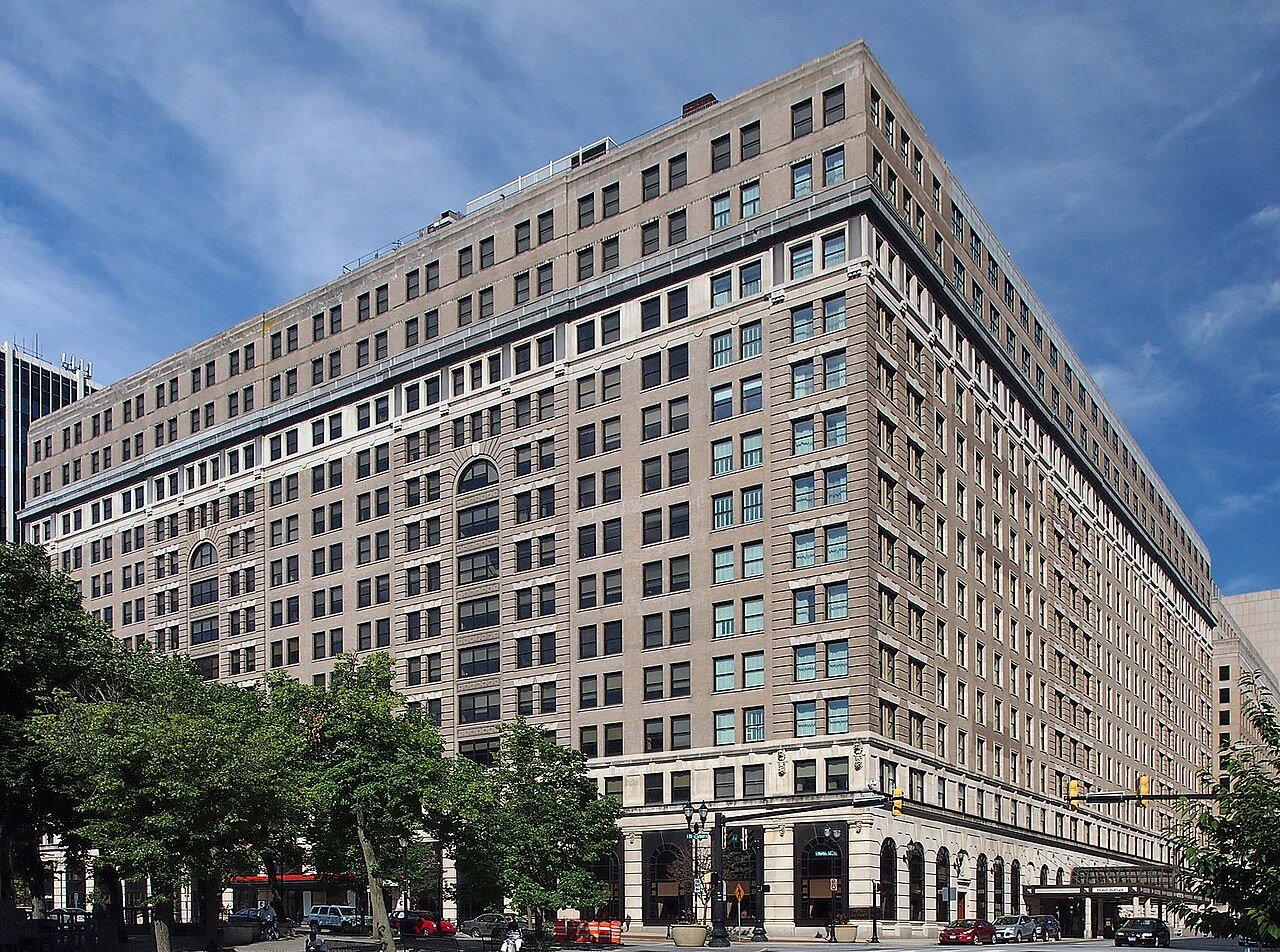
Wilmington is Delaware‘s largest city and its corporate capital in the most literal sense. The state’s unusually favorable corporate laws, passed in the early 20th century and refined ever since, have made Delaware the legal home of more than 60% of Fortune 500 companies and the majority of US public corporations, concentrating a legal services and financial industry that is remarkable for a city of about 70,000. Most of those corporations keep no physical office in Wilmington, but the attorneys, accountants, and financial professionals who serve them do, and they form the professional-class employment base that anchors the city’s economy.
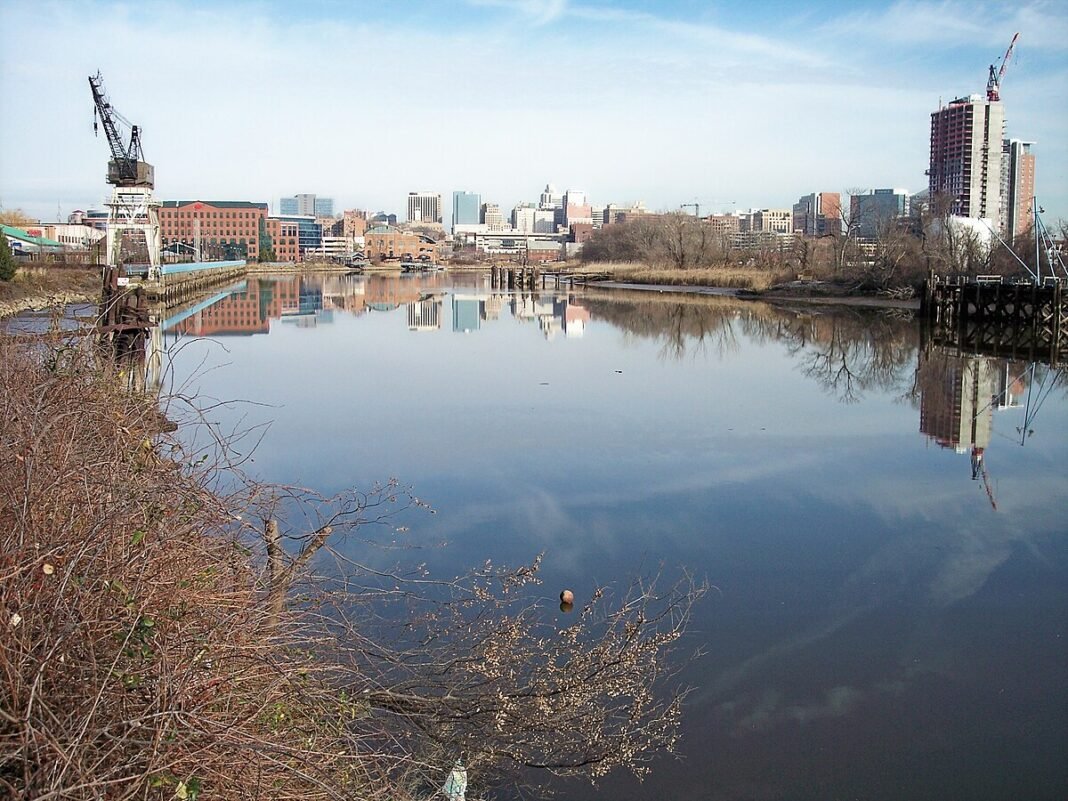
Wilmington’s revitalized riverfront — the Christina Riverfront — has transformed a former industrial waterfront into a mixed-use entertainment and residential district with restaurants, theaters, minor-league baseball (the Wilmington Blue Rocks), and new residential development. The Delaware Art Museum holds the largest collection of Pre-Raphaelite art outside the United Kingdom, along with a deep permanent collection of American illustration that includes original works by Howard Pyle, N.C. Wyeth, and Frank Schoonover. The Brandywine Valley’s museum district is 15–20 minutes from Wilmington’s urban core.

Housing in Wilmington is accessible: median prices in the city range from $160,000 in working-class neighborhoods to $280,000–$350,000 in desirable near-north side communities like Trolley Square and Triangle Neighborhood. The surrounding suburbs of Hockessin, Greenville, and Pike Creek — which feed into better schools and the most amenity-rich residential environment in the state — command $380,000–$550,000.
2. Newark — Delaware’s Best College Town
Newark (pronounced “NEW-ark” in Delaware, not to be confused with New Jersey’s Newark) is the home of the University of Delaware, one of the few land-grant universities in a small northeastern state, with a research profile and campus life that have made the city one of the most appealing places to live in Delaware for young professionals and families.
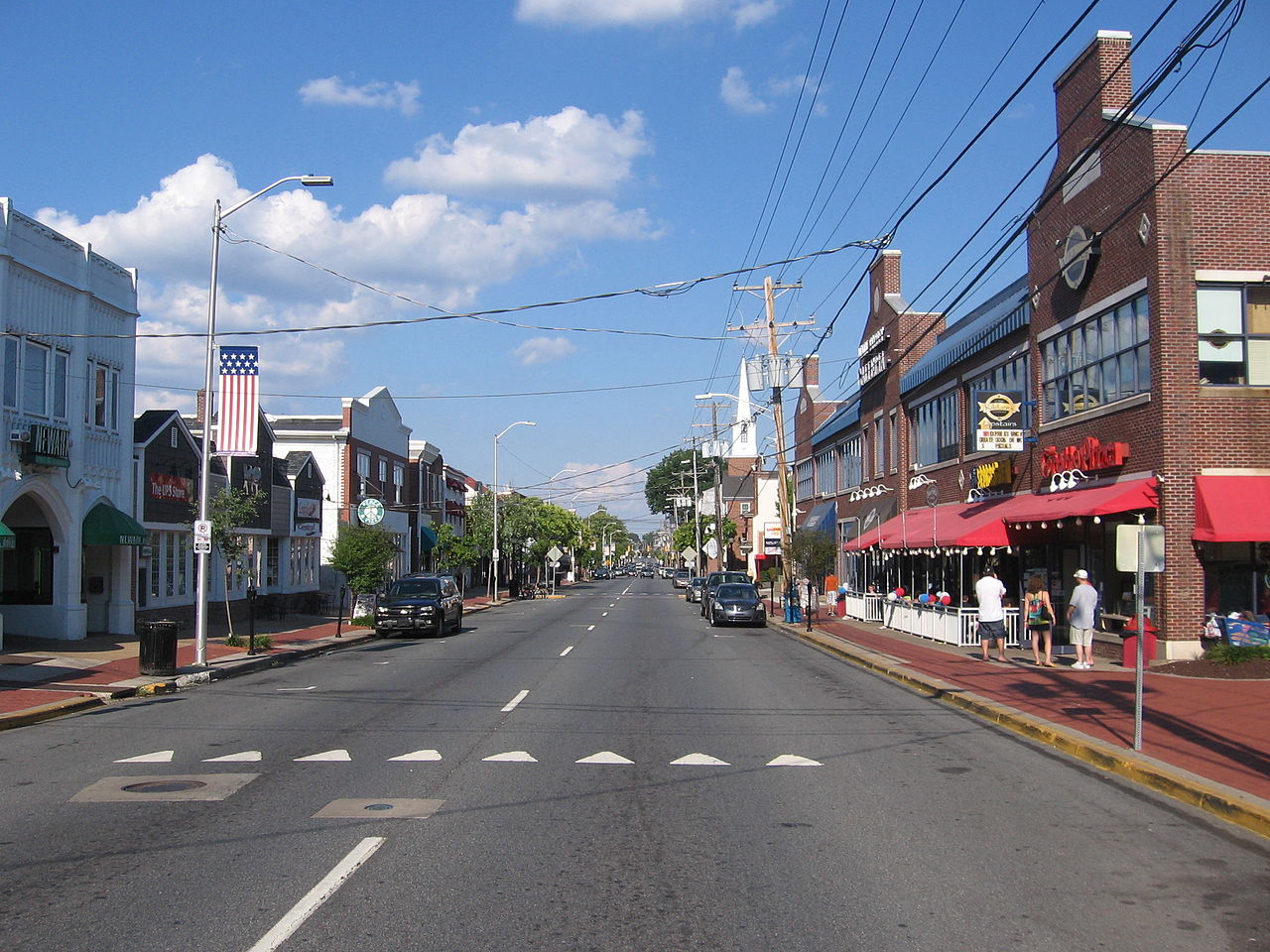
The University’s 24,000-student enrollment drives a Main Street commercial corridor of independent restaurants, bookshops, and bars that provides urban density unusual for a city of roughly 31,000. The Delaware Stadium (home of the Blue Hens football program), the Trabant University Center, and the campus grounds host cultural programming and public events throughout the year.
Newark’s housing market is driven by proximity to the university and to the I-95 corridor (Philadelphia is 40 minutes north). Median home prices in Newark proper run $240,000–$320,000, with suburban neighborhoods to the west and south offering family-size homes in the $300,000–$400,000 range. The Christina School District serves most of Newark, with academic performance that has been improving but remains uneven by neighborhood.
3. Dover — Capital City with Small-Town Character
Dover is Delaware’s state capital and its second-largest city, with a character that reflects its dual role as a government center and a regional hub serving the agricultural eastern Delaware hinterland. The Legislative Mall, the Delaware State Capitol complex, and the First State Heritage Park (a downtown open-air museum interpreting Delaware’s colonial and founding history) anchor a downtown that is historically interesting but economically modest.
Dover Air Force Base, located on the city’s eastern edge, is one of the Air Force’s major mobility hubs and provides significant employment for both military families and civilian contractors. The Air Mobility Command Museum on the base is one of the finest aviation museums on the East Coast, with free admission and no reservation required for individual visitors.
For buyers, Dover’s appeal is price: median values sit around $200,000–$250,000 for single-family homes, among the lowest in the state. The trade-off is a limited job market (government and base employment dominate) and a retail and restaurant scene that has room for improvement. Dover’s position midway between the Wilmington corporate corridor and the Rehoboth Beach resort area makes it a reasonable compromise for people who prioritize housing affordability above other factors.
4. Rehoboth Beach and Lewes — Beach Town Living
Rehoboth Beach and Lewes represent a distinctly different Delaware lifestyle — resort-oriented communities that function as primary residences for a growing population of retirees, remote workers, and people whose careers allow location flexibility. The combination of Atlantic beach access, tax advantages, and a restaurant and cultural scene that exceeds what most resort towns of comparable size offer makes the Delaware beaches among the most sought-after retirement destinations on the East Coast.
The trade-offs are real: summer population swells make traffic on Route 1 severe from June through Labor Day, housing prices have risen dramatically to the $550,000–$750,000+ range for desirable properties, and the social homogeneity of affluent retirees and second-home owners is an unavoidable feature of daily life here. But for the right person — particularly the federal retiree with a pension, no Social Security taxes, and a desire for shoreline living and tax efficiency — the Delaware coast makes financial and lifestyle sense that is difficult to match elsewhere in the Mid-Atlantic region.
5. Middletown — Northern Delaware’s Growth Story
Middletown, in southern New Castle County, has been one of Delaware’s fastest-growing towns for two decades as development has spread south from the Wilmington metro. New master-planned subdivisions, new schools, and the US 301 toll bypass that opened in 2019 have made Middletown increasingly attractive for families who are priced out of northern New Castle County but want a reasonable commute to corporate employment via I-95. New-construction family homes here average $320,000–$420,000 — a sweet spot between Dover’s affordability and northern Delaware’s premium.
Making Your Decision
Choosing where to live in Delaware in 2026 comes down to honestly matching your priorities with what each city and town actually delivers. Budget, career opportunities, proximity to outdoor recreation, climate preferences, and local character all weigh differently depending on your life stage and values — and no ranking can substitute for that personal assessment. The cities and towns profiled in this guide represent the strongest overall options, but Delaware also has smaller places that offer compelling alternatives for those willing to trade urban convenience for affordability, quieter living, or closer reach to natural landscapes. If possible, spend at least a long weekend in your shortlisted communities before committing — the practical factors matter enormously, but so does the less quantifiable sense of whether a place simply feels right for where you are in life.
Frequently Asked Questions
What makes Wilmington Delaware’s most significant city?
Wilmington is Delaware’s largest city and its corporate capital in the most literal sense — the city’s unusually favorable corporate laws (established early in the 20th century and continuously refined) have made Delaware the legal home of over 60% of Fortune 500 companies and the majority of US public corporations, creating a legal services and financial industry of extraordinary concentration for a city of 70,000. The Christina Riverfront has transformed a former industrial waterfront into a mixed-use entertainment district with restaurants, theaters, and minor-league baseball (the Wilmington Blue Rocks). The Delaware Art Museum holds the largest collection of Pre-Raphaelite art outside the United Kingdom, and the Brandywine Valley museum district — including Winterthur — sits 15–20 minutes from the city center. Housing ranges from $160,000 in working-class neighborhoods to $280,000–$350,000 in desirable areas like Trolley Square, with suburbs like Hockessin and Greenville commanding $380,000–$550,000.
What does Newark Delaware offer and why is it pronounced differently?
Newark, Delaware (pronounced “NEW-ark” — not to be confused with New Jersey’s Newark, pronounced “NOO-urk”) is the home of the University of Delaware, a research university whose enrollment of roughly 24,000 students drives a Main Street commercial corridor of independent restaurants, bookshops, and bars providing urban density unusual for a city of roughly 31,000. The university offers significant cultural programming and public events year-round. Newark’s location — 40 minutes from Philadelphia via I-95, within the corporate corridor of northern Delaware — creates strong employment access, and Newark Station sits on Amtrak’s Northeast Corridor, with SEPTA commuter rail to Philadelphia and limited Amtrak Northeast Regional service. Median home prices run $240,000–$320,000 in the city proper, with suburban areas to the west offering family homes in the $300,000–$400,000 range. Newark is consistently rated the most livable place in Delaware for young professionals and families.
What does Dover offer as Delaware’s state capital?
Dover is Delaware’s state capital and second-largest city, with a character reflecting its dual role as government center and regional hub for eastern Delaware’s agricultural areas. The First State Heritage Park is a downtown open-air museum interpreting Delaware’s colonial and founding history, and the Legislative Mall and state capitol complex anchor the city center. Dover Air Force Base, on the city’s eastern edge, is one of the Air Force’s major mobility hubs; the Air Mobility Command Museum on the base is one of the finest aviation museums on the East Coast, with free admission and no reservation required for individual visitors. Dover Motor Speedway hosts NASCAR Cup Series racing, and the venue is set to host the 2026 NASCAR All-Star Race. Housing in Dover is among Delaware’s most affordable, with median prices around $200,000–$250,000 for single-family homes — the trade-off is a limited job market dominated by government and military employment.
Is the Delaware coast suitable for full-time living or only seasonal visits?
Rehoboth Beach and Lewes have evolved into genuine full-time residential communities, with a growing population of retirees, remote workers, and career-flexible residents choosing the Delaware coast as a primary residence. The combination of Atlantic beach access, excellent restaurants, no state income tax on Social Security benefits, low property taxes, no inheritance tax, and a well-developed community infrastructure makes the Delaware beaches among the most sought-after retirement destinations on the East Coast. Trade-offs are real: summer (June through Labor Day) brings severe Route 1 traffic congestion; housing prices have risen dramatically to $550,000–$750,000+ for desirable properties; and the social character skews toward affluent retirees and second-home owners. But for federal retirees and high-earners prioritizing tax efficiency and beach access, Delaware’s coast delivers a cost-benefit combination difficult to match in Maryland or Virginia.
What is Middletown Delaware and why has it grown so rapidly?
Middletown, in southern New Castle County, has been among Delaware’s fastest-growing communities for two decades as residential development has spread south from the Wilmington metro. New master-planned communities, a school system expanding to serve growth, and the US 301 toll bypass that opened in 2019 have made Middletown attractive for families who are priced out of northern New Castle County but need I-95 access for Wilmington or Philadelphia employment. Housing in Middletown averages $320,000–$420,000 for new construction family homes — positioned between Dover’s affordability and northern Delaware’s premium pricing. The Appoquinimink School District, which serves most of the Middletown area, is among the highest-rated districts in Delaware, adding to the appeal for families. The town’s growth represents a broader pattern: Delaware’s favorable tax structure and lower housing costs relative to Pennsylvania, Maryland, and New Jersey continue to attract households from neighboring states who can tolerate a commute to retain Delaware’s financial advantages.