

Best Cities to Live in Colorado: A Realistic 2026 Guide
Colorado’s cities exist within a geography that makes the outdoor lifestyle a constant presence regardless of where you live on the Front Range. Even the largest city, Denver, sits about an hour from major ski terrain and year-round mountain hiking. But Colorado’s cities are not interchangeable. The differences in character, cost, job market, and lifestyle between Denver, Boulder, Fort Collins, Colorado Springs, and Durango are wide enough to deserve a careful look before you commit to a place.
1. Denver — Colorado’s Urban Engine
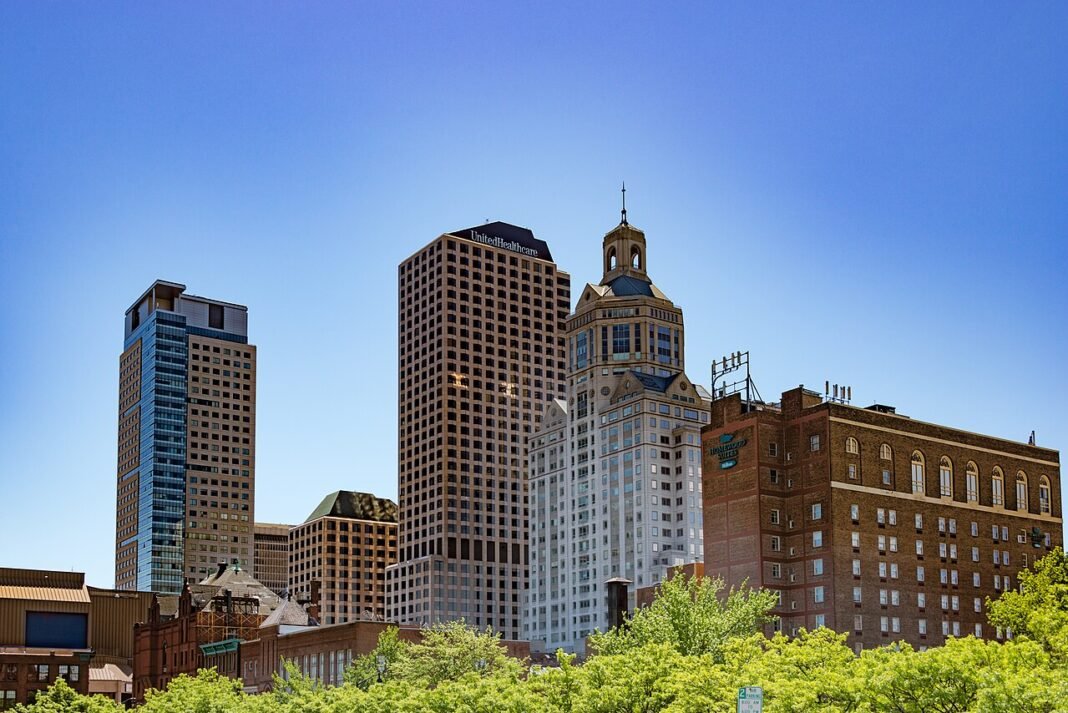
Denver is the dominant city of the Mountain West, a metro area of nearly 3 million people with a serious downtown core, a technology and energy economy that has pulled talent from both coasts, and a cultural life that has deepened markedly over the past two decades. Put together the Denver Art Museum (with a substantial permanent collection and a strong temporary exhibition program), the Museum of Nature and Science, the Denver Performing Arts Complex (one of the largest performing arts centers in the United States), the craft brewery scene (Colorado has one of the highest brewery counts of any state), and the restaurant districts of RiNo, Highland, and LoHi, and you get a density that residents of comparable cities in the Southeast or Midwest would envy.

Denver’s job market is anchored by technology companies (particularly those drawn by the combination of lower costs than San Francisco and access to University of Colorado engineering talent), energy companies (both fossil fuel and the growing renewable energy sector), and a strong healthcare and financial services base. The unemployment rate in Denver has consistently run below the national average, and remote-work migration has added a further layer of highly-compensated transplants to the local economy.

The trade-off is cost: Denver’s housing market has appreciated sharply, and the city’s most desirable neighborhoods (Cherry Creek, Wash Park, Highlands) carry price tags that are tough for median-income buyers. Suburbs like Aurora, Westminster, and Arvada offer more accessible entry points at the cost of urban density and walkability.
2. Boulder — The College Town That Grew Up
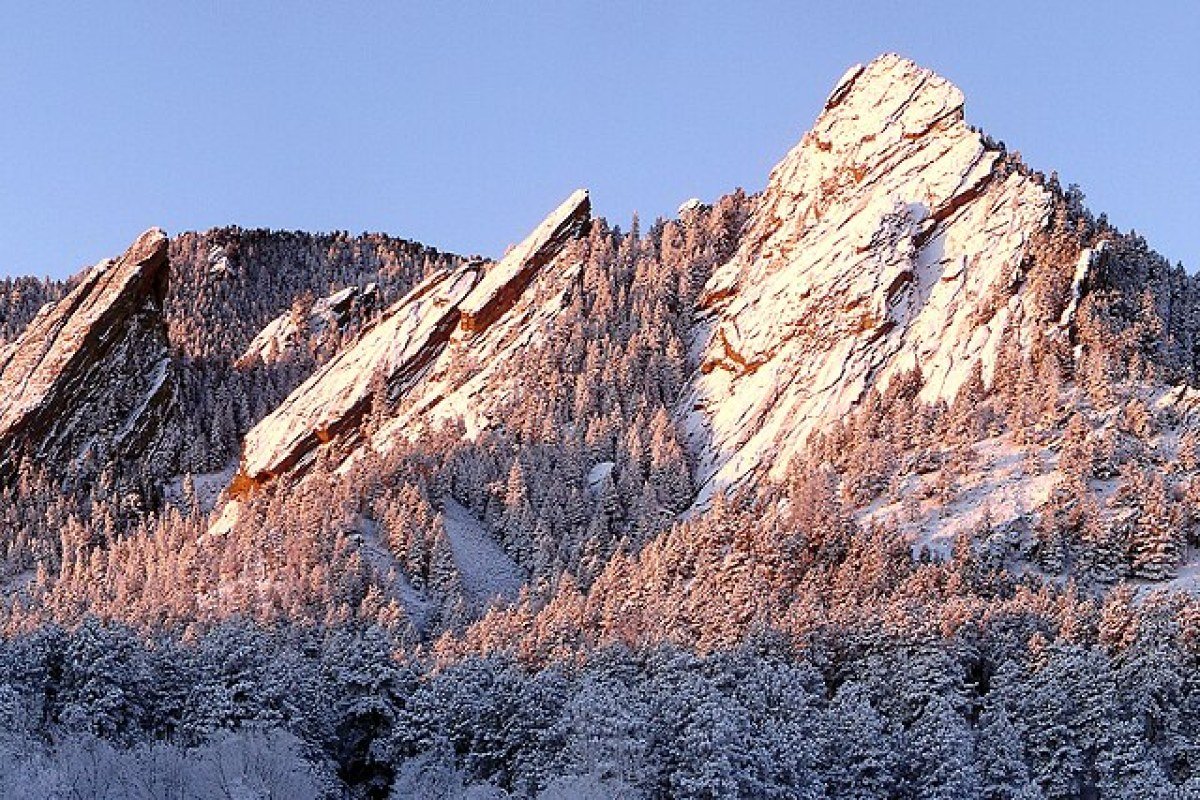
Boulder is Colorado’s sharpest and most beautiful city, and its priciest by a wide margin. The University of Colorado, a biotech and tech ecosystem of national weight, the Flatiron rock formations rising straight behind downtown, and a community that has put outdoor recreation, food, and the environment ahead of almost everything else add up to a city known worldwide and prized at home.
Pearl Street Mall, a pedestrian-friendly outdoor shopping and restaurant district, is the urban heart of Boulder, surrounded by walkable residential neighborhoods with Victorian and early 20th-century housing stock. The Chautauqua Park trails lead from downtown directly into the Flatirons, putting top-tier rock climbing and hiking within walking distance of the city center. The Boulder Farmers Market is regularly ranked among the best in the country.
The financial reality of Boulder is stark: median home prices approach $900,000, and rents are elevated to match. University enrollment and a concentration of biotech employers keep demand perpetually high relative to supply. Boulder works best financially for people whose income comes from the city’s dominant industries or who arrived early enough to benefit from appreciation.
3. Fort Collins — Best Small City in Colorado
Fort Collins regularly appears on national “best places to live” rankings for mid-size cities, and the praise is earned. Colorado State University anchors a city that pairs real urban quality (a walkable downtown, a craft beer scene of national reputation, with New Belgium, Odell, and dozens of smaller breweries calling Fort Collins home, plus good restaurants and a cultural life that punches above its 170,000-person population) with housing costs lower than Denver and Boulder, all while keeping Colorado’s outdoor lifestyle within reach.

Median home prices in Fort Collins run $500,000–$570,000 as of early 2026, elevated from historical norms but a relative bargain next to Denver and far cheaper than Boulder. The city’s tech sector has grown significantly, and its position at the northern edge of the Front Range puts Rocky Mountain National Park (1 hour) and the less crowded public lands along the Wyoming border within easy reach.
4. Colorado Springs — The Southern Front Range’s Major City
Colorado Springs is Colorado’s second-largest city and its most affordable major metro. Median home prices of $450,000–$480,000 as of early 2026 still undercut Denver by a wide margin, and the city’s mix of military employment (Fort Carson, Peterson AFB, NORAD, the Air Force Academy), a growing technology sector, and immediate access to Pikes Peak and Garden of the Gods makes it an increasingly attractive alternative for people priced out of the Denver market.
The cultural scene is thinner than Denver’s, since Colorado Springs is a more traditional, less cosmopolitan city, but the outdoor access is hard to overstate. Garden of the Gods delivers striking scenery and rock climbing within city limits. The Pikes Peak massif offers hiking, cycling (the annual Hill Climb is one of the most famous motorsport events in the US), and summit access by road or cog railway. Cheyenne Mountain State Park and Mueller State Park add still more hiking and wildlife-viewing.
5. Durango — Mountain Town with Real Community
Durango occupies a special place in Colorado’s urban geography as the largest true mountain town: not a ski resort village, but a city of 20,000 with real economic diversity (Fort Lewis College, tourism, the healthcare hub for a large region, ranching and agriculture), strong outdoor access (the San Juan Mountains, the Animas River, Mesa Verde 35 miles west), and a downtown of authentic Western character that has held its ground despite rising tourism pressure.
Housing in Durango has become expensive by small-town standards, with median prices around $600,000–$700,000, but the lifestyle rewards are proportional. Skiing at Purgatory Resort, river rafting and kayaking on the Animas, mountain biking on some of Colorado’s best singletrack, and a cultural calendar that includes the Durango Film Festival and Snowdown winter carnival together create a year-round lifestyle that draws people for the quality of life rather than the career opportunity.
Frequently Asked Questions
What makes Denver Colorado’s best city for relocation?
Denver is the dominant city of the Mountain West, a metropolitan area of nearly 3 million people with a genuinely impressive urban core, a technology and energy economy that has drawn significant talent from both coasts, and a cultural life built around the Denver Art Museum, the Museum of Nature and Science, the Denver Performing Arts Complex (one of the largest in the United States), and a craft brewery scene that gives Colorado one of the highest brewery counts of any state. The RiNo, Highland, and LoHi restaurant and bar districts create urban density comparable to much larger cities. Denver’s job market is anchored by technology companies (drawn by lower costs than San Francisco and access to University of Colorado engineering talent), energy companies (both fossil fuel and renewables), healthcare, and financial services. The trade-off is cost: Denver’s housing market has appreciated sharply, and desirable neighborhoods (Cherry Creek, Wash Park, Highlands) are tough for median-income buyers. Suburbs like Aurora, Westminster, and Arvada provide accessible entry points. Denver sits about an hour from major ski terrain and year-round mountain hiking.
Why is Fort Collins considered Colorado’s best small city?
Fort Collins regularly appears on national “best places to live” rankings for mid-size cities, and the praise is earned. Colorado State University anchors a city of 170,000 that pairs real urban quality (a walkable downtown, a nationally renowned craft beer scene with New Belgium, Odell, and dozens of smaller breweries, good restaurants, and a cultural life that punches above its size) with housing costs lower than Denver and Boulder while still keeping Colorado’s outdoor lifestyle within reach. Median home prices of $500,000–$570,000 as of early 2026 are a relative bargain next to Denver and far cheaper than Boulder. The city’s tech sector has grown significantly, and its position at the northern edge of the Front Range puts Rocky Mountain National Park (1 hour) and the Wyoming border’s less crowded public lands within easy reach.
What is Boulder’s appeal and who is it right for?
Boulder is Colorado’s sharpest and most beautiful city, and its priciest by a wide margin. The University of Colorado, a biotech and tech ecosystem of national weight, the Flatiron rock formations rising directly behind downtown, and a community culture that prioritizes outdoor recreation, food quality, and environmental sustainability have created a globally recognized city. Pearl Street Mall is the pedestrian urban heart; Chautauqua Park trails lead from downtown directly into the Flatirons for top-tier rock climbing and hiking on foot. The financial reality is stark: median home prices approach $900,000, and rents are elevated to match. Boulder works best financially for people whose income comes from the city’s dominant industries (tech, biotech, university) or who arrived early enough to benefit from appreciation.
How does Colorado Springs compare as a more affordable alternative?
Colorado Springs is Colorado’s second-largest city and its most affordable major urban area. Median home prices of $450,000–$480,000 undercut Denver by a wide margin, and the city’s mix of military employment (Fort Carson, Peterson AFB, NORAD, the Air Force Academy), a growing technology sector, and immediate access to Pikes Peak and Garden of the Gods makes it an increasingly attractive alternative for people priced out of the Denver market. Garden of the Gods offers striking scenery and rock climbing within city limits; the Pikes Peak massif offers hiking, cycling, and summit access. The cultural scene is thinner than Denver’s, since Colorado Springs is a more traditional, less cosmopolitan city, but the outdoor access is extraordinary. Cheyenne Mountain State Park and Mueller State Park add still more hiking and wildlife-viewing.
What makes Durango unique among Colorado’s mountain towns?
Durango occupies a special place in Colorado’s urban geography as the largest true mountain town: not a ski resort village, but a city of 20,000 with genuine economic diversity (Fort Lewis College, tourism, the healthcare hub for a large surrounding region, ranching and agriculture), strong outdoor access (the San Juan Mountains, the Animas River, Mesa Verde 35 miles west), and an authentic Western downtown character maintained despite increasing tourism pressure. Housing has become expensive by small-town standards, with median prices around $600,000–$700,000, but the lifestyle rewards are proportional. Skiing at Purgatory Resort, river rafting and kayaking on the Animas, mountain biking on some of Colorado’s best singletrack, and a cultural calendar including the Durango Film Festival and Snowdown winter carnival create a year-round lifestyle that draws people specifically for quality of life rather than career opportunity.