Best Cities to Live in Arizona: A Realistic Guide for 2026
Arizona’s cities are not interchangeable. The Phoenix metro alone contains dozens of distinct municipalities — each with its own character, price point, school system, and lifestyle profile — and living in Scottsdale feels meaningfully different from living in Mesa, Chandler, or Tempe, even though they share the same valley and metropolitan economy. Tucson stands apart from Phoenix in ways that go beyond size. Flagstaff and Sedona occupy their own ecological and cultural niches entirely.

Choosing the right Arizona city means matching your priorities — job access, housing budget, school quality, outdoor access, nightlife, walkability — against what each market actually delivers. Here is an honest assessment of Arizona’s best cities for 2026.
1. Scottsdale — Arizona’s Luxury Leader
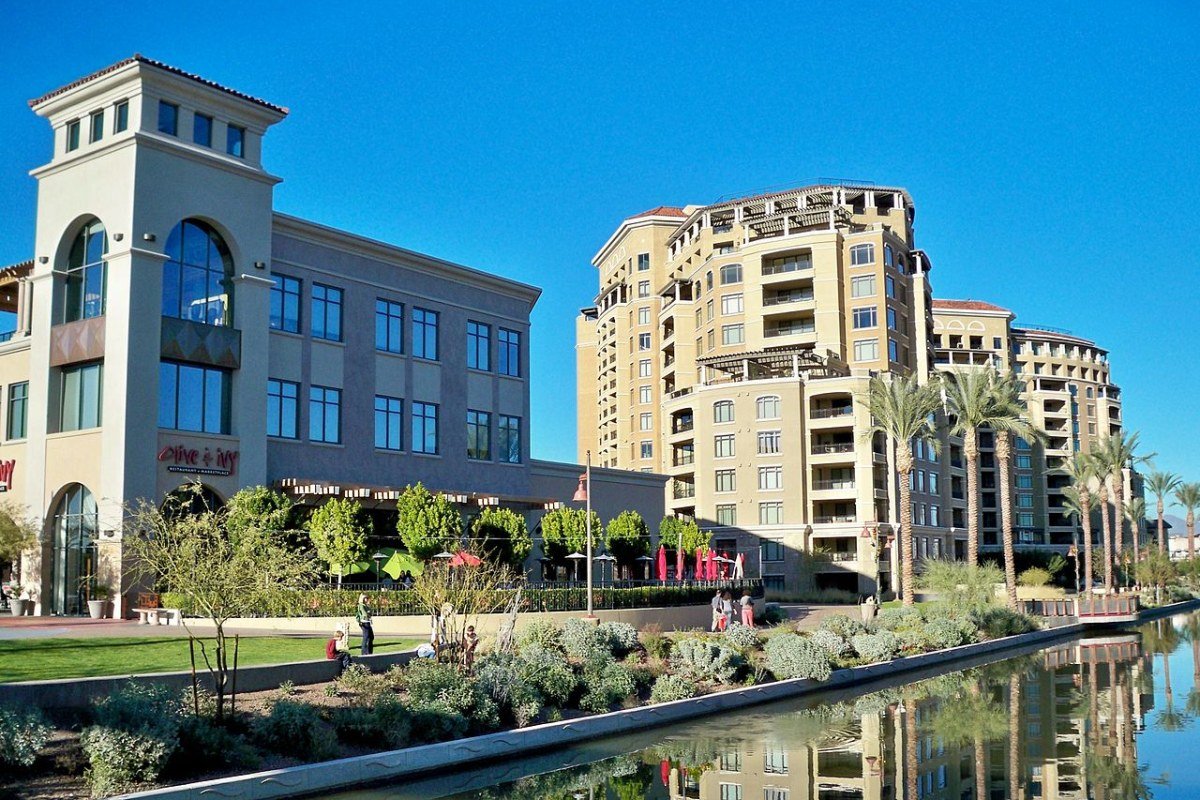
Scottsdale sits at the premium end of the Phoenix metro in virtually every measurable dimension: housing prices, restaurant quality, hotel stock, resort infrastructure, and overall lifestyle polish. The city has earned a global reputation for golf (the PGA Tour’s WM Phoenix Open draws the largest single-day crowds in professional golf history), luxury resorts, and the warm-weather urban living that has made it a retirement magnet for affluent baby boomers and a weekend destination for residents of colder-climate states.

Old Town Scottsdale’s pedestrian-friendly grid of galleries, restaurants, bars, and boutique hotels offers real urban density that is rare in a Sun Belt suburb. The Scottsdale Museum of Contemporary Art anchors a cultural district larger than the city’s demographics would predict. The hiking in the McDowell Sonoran Preserve — over 30,000 acres of protected desert habitat right on the city’s eastern boundary — opens onto some of the best desert trail systems in the Phoenix metro.
The trade-off is cost: median home prices sit in the low-to-mid $900,000s as of 2026, with luxury neighborhoods like North Scottsdale pushing well past $1 million, and rental costs reflect the premium. For families who can afford the housing costs, Scottsdale Unified School District consistently ranks among the highest-performing districts in Arizona.
2. Tempe — The University City Done Right
Tempe’s identity is shaped almost entirely by Arizona State University — the largest public university in the United States by enrollment, with more than 55,000 students on the Tempe campus alone. But calling Tempe “a college town” undersells what the city has become. The downtown Mill Avenue corridor, the redeveloped Tempe Town Lake waterfront, and a restaurant and bar scene that extends well beyond the student market have made Tempe one of the most livable mid-size cities in the Phoenix area.

Housing costs in Tempe run below Scottsdale but above the Phoenix average — Redfin pegs the median sale price around $480,000 in 2026, with two-bedroom apartments typically renting for $1,500–$1,900. The city’s position at the geographic center of the metro makes commuting to jobs across the valley more manageable than from peripheral cities, and the Valley Metro Rail line runs through Tempe, providing rare transit connectivity for the region.
3. Chandler — The Tech Corridor Sweet Spot
Chandler has positioned itself as the heart of Arizona’s semiconductor and technology industry. Intel, TSMC, NXP Semiconductors, and dozens of related firms maintain major operations in or near Chandler, and the city’s economy has benefited enormously from both the broader tech sector’s growth and the federal investment in semiconductor manufacturing that has accelerated since the CHIPS Act of 2022.
For engineers, tech workers, and their families, Chandler delivers on nearly every front: a strong job market, well-funded public schools (Chandler Unified is one of Arizona’s top districts), new housing stock, good shopping and restaurant infrastructure, and prices that run marginally below Scottsdale. Median home prices in the $540,000–$560,000 range currently sit above Phoenix overall but stay reasonable for the quality of life delivered.
4. Tucson — Arizona’s Best-Kept Secret
Tucson is underrated and often overlooked by people fixated on Phoenix’s economic gravity. The city of 550,000 (metro population around 1 million) has a character that Phoenix lacks: a walkable downtown with real architectural history, a lively arts and music scene built around the University of Arizona, extraordinary Mexican food (the city was named a UNESCO Creative City of Gastronomy in 2015, largely on the strength of its Sonoran cuisine heritage), and immediate proximity to some of the best hiking in the state.

The Rincon Mountains east of the city and the Santa Catalinas to the north offer a hiking environment that rivals anything in Phoenix — more dramatic, more ecologically varied, and far less crowded. The Sonoran Desert Museum west of Tucson regularly ranks among the best museums in the United States. Saguaro National Park‘s two districts bracket the city.
Tucson’s housing market remains accessible by Arizona standards: median sale prices sit around $340,000–$370,000, with rental costs proportionally lower than Phoenix. The catch is a smaller job market — Tucson’s economy leans on the University of Arizona, Davis-Monthan Air Force Base, and a growing tech and medical sector that trails Phoenix in scale.
5. Gilbert — Family-Focused Growth City
Gilbert has transformed from farmland into one of Arizona’s fastest-growing and most family-oriented cities over the past two decades. The city turns up regularly on national “best places to raise a family” rankings thanks to its combination of low crime rates, high school performance, new housing stock, and family-focused amenities.
The Heritage District provides a compact, walkable dining and entertainment core unusual for a suburban city. Riparian Preserve at Water Ranch offers 110 acres of urban wildlife habitat and an astronomy observatory. Gilbert’s newer master-planned communities come with the organized recreational infrastructure — splash pads, sports complexes, greenways — that families with young children value most. Median home prices in Gilbert run around $575,000 as of 2026, slightly above Chandler and reflecting strong demand from relocating tech families.
6. Flagstaff — Mountain Life at 7,000 Feet
Flagstaff is for people who want Arizona’s outdoor opportunities without Arizona’s desert heat. The city sits at 7,000 feet elevation on the edge of the San Francisco Peaks, runs through four real seasons with proper winter snow, and offers immediate access to hiking, mountain biking, skiing at Arizona Snowbowl, and some of the darkest skies in the continental United States — Flagstaff was named the world’s first International Dark Sky City in 2001.
The Northern Arizona University campus anchors a downtown whose restaurant and cultural quality outstrips Flagstaff’s 75,000-person population. Route 66 nostalgia, a thriving craft brewery scene, and proximity to the Grand Canyon (80 miles north) round out the appeal.
Housing in Flagstaff is surprisingly expensive for a smaller city — the combination of limited buildable land, university enrollment, and tourism pressure has pushed median sale prices to roughly $700,000–$740,000 as of 2026 and rental costs to levels comparable with Phoenix. The payoff — four seasons, pine forests, mountain air, and a different pace of life — is real, and worth it for the right person.
Frequently Asked Questions
What makes Scottsdale Arizona’s best city for luxury living?
Scottsdale sits at the premium end of the Phoenix metro in virtually every measurable dimension: housing prices, restaurant quality, hotel stock, resort infrastructure, and overall lifestyle polish. The city has earned a global reputation for golf — the PGA Tour’s WM Phoenix Open at TPC Scottsdale draws the largest single-day crowds in professional golf history — and for luxury resorts. Old Town Scottsdale’s pedestrian-friendly grid of galleries, restaurants, bars, and boutique hotels offers real urban density that is rare in a Sun Belt suburb. The Scottsdale Museum of Contemporary Art anchors a cultural district larger than the city’s demographics would predict. The McDowell Sonoran Preserve — over 30,000 acres of protected desert habitat on the city’s eastern boundary — opens onto some of the best desert trail systems in the Phoenix metro. The trade-off is cost: median home prices sit in the low-to-mid $900,000s, with luxury neighborhoods pushing past $1 million, and Scottsdale Unified School District is among Arizona’s highest-performing.
What does Chandler offer tech and engineering professionals in Arizona?
Chandler has positioned itself as the heart of Arizona’s semiconductor and technology industry. Intel, TSMC, NXP Semiconductors, and dozens of related firms maintain major operations in or near Chandler, and the city’s economy has benefited enormously from the federal CHIPS Act of 2022 investment in semiconductor manufacturing. For engineers, tech workers, and their families, Chandler delivers on nearly every front: a strong job market, Chandler Unified School District (one of Arizona’s top-rated districts), new housing stock, good restaurant and shopping infrastructure, and housing in the $540,000–$560,000 median range as of 2026 that sits above Phoenix but stays reasonable for the quality of life delivered. Tempe, adjacent to Chandler, is shaped by Arizona State University — the largest public university in the United States by enrollment with 55,000+ students on the Tempe campus — and offers Valley Metro Rail connectivity, a Tempe Town Lake waterfront, and median apartment rents of $1,500–$1,900.
Why do many people consider Tucson underrated compared to Phoenix?
Tucson is underrated and often overlooked by people fixated on Phoenix’s economic gravity. The city of 550,000 (metro approximately 1 million) has a character Phoenix lacks: a walkable downtown with real architectural history, a lively arts and music scene built around the University of Arizona, extraordinary Mexican food (Tucson was named a UNESCO Creative City of Gastronomy in 2015 largely on the strength of its Sonoran cuisine heritage), and immediate proximity to some of the best hiking in Arizona. The Rincon Mountains east of the city and the Santa Catalinas to the north offer a hiking environment more dramatic, more ecologically varied, and far less crowded than Phoenix’s trails. The Sonoran Desert Museum west of Tucson regularly ranks among the best museums in the United States. Saguaro National Park’s two districts bracket the city. Tucson’s housing market remains accessible: median sale prices $340,000–$370,000 as of 2026, with rental costs proportionally lower than Phoenix.
What does Flagstaff offer as a place to live in Arizona?
Flagstaff is for people who want Arizona’s outdoor opportunities without Arizona’s desert heat. The city sits at 7,000 feet elevation on the edge of the San Francisco Peaks, runs through four real seasons with snow in winter, and offers immediate access to hiking, mountain biking, skiing at Arizona Snowbowl, and some of the darkest skies in the continental United States — Flagstaff was named the world’s first International Dark Sky City in 2001. Northern Arizona University anchors a downtown whose restaurant and cultural quality outstrips Flagstaff’s 75,000-person population. The city is 80 miles from the Grand Canyon, adding practical day-trip access to one of the world’s great natural wonders. Housing in Flagstaff is surprisingly expensive for a smaller city — limited buildable land, university enrollment, and tourism pressure have pushed median sale prices to roughly $700,000–$740,000 as of 2026 and rental costs to levels comparable with Phoenix.
What are Gilbert and Mesa’s strongest appeals for Arizona families?
Gilbert has transformed from farmland into one of Arizona’s fastest-growing and most family-oriented cities over the past two decades. The city turns up regularly on national “best places to raise a family” rankings thanks to its combination of low crime rates, high school performance, new housing stock, and family-focused amenities. The Heritage District provides a compact, walkable dining and entertainment core unusual for a suburban city. Riparian Preserve at Water Ranch offers 110 acres of urban wildlife habitat and an astronomy observatory. Gilbert’s newer master-planned communities come with organized recreational infrastructure — splash pads, sports complexes, greenways — that families with young children value most. Mesa, the third-largest city in Arizona, offers the most affordable housing in the Phoenix metro’s desirable areas combined with the Mesa Arts Center (one of the Southwest’s finest performing arts venues) and direct access to the Superstition Wilderness for outdoor recreation.