Prince Edward Island is Canada’s smallest province — a gentle, pastoral island of red soil, rolling farmland, covered bridges, and some of the finest warm-water beaches in Atlantic Canada. It’s also the setting of one of Canada’s most beloved literary traditions: Lucy Maud Montgomery’s Anne of Green Gables, published in 1908 and still deeply woven into the island’s culture and identity. For visitors seeking a quieter, more contemplative side of Canada — fresh seafood, gentle cycling routes, and landscapes that seem to have changed very little in a century — PEI rewards in ways the more obvious Canadian destinations cannot match. Give it at least three days to do it justice.
Getting There and Getting Around
PEI is connected to New Brunswick by the Confederation Bridge — the world’s longest bridge over ice-covered water at 12.9 kilometres, completed in 1997. The crossing takes about 10 minutes by car and is free in one direction — a toll (currently CAD $20 per vehicle for a standard car) is charged only when leaving the island, which means you can cross from New Brunswick for free. Northumberland Ferries run May through December between Wood Islands, on PEI’s eastern shore, and Caribou, Nova Scotia (about 75 minutes across the Northumberland Strait). Charlottetown Airport receives Air Canada and Air Canada Express flights from Toronto, Montreal, and Halifax. A rental car is essentially required for exploring the island — public transit is extremely limited outside Charlottetown, and PEI’s greatest pleasures are spread across the countryside.
Charlottetown: Canada’s Birthplace
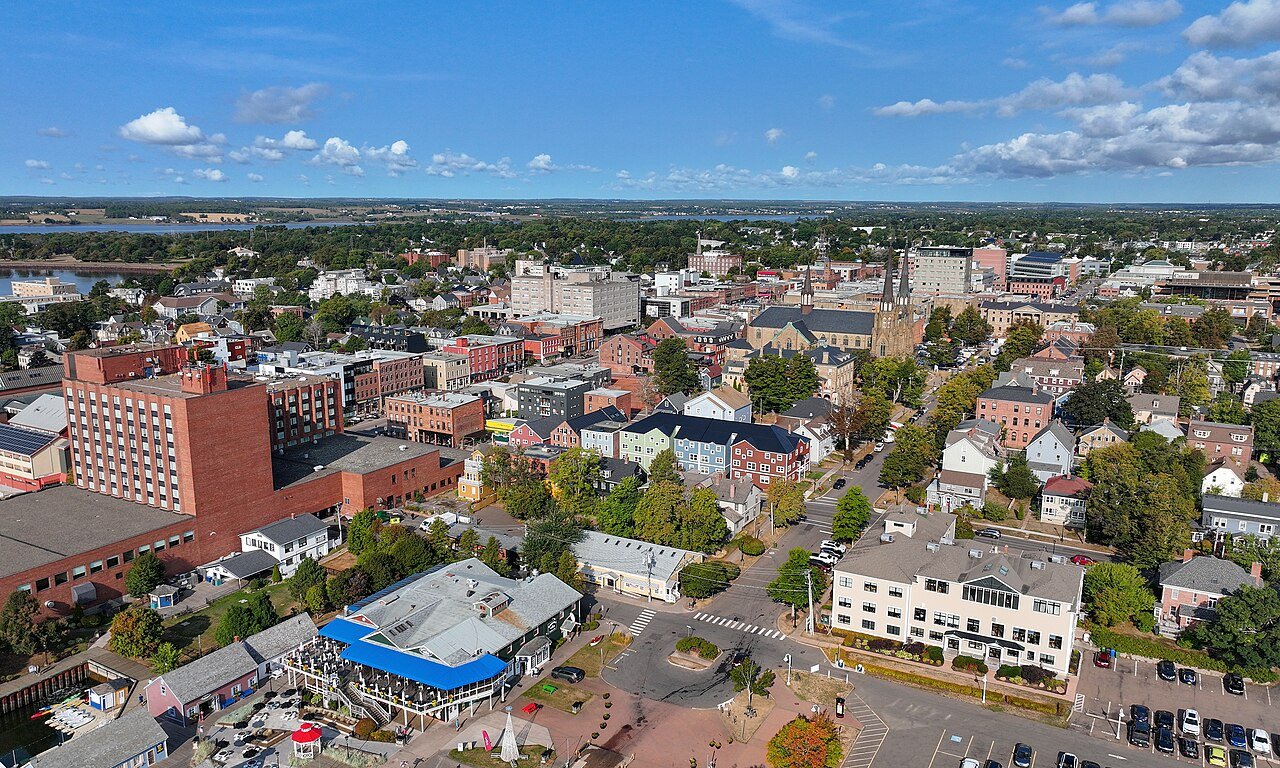
Charlottetown is the smallest provincial capital in Canada — a walkable city of handsome Victorian architecture, a lively restaurant scene anchored by fresh local seafood, and considerable historical significance. The Charlottetown Conference of 1864, held at Province House (a Parks Canada National Historic Site, closed to visitors for a major restoration and expected to reopen in late 2026), was the first formal step toward Canadian Confederation — Charlottetown is officially the “Birthplace of Canada.” The waterfront boardwalk has excellent restaurants including the Water Prince Corner Shop (outstanding chowder and lobster rolls, lined up around the corner in peak season) and several more upscale options along the marina. Confederation Centre of the Arts is both a substantial art gallery (admission by donation outside peak season) and the venue for the annual Charlottetown Festival, which premiered the Anne of Green Gables musical in 1965 and ran it every summer for decades — long enough for Guinness World Records to recognize it as the longest-running annual musical theatre production. The show now returns in alternating years rather than every season.
Anne of Green Gables Country
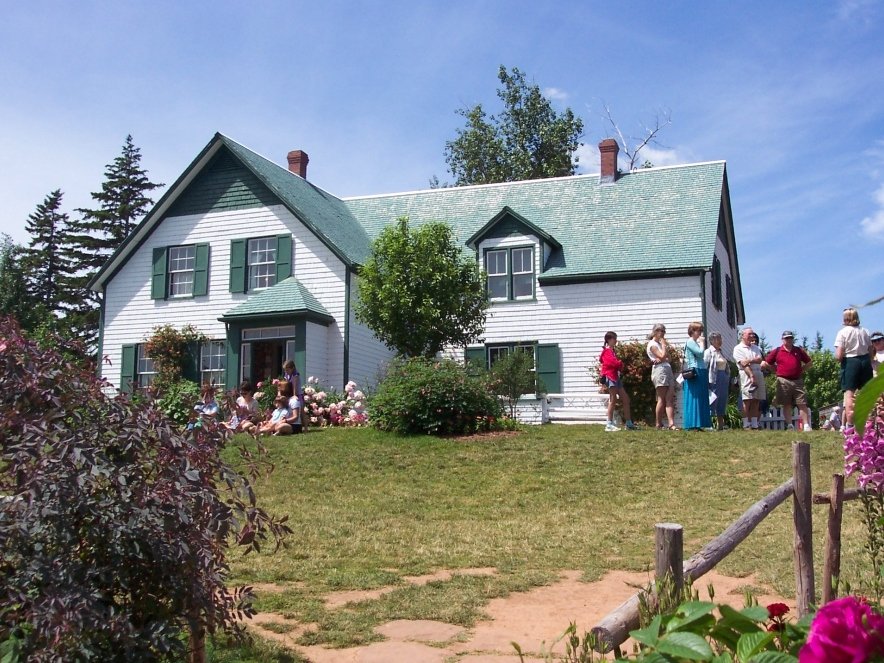
For the millions of readers — particularly in Japan, where the book has an extraordinary following — the landscape of PEI’s Cavendish area is deeply meaningful. Green Gables Heritage Place in Cavendish is a Parks Canada site preserving the farmhouse that inspired Montgomery’s fictional home, with well-developed interpretive exhibits about the book’s creation and the author’s life. The grounds are carefully kept, with flower gardens, the Haunted Wood walking trail, and the Lover’s Lane path that feature in the novels. Montgomery’s birthplace in New London (a small red-frame house, now a museum) and her burial site in Cavendish Cemetery are also accessible and worth visiting for those with a deeper interest in the literary context. Even visitors who have never read the books tend to be won over by the Cavendish countryside — red soil roads, green fields, blue sky, weathered barns.
PEI’s Beaches: Warm Sand and Warmer Water
The north shore beaches, within Prince Edward Island National Park, rank with the best in Atlantic Canada — and the water temperature here surprises most visitors. The Gulf of St. Lawrence runs significantly warmer than the Atlantic Ocean at comparable latitudes, reaching 20–22°C in July and August, which makes PEI beaches genuinely comfortable for swimming rather than just scenic. Cavendish Beach, Brackley Beach, and Greenwich (with its remarkable parabolic dunes and the distinctive red iron oxide that colours the sand and soil across the island) are the highlights of the national park. The national park day use fee (CAD $10.00 per adult) provides access to all park beaches and the excellent interpretive centre at Greenwich. Basin Head on the eastern island has “singing sand” — its unusual silica purity causes a squeaking sound when you walk on it, audible if you scuffle your feet on a dry day.
Lobster: The Heart of PEI Food Culture
PEI lobster has a reputation that holds up — the cold, clean waters of the Gulf of St. Lawrence produce exceptionally sweet shellfish that chefs across Canada and abroad prize. The lobster season runs in two windows: the spring season (May–June) and the fall season (August–October). Lobster suppers — a PEI institution since the 1950s — typically include a 1-pound lobster, seafood chowder, mussels, fresh rolls, and dessert for around CAD $45–55, and are offered at church halls and dedicated restaurants throughout the island. St. Ann’s Church Lobster Supper in Hope River and the New Glasgow Lobster Suppers have been operating for decades and represent genuine community traditions rather than tourist productions. The Malpeque Bay oysters grown here are among the most highly regarded in the world — you can buy them from the dock at Malpeque for a fraction of what they cost in a city restaurant.
Cycling and the Confederation Trail
The Confederation Trail is a 449km multi-use recreational network built on PEI’s former railway corridor, with a hard-packed crushed stone surface suitable for road and hybrid bikes; the main tip-to-tip route runs 273km from Tignish to Elmira. The full length is manageable in about 5–7 days of easy cycling through the island’s farmland, with small towns every 20–30km providing accommodation, food, and water. The eastern portion of the trail (from Charlottetown to Souris) passes through some of PEI’s finest farmland, with long views out to the north shore. Bike rentals are available in Charlottetown, Cavendish, and Summerside. The combination of flat terrain, quiet roads, and genuinely welcoming small communities makes PEI one of the best cycling destinations in eastern Canada.
When to Visit
High season on the island runs June through August — beaches are warm and busy, lobster is abundant, and the entire tourism infrastructure is operating. July and August are the busiest months; accommodation should be booked 2–3 months in advance for the most popular destinations (Charlottetown and Cavendish particularly). September is arguably the finest month — quieter, still warm, the harvest season brings excellent produce to farm stands, and the fall foliage begins in late September. The island is largely shut for visitors between November and April, with many restaurants and attractions closed for the winter.
Frequently Asked Questions
How do you get to Prince Edward Island and what is the best way to get around?
PEI is connected to New Brunswick by the Confederation Bridge — the world’s longest bridge over ice-covered water at 12.9 kilometres, completed in 1997. The crossing takes about 10 minutes by car; the toll (CAD$20 per vehicle as of 2026) is charged only when leaving the island, meaning you can cross from New Brunswick for free. Northumberland Ferries run May through December between Wood Islands, on PEI’s eastern shore, and Caribou, Nova Scotia (approximately 75 minutes across the Northumberland Strait). Charlottetown Airport receives Air Canada and Air Canada Express flights from Toronto, Montreal, and Halifax. A rental car is essentially required for exploring the island — public transit is extremely limited outside Charlottetown, and PEI’s greatest pleasures (beaches, Anne of Green Gables country, lobster suppers at rural church halls, the Confederation Trail) are dispersed across the countryside.
Why is Charlottetown significant and what are its main attractions?
Charlottetown is Canada’s smallest provincial capital and its most historically significant city: the Charlottetown Conference of 1864, held at Province House (a Parks Canada National Historic Site, closed to visitors for a major restoration and due to reopen in late 2026), was the first formal step toward Canadian Confederation — Charlottetown is officially the “Birthplace of Canada.” The waterfront boardwalk has excellent restaurants including the Water Prince Corner Shop, famous for outstanding chowder and lobster rolls with lineups around the corner in peak season. The Confederation Centre of the Arts is both a significant art gallery (admission by donation outside peak season) and the venue for the annual Charlottetown Festival, which premiered the Anne of Green Gables musical in 1965 and ran it every summer for decades — recognized by Guinness World Records as the longest-running annual musical theatre production, though it now returns in alternating years rather than every season.
What is the Anne of Green Gables experience on PEI?
For the millions of readers worldwide — particularly in Japan, where the book has an extraordinary cultural following — the landscape of PEI’s Cavendish area is deeply meaningful. Green Gables Heritage Place in Cavendish is a Parks Canada site preserving the farmhouse that inspired Montgomery’s fictional home, with interpretive exhibits about the book’s creation and the author’s life, the Haunted Wood walking trail, and the Lover’s Lane path that feature in the novels. Lucy Maud Montgomery’s birthplace in New London (a small red-frame house, now a museum) and her burial site in Cavendish Cemetery are also accessible and worth visiting for those with a deeper literary interest. Even visitors who have never read the books tend to be won over by the Cavendish countryside — red soil roads, green fields, blue sky, weathered barns — on its own terms.
What are PEI’s beaches like and which are the best to visit?
PEI’s north shore beaches, within Prince Edward Island National Park, are among the finest in Atlantic Canada — and the water temperature surprises most visitors. The Gulf of St. Lawrence is significantly warmer than the Atlantic at comparable latitudes, reaching 20–22°C in July and August, making PEI beaches genuinely comfortable for swimming rather than just scenic. Cavendish Beach, Brackley Beach, and Greenwich (with remarkable parabolic dunes and the distinctive red iron oxide colouring the sand and soil) are the national park highlights. The national park day use fee (CAD$10.00 per adult) provides access to all park beaches and the excellent Greenwich interpretive centre. Basin Head on the eastern island has “singing sand” — its unusual silica purity causes a squeaking sound when you walk on it, audible on a dry day if you scuffle your feet.
What is the lobster experience on PEI and how does the Confederation Trail work?
PEI lobster has a reputation that holds up — the cold, clean waters of the Gulf of St. Lawrence produce exceptionally sweet shellfish prized by chefs across Canada. The lobster season runs in two windows: the spring season (May–June) and the fall season (August–October). Lobster suppers — a PEI institution since the 1950s — typically include a 1-pound lobster, seafood chowder, mussels, fresh rolls, and dessert for around CAD$45–$55, offered at church halls and dedicated restaurants across the island. St. Ann’s Church Lobster Supper in Hope River and New Glasgow Lobster Suppers have operated for decades and represent genuine community traditions. The Confederation Trail is a 449km multi-use recreational network on the former railway corridor — a hard-packed crushed stone surface suitable for road and hybrid bikes, with a 273km tip-to-tip main route from Tignish to Elmira. The full length is manageable in 5–7 days, with small towns every 20–30km providing accommodation and food.