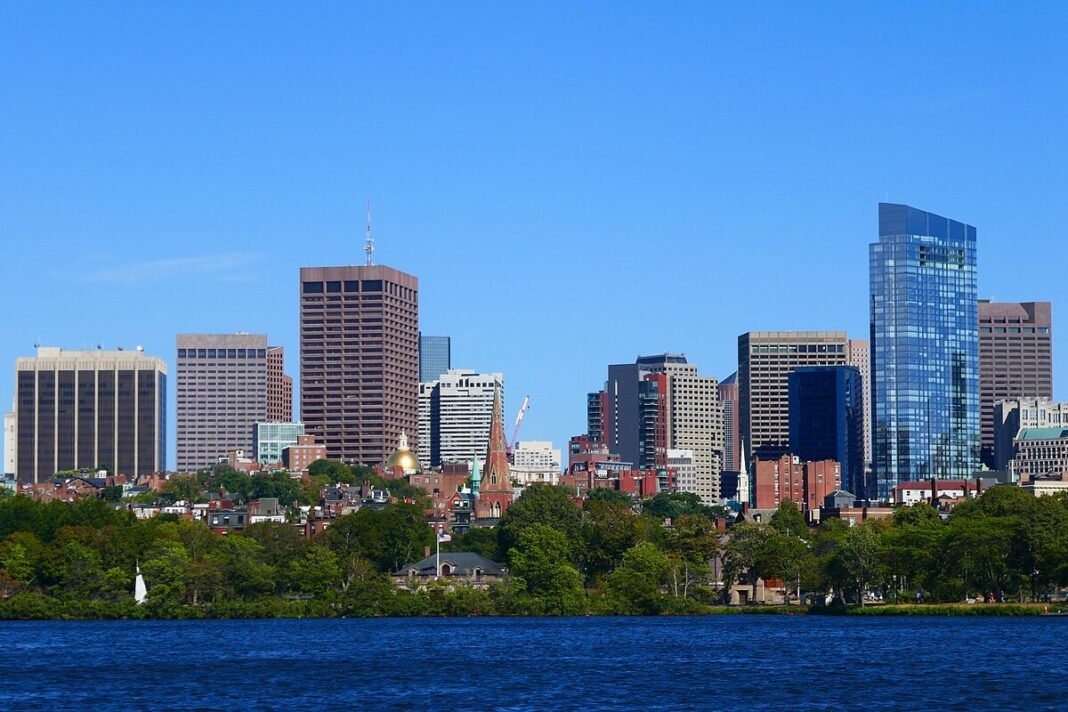
There’s something about Boston that makes you feel like you’re walking through a living textbook — but without the boring parts. The cobblestone streets of Beacon Hill, the smell of fresh cannoli drifting out of a North End bakery, the electric atmosphere around Fenway Park on game night — Boston isn’t just a history lesson. It’s one of the most genuinely walkable, culturally rich, and endlessly rewarding cities in the United States, and it surprises travelers in ways that few American cities can match.
A long weekend or a full week — either way, this guide sticks to what actually matters: the Freedom Trail done right, the neighborhoods worth your time, where locals eat, how to get around without losing your mind, and the day trips that turn a good Boston trip into a great one.
The Freedom Trail: America’s Most Historic Walk
The Freedom Trail is the single best introduction to Boston — a 2.5-mile walking route marked by a red line in the pavement connecting 16 sites that shaped the American Revolution. It earns its popularity completely. Starting at Boston Common (the oldest public park in America, established in 1634), the trail winds past the Massachusetts State House, the Granary Burying Ground where Paul Revere, Samuel Adams, and John Hancock are buried, Faneuil Hall (still a working marketplace after 270+ years), and Paul Revere’s House in the North End — the oldest surviving structure in downtown Boston.
The trail ends in Charlestown at the Bunker Hill Monument and the USS Constitution — the oldest commissioned naval vessel still afloat anywhere in the world. Allow a full day if you want to go inside the museums along the route. Guided Freedom Trail tours run daily and typically cost $20–$35 per person; for history buffs, they’re worth every cent. Self-guided audio tours are available through several apps if you prefer setting your own pace.
Boston’s Neighborhoods: Where the City Actually Lives
Beacon Hill
Beacon Hill is one of the most beautiful urban neighborhoods in America. Federal-style brick rowhouses, gas-lit lanterns, narrow cobblestone streets, and window boxes overflowing with flowers in spring — it feels like the 19th century simply decided not to leave. Charles Street at the base of the hill is lined with antique dealers, florists, and excellent cafés. Acorn Street, just off Charles, has been the most photographed street in New England for decades — it looks like a film set, except it’s been lived in continuously since the 1820s.
The North End
Boston’s oldest neighborhood is also its most aromatic. The North End is the city’s Italian district — a dense maze of narrow streets packed with excellent restaurants, espresso bars, and a cannoli rivalry that locals take seriously. Mike’s Pastry versus Modern Pastry has been an unresolved debate for decades, which conveniently means the only responsible course of action is to try both. Beyond the pastry wars: Neptune Oyster is widely considered the best seafood restaurant in the city, and Mamma Maria offers upscale Italian in a historic townhouse setting that feels genuinely special.
Back Bay and the South End
Back Bay is Boston’s most photogenic Victorian neighborhood — a grid of brownstone-lined streets built on landfill in the 1850s and 60s. Newbury Street is the main commercial strip, mixing high-end boutiques with independent coffee shops and galleries. The adjacent South End has evolved into one of the strongest dining neighborhoods in New England, with a particularly good brunch scene and a cluster of James Beard Award-recognized restaurants along Tremont Street.
The Seaport District
Boston’s newest neighborhood is built on a reclaimed working waterfront. The Seaport is all glass towers, waterfront hotels, and design-forward restaurants — a deliberate contrast to the city’s brick-heavy aesthetic. The Institute of Contemporary Art is here (free Thursday evenings), and on a clear day the harbor views from the Harborwalk stretch all the way to the Harbor Islands. It’s worth an afternoon even if contemporary architecture isn’t your thing.
%20julesvernex2.jpg?width=1200)
Eating and Drinking Like a Bostonian
Boston’s food culture is shaped by the sea, by centuries of immigration, and by an almost competitive civic pride. The clam chowder situation must be addressed immediately: New England style (thick, cream-based) is the correct version here. The Manhattan tomato-based interpretation is not chowder. This is non-negotiable in Boston. Legal Sea Foods is the famous chain; for something more memorable, Neptune Oyster in the North End is the benchmark. Island Creek Oyster Bar in Kenmore Square sources its shellfish directly from local Cape Cod farms — the difference in freshness is noticeable.
The lobster roll is the quintessential New England sandwich: sweet, cold lobster meat in a toasted, split-top bun. James Hook & Co., a lobster wholesaler on the waterfront, sells them at wholesale prices from a small window — no atmosphere whatsoever, but possibly the best value in the city. For craft beer, Trillium Brewing is considered one of the top IPA producers in the country; their Fort Point location has a great outdoor space in summer. The Bell in Hand Tavern on Union Street has been serving since 1795, making it one of the oldest continuously operating bars in the United States.
Harvard, MIT, and Cambridge
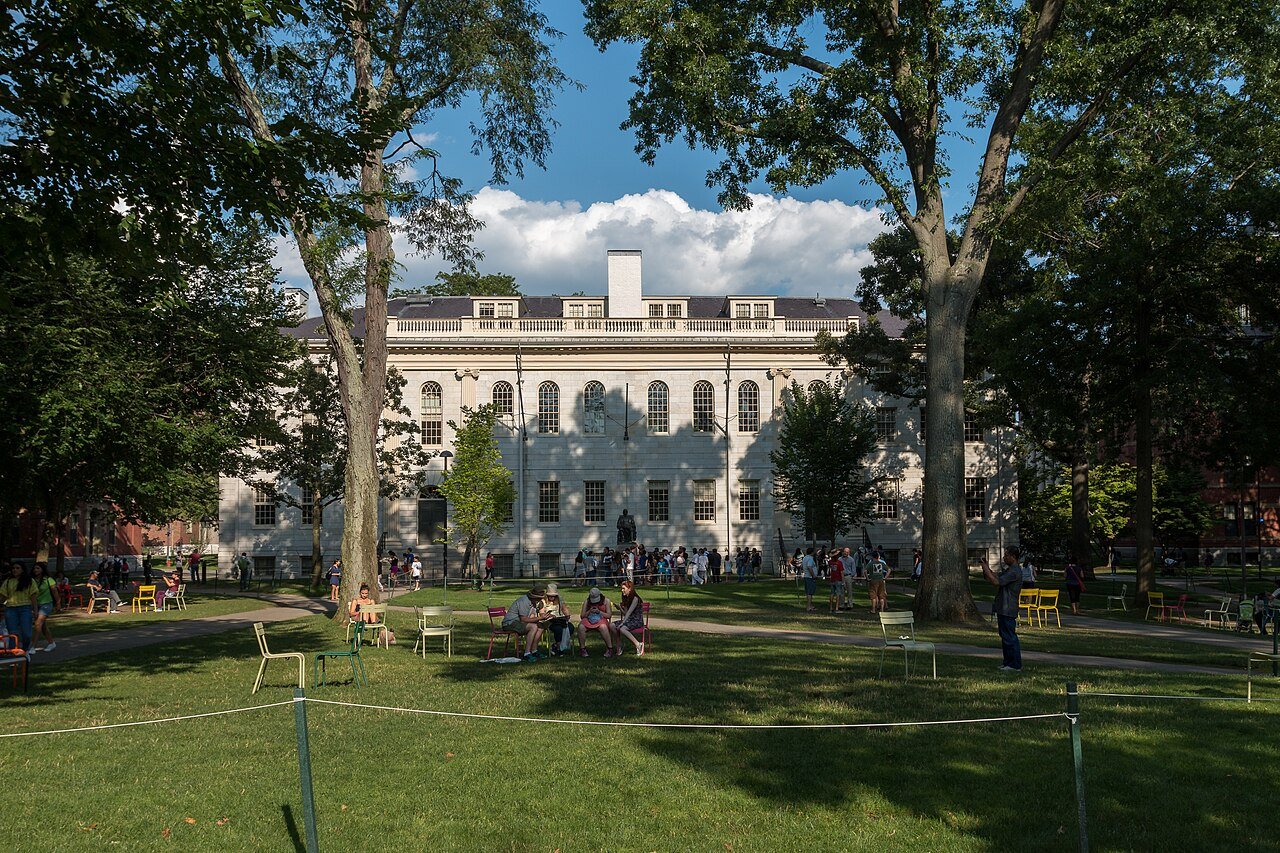
Cross the Charles River via the MBTA Red Line and you’re in Cambridge — a city within a city that feels entirely distinct from Boston proper. Harvard Square is excellent for independent bookshops (Harvard Book Store has a famously good used section), café culture, and people-watching. The Harvard Art Museums hold one of the strongest university art collections in the world — the Fogg’s range from Dutch masters to American modernism is genuinely impressive and admission is under $20. Free campus tours of both Harvard and MIT run throughout the year and are open to anyone without registration.
MIT’s campus rewards architectural curiosity. Frank Gehry’s Stata Center looks like a building caught mid-collapse — intentionally, and brilliantly. The MIT Museum has recently relocated to a new building near Kendall Square and has excellent exhibits on robotics and artificial intelligence that are accessible to non-engineers. Kendall Square itself has become one of the most concentrated biotech and startup ecosystems on earth; the restaurant scene that has grown up around it is notably good.
Getting to Boston and Getting Around
Boston Logan International Airport (BOS) is one of the best-located major airports in the country — the free Silver Line bus (SL1) connects Terminal E directly to South Station downtown in about 20 minutes. Flights to Boston are competitive from most East Coast and Midwestern cities, and direct transatlantic routes make it a strong entry point for European visitors. Amtrak’s Acela connects Boston to New York Penn Station in 3.5 hours and to Philadelphia in under 5 — often faster door-to-door than flying when you factor in airport time, and you arrive in the center of Manhattan rather than JFK or Newark.
Once you’re in the city, the MBTA — “the T” — covers everything you’ll want to see. A CharlieCard (reloadable at any station) brings subway fares down to $2.40 per ride. Do not rent a car in Boston unless you’re leaving the city: parking is genuinely scarce and expensive, traffic is legendarily chaotic, and the street layout was designed for a pre-automobile era with no interest in logical navigation. On foot and on the T, Boston is excellent. By car, it’s a stress test.
When to Visit Boston
September and October are the peak months for good reason: the summer crowds have thinned, the weather is crisp and clear, and the foliage in the Boston Public Garden and the Arnold Arboretum is genuinely spectacular. Fall in New England is not overhyped. Spring (April through May) is also excellent, though unpredictably rainy. July and August are hot and busy but bring outdoor concerts, harbor events, and the July 4th celebration on the Esplanade, which draws enormous crowds to see the Boston Pops perform under fireworks. Winter rates at Boston hotels drop substantially, and the city takes on a quieter, more authentic character worth experiencing if you can handle the cold.
Day Trips from Boston Worth Making
- Salem (1 hour north): Famous for the 1692 witch trials, Salem has built a sophisticated cultural tourism industry. The Peabody Essex Museum is one of the finest art and culture institutions in New England, with collections completely separate from the witch trial narrative. October is festive and packed; any other season is calmer and equally interesting.
- Cape Cod (1.5 hours south): 559 miles of coastline, outstanding National Seashore beaches, historic lighthouses, and the artistic community of Provincetown at the tip. Go midweek or in early September for the best combination of good weather and manageable crowds.
- Newport, Rhode Island (1.5 hours south): The Gilded Age mansions along Bellevue Avenue are extraordinary — the Breakers alone justifies the trip. The free Cliff Walk runs along the ocean below the mansions and offers some of the best coastal views in the Northeast.
- Plymouth (1 hour south): The 1620 Mayflower landing site. Plimoth Patuxet is a thoughtfully designed living history museum that presents both the Pilgrim and Wampanoag perspectives — more nuanced and honest than most visitors expect.
Practical Tips Before You Go
For hotels near the Freedom Trail, the Omni Parker House on School Street sits directly on the route and has remarkable history of its own — it’s where the Boston cream pie was invented and where Ho Chi Minh once worked as a baker. The Lenox Hotel on Boylston Street is an excellent independently owned option in Back Bay. Budget travelers will find better rates in Cambridge or along the Green Line in Brookline, both within easy T access to downtown. The Go Boston Card bundles admissions to multiple attractions and saves meaningful money for visitors planning to hit several museums. For international travelers, always purchase travel insurance before any US trip — American healthcare costs make even a routine medical visit expensive without coverage.
Frequently Asked Questions
What is the Freedom Trail and how long does it take?
The Freedom Trail is a 2.5-mile walking route marked by a red line in the pavement connecting 16 sites that shaped the American Revolution. Starting at Boston Common (the oldest public park in America, established 1634), it passes the Massachusetts State House, the Granary Burying Ground (where Paul Revere, Samuel Adams, and John Hancock are buried), Faneuil Hall (continuously operating for 270+ years), and Paul Revere’s House (the oldest surviving structure in downtown Boston), ending in Charlestown at the Bunker Hill Monument and USS Constitution — the oldest commissioned naval vessel still afloat anywhere in the world. Allow a full day to go inside museums along the route. Guided tours cost $20–$35 per person and run daily.
What are Boston’s best neighborhoods to explore?
Boston’s four most rewarding neighborhoods are: Beacon Hill — Federal-style brick rowhouses, gas-lit lanterns, narrow cobblestone streets, and Charles Street’s antique dealers and cafés (Acorn Street is the most photographed street in New England); the North End — Boston’s Italian district with excellent restaurants, espresso bars, and the Mike’s Pastry vs Modern Pastry cannoli rivalry; Back Bay — Victorian brownstone-lined streets, the Newbury Street commercial strip, and the South End’s outstanding dining scene along Tremont Street; and the Seaport District — glass towers, waterfront restaurants, the Institute of Contemporary Art (free Thursday evenings), and harbor views from the Harborwalk.
What food and drink should you try in Boston?
New England clam chowder (thick, cream-based — the correct local version) is essential: Neptune Oyster in the North End is the benchmark; Island Creek Oyster Bar in Kenmore Square sources directly from Cape Cod farms. The lobster roll (sweet cold lobster in a toasted split-top bun) is the quintessential sandwich; James Hook & Co. on the waterfront offers wholesale-price value from a small window. Trillium Brewing is considered one of the country’s top IPA producers. The Bell in Hand Tavern on Union Street has been serving since 1795, making it one of the oldest continuously operating bars in the United States.
Is Cambridge worth visiting from Boston?
Cambridge is absolutely worth visiting — cross the Charles River via the MBTA Red Line and you arrive at Harvard Square, with independent bookshops (Harvard Book Store’s used section is famous), café culture, and people-watching. The Harvard Art Museums hold one of the world’s strongest university art collections for under $20. MIT’s campus rewards architectural curiosity: Frank Gehry’s Stata Center is brilliantly eccentric, and the recently relocated MIT Museum has excellent robotics and AI exhibits accessible to non-engineers. Kendall Square has become one of the world’s most concentrated biotech and startup ecosystems, with a notably good restaurant scene.
When is the best time to visit Boston and what are the best day trips?
September and October are the peak months: crisp clear weather, manageable crowds, and genuinely spectacular foliage in the Boston Public Garden and Arnold Arboretum. Spring (April–May) is also excellent but unpredictably rainy. The July 4th Esplanade celebration with the Boston Pops and fireworks draws enormous crowds. The four best day trips are: Salem (1 hour north — Peabody Essex Museum and more than just witch trial history), Cape Cod (1.5 hours south — National Seashore beaches and Provincetown), Newport, Rhode Island (1.5 hours south — Gilded Age mansions and the Cliff Walk), and Plymouth (1 hour south — the 1620 Mayflower landing site and Plimoth Patuxet living history museum).