
Moving to Quebec requires more preparation than any other Canadian interprovincial relocation — the province’s French language laws (the Charter of the French Language, Bill 101) mean that Quebec society operates in French in a way that is not simply a preference but a legal and social reality, and arrivals who do not speak French will find parts of daily life — government services, some employment sectors, community integration — harder to navigate than they would elsewhere in the country. Montreal is the obvious exception: it runs bilingually day to day, and its Anglophone and allophone (neither English nor French mother tongue) communities, along with those of the Eastern Townships and the Outaouais, are long-established and well-served. The administrative side follows the standard Canadian interprovincial framework, layered with two Quebec-specific systems — the SAAQ for licences and registration, the RAMQ for health insurance — that take a little more navigating than their counterparts in other provinces.
Driver’s Licence and Vehicle Registration: The SAAQ
- The SAAQ (Société de l’assurance automobile du Québec): Quebec’s combined road safety authority and public auto insurance provider; the SAAQ handles all licence and registration transactions and provides mandatory public auto insurance (bodily injury coverage is provided exclusively by the SAAQ; property damage is privately insured)
- Interprovincial licence exchange: Holders of a valid licence from another Canadian province may drive in Quebec for six months after settling, and should exchange it for a Quebec licence within that window; bring your existing licence, proof of Quebec address, and identity documents to a SAAQ service centre or start the process at saaq.gouv.qc.ca
- Knowledge test: Not required for Canadian licence holders with equivalent class licences; required for licence class upgrades or holders of some international licences without Quebec exchange agreements
- Vehicle registration: Out-of-province vehicles must be registered in Quebec within 3 months; safety inspection (mechanical inspection at an authorized garage) required; SAAQ mandatory public insurance applies automatically upon registration
- Public auto insurance: The SAAQ’s mandatory bodily injury insurance (included in registration fees) covers all Quebecers injured in vehicle accidents anywhere in Canada; private insurance covers property damage; the system is simpler than the private market systems of most provinces
RAMQ: Quebec’s Health Insurance
The Régie de l’assurance maladie du Québec (RAMQ) administers Quebec’s universal health insurance plan, covering hospital and physician services for all Quebec residents:
- Enrolment: New Canadian residents in Quebec are covered by their originating province’s health insurance for the first three months; apply for a RAMQ card immediately upon arrival at ramq.gouv.qc.ca or at a RAMQ office; the card is mailed within a few weeks
- RAMQ drug insurance: Quebec is the only Canadian province with a mandatory drug insurance system — Quebec residents must have drug insurance coverage either through their employer’s group plan or through the RAMQ’s public drug insurance plan (Régime général d’assurance médicaments); the RAMQ plan premium is income-tested (roughly CAD $0–$766 per year for 2025–26); upon registering with RAMQ, you must declare your drug insurance status
- Finding a family doctor (médecin de famille): The GAP (Guichet d’accès à la première ligne) system connects patients without a family doctor to primary care services; family doctor shortages are significant in Quebec; Family Medicine Groups (GMF — Groupe de médecine de famille) deliver team-based care to registered patients, while the network super-clinics (GMF-R, Groupe de médecine de famille — réseau) take walk-in and unattached patients

Pulling the pieces together once you arrive is largely a matter of sequencing. Lock down housing first, since Quebec’s lease cycle leaves little inventory outside the late-spring window; then register the vehicle within the three-month deadline and exchange the licence before the six-month mark. Professions governed by a Quebec order — nurses, engineers, lawyers, teachers and many trades — require recognition of your credentials and, in most cases, demonstrated French proficiency, so it pays to start that file early. Beyond the paperwork, the fastest route to feeling settled is the local one: neighbourhood associations, sports clubs, language exchanges and the francisation classes themselves double as ready-made social networks. With newcomers arriving from across Canada and abroad every year, the machinery for building a life from scratch in Quebec is well worn.
Frequently Asked Questions
What are the driver’s licence and vehicle registration requirements when moving to Quebec?
Quebec’s road safety and auto insurance system is administered by the SAAQ (Société de l’assurance automobile du Québec) — a unique combined authority that handles both licensing/registration and provides mandatory public bodily injury auto insurance. Holders of a valid licence from another Canadian province may drive in Quebec for six months after settling, and should exchange it for a Quebec licence within that window; bring your existing licence, proof of Quebec address, and identity documents to a SAAQ service centre or start the transfer at saaq.gouv.qc.ca. A knowledge test is not required for Canadian licence holders with equivalent class licences. Vehicle registration: out-of-province vehicles must be registered in Quebec within 3 months; a safety inspection (mechanical inspection at an authorized garage) is required. The SAAQ’s mandatory public auto insurance covers bodily injury for all persons injured in vehicle accidents anywhere in Canada — this coverage is automatically included in Quebec registration fees. Property damage is covered by private insurance, as in other provinces.
How does RAMQ health insurance work for new Quebec residents?
The Régie de l’assurance maladie du Québec (RAMQ) administers Quebec’s universal health insurance, covering hospital and physician services for all Quebec residents. New Canadian residents arriving from another province are covered by their originating province’s health insurance for the first three months — apply for a RAMQ card immediately upon arriving at ramq.gouv.qc.ca or a RAMQ office; the card is mailed within a few weeks. Quebec is the only Canadian province with a mandatory drug insurance requirement: all Quebec residents must have drug coverage either through an employer’s group plan or through the RAMQ’s public drug insurance plan (Régime général d’assurance médicaments). When registering with RAMQ, you must declare your drug insurance status. The RAMQ public drug plan premium is income-tested (roughly CAD $0 to $766 per year for 2025–26). For primary care access, the GAP (Guichet d’accès à la première ligne) connects patients without a family doctor to primary care services; Family Medicine Groups (GMF — Groupe de médecine de famille) deliver team-based care to registered patients, and network super-clinics (GMF-R) take walk-in and unattached patients.
What do English-speaking newcomers need to understand about Quebec’s French language laws?
Quebec’s Charter of the French Language (Bill 101) establishes French as the official language of commerce, work, and government services — this is a legal and social reality, not merely a cultural preference. Businesses with 25 or more employees must provide a French work environment; public signage must be predominantly French; government services are delivered in French (English services are available in some contexts). The Quebec government provides free French language classes through FRANCISATION QUÉBEC for all new residents, available in full-time and part-time formats and online — completing francisation is the fastest practical pathway to full Quebec community participation. Montreal is genuinely bilingual in daily operation: customer service, restaurants, and professional services in Montreal routinely function in both languages. Access to English-language public schools in Quebec is restricted by law to children with at least one parent who was educated in English in Canada — most new arrivals must enrol their children in French-language schools. Private English schools (Lower Canada College, The Study, Selwyn House) are available to all but charge CAD $15,000–$30,000 per year.
What is Quebec’s major employment base?
Montreal is Canada’s aerospace capital — Bombardier, CAE, Pratt and Whitney Canada, Bell Helicopter Textron, and Thales Canada are headquartered or have major operations in the Montreal area, employing over 40,000 people directly in aerospace and defence manufacturing. Montreal’s AI research cluster is among the world’s most significant: Mila — the Quebec Artificial Intelligence Institute, founded by Yoshua Bengio (Turing Award winner) — has attracted Google, Microsoft, Samsung, and dozens of AI companies to Montreal. Ubisoft Montreal, EA Montreal, and Warner Bros. Games make Montreal one of the world’s most significant video game development cities. The life sciences cluster in Laval and Montreal’s Saint-Laurent borough concentrates pharmaceutical manufacturing and biotech research. Quebec’s public sector (provincial government, the healthcare network, and the education system) employs hundreds of thousands — French proficiency is required for virtually all positions.
What makes Montreal and Quebec’s housing market distinctive for new residents?
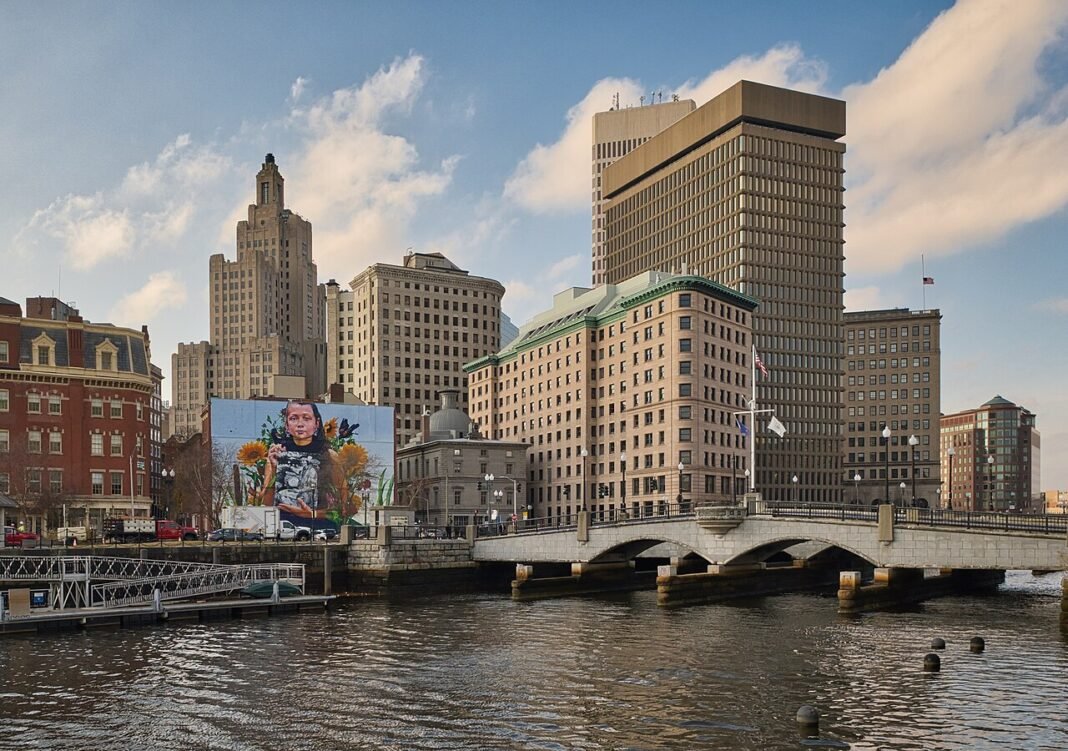
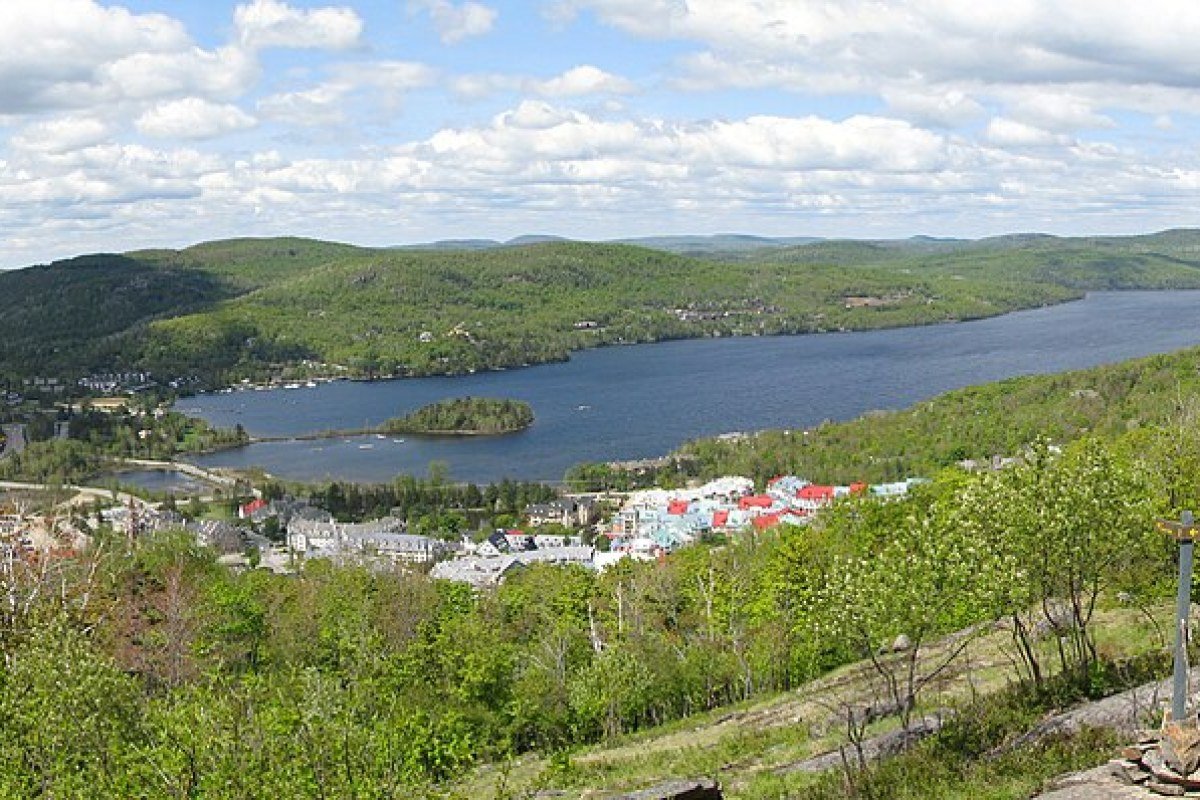
Montreal is one of the last major North American cities where housing costs remain at near-historical affordability relative to incomes — median home prices and rents run significantly below comparable Canadian cities, making it a legitimate financial destination for households whose employment can function in French or in Montreal’s bilingual environment. July 1 (Canada Day) is Quebec’s traditional moving day — the overwhelming majority of annual lease turnovers occur simultaneously on July 1, creating an unusual moving logistics situation that new residents should plan for when timing their own arrival. Quebec City — the only walled fortified city in North America north of Mexico — is a UNESCO World Heritage Site that combines extraordinary historic preservation with a more strongly French-speaking, less bilingual community character than Montreal. The Eastern Townships (Cantons-de-l’Est) are home to Quebec’s most established English-language rural community, with the Bishop’s University town of Lennoxville and Sherbrooke as centres. The Outaouais region (Gatineau, across from Ottawa) provides a French Quebec residential base with direct access to Ottawa’s federal employment market.